
Exploring the Significance of the Ulai River


The Ulai River is a notable geographical feature mentioned in ancient texts. Known for its reference in historical accounts, this waterway played a significant role in the landscape of early civilizations. It is described in visions by its banks, emphasizing its importance in historical literature.
Understanding this river provides insight into both historical geography and narratives. Situated near Susa, it was part of the region’s intricate network of trade and communication routes, crucial for the empires that thrived there.
Strategically located, the river was central to the economic and political life of early civilizations. Known as the Eulaeus in Greek sources, it was vital for irrigation and agriculture, supporting the surrounding settlements. Its mention in historical texts underscores the connection between natural landscapes and historical narratives, offering a mix of stories that continue to captivate scholars and enthusiasts alike.
from the Western Wall to Masada.

What Is the Ulai River?
Referenced in historical texts, the Ulai River is associated with the ancient region of Elam, located in the southwest of modern-day Iran. It is particularly mentioned in historical accounts, known for its visions and messages. Historical connections are essential in understanding its context. Dating back to the Persian Empire, this site holds archaeological and cultural significance. It was part of the setting for several key events in historical narratives.
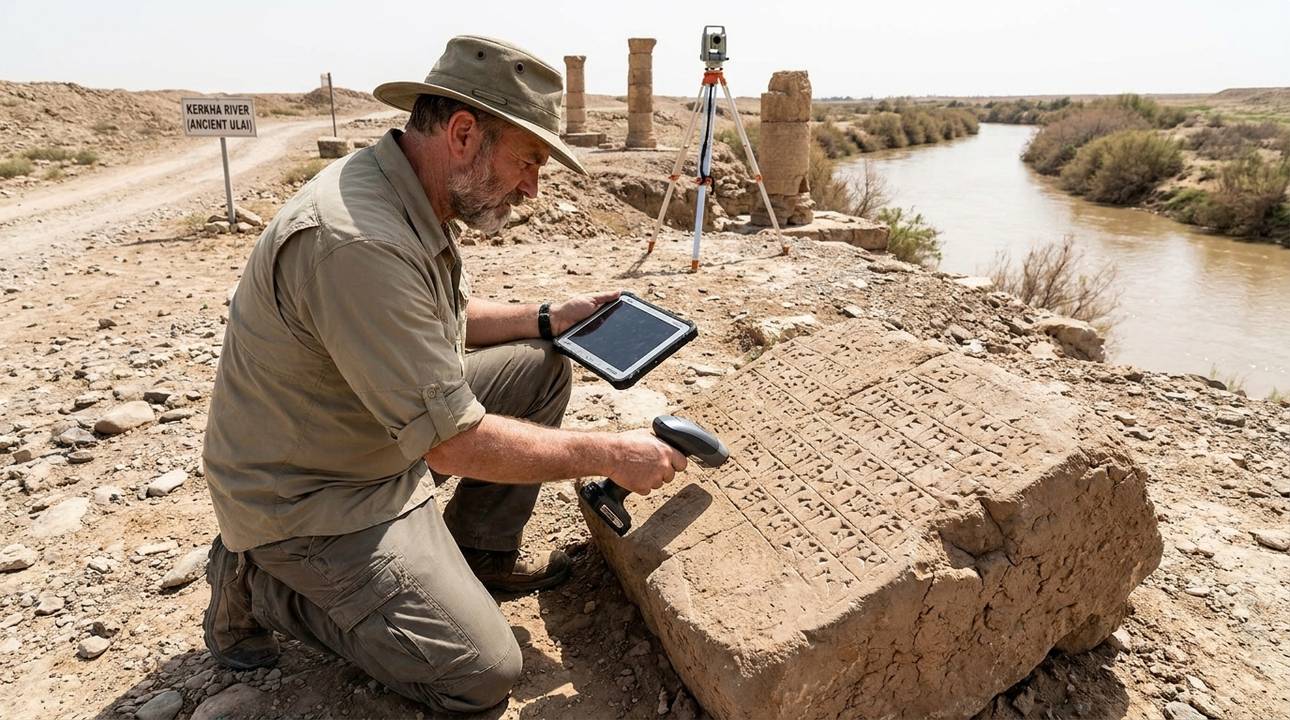
Primarily famous for its mention in historical visions, the Ulai River is where significant events are witnessed, foreshadowing future empires and rulers. These vivid images contribute to its mix of history. Historical texts indicate that the Ulai may correspond to the modern Kerkha River, flowing near the ancient city of Susa. Such mappings provide tangible connections between ancient writings and present-day geography.
The Ulai River in Historical Context
The Book of Daniel provides one of the main references to the Ulai River. In the narrative, Daniel’s vision by its banks sets the stage for significant prophetic revelations. This context highlights the spiritual and historical impact of the river.
Daniel’s prophecy uses it as a backdrop to deliver complex symbols, making the location integral to understanding the message’s depth. For the Jewish population facing exile, these prophecies were a source of hope and reassurance.
This river serves as an effective setting for historical communication, reinforcing its importance. Its inclusion in visions underscores its value as more than just a geographical entity. It is the backdrop for visions that foretell the rise and fall of empires.
Connecting these visions to real-world locations gives scholars and enthusiasts layers of meaning and understanding, bridging the gap between historical events and teachings. Its presence in these narratives adds depth to its importance in historical contexts.
The Ulai River’s role in these visions highlights the interplay between geography and prophecy, offering a tangible connection to the stories that have shaped religious thought. This connection enriches our understanding of the ancient world and its lasting impact on spiritual traditions.
By exploring its place in these narratives, we gain a deeper appreciation for the ways in which natural landscapes have influenced the development of religious and cultural identities throughout history.
Geographical and Historical Insights
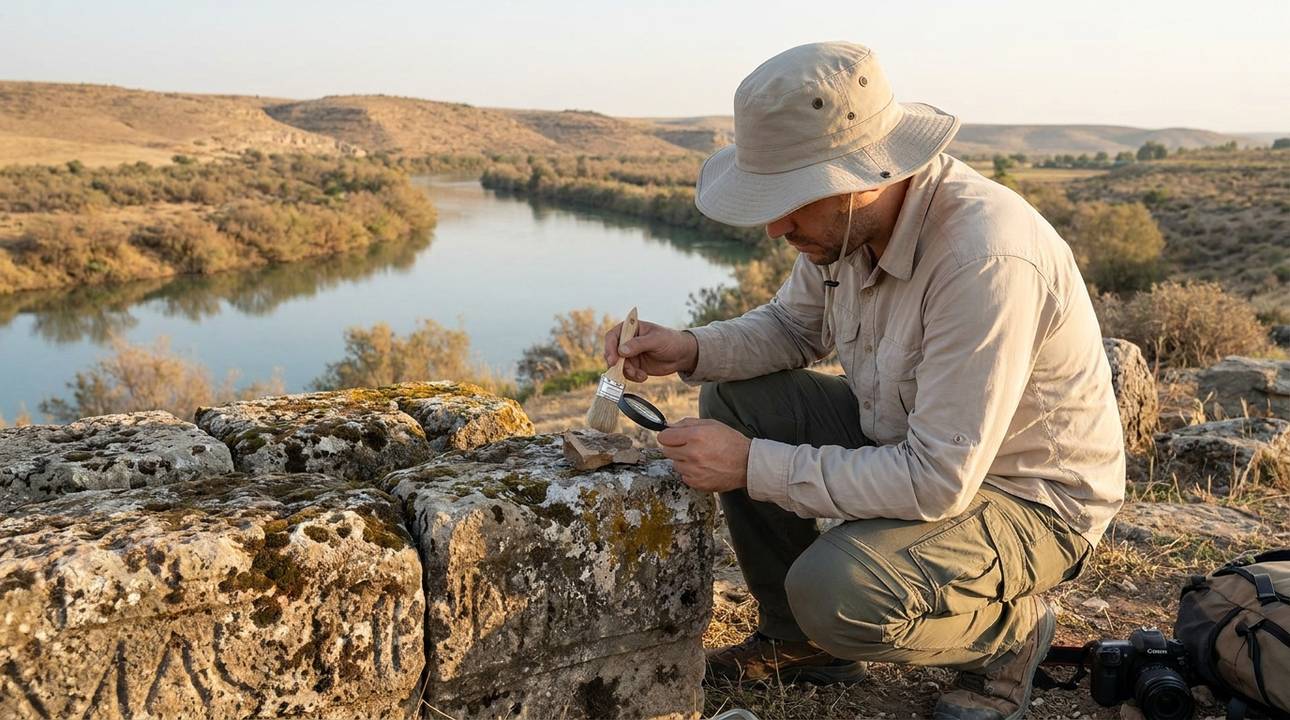
The Ulai River is thought to be the Kerkha River today. This waterway remains a crucial component of ancient Elam’s irrigation and trade systems. Its role in supporting early civilizations contributes to our understanding of ancient infrastructure.
Scholars have identified the Kerkha as a likely candidate due to historical accounts and geographical mapping. Such connections offer a richer perspective on Persia’s history and its interaction with historical narratives.
Proximity to the city of Susa aligns the river with many known historical events. Susa was a powerful city, often serving as a capital for various empires throughout history. This makes the Ulai a witness to pivotal historical shifts. The city is described as the setting for significant historical events.
Identifying modern parallels aids researchers in piecing together historical records and contributing to a unified world history. These efforts underscore the importance of archaeology and historical studies.
Susa’s role as a political and cultural hub highlights the significance of the Ulai River in the region’s development. It facilitated trade and communication, supporting the city’s growth and influence.
By examining its historical context, scholars can gain insights into the dynamics of ancient empires and the ways in which geography shaped their interactions and legacies. The Ulai serves as a key to unlocking the mysteries of the past.

Cultural Role of the Ulai River
Culturally, the Ulai River holds a unique place in historical context. Its mention reflects its integration into texts with broader meanings. People connected ancient narratives to physical landmarks, enriching their cultural understanding.
The river’s role as a setting for visions reflects a transcendence beyond ordinary landscapes. It became a place where the physical and conceptual realms intersected, offering valuable lessons to generations.
In this regard, the Ulai River is still remembered with curiosity and inquiry among scholars and enthusiasts. Its blend of historical, geographical, and conceptual elements makes it a subject worth exploring. Its presence in historical texts links it to significant visions. These factors contribute to a nuanced appreciation of how ancient landscapes shaped storytelling and cultural legends. The river’s proximity to Susa, a city of great historical importance, adds layers to its narrative significance.
from the Western Wall to Masada.
Susa was a hub of political and cultural activity, serving as a capital for empires like the Achaemenid and Sassanian. This makes the Ulai River a witness to the ebb and flow of history, from the reign of Darius the Great to the conquests of Alexander the Great. Its enduring presence in historical texts invites us to explore the mix of stories that have shaped our understanding of the ancient world and its enduring legacies.
The Ulai River Today
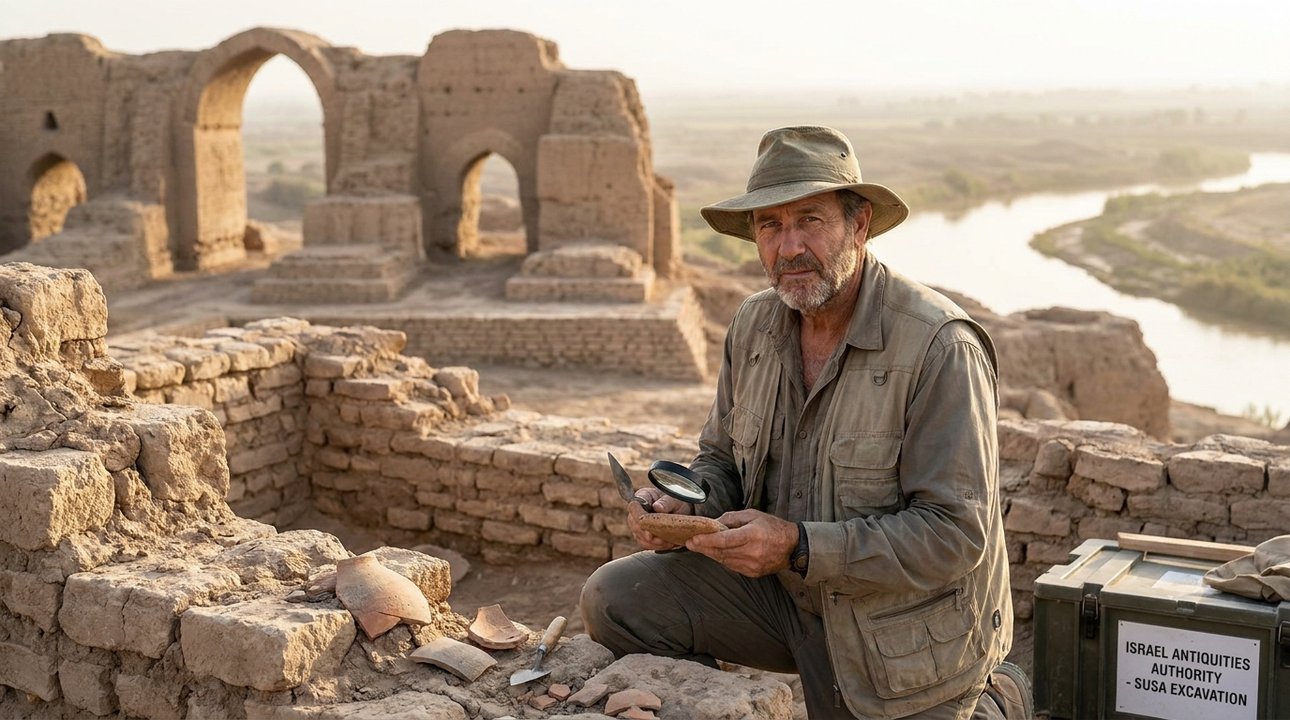
While the exact identification of the Ulai River remains debated, its legacy persists. Today, researchers continue examining its role in ancient regional dynamics and its impact on historical narratives. It is often associated with the Karkheh or Karun rivers, though the exact match is still uncertain.
Understanding its past helps modern scholars appreciate the complexities of ancient geography and its influence on cultures. Investigations into rivers like the Ulai encourage deeper connections with ancient stories and place them within broader historical contexts.
Mentioned in historical texts, the Ulai River highlights its significance in the narratives of the time. Ongoing research into its identity and role offers valuable insights into the connection between geography and history.
By exploring these ancient waterways, scholars can piece together the puzzle of the past, offering a richer understanding of how natural features influenced human development and interaction across the ages.
Current studies aim to corroborate ancient descriptions with present-day landscapes. Such comparative analyses help contextualize historical sources, enriching the knowledge base about the ancient Near East. Archaeologists and historians strive to match the river mentioned in historical texts with existing geographical features.
This ongoing research reminds us that rivers in history were more than just water sources; they were lifelines for civilization and focal points for cultural narratives. The Ulai, in particular, was integral to the development of the surrounding regions.
The river’s role as a conduit for trade and communication highlights its importance beyond mere geography. It served as a boundary and a link between different cultures and empires, facilitating exchanges that shaped the course of history. By examining these ancient waterways, scholars can piece together the puzzle of the past, showing how natural features influenced human development and interaction across the ages.

Conclusion: Why the Ulai River Matters
The Ulai River’s role in history is multifaceted. It is both a physical landmark in Persia and a symbolic setting for significant events. This dual importance enhances our understanding of historical narratives. It serves as the setting for visions of significant events.
Exploring the Ulai invites us to reflect on historical connections and their lasting echoes. As a link to both the past and insights, this river captures the imagination of historians and enthusiasts alike.
The river’s proximity to Susa, a city that was important in the history of empires like the Achaemenid, underscores its history. Susa was a center of administration and culture, making the Ulai a witness to key historical events and transitions. Its presence in both historical and spiritual narratives offers a unique perspective on the connection between geography and belief, inviting us to explore the mix of stories that have shaped our understanding of the ancient world.
For those intrigued by historical context, the Ulai River offers a fascinating glimpse into the interplay of geography, culture, and history. Mentioned in historical texts, it serves as the setting for significant visions. By studying such locales, we honor the narratives that shaped civilizations and their enduring impact on the world’s culture. Located near the ancient city of Susa, it was central to many historical events.
Susa itself was the capital of the Elamite, Persian, and Parthian empires at different times, making the Ulai River a silent witness to these shifts in power. This river, therefore, is not just a geographical feature but a thread woven into the fabric of history.
Its mention in historical texts highlights its significance in the narratives of the time. Such references provide a deeper understanding of how geography influenced cultural developments.
Understanding the Ulai River
