
Exploring the Unique Aspects of Jeruel
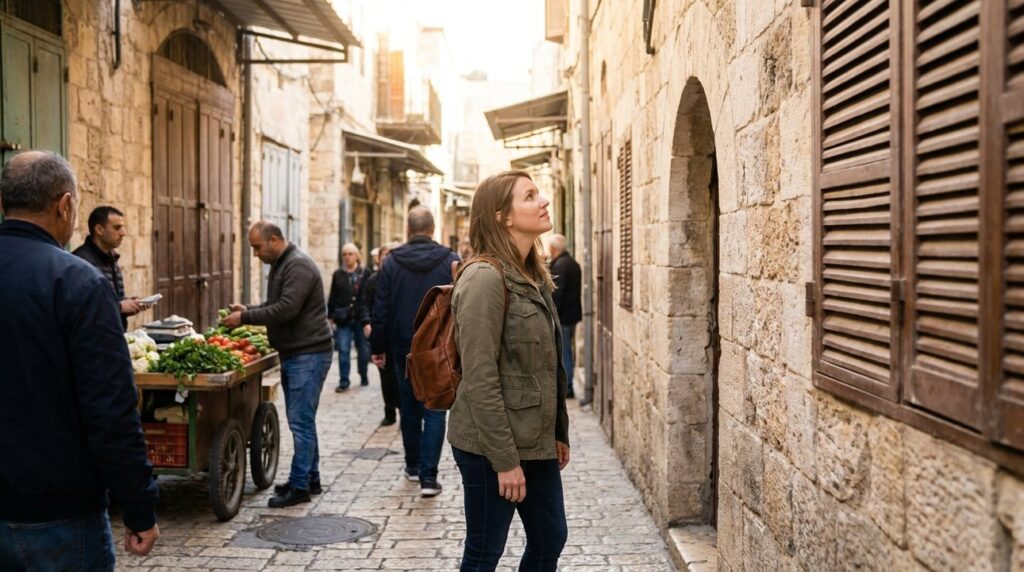

Jeruel is a lesser-known but significant location with strategic importance, particularly noted in the context of King Jehoshaphat’s reign.
Understanding Jeruel sheds light on the strategic movements of historical figures and the geographical landscape of ancient Judea.
This location’s significance is further highlighted by its role in the military strategies of the time.
The confrontation at Jeruel was a pivotal moment in history, illustrating the challenges faced by the kingdom of Judah.
The strategic importance of this site is underscored by its historical role as a key location in the defense against invading forces. This highlights the broader geopolitical dynamics of the region during that era.
What Is Jeruel?
Jeruel appears in historical narratives as a region associated with specific events. It is not frequently mentioned, yet it holds importance due to its strategic placement in the terrain of the region.
The landscape played a crucial role, serving as a backdrop for historical events that defined the movements and tactics of key figures. For many, Jeruel signifies a place of conflict resolution, as battles and strategic maneuvers were often decided in such topographies.
The presence of such locations in historical accounts highlights the necessity of understanding geography in the context of the era. The name ‘Jeruel’ itself, while not extensively detailed in historical dictionaries, suggests a place endowed with significant historical and cultural layers.
Scholars often examine these names to decode the historical importance attributed to each site.
Jeruel’s Geographic Context
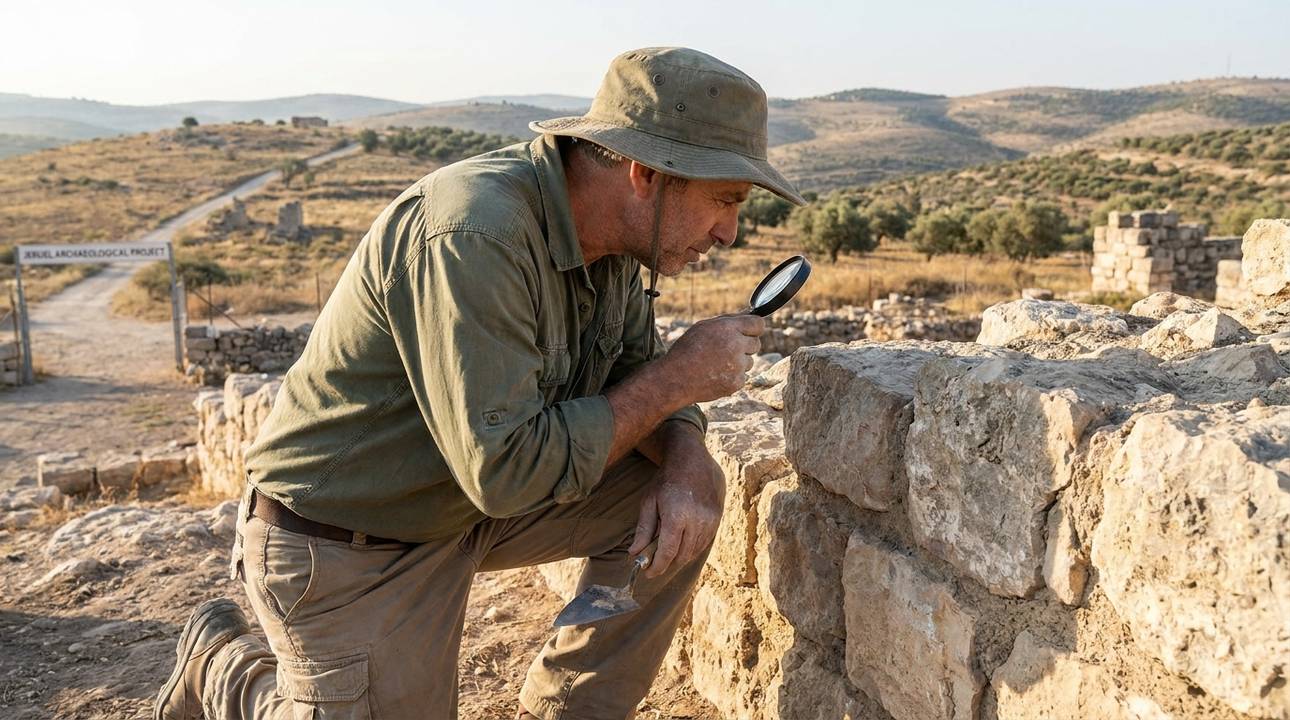
Geographically, Jeruel is positioned within the region of Judea, an area central to many historical events. Known for its diverse landscapes, Judea provided everything from fertile plains to strategic high grounds suitable for settlements and fortresses.
Such geographic features made it an appealing area for habitation and conflict alike. Understanding the location of Jeruel within Judea is vital for comprehending the larger narrative of land occupation and defense tactics in historical stories.
The topography influenced the movement of armies, the placement of settlements, and the accessibility of resources central to daily life. Today, the area corresponding to ancient Judea remains a site of historical and archaeological interest, showing the life and times of the ancient inhabitants. Archaeological findings from this region continue to shed light on the strategic importance of locations like Jeruel, enhancing our understanding of their role in historical narratives.
Historical References to Jeruel
In the historical context, Jeruel is mentioned as a scene for military gatherings and strategic interventions. It serves as the meeting grounds for the people of Judah in situations requiring military preparedness and strategic planning. Such references are integral for understanding the societal structures and practices of the time. The exact historical references may not be as extensive as those for more famous locations, yet Jeruel’s mention underscores its role in key narratives involving leadership and strategic guidance. Its presence in these accounts adds depth to understanding the tactics and strategies of ancient communities. By examining these pieces, scholars can better appreciate the significance of seemingly minor locations, revealing how they contributed to the broader mix of historical events.
Archaeological and Cultural Insights
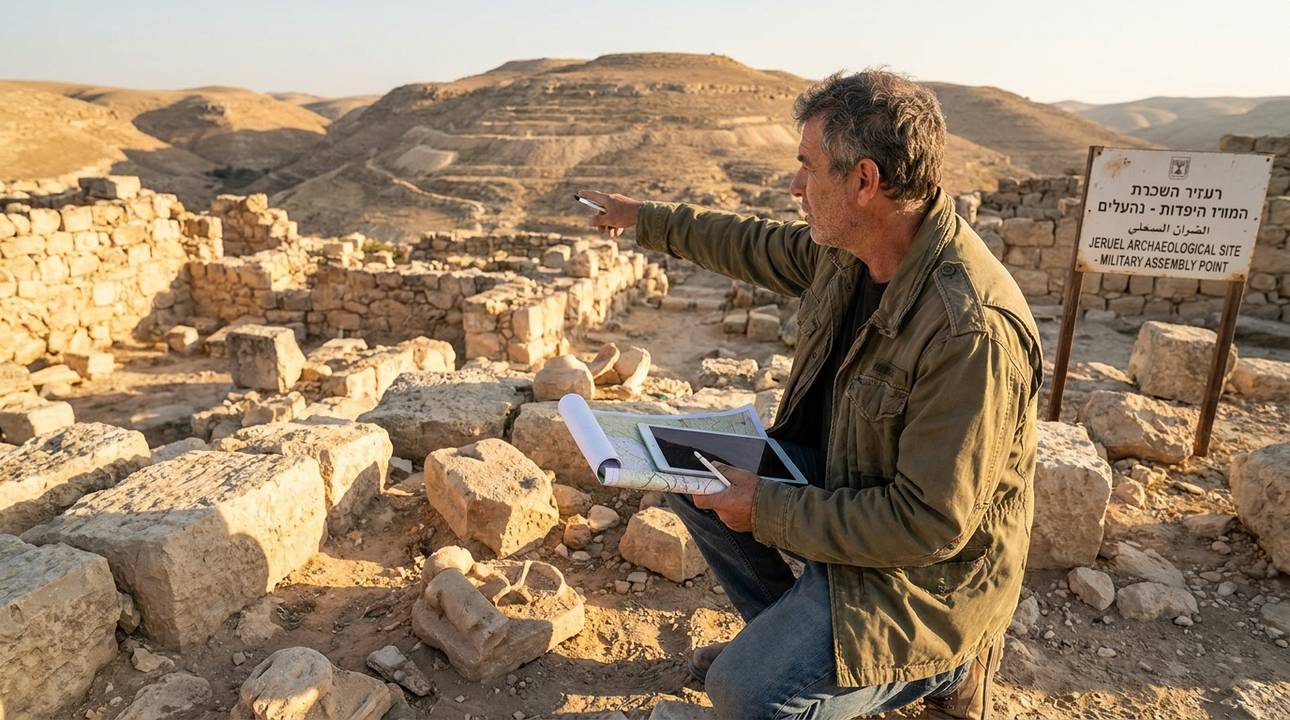
Archaeological evidence plays a crucial role in illuminating the historical context of Jeruel. Artifacts unearthed from the region offer clues about the lifestyle, warfare, and practices of its ancient inhabitants.
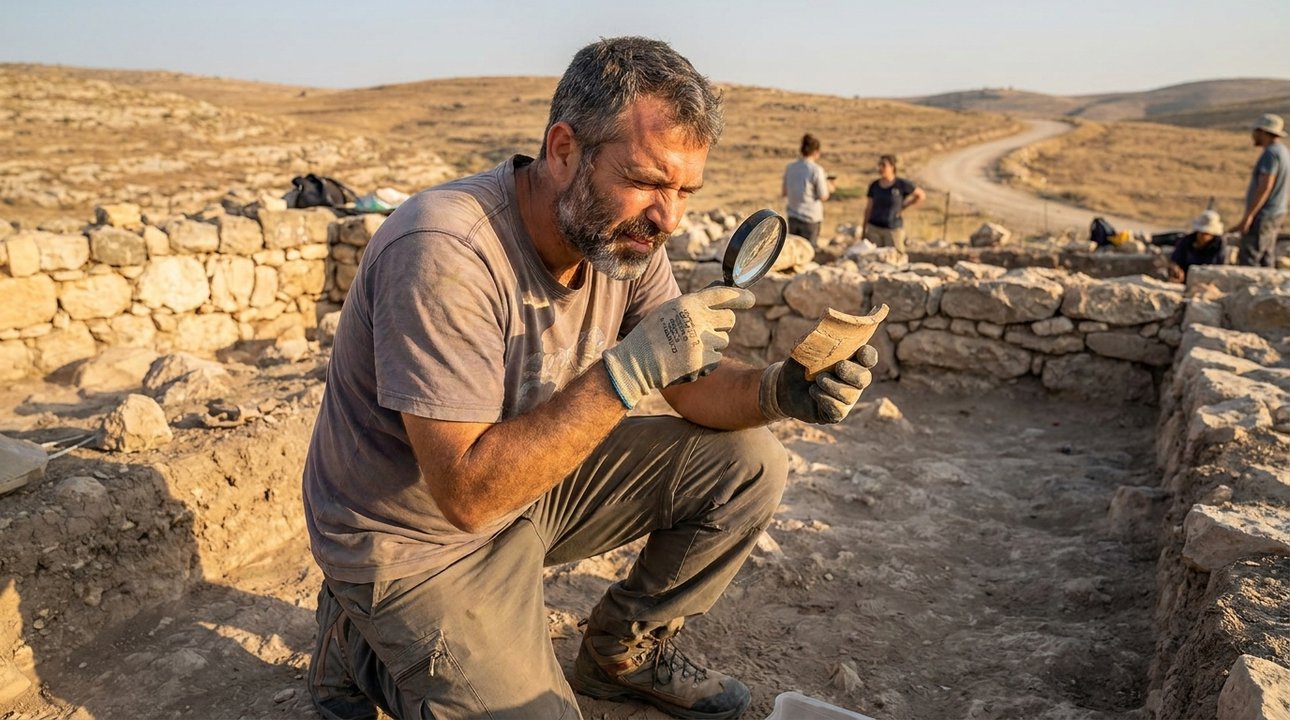
These findings provide a tangible connection to the narratives described in historical texts. Experts analyze pottery, remnants of structures, and weaponry to piece together a more comprehensive picture of daily life and strategic importance.
For example, the discovery of ancient fortifications aligns with historical accounts of battles and defenses.
Such evidence helps historians reconstruct the military strategies and societal structures of the time.
By examining these artifacts, researchers gain insights into the technological advancements and cultural exchanges that shaped the region’s history, enhancing our understanding of its role in historical events.
Such efforts help validate and expand upon the historical accounts, further grounding them in historical reality. The ongoing studies and excavations in regions like Judea continue to enrich our understanding of ancient societies, enhancing the context for historical stories and figures.
For instance, the discovery of ancient fortifications in Judea aligns with accounts of battles and defenses mentioned in historical texts, where Jeruel is noted as a site of confrontation.
This research not only supports historical narratives but also adds depth to our knowledge of the ancient world. Artifacts like pottery and inscriptions provide insights into the daily lives of people who lived during those times.
These findings allow historians to piece together the cultural and economic conditions of historical eras, offering a more nuanced understanding of the past and its influence on present-day cultural identity.
Jeruel in the Present Day
Today, the landscape around ancient Jeruel offers a unique window into the past. While the exact boundaries of Jeruel as mentioned in historical texts might not align with contemporary maps, the broader region retains a deep connection to its historical roots.
Modern archaeological endeavors continue to explore this area, aiming to uncover more about its past significance. These efforts contribute to the ongoing dialogue about how historical sites communicate cultural and historical narratives that have endured through time.
The discoveries made in this region help bridge the gap between ancient texts and modern understanding. By piecing together the physical evidence with historical accounts, researchers can paint a more complete picture of the region’s role in history, enriching our knowledge of its legacy.
For scholars and enthusiasts alike, the exploration of such places remains a pursuit of connecting history, culture, and faith through physical remnants and scholarly research.
The discoveries in this region, including pottery and ancient structures, help piece together the daily life and spiritual practices of those who lived there. This ongoing research not only enriches our understanding of Jeruel but also of the broader historical context of Judea.
Artifacts like clay tablets and tools provide glimpses into the everyday activities and social structures of ancient communities.
These findings contribute to a more comprehensive picture of the cultural and religious landscape of the time.
By studying these remnants, researchers can better understand the interactions between different societies and how these influenced the development of religious and cultural traditions in Judea.
In short, Jeruel may not be the most frequently discussed historical location, but its significance is entwined with the history and heritage of Judea. It is mentioned as the place where King Jehoshaphat was instructed to face the invading armies. This event highlights Jeruel’s strategic role during times of conflict. Its role in ancient narratives provides valuable insights into the strategic, cultural, and historical dimensions of the times. The site’s historical importance is further emphasized by its recurring presence in historical accounts.
These narratives underscore the challenges and triumphs of the people of Judah, offering lessons in perseverance and strategic planning.
Understanding Jeruel’s place in these stories enriches our appreciation of the historical and cultural legacy of the region, connecting past events to the present.
Jeruel and Lev Haolam
While exploring places like Jeruel offers educational journeys into the past, supporting present-day small businesses also carries important cultural role. Lev Haolam provides opportunities to connect with Israel through curated gift boxes that celebrate the land’s history and craftsmanship. These boxes feature products made by Israeli artisans, supporting local families and preserving traditional techniques. For example, a box may include handcrafted jewelry or locally sourced spices, each item reflecting the unique heritage of its region.
These curated selections not only highlight the diverse talents of Israeli artisans but also offer a direct way to engage with the country’s cultural heritage.
By choosing these products, individuals support the livelihoods of families who rely on traditional crafts, ensuring that these skills continue to thrive amidst modern challenges.
Each purchase helps sustain communities and creates a personal link to the heritage of Israel. By purchasing Lev Haolam boxes, individuals contribute to the continuation of cultural and historical connections, discovering how the past and present intertwine through tangible, meaningful engagement.
These boxes often include items like handmade ceramics or olive oil, each telling a story of the land and its people, fostering a deeper appreciation for Israel’s unique cultural legacy.
This initiative not only supports the economy but also fosters a deeper appreciation for Israel’s unique cultural legacy. The artisans who craft these products are often rooted in traditions passed down through generations, preserving skills that might otherwise fade. By engaging with these products, supporters help maintain these traditions, ensuring that the culture of Israel remains and diverse for future generations.
Understanding Jeruel
