
Understanding the Significance of Gomer in the Bible


Gomer is a name mentioned in ancient texts that has piqued the interest of scholars and readers alike. It appears in various contexts, often leaving people curious about its geographical and historical implications.
Gomer is listed as a son of Japheth, placing him within the broader narrative of the descendants who repopulated the earth after the flood. This mention provides clues to the ancient Near Eastern cultures.
In this article, we will explore the background of Gomer, its historical references, and how these tie into broader narratives within the ancient Near East. The name Gomer is also associated with the Cimmerians, a group known for their movements across the steppes of Eurasia.
By tracing these connections, we can better understand the historical and cultural dynamics that shaped the regions mentioned in ancient texts. This exploration offers insights into the interconnectedness of ancient peoples and their shared histories.
from the Western Wall to Masada.

The identification of Gomer with the Cimmerians is supported by historical and archaeological evidence, including references in Assyrian records. These connections illustrate the influence of Gomer’s descendants on the regions they inhabited, highlighting their role in shaping the cultural landscape of the ancient world.
This study offers a deeper appreciation for the historical narratives found in ancient texts and their relevance to understanding early cultures.
Who Was Gomer in the Bible?
Gomer is introduced as one of the sons of Japheth, who was a son of Noah. The significance of Gomer lies in its connection to various tribes and people. Gomer was the progenitor of several groups known in the ancient world.
Understanding Gomer’s lineage provides a foundation for exploring how these ancestries are linked with historical and geographic regions of antiquity. The Table of Nations outlines these connections, illustrating the spread of peoples post-flood.
The genealogical record serves as a crucial tool for understanding the historical and cultural dynamics of the ancient Near East. It connects Gomer to the Cimmerians, highlighting their movements across Eurasia and their impact on the regions they encountered.
These connections provide a framework for exploring the interactions between different peoples and the cultural exchanges that occurred as a result of these migrations.
Gomer’s Geographic References
In historical texts, Gomer is associated with regions north of Israel, possibly in modern-day Turkey or Eastern Europe. This connection has led to theories about migration patterns of ancient peoples during early periods.
The mention of Gomer alongside other nations provides a clue to its possible geographical range. This passage aligns Gomer with remote northern territories, contributing to historical mapping discussions.
The Connection to the Gomerites
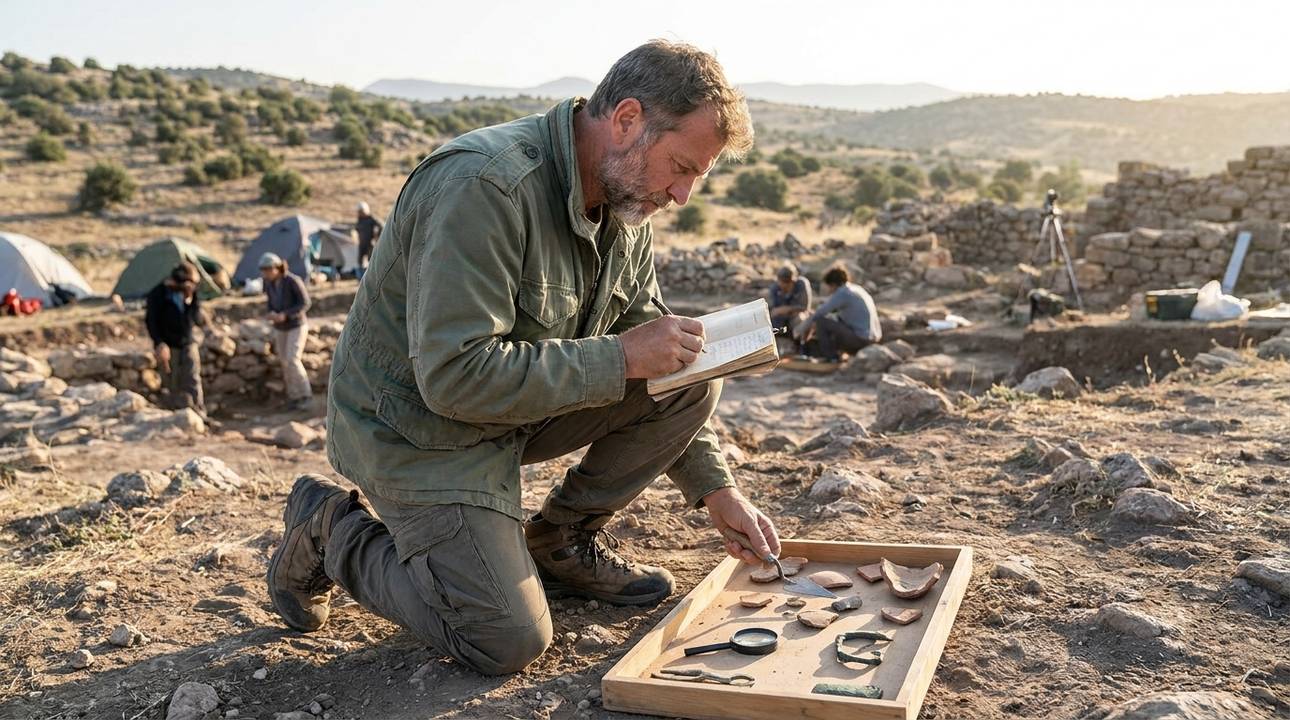
Gomerites, the descendants of Gomer, are often identified with the Cimmerians, an ancient Indo-European people. This identification is based on historical sources and archaeological evidence linking them to areas mentioned in ancient Assyrian records.
The Cimmerians were known for their movements and invasions in Anatolia, creating a cultural and military impact in the areas around the Black Sea. According to Herodotus, they were involved in significant conflicts with the kingdoms of Urartu and Lydia.
This historical context shows the Cimmerians’ influence on the regions they traversed. Their presence in Anatolia is evidenced by archaeological finds, such as weapons and burial sites, which provide a glimpse into their way of life.
The Cimmerians’ interactions with other cultures, including the Scythians and the Medes, further illustrate the dynamic nature of early cultures and their interconnected histories.
Historical Narrative and Influence
Beyond geographical mentions, Gomer also figures in narratives within ancient texts. Here, Gomer is metaphorically referenced, establishing an important storyline linked to themes of societal relationships. The narrative uses the name Gomer to illustrate the challenges and complexities of relationships, showing the messages conveyed by historical authors.
The metaphorical use of Gomer’s name highlights the interplay between historical and thematic elements in ancient texts. It demonstrates how authors crafted their messages to resonate with their audience’s experiences and understanding.
This narrative invites readers to reflect on the complexities of societal relationships and the challenges faced by communities in maintaining their integrity amidst external influences.
The use of the name Gomer provides a literary angle, showing how historical authors used names to communicate broader messages. This metaphorical use highlights the interplay between history and themes.
By examining these texts, readers can gain insights into the ways authors crafted their messages to resonate with the experiences and understandings of their audience. The narrative uses Gomer’s name to symbolize broader themes, offering a poignant narrative of relationships.
This narrative technique demonstrates the skillful use of historical and symbolic elements to convey deeper meanings. The story serves as a powerful metaphor for relationships and commitments.
The text invites readers to reflect on the complexities of societal relationships and the challenges faced by communities in maintaining their integrity amidst external influences.

Gomer in Jewish Tradition
Jewish tradition has explored Gomer’s significance with great interest. Rabbinic literature sometimes delves into the implications of Gomer’s lineage and its extended connections to various nations. For instance, Gomer is considered an ancestor of the Cimmerians, who are mentioned in Assyrian records. This exploration reflects how genealogies in the Bible serve as touchstones for broader historical and spiritual discussions, showing the interconnectedness of ancient peoples.
The study of Gomer’s lineage in historical literature highlights the importance of genealogies in understanding the historical and cultural contexts of ancient texts. These records provide a framework for exploring the relationships between different groups and their influence on the regions they inhabited.
This perspective offers a deeper appreciation for the complexity of historical narratives and their relevance to understanding early cultures.
from the Western Wall to Masada.
This exploration reveals networks of relationships across peoples and eras. The genealogies provide a framework for understanding the interconnectedness of early cultures.
These genealogies are not just historical records but also serve as a means to explore the cultural ties that bind different groups. For example, the lineage of Japheth, which includes Gomer, connects various tribes and regions, illustrating the complex web of interactions.
Moreover, these genealogical records highlight the continuity of certain cultural and spiritual traditions. They offer insights into how different groups maintained their identities while interacting with others. This is evident in the way genealogies link the descendants of Noah to various ancient peoples, such as the Cimmerians, who are associated with Gomer.
This approach allows us to appreciate the depth of historical narratives found in the Bible.
Cultural Impact and Modern Perspectives
Modern scholars and enthusiasts continue to study Gomer, seeking to validate historical connections and cultural impacts. The search for Gomer’s roots illustrates ongoing interest in archaeology and ethnography.
For example, Gomer is linked to the Cimmerians, a nomadic group mentioned by Herodotus, the ancient Greek historian. This connection has led to debates about their migration patterns and influence in the ancient world, highlighting the importance of Gomer in historical studies.
The study of Gomer’s connections to the Cimmerians provides a framework for understanding the movements and interactions of early peoples. Archaeological evidence, such as burial sites and artifacts, offers insights into their way of life and cultural exchanges.
These findings contribute to our understanding of historical narratives, illustrating the complexity of early cultures and their interconnected histories.
Today, interest in Gomer’s narrative remains strong within the context of understanding human migrations and regional histories. References place Gomer among the descendants of Japheth, suggesting a lineage that spread across various regions.
This listing is part of the Table of Nations, which outlines the post-flood dispersal of peoples, providing a framework for historical and cultural studies.
The Table of Nations offers a roadmap for exploring the movements and interactions of early cultures. It highlights the spread of peoples across the ancient Near East, illustrating the interconnectedness of different groups and their influence on the regions they inhabited.
This study provides a deeper appreciation for the historical narratives found in ancient texts and their relevance to understanding early cultures.

In Summary
Gomer’s role serves as a fascinating example of how names and genealogies connect to broader narratives. Its geographical and historical contexts enrich our understanding of early cultures.
Gomer is mentioned as part of a coalition of nations, suggesting its strategic importance in historical narratives. This reference underscores the interconnectedness of early peoples and their lands, highlighting the significance of Gomer in the broader historical narrative.
The mention of Gomer illustrates the geopolitical dynamics of the ancient Near East. It reflects the alliances and conflicts that shaped the region’s history, providing a backdrop for understanding the historical text.
These references offer valuable insights into the historical context, allowing us to appreciate the complexity of the narratives and their relevance to the ancient world.
By studying Gomer, readers gain insight into the complexity and interconnectedness of historical characters and the lands they inhabited, offering a clearer picture of the region’s history.
The genealogical accounts serve as a roadmap for exploring the movements and interactions of early cultures, providing a deeper appreciation for the historical narratives. These accounts trace the lineage of Noah’s descendants, showing the spread of peoples across the ancient Near East.
The genealogical framework helps us understand the cultural and historical contexts in which these narratives were set. It highlights how different groups, like the descendants of Gomer, influenced the regions they settled in. By examining these connections, we can appreciate the mix of relationships that shaped the ancient world, showing the shared heritage of diverse cultures.
Understanding Gomer
