
Discovering the Location and Significance of Paddan Aram


The Torah prominently mentions Paddan Aram, especially in patriarchal narratives. This region is associated with a significant family and linked to Rebekah and Rachel’s homeland. This exploration will guide you through the geographical setting, history, and important role of this area in historical accounts, showing its enduring impact on Jewish heritage.
Paddan Aram holds a special place in Jewish memory, particularly in the stories of the patriarchs. It is mentioned as the place where Jacob traveled to find his family, highlighting its importance in the narrative.
This region, tied to the homeland of Rebekah and Rachel, served as a backdrop for pivotal events that shaped the lineage of the Jewish people, emphasizing its role in the unfolding story.
from the Western Wall to Masada.

Where Was Paddan Aram Located?
Traditionally identified with parts of Mesopotamia, Paddan Aram is particularly linked to the region of the upper Euphrates River. This area is historically known as the ancient homeland of the Arameans. It refers to a part of the Aramean territories that extends into modern-day Syria and Turkey. Known for its fertile plains and strategic location, it was an important region for trade and agriculture. The history of this area comes from its ties to the patriarchal narratives, making it a location that holds deep cultural resonance within the texts.
The name ‘Paddan Aram’ may derive from an ancient term meaning ‘plain of Aram,’ reflecting its geographical landscape. Archaeological findings suggest this area was densely populated, thriving with settlements and agriculture.
Its links to Jewish tradition are profound, as it was home to the families of the patriarchs, embedding it deeply in the cultural and historical memory of the Jewish people.
Mentioned as Rebekah’s homeland, Paddan Aram adds layers to its historical narrative. The region’s fertile plains supported an agricultural society, contributing to its prosperity. As the birthplace of key figures, its significance in the ancestral stories of the Jewish people is underscored, highlighting its role in shaping the lineage and history of the Jewish nation.
Historical References to Paddan Aram
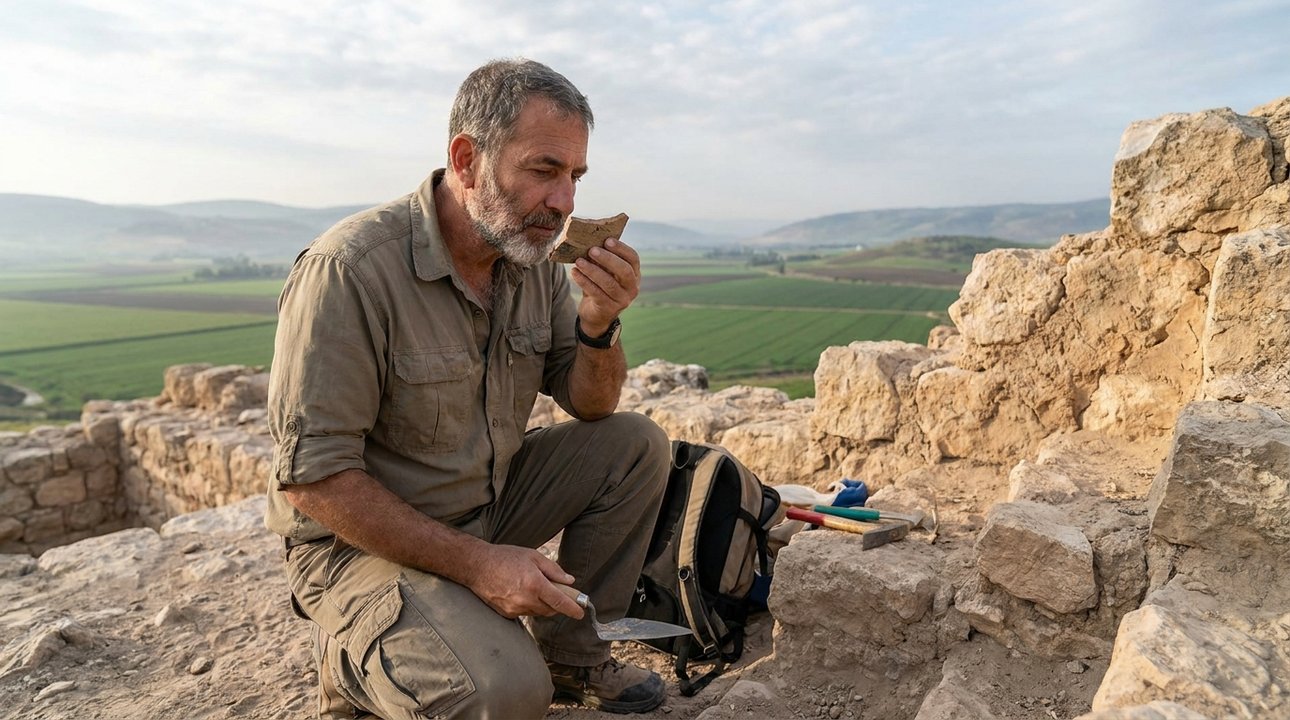
Featured prominently in the stories of the patriarchs, Paddan Aram is described as the place a servant was sent to find a wife for a son. Rebekah, a wife, was from this region, as were Rachel and Leah.
These connections highlight the region’s centrality to the foundational stories of the Jewish people, marking it as a place of origin for the family of Israel. References to key figures in these narratives underscore the region’s significance, with several events playing out across its landscapes.
A significant time in this region is notably significant. He fled there to escape anger. During his stay, he married Leah and Rachel, fathering children including Joseph, who later was important in Israel’s history. This connection emphasizes the area’s place in the lineage of Israel’s tribes, marking it as a key location in the narrative.
More than just a location, Paddan Aram is integral to the stories that shape Jewish identity and heritage. The experiences of the patriarchs in this region are foundational to the narrative.
These stories continue to resonate in Jewish cultural memory, underscoring the region’s significance in the historical and journey of the Jewish people.
Archaeological Insights into Paddan Aram
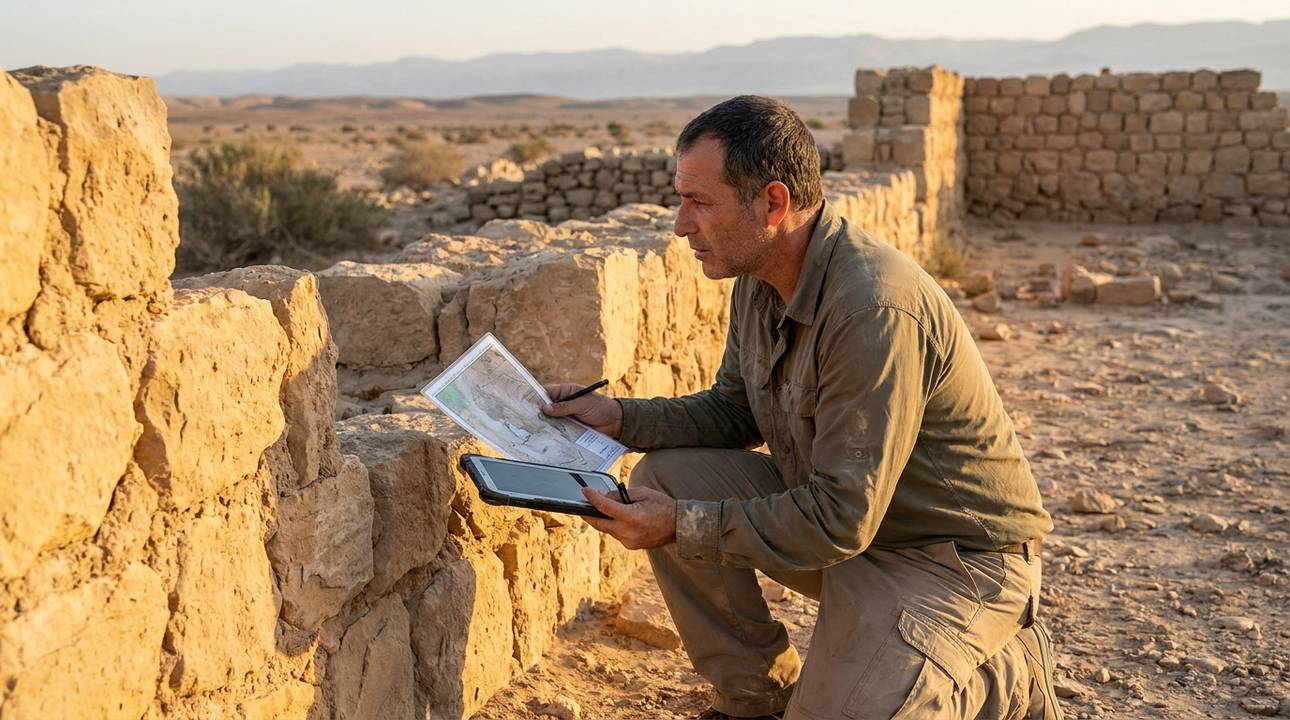
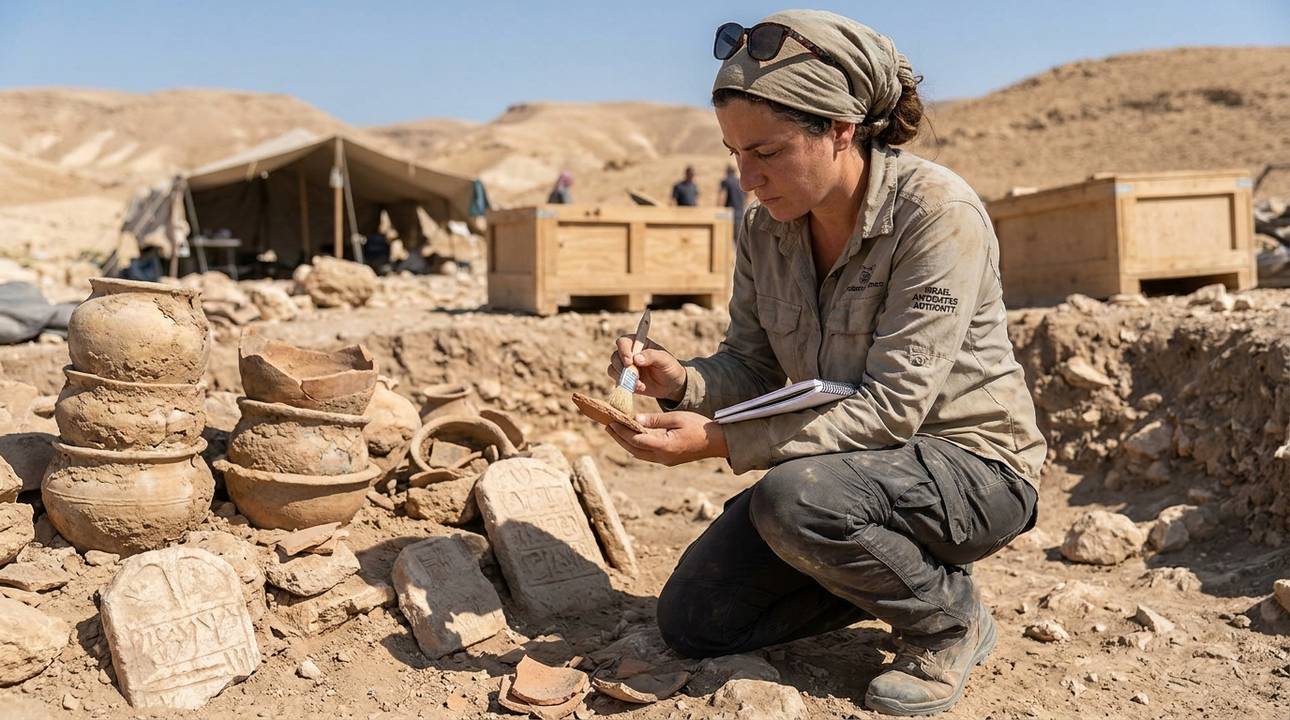
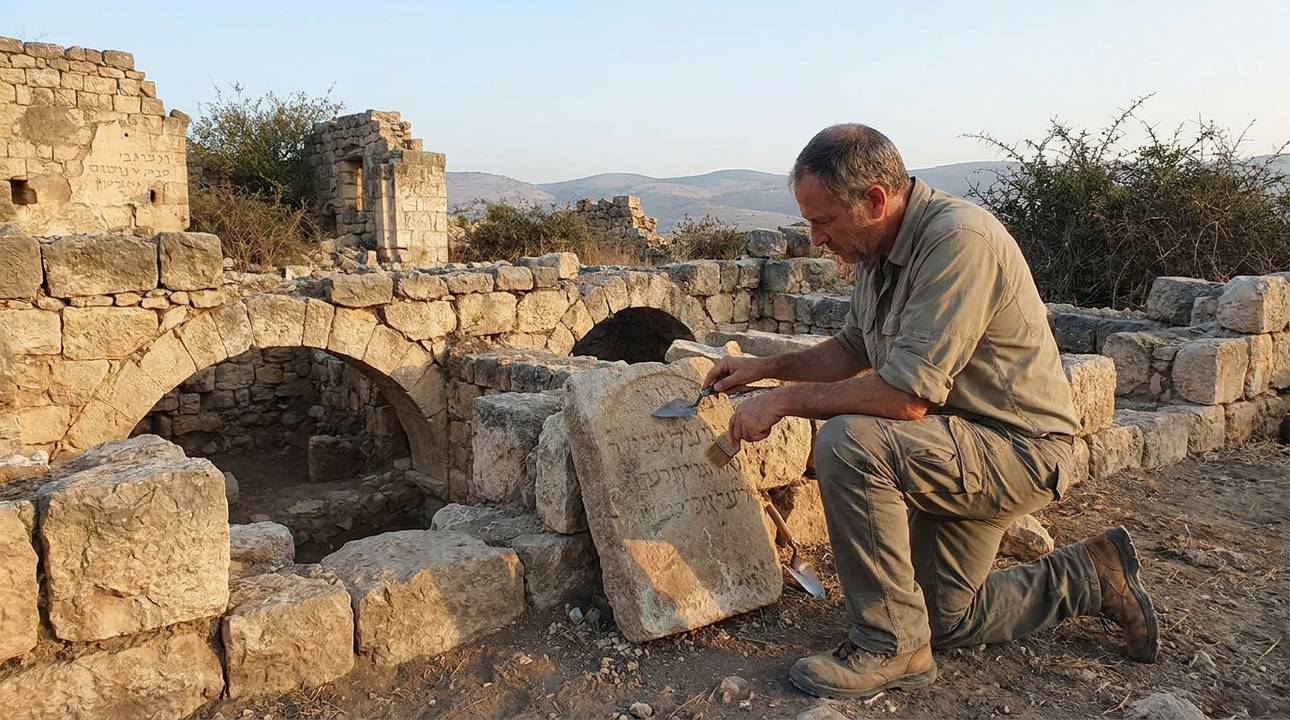
Archaeological studies in the regions associated with Paddan Aram have unearthed artifacts from the Amorite culture. These findings offer a glimpse into the life and times of ancient dwellers of Mesopotamia. Ceramic remains, tools, and inscriptions provide evidence of active trade and a culture, aligning with the descriptions of a vibrant and important area. Discoveries of ancient cities and trade routes continue to provide context for understanding the area’s role within the historical landscape.
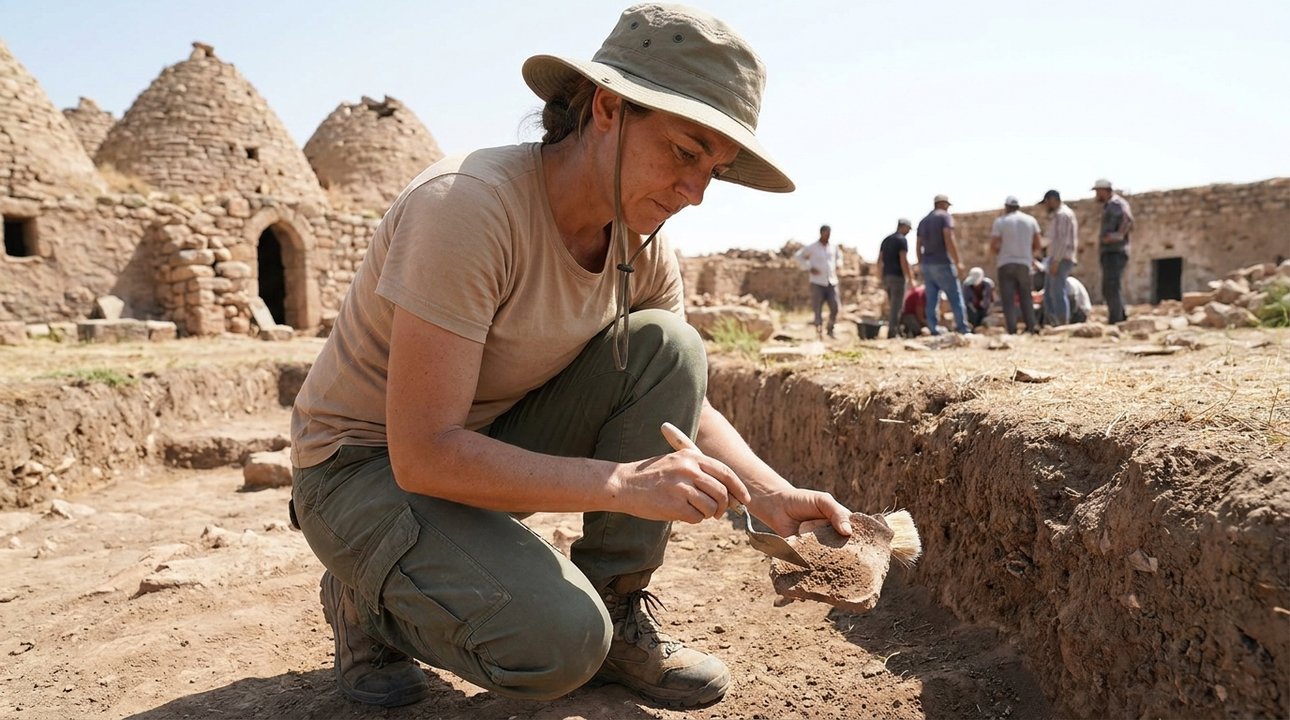
The archaeological profile of the region includes significant sites like Harran, an influential city in ancient Mesopotamia. Mentioned as a family’s settlement, Harran features in narratives related to Paddan Aram.
As archaeological techniques advance, more insights emerge, painting a fuller picture of this historically rich region, enhancing our understanding of its connections.
Archaeology provides valuable insights into the region, confirming its historical significance. Discoveries in Harran, a city in the area, connect us to accounts, such as those where a family settled.
These findings enhance our appreciation of the region’s historical context, offering tangible links to the narratives that have shaped Jewish heritage.
The People of Paddan Aram
Central to understanding the region are the people who inhabited it. Known as Arameans, they were culturally and politically influential across the ancient Near East. Their language, Aramaic, became a lingua franca of the region.
This significant cultural influence marks them as key players in regional developments and interactions with their neighbors. The history of the Arameans is intricately tied to the economic and political activities in the area, influencing trade and cultural exchange.
from the Western Wall to Masada.
Modern insights suggest the trade routes of the region positioned its inhabitants as intermediaries in exchanging goods and ideas between cultures. These routes connected cities like Nineveh and Babylon, facilitating cultural exchanges.
Such interactions are evident in stories where patriarchs engage with local customs, highlighting these cultural exchanges.
The people of the region played a crucial role in establishing it as a cultural and economic hub in history. Their strategic position along trade routes allowed them to act as mediators in commerce, facilitating the exchange of goods and ideas between major civilizations like Mesopotamia and Egypt.
This interaction is reflected in narratives, where prosperity is noted, underscoring the area’s influence in shaping the region’s identity and impact across the ancient Near East.
Paddan Aram in Modern Perceptions
Today, the region interests historians, archaeologists, and those tracing spiritual or ancestral roots. Often identified with parts of modern-day Syria and Turkey, these areas are rich in history and archaeological significance.
Scholarly examination refines our understanding, keeping this ancient region alive in discussions of history and heritage, bridging past and present connections.
While exact locations and names have shifted, the region’s significance remains a subject of study. Its role in the patriarchal stories underscores its lasting importance.
This enduring relevance highlights the region’s place in the narrative, serving as a backdrop for events that continue to influence Jewish tradition and identity.
Interest in the region extends to cultural studies exploring influences and traditions from the area, reflecting its enduring impact. Associated with the Arameans, a Semitic people in the Bible, it shaped the cultural and linguistic landscape of the Near East.
The interplay between history and modern exploration keeps the region a lively topic of discovery and connection, bridging ancient narratives with contemporary understanding.
The Arameans were influential during key moments in history. Their presence in the region adds depth to the cultural backdrop, enriching our understanding of the narratives that unfolded there.
This influence is seen in stories like that of Laban, an uncle, who played a significant role in life, further illustrating the interconnectedness of these ancient peoples and their lasting impact.
Conclusion: Paddan Aram’s Role in Historical Heritage
More than a location, the region is a touchstone of cultural and historical roots entwined with Jewish heritage. Recognizing its significance helps us understand the world where these foundational narratives unfolded.
Its role is evident, where a return with family is highlighted, emphasizing the region’s influence in the stories of the patriarchs.
Exploring the region offers a window into its contributions to civilization and its enduring role in tradition. The area’s strategic location made it a crossroads for various cultures, influencing its historical and cultural context.
Stories from this area have been integral in shaping Jewish identity, illustrating the deep connections between the land and the narratives cherished for generations.
Understanding Paddan Aram
