
Delving into the Gozan River in Historical Context


The Gozan River holds a unique place in history, primarily noted in accounts of exile. It is associated with the Assyrian deportation of the Israelites to Halah, Habor, and the cities of the Medes, including the region by this river. This article explores its geographical and historical context, shedding light on its role during the Assyrian conquest and the subsequent impact on the Israelite communities, as they faced the challenges of exile.
What Is the Gozan River?
This river is noted as a location tied to the Assyrian exile. It is described as one of the places where the Israelites were taken by the Assyrians.
Scholars often debate its exact location, but it is commonly associated with parts of northern Mesopotamia, near the Khabur River. This area was strategically important for the Assyrians, serving as a place to control and assimilate the exiled populations, reducing the risk of rebellion.
from the Western Wall to Masada.

The strategic placement of exiles in regions like Gozan reflects the Assyrian Empire’s broader policy of territorial control. By relocating populations, they could manage conquered lands more effectively, integrating diverse groups into their administrative framework.
This approach is documented in various Assyrian inscriptions, providing a historical backdrop to the accounts of exile.
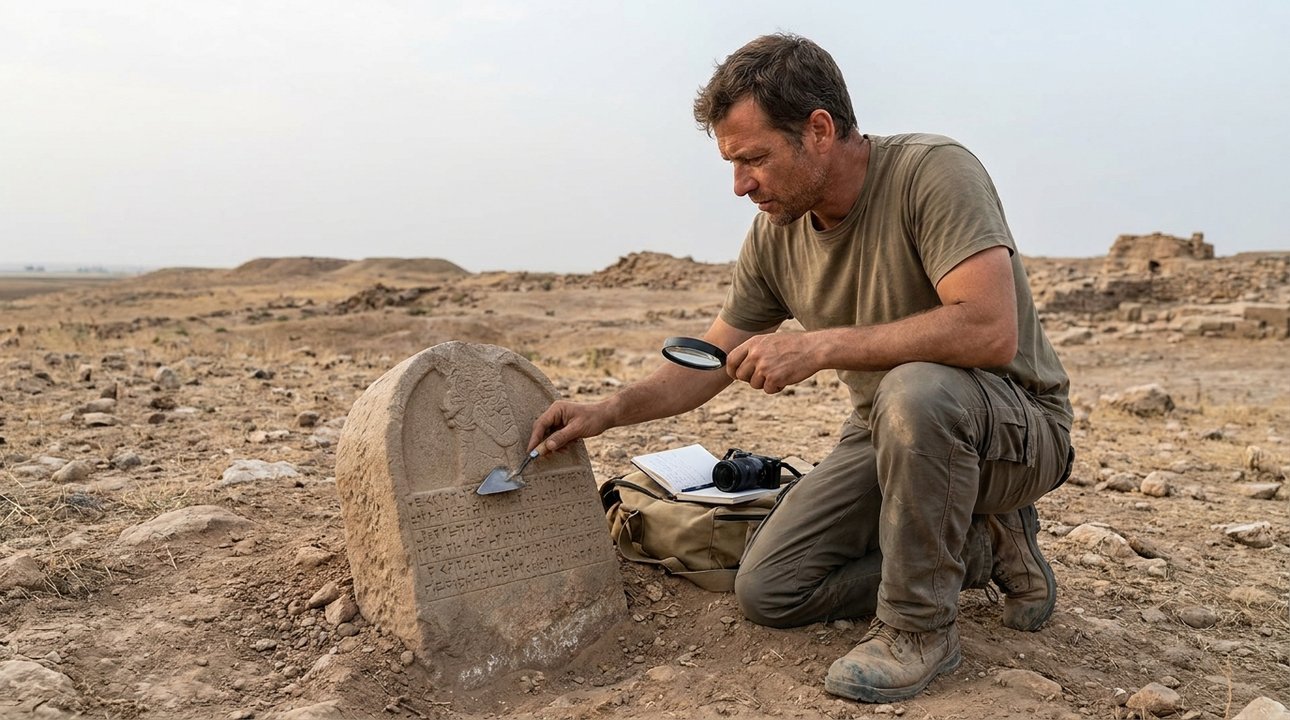
Historical References to the Gozan River
This river appears in several historical contexts. The Assyrians brought the Israelites to Halah, Habor, and the cities of the Medes, including Gozan. This reference highlights its association with the exile, marking a painful memory for the Israelites.
The historical records echo this connection, underscoring the river’s role in the historical dispersion narrative, illustrating the challenges faced by the Israelites during these times.
The exile to Gozan and other locations was part of the Assyrian policy of deportation, which aimed to weaken conquered peoples by scattering them. This tactic is also noted where the Israelites were relocated to prevent rebellion.
These accounts highlight the emotional and cultural impact of such forced migrations, which were common during the reign of Assyrian kings like Sargon II.
In these texts, Gozan serves as more than a geographical location; it symbolizes the scattering of a people and the struggles faced during exile. The river is associated with the Assyrian deportation of the Israelites to regions including Gozan. This connection places the river within the broader Assyrian Empire, highlighting its role in the historical narrative of dispersion. Understanding its role involves delving into the context of these passages, showing ancient exile experiences.
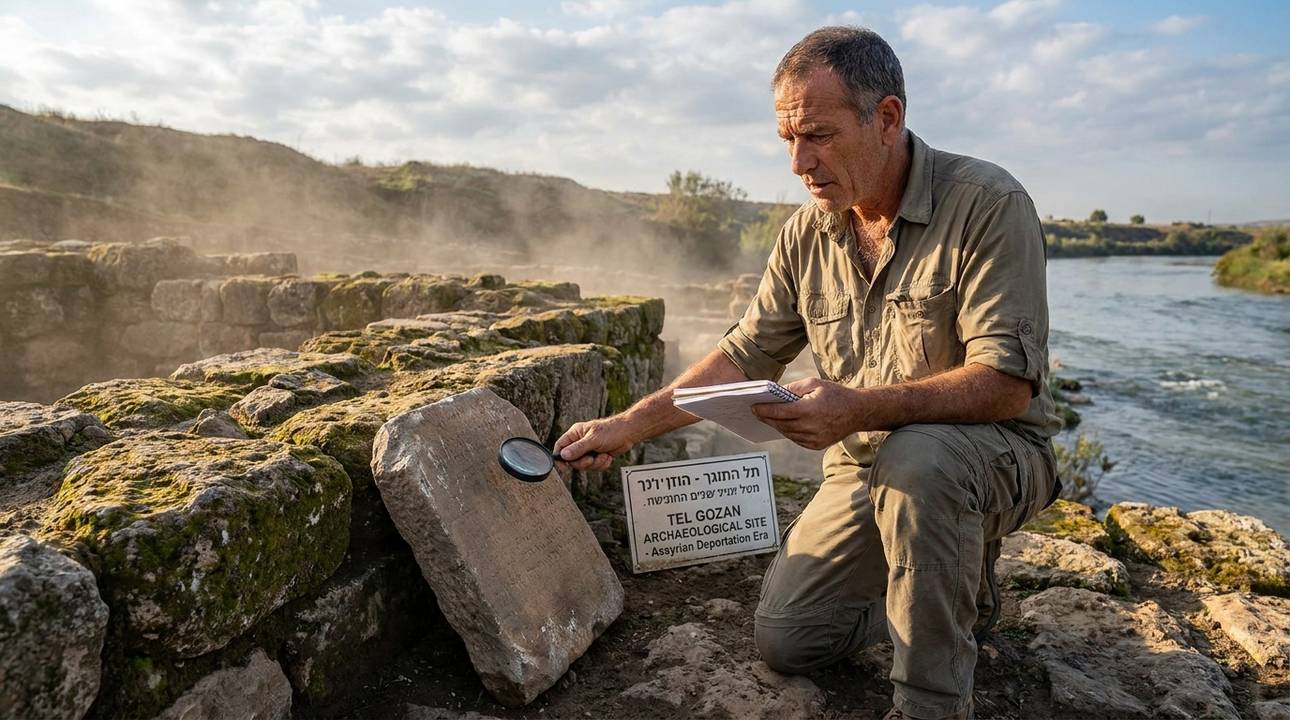
The Assyrian Exile and Gozan’s Role
The Assyrian exile was a pivotal event in history. The deportation of Israelites to locations like Gozan marked the end of Israel’s territorial sovereignty. This exile disrupted traditional communities, scattering them across regions of the Assyrian Empire.
The river Gozan thus became emblematic of this division and displacement, symbolizing the loss and adaptation experienced by the exiled Israelites, who had to navigate new cultural landscapes.
The loss of territorial sovereignty was a significant blow to the Israelites, as it meant the dissolution of their political and social structures. This period of exile forced them to find new ways to preserve their cultural identity. The narrative of this river serves as a sign of their ability to adapt in the face of such profound challenges.
Assyrian records suggest that deportation served to integrate conquered peoples into the empire, diminishing their national identities. The placement of exiles in places like Gozan was strategic, aimed at preventing uprisings by dispersing them away from their homeland.
This historical context illuminates the practical reasons behind the mentions of Gozan, highlighting the empire’s influence.
The Assyrian Empire, under rulers like Shalmaneser V, used deportation as a tool for control and assimilation. By relocating populations, they disrupted traditional social structures, making it difficult for the exiled to organize resistance.
This method is documented in Assyrian annals and aligns with the historical narrative, providing a clearer understanding of the empire’s strategies during the 8th century BCE.

Geographical Identity of Gozan
The exact geographical identity of this river has been a topic of scholarly research and debate. Some scholars link it to the region around the Khabur River, a tributary of the Euphrates in modern-day Syria. This connection aligns with historical accounts of Assyrian annexations.
The Khabur River, known in ancient texts, played a significant role during the reign of Tiglath-Pileser III, an Assyrian king who expanded the empire’s territories in the 8th century BCE.
The river’s possible alignment with the Khabur supports its role within the Assyrian Empire’s geographical framework, providing a clearer picture of the narratives. The Assyrians were known for their sophisticated irrigation systems, which would have included rivers like the Khabur.
This infrastructure not only supported agriculture but also facilitated the movement of troops and goods, underscoring the strategic importance of the region.
Using historical and geographical analysis, researchers aim to clarify this river’s ancient identity. Archaeological findings, such as Assyrian cuneiform tablets, provide insights into the region’s significance.
Comparing descriptions with historical records from the Assyrian Empire helps pinpoint the river’s location. These efforts enhance our understanding of the Assyrian exile and narratives, offering a clearer picture of the events described.
The cuneiform tablets discovered in the region often contain records of trade, agriculture, and administrative activities, shedding light on the daily life and governance during the Assyrian period.
These documents complement the narrative, providing a more comprehensive view of the historical and cultural dynamics in the region surrounding this river.
from the Western Wall to Masada.

Cultural Role of the Gozan River
Culturally, this river represents more than a simple location-it embodies the challenges of exile and the persistence of the Jewish people. Its mentions remind readers of the resilience needed to maintain identity across dispersed communities.
For many, it evokes deep emotional connections to historical survival and cultural continuity, highlighting the enduring spirit of those who lived through these transformative times in history.
The stories associated with this river are not just historical accounts but also serve as powerful symbols of perseverance. They remind us of the importance of cultural and spiritual continuity, even when faced with adversity. These narratives is still remembered, offering lessons on the strength and resilience required to uphold one’s identity amidst changing circumstances.
Stories that include this river allow contemporary readers to reflect on themes of displacement and redemption. The forced movement of the Israelites highlights the challenges they faced.
These narratives emphasize the importance of preserving culture and identity, even in adversity. The river serves as a reminder of the steadfast spirit present in these journeys, illustrating the endurance of the Jewish people throughout history.
The accounts of this river also highlight the theme of redemption, as the exiled Israelites eventually found ways to rebuild their communities and maintain their traditions. This process of renewal and adaptation is a sign of their enduring determination, offering valuable insights for readers today on overcoming challenges and preserving one’s heritage.
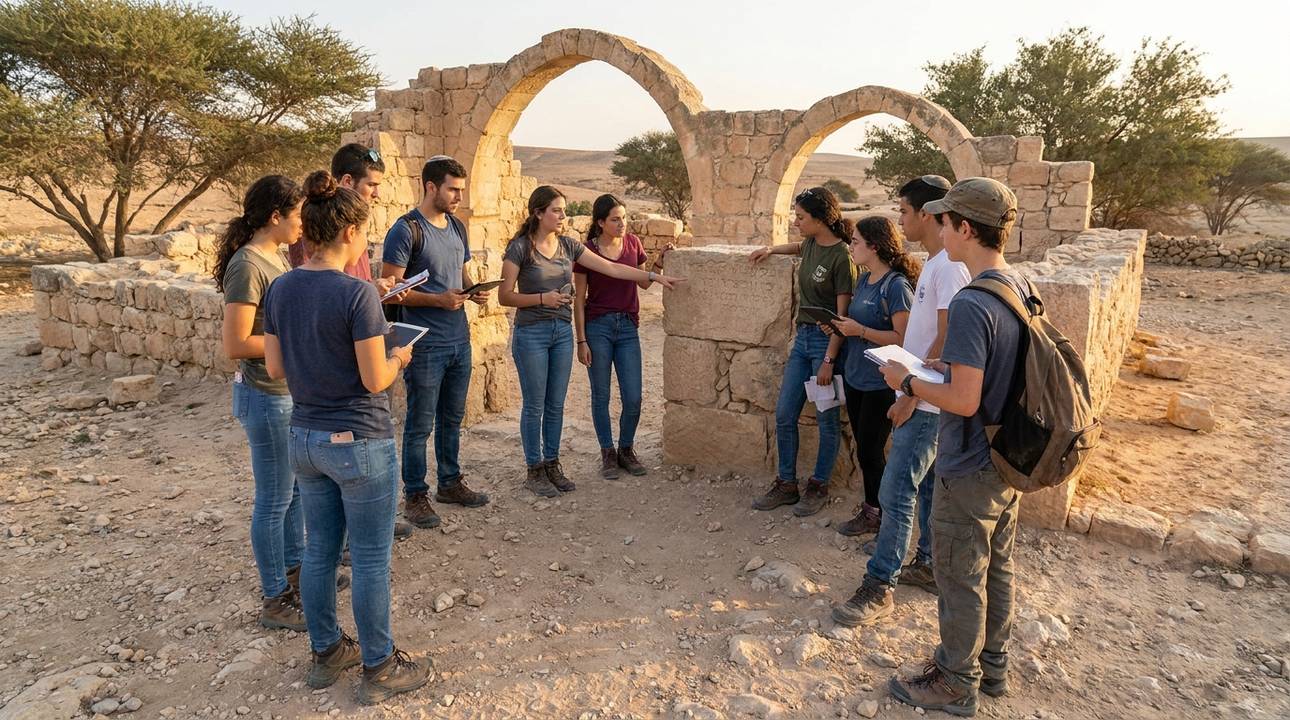
Current Understanding of the Gozan Region
Today, the area is linked primarily with the Khabur River in the context of archaeological and historical studies. This identification is supported by historical texts and modern geographical research.
Modern-day recognition of the region integrates history with contemporary geography. This link helps illuminate Assyrian influence and enriches the historical understanding of the texts, providing a tangible connection to the past and its narratives.
The integration of historical and geographical data allows scholars to reconstruct the ancient landscapes described. This process not only enhances our understanding of events but also connects them to the broader historical context of the ancient Near East.
By aligning this river with the Khabur, researchers can better appreciate the complexities of Assyrian administrative practices.
Researchers continue to study the area to unearth more insights about its past. Excavations in the Khabur River region have revealed artifacts that date back to the Assyrian period.
This exploration aids in connecting the ancient with the present, bringing depth to our knowledge of historical locations. Aligning the river with modern geographical data provides clarity for scholars and enthusiasts alike, enhancing our comprehension of these historical events.
Archaeological findings, such as pottery and inscriptions, offer glimpses into the lives of those who lived in the region during the Assyrian Empire. These discoveries help paint a picture of daily life and the cultural exchanges that occurred along the river.
Such insights enrich our understanding of the historical context surrounding the mentions of this river, providing tangible connections to the narratives.
Summary and Reflection
This river travels through time, from a physical location within the Assyrian Empire to a symbol of resilience in history. It emphasizes the struggles overcome during exile and the enduring connection of a people to their heritage. This river’s story is still remembered as a reflection on identity and the preservation of cultural roots, reminding us of the determination needed to maintain identity across dispersed communities.
The narrative of this river in texts serves as a poignant reminder of the Jewish people’s resilience. The exile forced them to adapt to new environments while holding onto their traditions and beliefs.
This theme of perseverance is echoed in other stories, illustrating a recurring struggle to maintain cultural identity amidst adversity.
Historical and Geographical Context
