
Discovering the Ancient Wonders of Mount Bashan


Mount Bashan is a region with a deep historical background. Known for its fertile lands, it was once ruled by formidable leaders. Its strategic importance is highlighted in historical records, marking it as a key location in ancient conquests. This article explores its historical roots and significance, emphasizing Bashan’s influence on regional history.
Bashan’s geographical position made it a critical point for trade and military activities throughout history. Its fertile lands and resources attracted various civilizations, each seeking control over this valuable territory. Historical accounts highlight its role as a center of agriculture and power in the ancient world.
from the Western Wall to Masada.

What Is Mount Bashan?
Mount Bashan is part of what is now known as the Golan Heights. Known for its lush landscapes, Bashan’s fertile lands are mentioned in historical texts as a symbol of prosperity. This area was renowned for its agricultural productivity. Its rich lands made it a sought-after area, attracting various groups, including the Israelites, who aimed to harness its resources.
The Golan Heights, where Mount Bashan is situated, has long been significant. Its high elevation and fertile soil have made it a valuable area. Throughout history, Bashan has been a meeting point for different cultures and empires, each leaving a mark on the land.
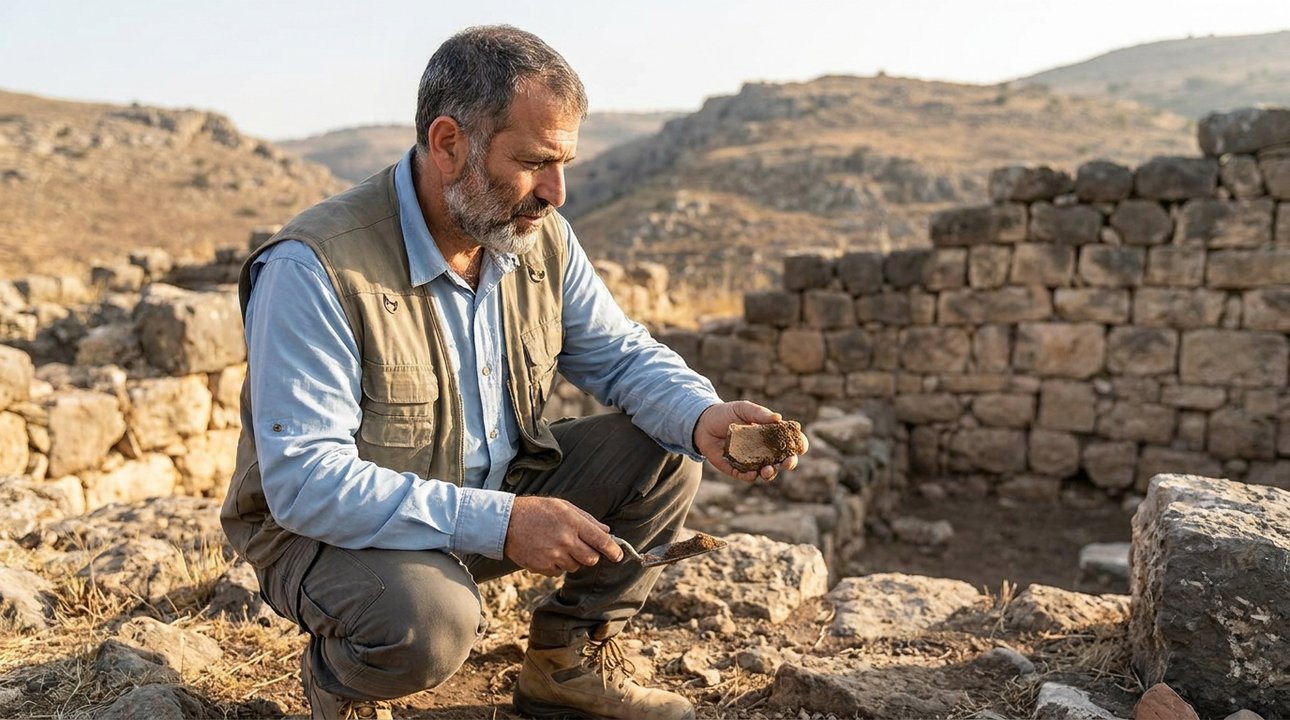
In historical texts, Bashan is often linked with figures like King Og, known for his size and strength. King Og’s reign is noted in historical accounts, where his iron bed is described, symbolizing his stature. The area serves as a backdrop for significant events, such as the Israelites’ conquest of Bashan, recorded in ancient texts.
Historical References to Bashan
Bashan is mentioned in contexts of power and fertility. Described as a land of rich pastures, it was crucial for the tribes. In historical texts, Bashan’s bulls are used metaphorically to describe strength and abundance. The area’s fertile lands were ideal for agriculture and livestock. Historical accounts recount the conquest of Bashan, emphasizing its significance in territorial expansion.
Bashan’s fertile pastures provided sustenance and played a crucial role in survival. The region’s abundance is a recurring theme in historical texts, highlighting its importance in the ancient world. The conquest of Bashan marked a significant achievement, as it secured a vital area for growing nations.
Bashan is often portrayed as a region of giants, with King Og being one of its most famous residents. King Og is mentioned in historical accounts, where his iron bed is described, emphasizing his enormous size. This depiction of giants in Bashan adds a mythical dimension to its history. The mention of giants underscores the challenges faced during conquests.
The association with giants like King Og has captured the imagination of many, contributing to Bashan’s legendary status. Historical accounts of battles against giants serve as powerful narratives of triumph and perseverance. These tales have been passed down through generations, enriching the cultural and historical mix of Bashan.
Geography and Climate
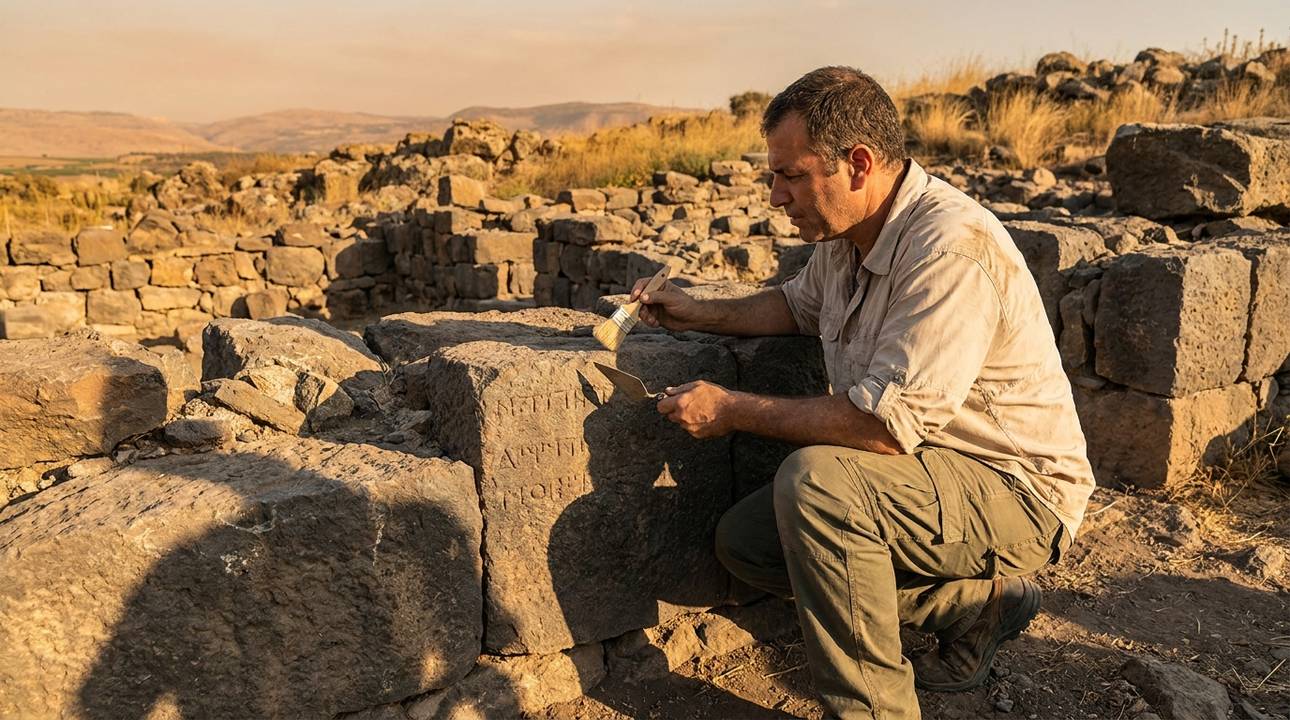
Today, Bashan aligns with part of the Golan Heights, a region characterized by its rolling hills and fertile soil. The area is known for its vineyards and orchards, thriving due to the rich volcanic soil. Its geography has long been considered advantageous for agriculture and strategic holdings. Historically, control of Bashan meant access to vital resources and trade routes, making it a coveted territory.
The Golan Heights, where Bashan is located, remains a region of importance. Its fertile lands support a variety of crops, contributing to the local economy. The history of Bashan as a center of agriculture and trade is reflected in its modern-day prosperity. The region’s rich soil and favorable climate continue to make it a valuable asset.
The climate in Bashan supports diverse flora and fauna, contributing to its historical image as a bountiful land. Historical texts often refer to its lush pastures. The region’s fertile soil and abundant rainfall have historically supported rich agricultural production. This fertility is frequently highlighted in historical descriptions as a sign of its abundance.
Bashan’s natural wealth also supported a variety of livestock, including cattle and sheep, which are mentioned in several historical texts. The prosperity of Bashan’s pastures is echoed in historical records, where the strength of the bulls of Bashan is used metaphorically. The agricultural abundance of Bashan contributed to its reputation as a land of plenty.

Mount Bashan in Jewish Tradition
In Jewish tradition, Mount Bashan is often seen as a place of cultural significance. This perception is partly due to its lush landscapes and the legends surrounding King Og, who is considered a giant in historical lore. King Og’s battles are recounted in ancient records. Associations with King Og add layers of myth and legend to its narrative, enriching Jewish cultural ties.
from the Western Wall to Masada.
The legends of Bashan, with its giants and lush landscapes, have left a lasting impression on Jewish culture. The region’s natural beauty and mythical associations make it a place of wonder. The tales of King Og and the giants of Bashan serve as powerful symbols of strength and resilience.
Literature and folklore often evoke Bashan to illustrate themes of strength and prosperity. In historical texts, Bashan is frequently mentioned as a land of fertility and abundance, where its cities are described as fortified and prosperous. The region’s association with mighty oaks and cattle further underscores its reputation as a land of great natural wealth and resources.
Historical descriptions of Bashan as a land of abundance have resonated through the ages, inspiring stories and songs. The region’s fertility and strength are celebrated in various cultural expressions, highlighting its importance. Bashan’s reputation as a land of plenty has made it a powerful symbol in literature and folklore.
Archaeological Insights
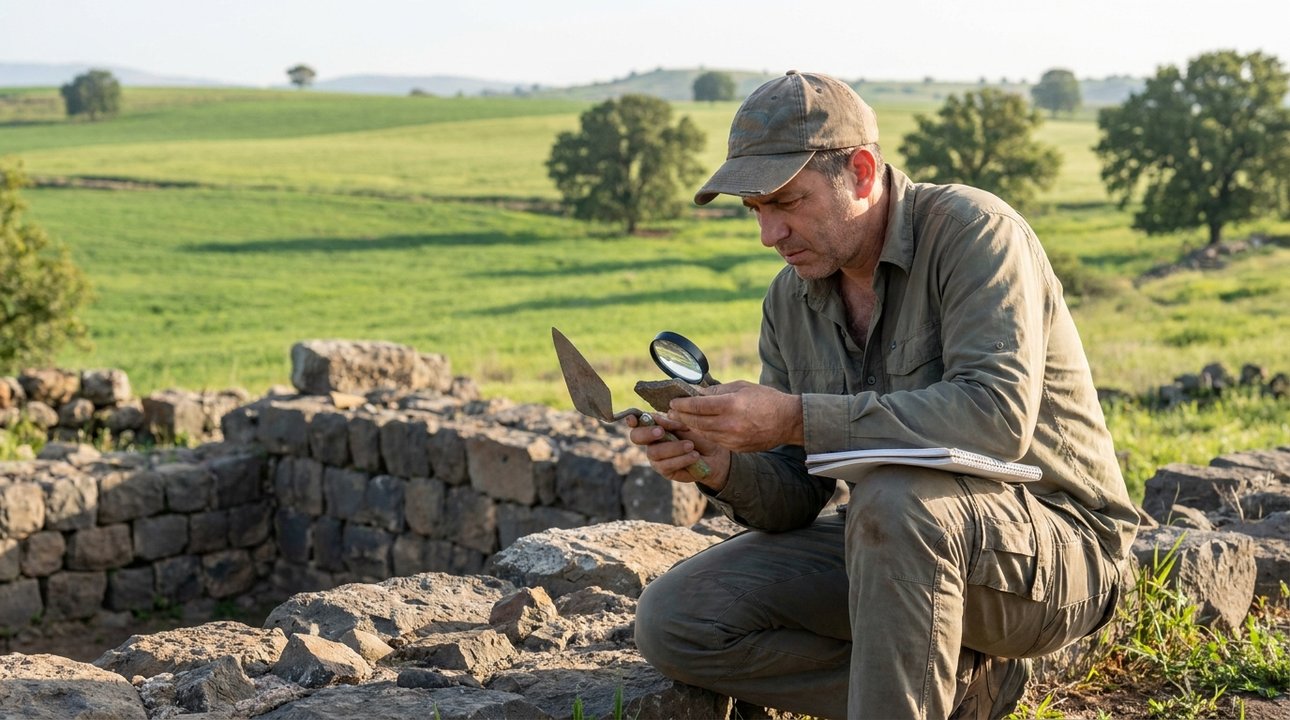
Archaeological findings in the region of Bashan have revealed remnants of ancient cities and fortifications. Sites such as the city of Edrei provide evidence of its historical urban centers. Edrei was one of the cities where significant battles took place, as described in historical accounts. These discoveries provide tangible evidence of Bashan’s historical prominence.
The strategic location of Bashan, near major trade routes, made it a desirable area for various empires, including the Assyrians and Babylonians. The presence of fortifications indicates that these cities were prepared for conflict, reflecting the turbulent history of the region. The archaeological evidence, including pottery and inscriptions, provides insights into the daily lives of its inhabitants.
Artifacts from this region point to a society engaged in agriculture and trade, aligning with historical descriptions. Pottery and tools found in Bashan reveal a sophisticated culture with connections to neighboring regions. These artifacts date back to the Bronze Age, providing a glimpse into the daily lives of its inhabitants.
The archaeological discoveries in Bashan highlight the region’s role as a hub of commerce and culture. The artifacts found here reflect the diverse influences that shaped Bashan’s society, from Mesopotamian to Egyptian. These findings underscore the interconnectedness of ancient societies and Bashan’s place within this network.
Bashan’s Influence in Modern Times
Today, Bashan’s geographic location continues to influence its role in regional history. It is part of the Golan Heights, an area of strategic importance due to its elevation and fertile land. This elevation offers a vantage point, making it historically significant. Its name carries connotations of historical richness and centrality in many narratives.
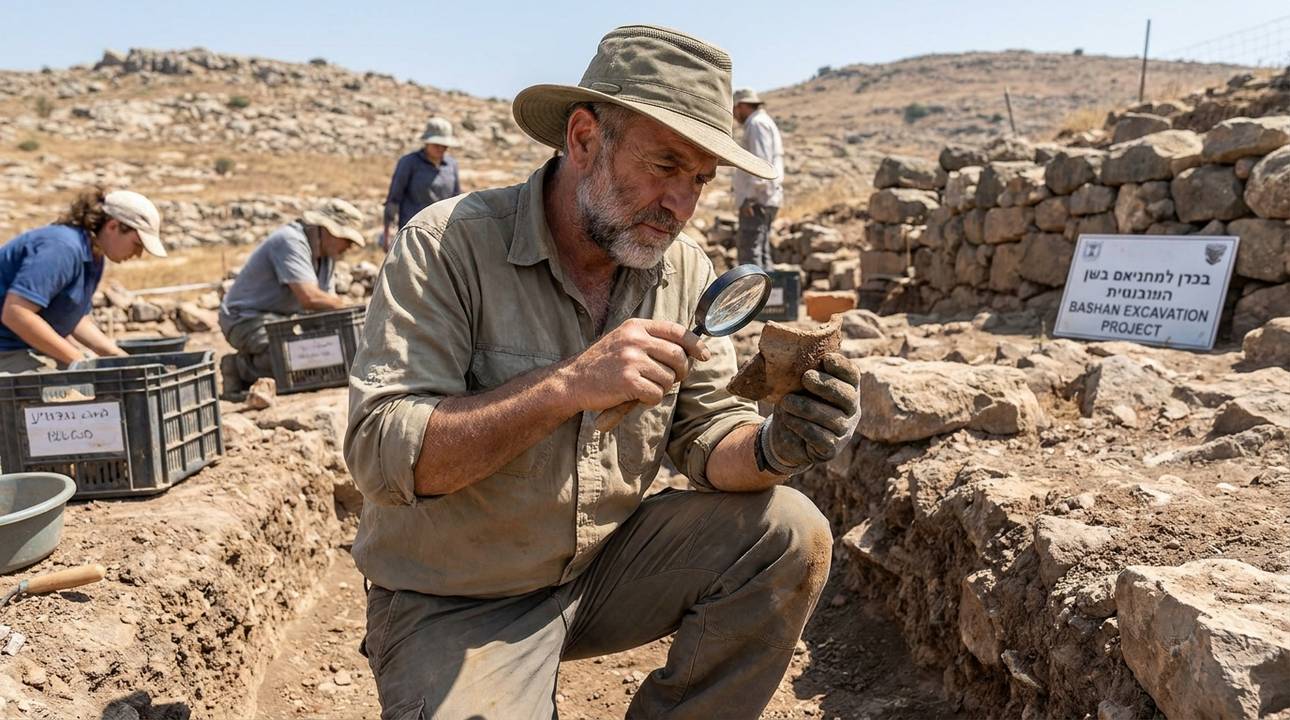
Modern understanding of Bashan is enhanced by ongoing archaeological and historical research. Excavations have uncovered artifacts dating back to the Bronze Age, showing the lives of its ancient inhabitants. These findings include tools, pottery, and inscriptions that shed light on the region’s history. These efforts aim to preserve its legacy and inform current cultural contexts.
The ongoing research in Bashan not only uncovers the past but also enriches our understanding of the present. The artifacts and historical records found here help paint a picture of a society that thrived in this fertile region. As scholars piece together Bashan’s history, they reveal the complex mix of life in the ancient Near East.
Mount Bashan Explained
