
Exploring Anatot in History and Today


Anatot has a special place in history as a town with significant past narratives. Known for its history, Anatot is mentioned in several narratives, where it is described as part of the tribal lands of Benjamin. This setting serves as a backdrop to some pivotal moments in history. Today, Anatot continues to capture interest for its historical legacy. Archaeological findings in the area, such as ancient pottery and tools, offer a glimpse into its past, enriching our understanding of its role in historical events.
What Is Anatot?
Anatot is first introduced as a land allocated to the tribe of Benjamin. It is famously known for its important role in historical narratives.
As a Levitical city, Anatot held religious and administrative importance, serving as a refuge for Levites who performed religious duties.
The city’s mention highlights its central role in history, providing a backdrop for significant teachings.
from the Western Wall to Masada.
Anatot in Jeremiah’s Life
Jeremiah, a significant historical figure, hailed from Anatot, a town in the land of Benjamin. His teachings are integral to Jewish thought and tradition, offering messages of hope and reflection.
His lineage and hometown are introduced, emphasizing his roots in Anatot. This makes the town a critical point of interest in understanding Jeremiah’s life and work, providing context to his teachings and the challenges he faced during his mission to deliver messages.
His connection to Anatot underscores the importance of place in shaping influential voices.
History of Anatot
Beyond its historical references, Anatot had considerable influence as a Levitical city. It served as a place of refuge and played a role in religious activities, where it is listed among the cities given to the Levites.
The town’s location in Benjamin’s territory positioned it strategically, offering a vantage point for both defense and administration.
This adds another layer of importance to its narratives, highlighting its multifaceted role in Israel’s history and its contribution to the cultural landscape.
Anatot in Modern Times
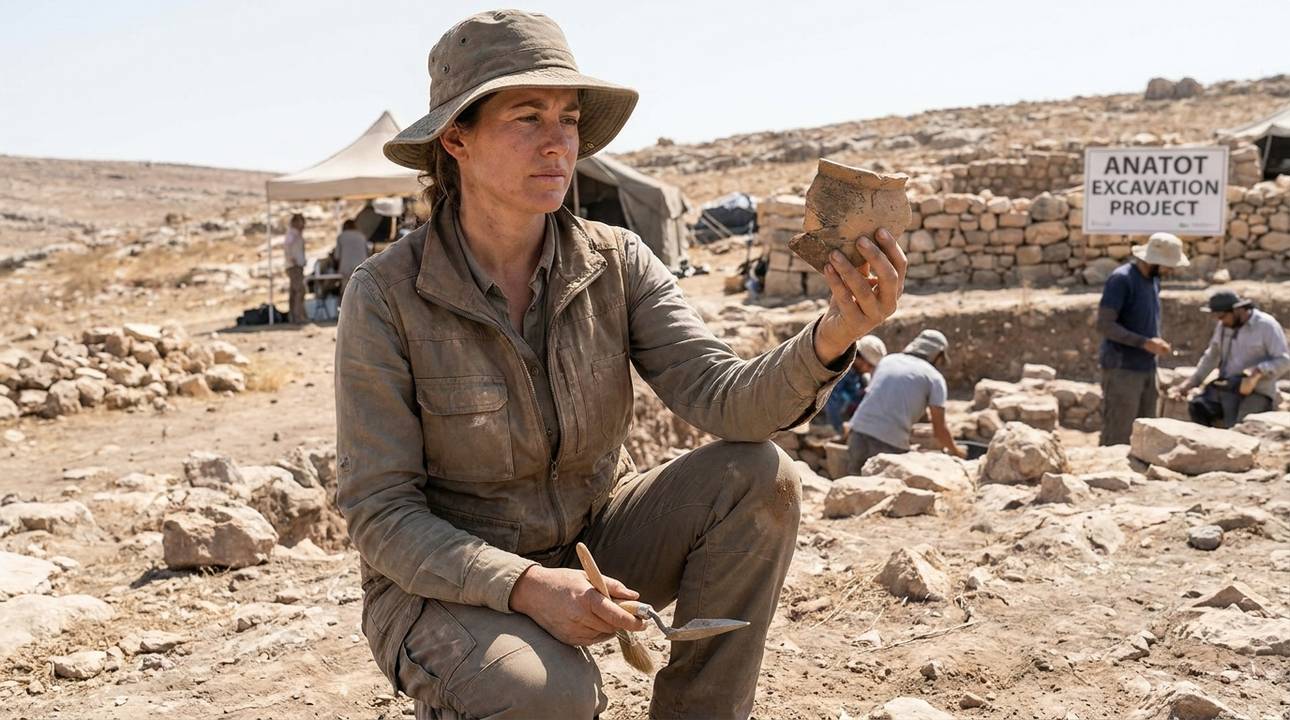
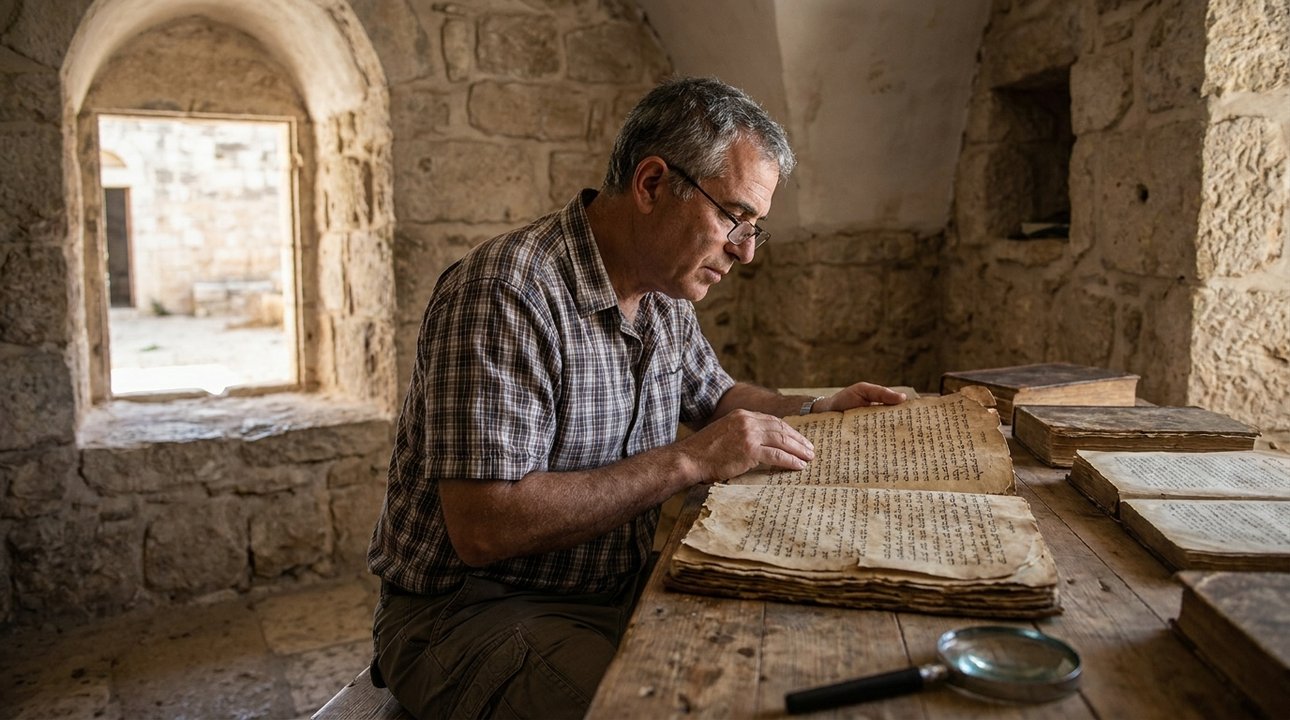
Today, Anatot’s legacy continues, retaining its history. While its historical aura still commands attention, it is now a part of broader historical and archaeological interests. Excavations in the region have uncovered artifacts such as pottery shards and ancient inscriptions, providing insights into the daily lives of its ancient inhabitants. The study of Anatot provides insights into the life and times of historical figures, enriching our understanding of history.
Archaeology and Discoveries in Anatot
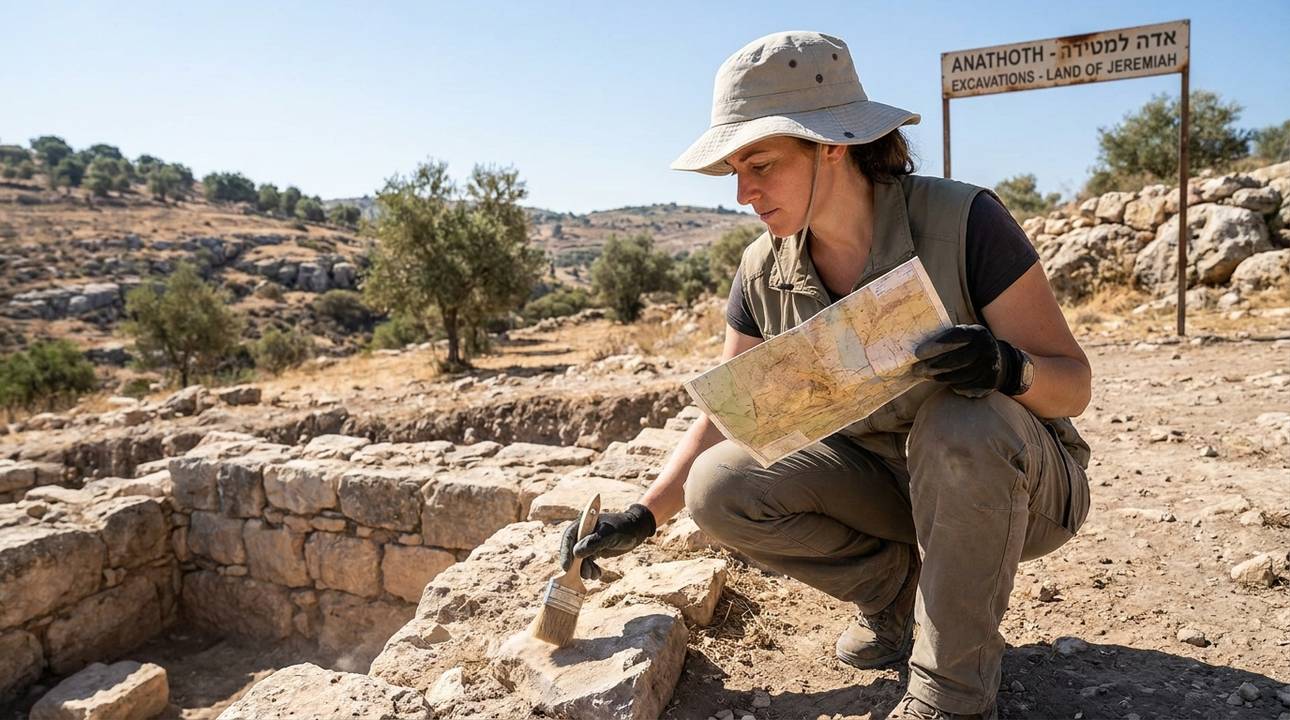
Archaeological endeavors in Anatot have uncovered remnants from various historical periods, including the Iron Age and the time of the Kingdom of Judah. These findings provide valuable context into the town’s role throughout history, revealing layers of occupation and cultural development. Artifacts and structures hint at its religious and cultural role, such as pottery and tools used in daily life and worship. Anatot continues to offer a rich source of historical exploration, contributing to our understanding of ancient society.
from the Western Wall to Masada.
The Name Anatot in Tradition
The name ‘Anatot’ carries with it a tradition of heritage and legacy, established in history. It is mentioned as a city in the territory of Benjamin, providing a backdrop for significant events and figures. It stands as a symbol of messages and callings, particularly through historical figures who hailed from this town. In Jewish tradition, names often reflect deeper meanings and symbolism, and Anatot is no exception. Its name resonates with themes of mission and legacy, echoing the calls of figures who have shaped Jewish thought and tradition throughout history.
Anatot’s Place in Prophetic Literature
In literature, Anatot is more than just a backdrop—it contributes to major themes of redemption and purpose. This town is part of stories that underscore messages of hope and restoration. Influential figures often used their hometown as a context for their messages, grounding their teachings in familiar surroundings. Anatot hosts such narratives, integral to its presence, and serves as a sign of the legacy of influential voices. The town’s role in these stories highlights its significance.
The Influence of Anatot on Religious Thought
Anatot’s significance has influenced thought and interpretations, especially concerning the role of figures in historical contexts. It offers insights into traditions, highlighting the importance of place in shaping messages. The town’s story is etched in texts, deepening its importance. Its presence in references strengthens its role in discourse, making it a focal point for understanding the interplay between geography and message. Anatot’s legacy is still remembered by those studying history and tradition.
Cultural Memory and Anatot
The town of Anatot holds a place in cultural memory beyond its physical boundaries. Located in the territory of Benjamin, Anatot is mentioned as a Levitical city. Its stories are part of larger narratives that capture the essence of history.
Anatot is remembered for its historical connection to traditions, particularly as the hometown of significant figures. This continuity helps maintain its role as a historical and cultural landmark, bridging the ancient past with contemporary Jewish identity.
Understanding Anatot
