
Understanding the Significance of Migdal Eder


Migdal Eder, which translates to ‘Tower of the Flock,’ is referenced in historical texts. This location is traditionally associated with the area near Bethlehem, a significant region in the past.
Scholars and archaeologists have focused on this site to understand its historical and cultural relevance through detailed maps and archaeological findings. The name itself suggests a place of oversight and protection, likely used by shepherds to watch over their flocks.
What Is Migdal Eder?
Migdal Eder, meaning ‘Tower of the Flock,’ is mentioned in historical texts as a location near Bethlehem. This site is traditionally associated with shepherds and their flocks, providing a pastoral setting that reflects the agrarian lifestyle of the past. Scholars often connect it to significant events, showing the pastoral life and the importance of shepherding in cultural heritage. The mention suggests a place of oversight and protection, crucial for shepherds managing their flocks.
from the Western Wall to Masada.

The identification of Migdal Eder is key to understanding its role in cultural heritage. As historical figures journeyed past this site, it became a symbol of transition and continuity in narratives.
This location, therefore, holds a special place in the cultural memory, representing both a physical and symbolic landmark. The pastoral scenes often include such towers, emphasizing the vigilance and care required in shepherding.
Beyond its immediate cultural role, Migdal Eder symbolizes pastoral care and guidance in historical narratives. Its mention recalls a shepherd’s watchful presence over the flock, adding layers to its historical depth. This location is often associated with historical journeys, marking poignant moments. Exploring its geographical ties enhances our appreciation of its place in tradition, showing the nomadic lifestyle of ancient shepherds.
The association with historical figures provides a personal connection to the past, highlighting the importance of family and legacy. As journeys continued, Migdal Eder served as a reminder of the responsibilities and challenges faced by those who tended to their flocks.
By understanding these connections, we gain a deeper appreciation for the narratives that have shaped identity and the enduring values of care and protection.

Where Is Migdal Eder Located?
Migdal Eder’s historical location is generally accepted to be near Bethlehem, within the greater region of Judea. The exact spot is subject to scholarly debate, yet it holds a place in the land’s pastoral history.
Maps provide a visual interpretation of where it might have stood, illustrating its historical connections and significance. This area, rich with historical narratives, offers a glimpse into the landscapes that shaped the stories of figures like those described in ancient texts.
The geographical context of Migdal Eder reveals the strategic importance of such sites in historical times. Investigating its potential location allows scholars to piece together the routes and paths taken by historical figures, providing a clearer picture of their journeys.
These insights not only enhance our understanding of the past but also highlight the interconnectedness of narratives and the land they unfolded in.
Exploring ancient maps reveals how Migdal Eder fits into the broader topography of historical Israel. This enriches our understanding of the land’s geography and the lifestyle it sustained, linking past and present.
Participants in this exploration can appreciate the ancient landscapes that shaped narratives. Such studies reveal the interconnectedness of various historical sites, offering a comprehensive view of the historical and cultural context in which these stories unfolded.
The geographical context provided by these maps allows us to visualize the journey of historical figures, enhancing our understanding of their experiences. By situating Migdal Eder within the landscape of Judea, we can better appreciate the challenges and triumphs of those who traversed these lands. This exploration not only deepens our connection to the past but also highlights the importance of these historical locations.
Historical Context and Significance
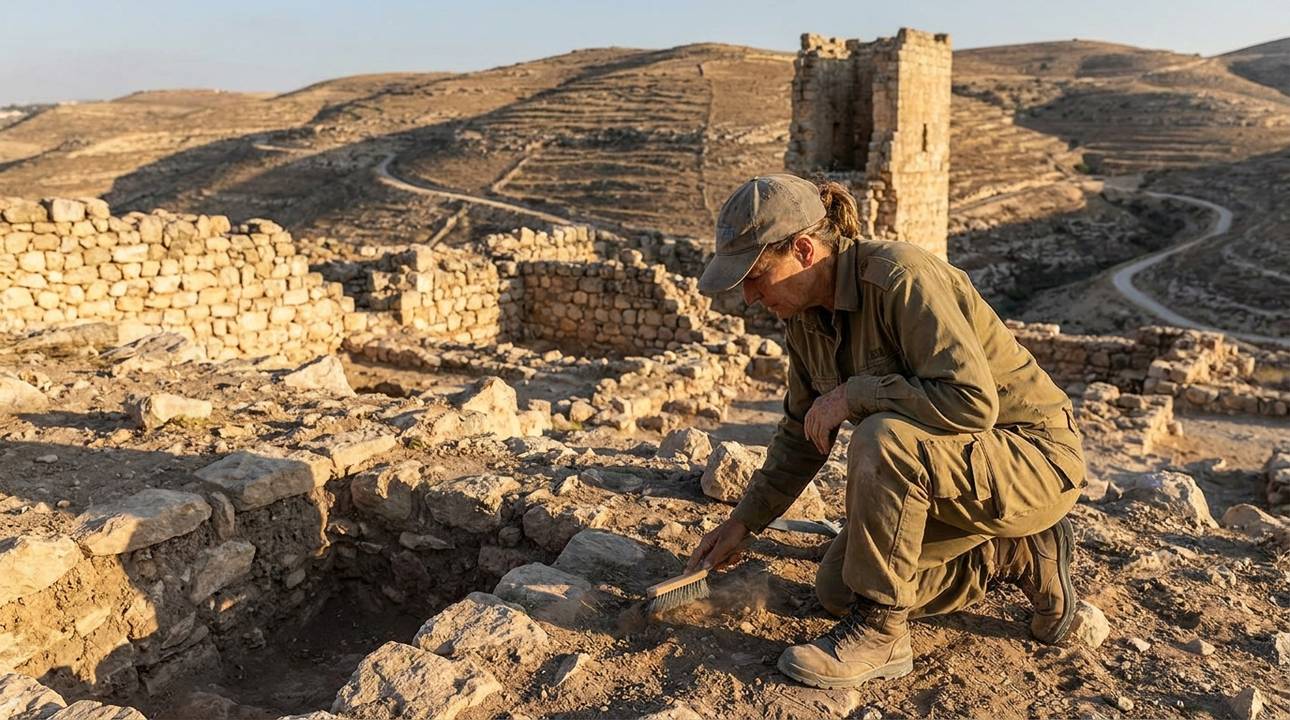
Migdal Eder is first mentioned as a landmark and pastoral setting. These sites were crucial in ancient communities for the management and care of flocks.
The term ‘tower’ implies a lookout or protective structure, suggesting a place of oversight, both in practical and symbolic terms. Such locations were essential for shepherds, providing a vantage point to watch over their animals.
This dual role highlights the significance of Migdal Eder in the daily lives of those who depended on livestock.
The protective function of Migdal Eder underscores its importance in the pastoral economy of the past. By serving as a watchtower, it ensured the safety and well-being of the flocks, which were vital to the livelihood of the community.
This role as a guardian and overseer reflects broader themes of care and responsibility that are central to many narratives, offering a model for leadership and stewardship.
Understanding Migdal Eder as part of historical life connects it to broader themes of shepherding and care, which are central to history.
This location is linked to stories of watchfulness and leadership, as seen in the narratives of historical figures who were shepherds before becoming leaders. This connection broadens our appreciation of pastoral themes found in historical texts.
Such stories emphasize the importance of vigilance and responsibility, values that continue to resonate within tradition.
Archaeological Discoveries and Theories
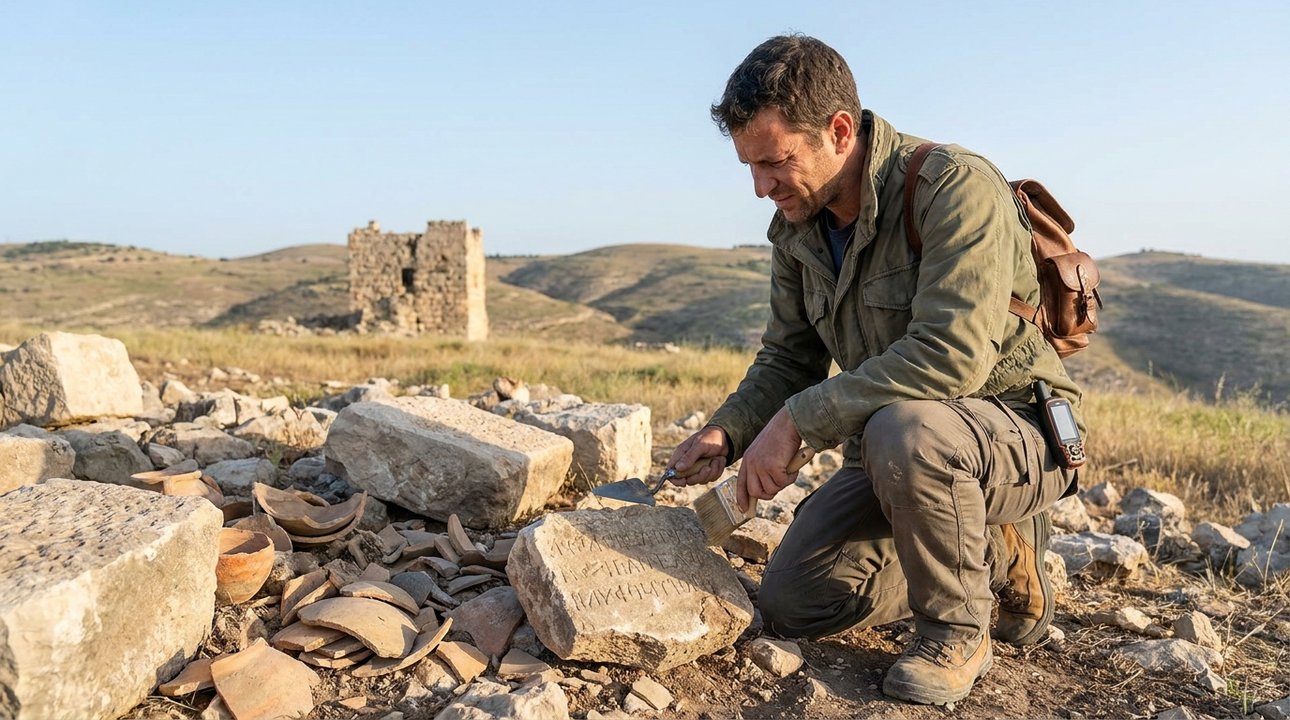
While no definitive archaeological evidence for Migdal Eder exists, the search continues with fervor. Scholars consider textual clues when hypothesizing its location and significance.
These theories are based largely on geographical and historical records, offering a framework for understanding its potential role in the past.
Though unverified, these ideas contribute to our understanding of the historical context, guiding researchers in their quest for historical accuracy.
The mention provides a starting point for these explorations, as it describes historical journeys past this landmark. This reference is crucial for scholars attempting to piece together the geographical puzzle of the past.
Examining the surrounding landscape and historical texts, researchers hope to uncover more about the daily life and practices at Migdal Eder. Such efforts are vital for painting a fuller picture of the historical world.
Archaeological pursuits in Judea have uncovered artifacts that shed light on ancient life, including pottery and tools, which help researchers draw parallels with other historical sites. These findings allow for educated guesses about the daily life and practices at Migdal Eder.
This location continues to be a compelling subject for those interested in history, inspiring intrigue and deepening our understanding of the narratives that have shaped heritage and identity.
from the Western Wall to Masada.
The discoveries made in the region provide valuable insights into the material culture of the past, offering a glimpse into the lives of those who inhabited these lands. Analyzing these artifacts, scholars can reconstruct the daily activities and practices of historical communities. This ongoing research not only enriches our understanding of the past but also highlights the importance of these historical sites.

Cultural Impact and Interpretation
The cultural portrayal of Migdal Eder extends beyond its geographic roots, influencing religious and cultural narratives. As a site with a rich past, it is often associated with themes of watchfulness and shepherding. This legacy continues to resonate through artistic and cultural expressions, illustrating the deep connection to tradition. The imagery of a shepherd’s tower evokes themes of care and vigilance, which are central to many stories.
The symbolic representation of Migdal Eder as a place of oversight and protection is mirrored in various cultural depictions. Artists and writers have drawn inspiration from this imagery, creating works that emphasize the importance of guidance and stewardship.
These themes are not only relevant in historical contexts but also resonate with contemporary audiences seeking connection to their heritage. Through these expressions, Migdal Eder remains a powerful symbol of care and responsibility.
The allegorical power of Migdal Eder is evident in its depiction of guidance and care, themes that are deeply embedded in Jewish teachings. This metaphorical richness is reflected in various liturgical practices, where it symbolizes watchfulness and protection.
Engaging with these narratives allows one to delve into the layered meanings that are woven into Jewish culture and heritage. Such exploration offers a window into the values that have been passed down through generations, enriching our understanding of these enduring traditions.

Modern Perspective on Migdal Eder
Today, Migdal Eder is a subject of scholarly interest and cultural reflection. Its significance in history makes it a point of curiosity for those exploring ancient texts.
Modern discussions reflect a blend of historical inquiry and cultural contemplation, incorporating learnings from past traditions.
Scholars often examine its role as a landmark, providing a focal point for understanding pastoral life in the past.
The ongoing interest in Migdal Eder highlights the enduring appeal of historical sites and their relevance to contemporary audiences. By studying its historical and cultural role, individuals can gain insights into the values and traditions that have shaped identity over the centuries. This exploration not only deepens our connection to the past but also offers guidance and inspiration for those seeking to understand their heritage.
Reflecting on Migdal Eder’s symbolic meaning offers insights into modern perspectives on guiding principles. This landmark is still remembered for teachings centered around care, watchfulness, and community leadership, echoing the themes found in ancient texts. This ongoing dialogue highlights the impact of historical landmarks in shaping cultural identity. Examining these symbols, individuals can connect with the past while finding relevance in contemporary life, illustrating the timeless nature of these teachings.
The teachings associated with Migdal Eder serve as a source of inspiration for those seeking to uphold the values of care and responsibility. By exploring its historical and cultural role, individuals can gain insights into the principles that have guided Jewish communities over the centuries. These lessons continue to resonate with modern audiences, offering guidance and wisdom for those seeking to connect with their heritage and uphold the principles of care and protection.

Conclusion: Migdal Eder’s Lasting Importance
As a concept, Migdal Eder continues to intrigue those interested in history. Its roots in historical texts offer a framework for understanding pastoral traditions and guiding principles throughout history.
The tower serves as a metaphor for protection and care, linking communities with values that transcend time. This connection to ancient practices enriches our appreciation for the enduring nature of these traditions, which continue to influence contemporary life and thought.
The metaphorical significance of Migdal Eder is reflected in its role as a symbol of leadership and responsibility. Analyzing its historical and cultural context provides insights into the values that have shaped Jewish communities over the centuries. These teachings is still remembered and inform modern life, offering guidance and wisdom for those seeking to connect with their heritage and uphold the principles of care and protection.
Engagement with Migdal Eder invites a deeper appreciation for ancient narratives and their relevance today. By reflecting on its role, individuals can uncover layers of meaning that enhance cultural and spiritual perspectives. Although ancient, this location remains in the collective imagination of those seeking to understand its story. The exploration of such sites offers a unique opportunity to connect with the past, revealing insights that is still remembered and inform modern life.
The stories associated with Migdal Eder provide a mix of themes that resonate with contemporary audiences. By delving into its history, individuals can find parallels with their own experiences, fostering a sense of continuity and connection. This ongoing dialogue between past and present highlights the enduring impact of narratives, offering a source of inspiration and reflection for those seeking to understand their cultural heritage.
Location and Significance
