
Understanding Kir Hareseth in Historical Context
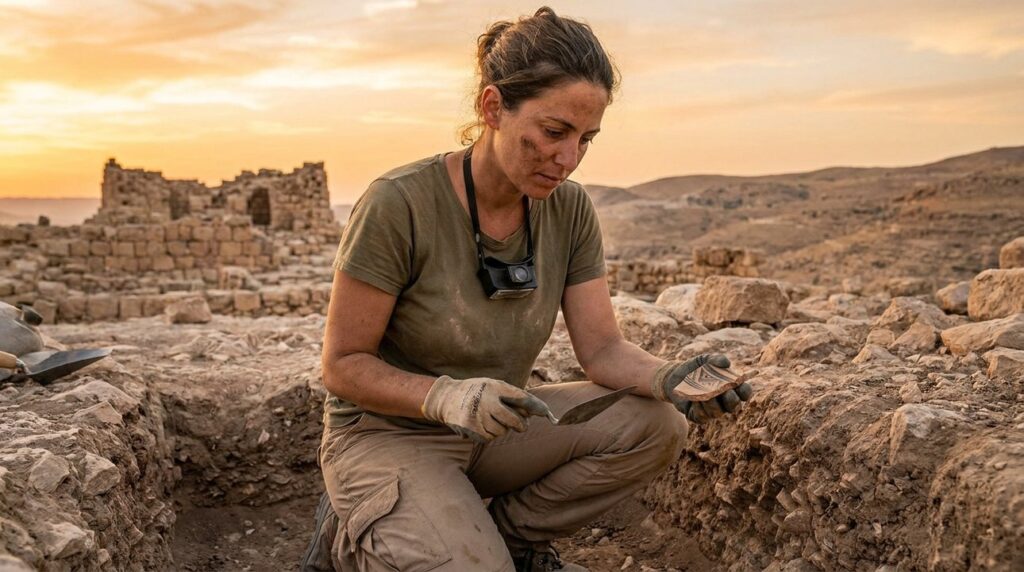

Kir Hareseth, also known as Kir Moab, was a prominent city in the ancient region of Moab. Located in present-day Jordan, this city served as a significant cultural and military center in the kingdom of Moab.
Its mention in the prophecies against Moab, such as those found in ancient texts, highlights its importance in historical narratives and its role in the geopolitical landscape of the time.
What Is Kir Hareseth?
Kir Hareseth was an ancient city within the territory of Moab, frequently mentioned in historical records. Known for its formidable walls, it served as a fortress and refuge, holding a strategic position in the highlands.
The city’s significance is well-documented in texts, denoting its importance to the Moabite kingdom. Archaeological findings, such as pottery and inscriptions, continue to shed light on its role and influence, offering a glimpse into the daily lives and governance of its inhabitants.
from the Western Wall to Masada.

Historical Background of Kir Hareseth
This city was a major urban center for the Moabites. Historical references point out that it was an administrative hub, as evidenced by inscriptions and records.
It was the last stronghold of Moab during its conflicts with neighboring regions, such as Israel and Edom. Historical accounts detail a significant battle involving Moab and Israel.
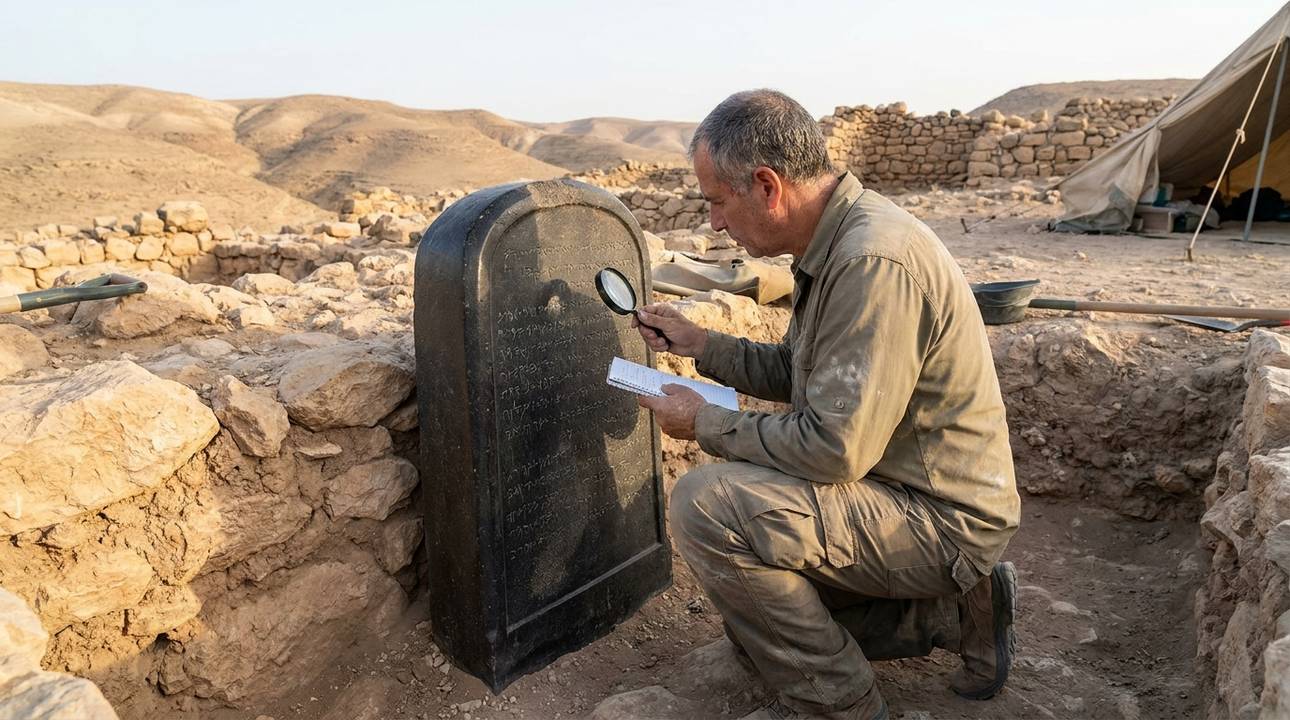
Moabite stone inscriptions provide insights into the governance and daily life there, revealing the administrative structure and political organization of the time.
Inscriptions, such as the Mesha Stele, offer valuable information about Moabite kings and their achievements. The stele commemorates King Mesha’s victories and building projects, providing a glimpse into the political landscape of the time. These records allow historians to gain a deeper understanding of Moab’s political landscape and its interactions with neighboring powers. Kir Hareseth, with its history and archaeological significance, continues to be a focal point for those interested in the ancient Near East.
Kir Hareseth in Historical Texts
The city is prominently mentioned in ancient texts as part of the prophecies against Moab. These texts depict it as one destined for hardship and destruction, painting a vivid picture of its impending doom.
Historical accounts highlight Kir Hareseth’s resistance against external threats, showcasing its strategic importance and resilience.
These texts provide crucial historical context to the city’s role and its political challenges.
Significance of Kir Hareseth in Prophecies
The prophecies concerning Kir Hareseth articulate its future desolation. They vividly describe the lamentation over Moab’s downfall, capturing the sorrow and loss experienced by its people.
These prophecies were meant to illustrate the consequences of Moab’s transgressions, serving as a warning to other nations about the dangers of moral failings. The fall of Kir Hareseth is symbolic of Moab’s decline, reinforcing the message of retribution.
This theme is echoed in ancient texts, where the destruction of Moab is further elaborated, emphasizing the inevitability of its fate. These texts serve as historical records, providing insights into the cultural and beliefs of the time.
These narratives allow us to gain a deeper understanding of the ancient world and the complex interplay between will and human actions, as perceived in historical literature.
The texts serve as a poignant reminder of the impermanence of human power and the moral lessons embedded in history. These narratives offer readers insight into the historical worldview and the importance of justice and morality in ancient societies.
The story of Kir Hareseth’s fall continues to resonate, offering lessons on the consequences of hubris and the enduring power of historical literature. These themes underscore the timeless nature of these moral teachings.
Archaeological Insights
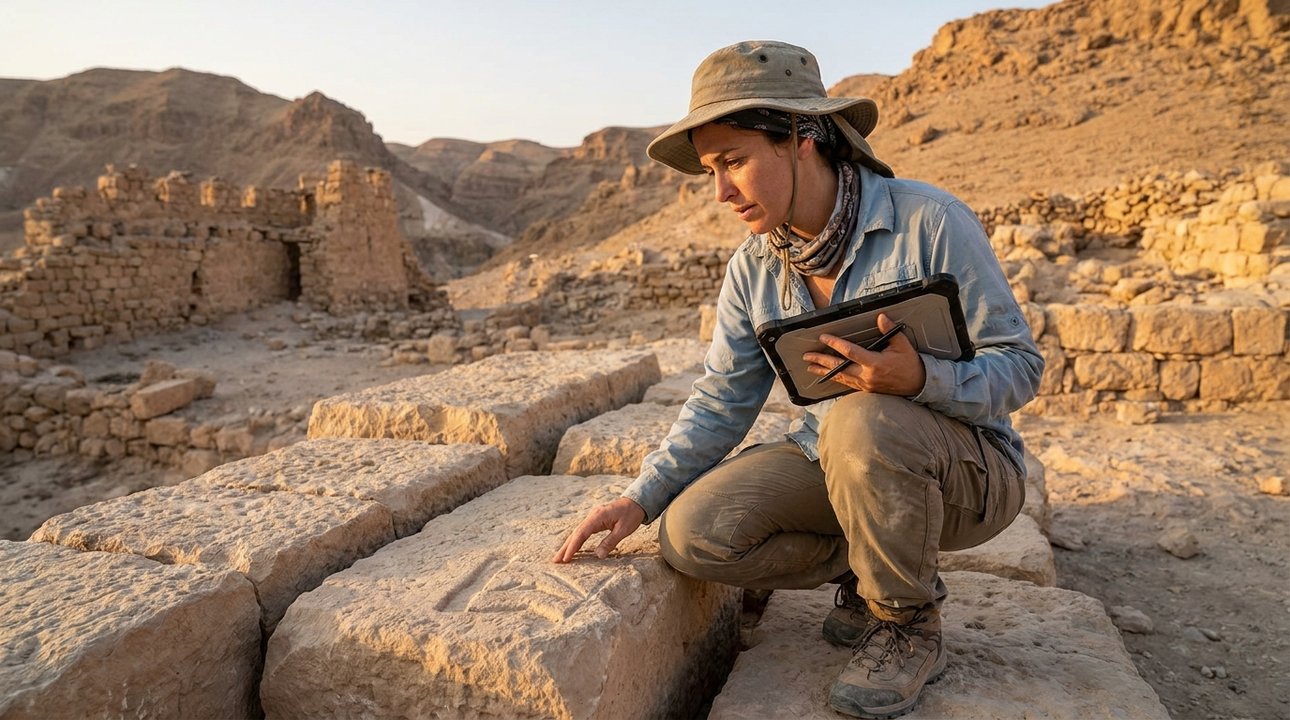
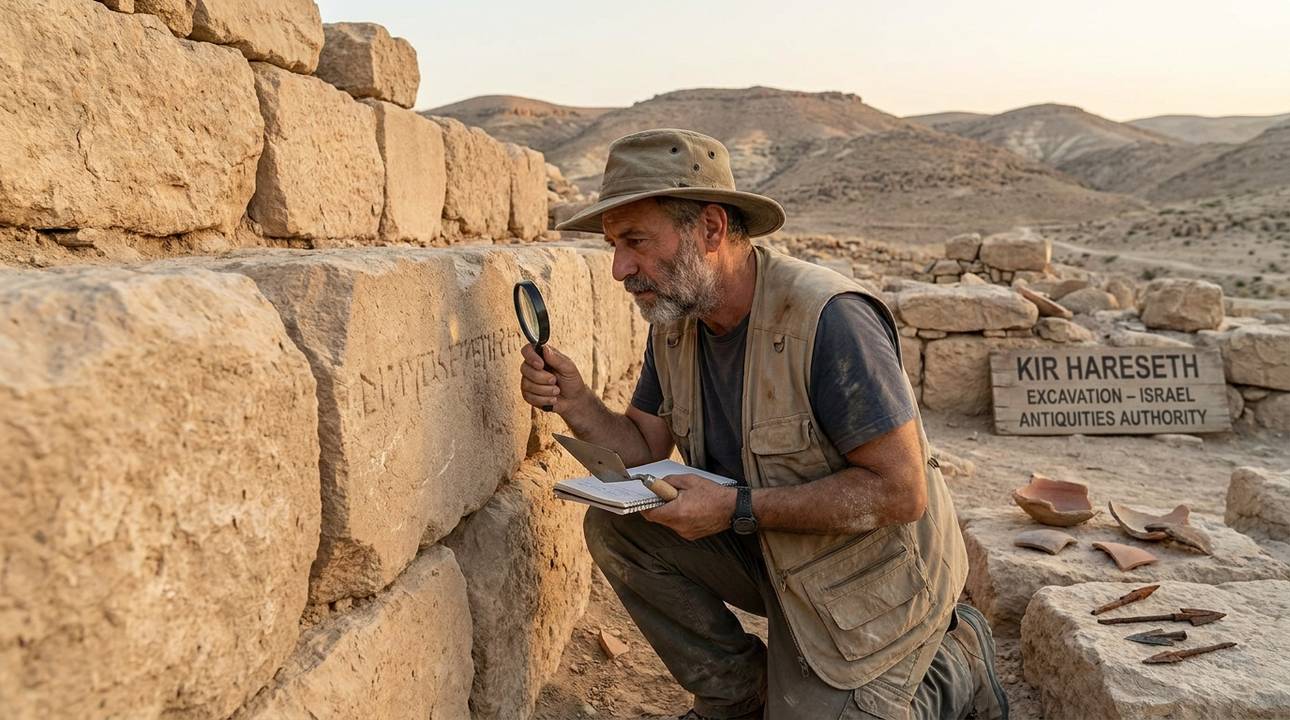
Archaeological excavations have uncovered fortifications and artifacts that point to Kir Hareseth’s strategic importance. The city’s defensive walls, dating back to the Iron Age, highlight its role as a fortified center.
Discoveries such as pottery and tools give clues about the daily life and culture of its inhabitants. Items like storage jars and cooking utensils reveal the domestic aspects of Moabite life.
These findings corroborate historical accounts of the city’s fortifications and status as a Moabite center.
The artifacts found at Kir Hareseth also provide insights into the trade networks and economic activities of the region. Imported goods, such as pottery and metalwork, suggest connections with distant lands, indicating a thriving trade network.
Evidence of trade and commerce underscores the city’s role as a hub of economic activity, further solidifying its importance in the ancient world. These discoveries help archaeologists piece together a more comprehensive picture of life in ancient Moab.
These findings enable researchers to better understand the interactions between Moab and neighboring cultures, shedding light on the economic and cultural exchanges that shaped the region’s history. Artifacts from Kir Hareseth serve as a sign of the city’s significance and its legacy in the study of ancient societies and their interconnectedness.
Kir Hareseth and Its Cultural Impact
As a cultural hub, Kir Hareseth influenced the surrounding regions. Its architectural style and urban planning set examples for neighboring cities, showcasing advanced design techniques that were ahead of their time.
Moab’s artistic expressions, seen in artifacts like pottery and sculptures, highlight its cultural uniqueness and the intricate craftsmanship of the Moabites. These artistic achievements reflect the city’s role as a center of cultural exchange and innovation.
The city’s influence extended beyond architecture, impacting trade and cultural exchanges with nearby regions like Israel and Edom. These interactions facilitated the spread of ideas and technologies, contributing to the cultural richness of the region. Through such exchanges, Kir Hareseth played a vital role in shaping the cultural landscape of the ancient Near East, leaving a legacy that continues to be studied and appreciated today.
from the Western Wall to Masada.
Artifacts from Kir Hareseth reveal a blend of local and foreign influences, indicating a thriving cultural exchange. This is evident in the diverse styles of pottery and metalwork discovered, showcasing the city’s openness to external influences.
The strategic location made it a focal point for interactions between different cultures, enriching its own artistic and cultural heritage. These artifacts provide valuable insights into the evolution of Moabite culture and its interactions with neighboring civilizations.
With these artifacts, researchers can trace the evolution of Moabite culture and its interactions with neighboring civilizations, providing a window into the past. Discoveries at Kir Hareseth offer a tangible connection to the ancient world, allowing us to better understand the complexities of cultural exchange and influence in the region.
Kir Hareseth Today
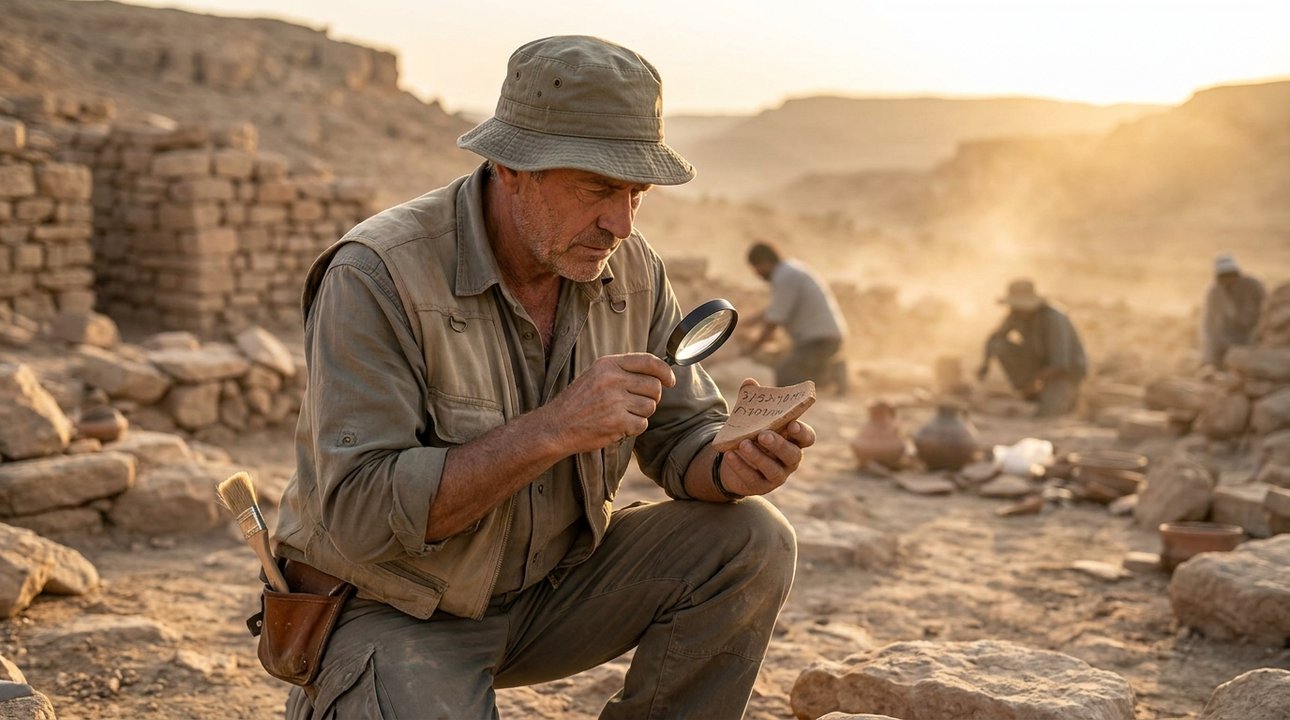
Modern excavations continue to unlock secrets of Kir Hareseth’s past. Archaeologists have uncovered layers of history, revealing insights into its role as a Moabite stronghold and its strategic importance in the region. The site’s ruins are a sign of its history and legacy. Notable finds include remnants of city walls and ancient structures, which speak to its strategic importance and the advanced engineering skills of its builders.
Visitors study the remnants to understand its impact on ancient Moab. Artifacts like pottery and tools provide a glimpse into the daily lives of its inhabitants, showing their customs, beliefs, and economic activities. These discoveries allow us to gain a deeper appreciation for the complexity and richness of Moabite culture and its contributions to the broader mix of ancient Near Eastern history.
The site is mentioned in historical texts, where its eventual downfall is prophesied. This connection adds a layer of intrigue for those exploring its ruins, as they seek to uncover the stories hidden within its ancient walls.
As scholars piece together the past, they gain a deeper appreciation for the city’s role in history and its influence on the region. Ongoing research at Kir Hareseth not only enriches our understanding of Moabite culture but also sheds light on the broader historical context of the ancient Near East.
Why Study Kir Hareseth?
Studying Kir Hareseth offers insights into the interactions between ancient peoples in the region. The city was important in the geopolitical landscape, serving as a key player in the power dynamics of the time. It helps scholars understand conflict dynamics in historical contexts, particularly during the reign of King Mesha of Moab. The city’s narrative enhances the appreciation of historical events and their impact.
The prophecies concerning Moab, including those in Isaiah 15-16, highlight the tensions and alliances of the era, providing a deeper understanding of the historical context in which these events unfolded.
Studying Kir Hareseth gives us valuable insights into the complex relationships and political strategies that shaped the ancient Near East, offering lessons that continue to resonate today.
The archaeological findings at Kir Hareseth provide tangible evidence of these historical interactions. Fortifications and weaponry discovered at the site underscore its military significance.
By examining these relics, historians can reconstruct the events and strategies that shaped the region’s history, offering a clearer picture of the ancient Near East.
The study of Kir Hareseth not only illuminates past conflicts but also enriches our understanding of the cultural and political dynamics that influenced historical narratives.
Conclusion: the Legacy of Kir Hareseth
Kir Hareseth remains a symbol of Moab’s historical importance and its complex relations with Israel. The city’s story, told through both archaeological and historical texts, enriches our understanding of ancient societies and their interactions. Exploring its history reveals the broader narrative of the region’s past, serving as a tangible link to historical events and showing the cultural and political dynamics of the time. This exploration of Kir Hareseth helps us appreciate the intricate mix of ancient Near Eastern history.
Kir Hareseth: Historical Context
