
Understanding Azal’s Place on Historical Maps


Azal appears in historical maps, yet its exact location remains a mystery. This article explores its historical context and location within ancient narratives.
Azal is mentioned as a place of refuge during a great earthquake, possibly during King Uzziah’s reign. The intrigue surrounding Azal captivates scholars and enthusiasts alike, as its mention suggests a significant role in historical events.
The earthquake during King Uzziah’s reign marks a time of significant change. This event, though not extensively detailed in historical records, adds to the mystique of Azal as a place of sanctuary. The mention of Azal in this context highlights themes of refuge and protection in times of crisis, showing the historical dimensions of ancient narratives.
from the Western Wall to Masada.
What Is Azal in the Bible?
Azal is a location mentioned briefly in historical texts. It references a valley where people will flee during a coming day of upheaval. The verse reads: ‘You will flee as you fled before the earthquake in the days of Uzziah king of Judah.’
This positions Azal as a place of refuge during a significant prophetic event. The earthquake mentioned is historically linked to King Uzziah’s reign, a time noted for its architectural advancements and military strength.
The reference to fleeing to Azal during this earthquake suggests a moment of great distress and intervention, as the verse continues to mention a presence: ‘Then the Lord my God will come, and all the holy ones with him.’
This imagery provides a vivid picture of Azal as a sanctuary in times of turmoil, inviting reflection on its symbolic role in prophecy and its enduring mystery in scholarship.
Despite its brief mention, Azal sparks interest due to its unspecified location. Scholars often associate Azal with a valley near Jerusalem.
This geographic ambiguity challenges historians attempting to pinpoint Azal precisely on ancient maps. The lack of concrete evidence leaves room for various interpretations, such as aligning it with known valleys like the Kidron Valley, enhancing its mystique.
The search for Azal’s exact location invites a deeper exploration of historical geography, encouraging scholars to consider historical texts and archaeological evidence. Theories about Azal’s significance often draw from contextual clues within texts and parallel accounts in historical records.
This ongoing quest reflects the broader challenge of reconstructing ancient landscapes and understanding their roles in narratives, adding layers of intrigue to the study of Azal.
Geography and Location of Azal
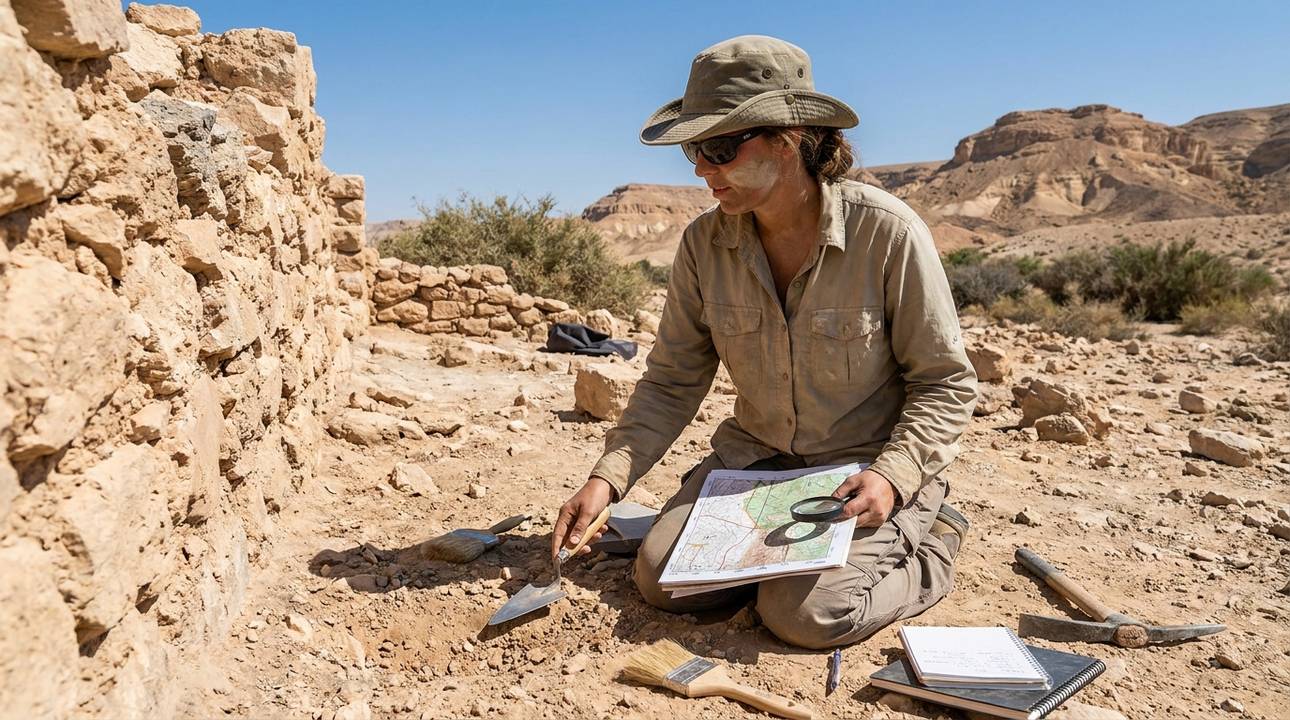
The geographic quest for Azal typically leads experts to Jerusalem’s vicinity, integrating local topographies into their research. The traditional understanding aligns it with known valleys mentioned in narratives.
Common hypotheses often link Azal to the Kidron Valley or other historical features near Jerusalem. These theories stem from contextual clues within texts and parallel accounts in historical texts, offering insights into the intricate connections between geography and prophecy.
The exploration of Azal’s location not only enhances our understanding of historical geography but also invites reflection on the broader historical and cultural role of Jerusalem and its surroundings. As scholars delve into ancient texts and archaeological findings, they uncover layers of history that enrich our appreciation of the ancient world and its legacy. This ongoing research continues to illuminate the complex mix of Israel’s past.
The lack of corroborative historical or archaeological evidence keeps Azal’s precise location debated. While ancient texts like those by Josephus hint at related features, Azal remains elusive in non-religious records. This absence presents ongoing challenges for historians and cartographers working to recreate accurate historical maps. The search for Azal is remembered through new theories and discussions among scholars, reflecting the dynamic nature of research.
The elusive nature of Azal underscores the complexities involved in archaeology, where gaps in historical records often lead to diverse interpretations. This encourages a collaborative effort among historians, archaeologists, and scholars to piece together the puzzle of Azal’s location.
Such endeavors highlight the interplay between different fields of study, as each discovery or hypothesis adds depth to our understanding of history and its geographical context.

Azal in Historical Context
The mention of Azal during King Uzziah’s reign situates it within a specific historical frame. King Uzziah, who ruled Judah in the 8th century BCE, is noted for significant architectural and military accomplishments.
However, little is recorded about the earthquake referred to, leaving details about the event and Azal’s role as a sanctuary somewhat speculative, yet intriguing for historians.
The historical context of King Uzziah’s reign provides a backdrop for understanding Azal’s significance. Uzziah’s era was marked by prosperity and expansion, yet the earthquake implies a moment of vulnerability and intervention.
This juxtaposition of strength and fragility invites reflection on the themes of power and humility in narratives, as Azal emerges as a symbol of refuge amidst uncertainty and upheaval.
from the Western Wall to Masada.
The ancient world’s frequent seismic activity allows historians to piece together scenarios for Azal’s mention. Some suggest the valley of Azal became symbolic as a secure refuge amid turmoil, a narrative still pondered in studies.
Despite uncertainties, Azal’s invocation during a significant event underscores its potential importance in storytelling, offering insights into the challenges faced by ancient communities.

Modern Interpretations and Azal
Contemporary scholars strive to integrate Azal within broader frameworks, examining its symbolism alongside geopolitical landscapes. These interpretations often enhance Azal’s perceived role in traditions.
The study of Azal often interlinks with discussions on intervention and eschatological themes present in the texts, where Azal is mentioned during a significant event.
Azal, interpreted as a metaphorical ‘place’ in academic circles, demonstrates the intricate layering of geography and prophecy. This illustrative usage prompts reflections on how ancient narratives shaped future visions and thought. Even today, Azal continues to fascinate modern readers, showing prophetic literature within ancient texts and encouraging deeper exploration of its symbolic meanings.
The metaphorical interpretation of Azal invites a broader understanding of how narratives convey complex themes and messages. By examining Azal as a symbolic entity, scholars explore the interplay between geography, prophecy, and theology.
This exploration not only enriches our comprehension of ancient texts but also highlights the enduring relevance of these narratives in shaping cultural perspectives.

Conclusion: the Significance of Azal
Though obscure, Azal is significant due to its potential role within prophetic expectations and historical geography. Understanding Azal involves both a dedication to study and an appreciation for unresolved mystery.
The continual exploration of Azal underscores the dynamic interplay between history and scholarly pursuit. Its brief appearance encourages ongoing dialogue regarding interpretation and understanding.
Azal’s enigmatic nature invites a deeper engagement with the themes of prophecy and geography in texts. As scholars and readers explore its significance, they uncover layers of meaning that enrich our understanding of the ancient world.
This ongoing dialogue reflects the broader quest for knowledge and insight, as each discovery or hypothesis adds depth to our appreciation of the intricate connections between history and culture.
By engaging with Azal, both as a geographic and symbolic entity, scholars and readers worldwide gain insight into landscapes and narratives. Azal’s study invites open-minded inquiry into texts and their timeless questions.
For those interested in Lev Haolam, this analysis reflects our commitment to exploring and preserving the unique aspects of Israel’s historical heritage. Azal’s enigmatic nature encourages a deeper understanding of the complex interplay between geography and prophecy.
The exploration of Azal not only enriches our comprehension of texts but also enhances our appreciation for the intricate mix of Israel’s past. It serves as a reminder of the enduring questions that are still remembered both in scholarly research and personal reflection. In this way, Azal becomes more than just a location; it is a symbol of the ongoing journey to connect with and understand the profound narratives that shape our cultural landscapes.
Understanding Azal
