
Exploring the Significance of Gilead in the Bible


Gilead is a region mentioned frequently in historical texts, situated east of the Jordan River. Known for its balm and rugged terrain, it was home to several tribes of Israel and played a significant role in historical narratives.
The tribes of Gad, Reuben, and the half-tribe of Manasseh settled here, as noted in historical records. Gilead’s balm was a highly valued medicinal resin.
Its strategic location made it a key area during conflicts, where leaders like Jephthah led to significant victories.
What Is Gilead in the Bible?
In historical texts, Gilead refers to a mountainous region east of the Jordan River. Its name possibly stems from a word meaning ‘rocky region,’ reflecting its geography, as seen in accounts where Jacob fled to the hill country of Gilead.
Gilead was known for its balm, a valuable resin used for healing. Historical texts emphasize its reputation.
The area is often associated with strong leaders and narratives, such as Jephthah, who led to victory over the Ammonites.
from the Western Wall to Masada.
Geography of Gilead
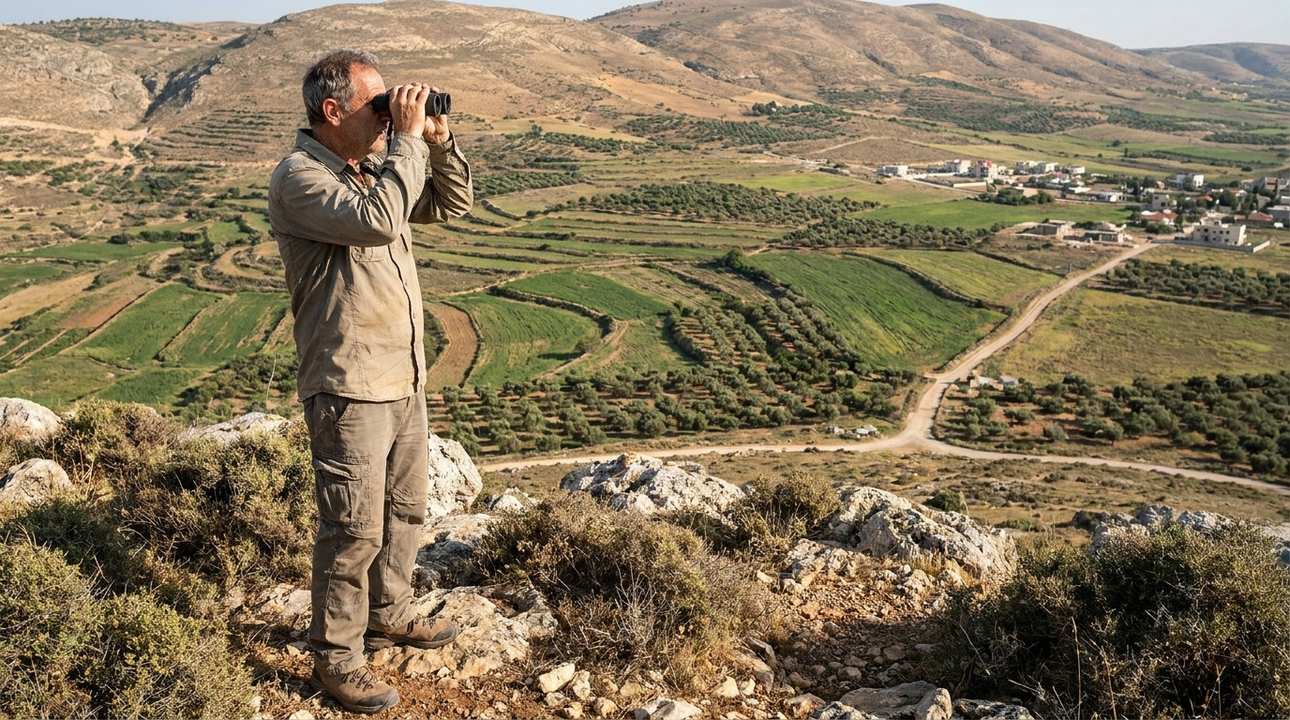
Geographically, Gilead stretches between the Yarmouk and Arnon rivers. This area includes territories now part of modern-day Jordan. The region’s rugged hills and fertile valleys provided rich grazing land, supporting pastoral lifestyles. Its strategic location made it crucial in historical times, serving as a buffer zone and a site of refuge. The varied landscape also made it a center for trade and cultural exchange, contributing to its history.
Tribes of Israel in Gilead
Several Israelite tribes, including Gad, Reuben, and half of Manasseh, settled in Gilead. According to historical records, these tribes requested to remain on the east side of the Jordan due to the region’s suitability for livestock. These tribes expanded Israelite presence beyond the Jordan.
This expansion was significant as it allowed Israel to control vital trade routes and resources, enhancing their economic and strategic influence. The area played a key role in tribal confederations and defense. Gilead was both a physical home and a strategic asset.
Gilead in Historical Battles
Gilead witnessed numerous conflicts, including battles against the Midianites. Historical accounts detail how leaders with small forces defeated larger armies, showcasing Gilead’s strategic importance. Ibzan, a leader from Gilead, appears in historical records.
These records note his leadership and the peace that followed his rule. Later, battles included defenses of Jabesh-Gilead. These events shaped Israel’s early kingdom development.
from the Western Wall to Masada.
The Balm of Gilead
Known for the ‘balm of Gilead,’ the region was known for its healing resin. The balm symbolized healing and wealth in historical texts, often mentioned as a metaphor for healing. This resin was extracted from tree species unique to the area, making it a prized commodity. It underscores Gilead’s economic importance, as well as its symbolic value in literature and prophecy. The balm’s fame extended beyond Israel, as it was traded widely, contributing to the region’s prosperity and cultural exchanges.
Gilead in Prophecy and Poetry
Prophets spoke of Gilead’s corruption, using it as a moral example. Historical texts describe Gilead as a city of evildoers, highlighting its moral decline. This depiction contrasts with its earlier significance as a place of refuge and leadership.
The Song of Songs mentions Gilead as a place of beauty, where the beloved’s hair is compared to a flock of goats descending from Gilead. This imagery paints a vivid picture of its natural allure.
In poetic traditions, it symbolizes tranquility and richness. These literary uses highlight its cultural depth and contrast its physical beauty with its moral challenges.
Archaeological Insights into Gilead
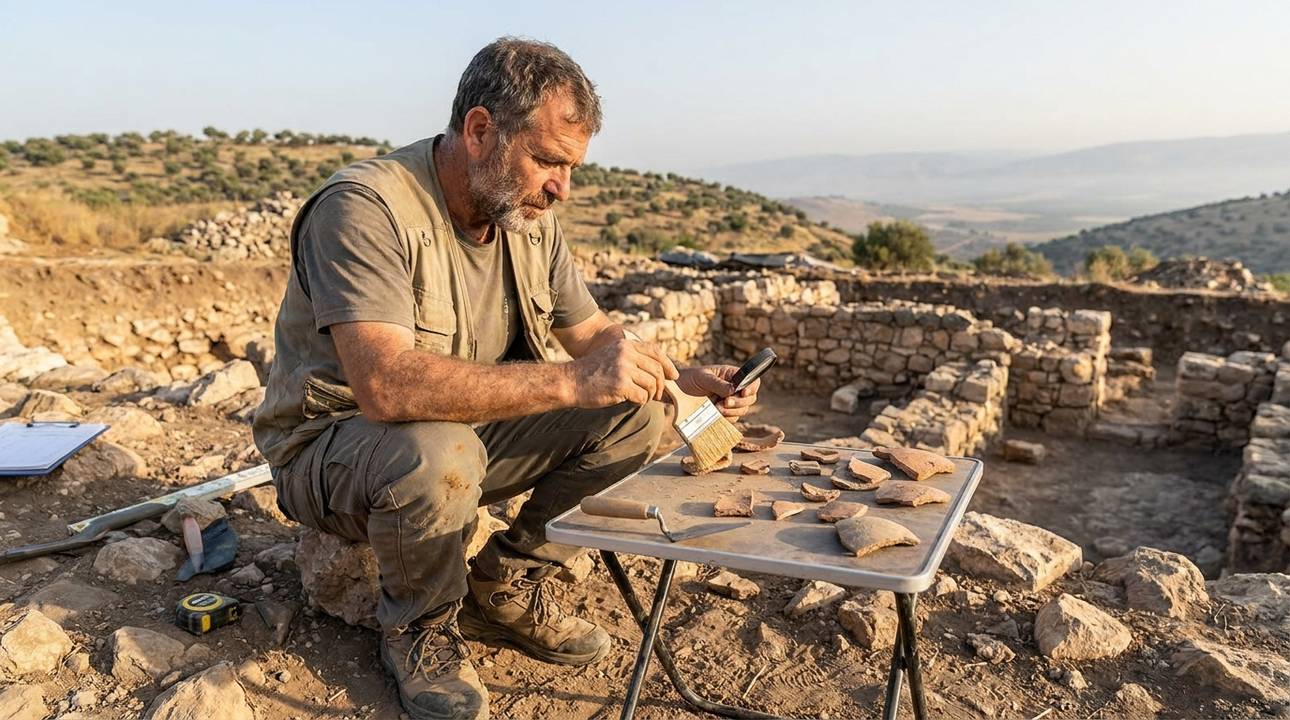
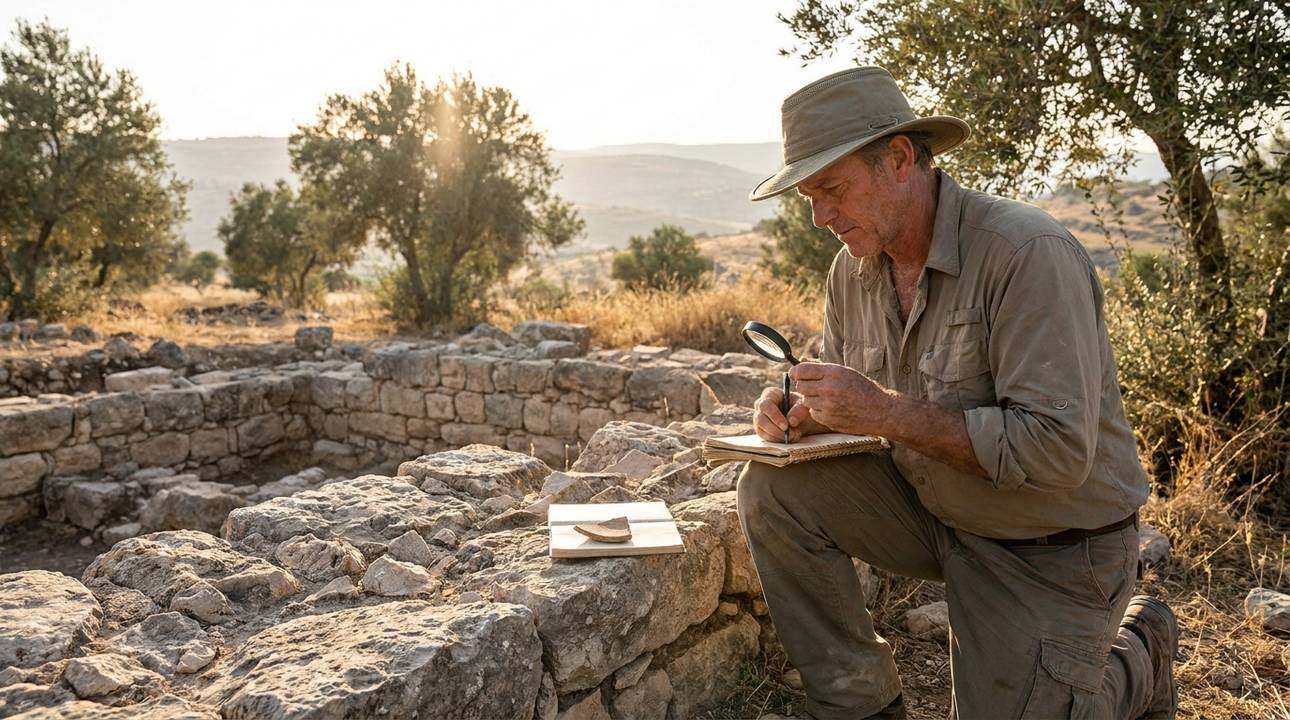
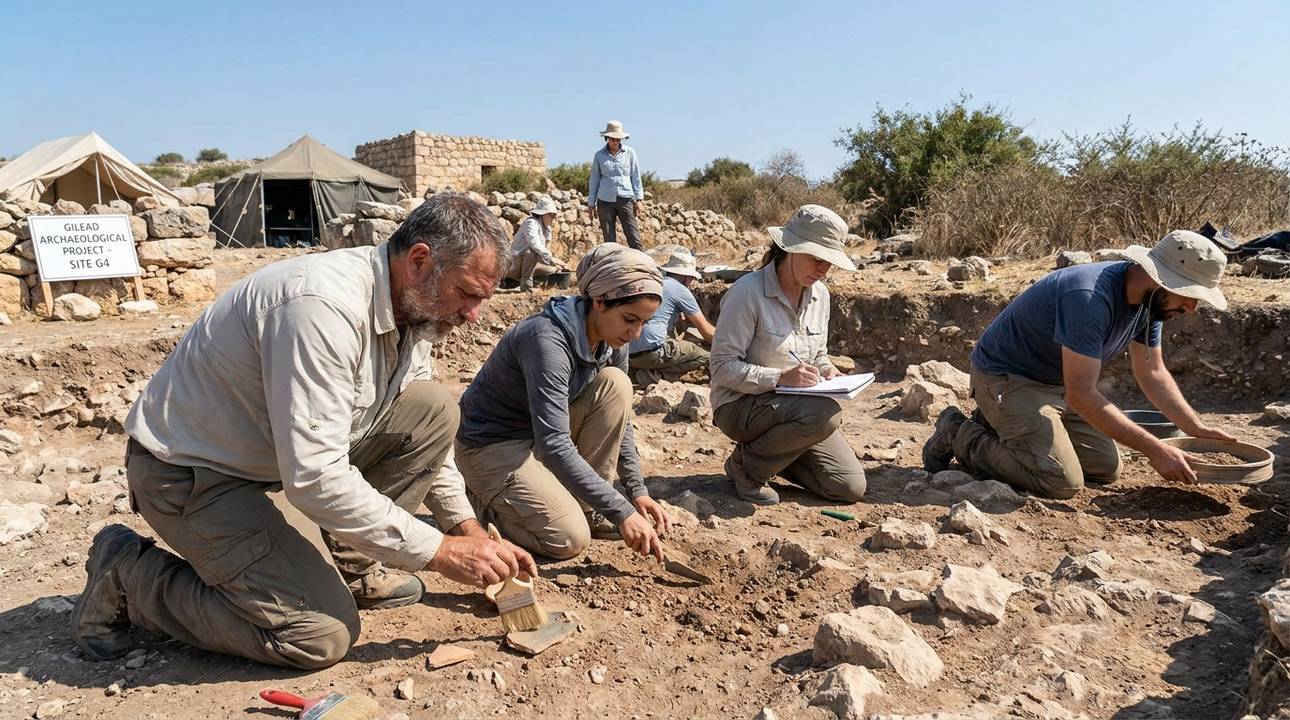
Archaeological findings in Gilead have uncovered settlements and relics. These discoveries provide context about its ancient inhabitants. Artifacts include pottery, tools, and remnants of fortifications, showing the region’s defensive strategies and daily life. Excavations at sites like Tell Deir Alla have revealed layers of occupation, indicating Gilead’s long-term significance. Such evidence enriches understanding of its historical life, highlighting its role as a cultural and economic hub in the ancient world.
Gilead’s Modern Context
Today, the area once called Gilead lies mostly within Jordan. Modern cities are built over historical sites. While not a tourist site, Gilead remains a focus of historical studies.
Its past continues to inform regional cultural identity, with scholars examining its role in ancient society and its depiction in historical texts.
The legacy of Gilead is preserved through ongoing archaeological work, which helps to piece together the daily lives of its ancient inhabitants and their interactions with neighboring regions.
General Questions
