
Understanding the Location and Significance of Lehi in the Bible


Lehi is primarily known from accounts of legendary figures. This location is where a remarkable victory was achieved using the jawbone of a donkey. The name ‘Lehi’ itself means ‘jawbone’ in Hebrew, highlighting its connection to this event.
Understanding the historical and cultural context of Lehi provides insight into its significance. It was a time when the Israelites were under Philistine oppression, and the triumph symbolized hope and deliverance for the people.
What Is Lehi and Where Is It Mentioned in the Bible?
Lehi is primarily known from historical accounts. It serves as the backdrop for one of the most famous exploits, where a thousand Philistines were defeated with the jawbone of a donkey.
This story provides a context about the struggles between the Israelites and Philistines.
Lehi itself is described as being situated in the territory attributed to the tribe of Judah, though its precise location is subject to historical debate.
from the Western Wall to Masada.

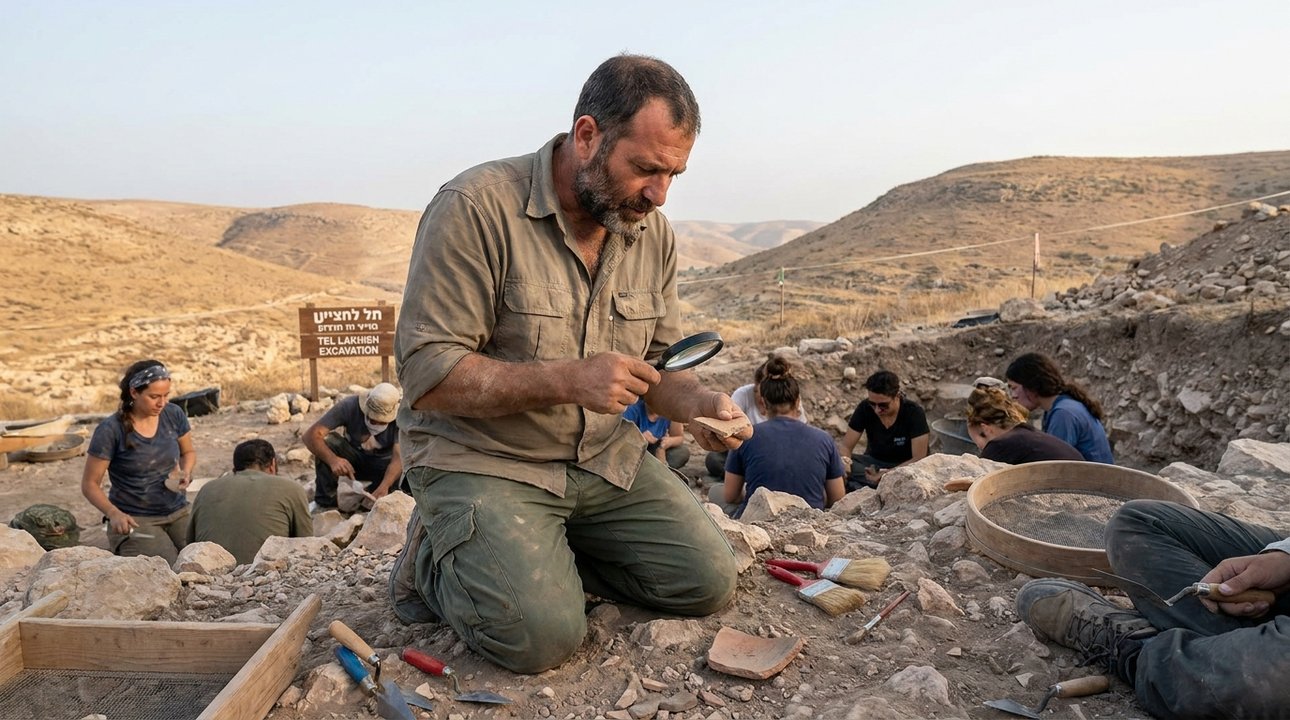
The Story of a Legendary Battle at Lehi
The encounter at Lehi begins with a figure being bound by his own people, the Israelites, to be handed over to the Philistines. However, upon coming to Lehi, he breaks free from his bindings. In an extraordinary feat, he uses a donkey’s jawbone to defeat his enemies, which is a sign of both physical prowess and the support he receives. This victory at Lehi is commemorated through the naming of the place as Ramath-lehi, meaning ‘Jawbone Hill’.
The name ‘Ramath-lehi’ reflects the significant event where a single-handed victory was achieved against overwhelming odds. The place symbolizes surprising and empowering ways intervention can occur.
This battle narrative is not only about strength but also serves as an example of hope and deliverance for the people. The account remains a memorable demonstration of courage and assistance in historical tradition.
The narrative at Lehi is a fascinating story highlighting the importance of determination in overcoming challenges. In this account, a figure is bound by the Philistines, but as he reaches Lehi, he breaks free of his bindings. This moment serves as a powerful reminder of the unexpected ways in which intervention can occur, transforming seemingly hopeless situations into victories. The triumph at Lehi is a sign of the strength that determination can inspire.
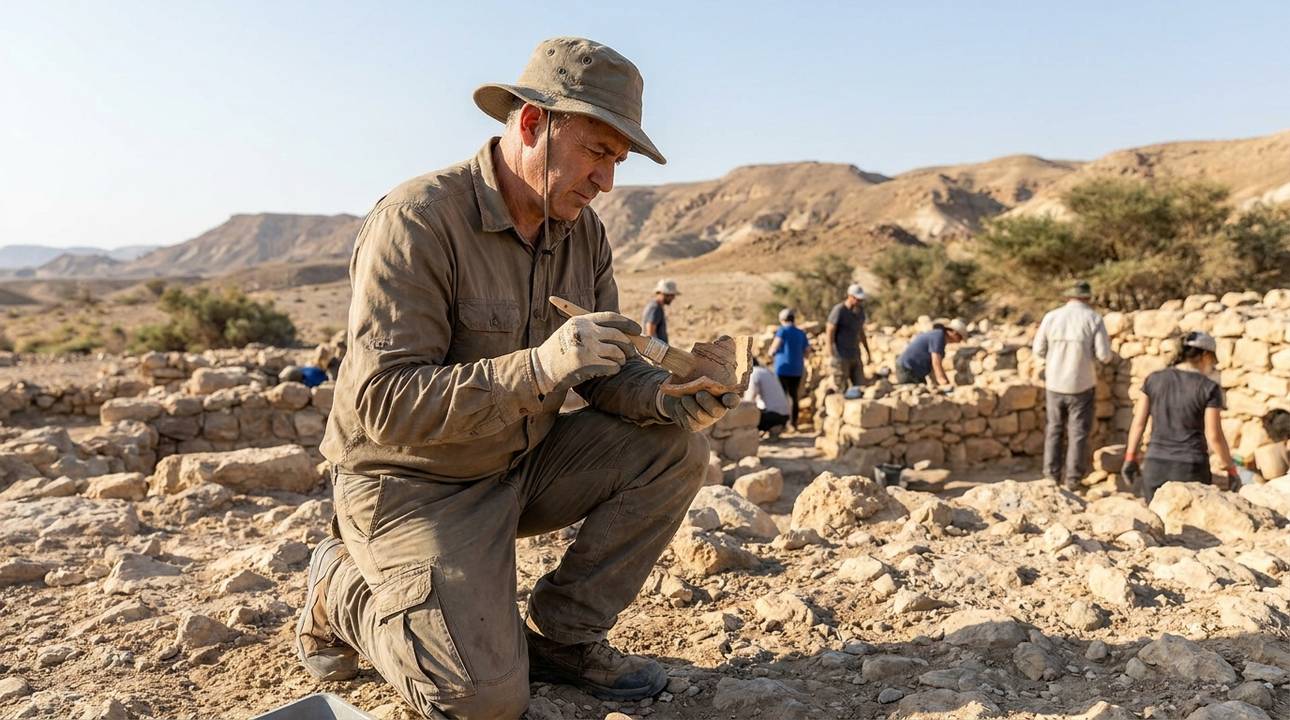
Historical and Geographical Context of Lehi
While the exact location of Lehi is debated among scholars, it is generally considered to be in the Judean territory. The inclusion of this story in historical texts highlights the ongoing conflict between the Israelites and the Philistines.
Understanding Lehi’s geographical and historical backdrop provides deeper insight into the challenges faced by the people and their contemporaries. The narrative embedded in the landscape underscores the continuous struggle for control and survival in the region.
Today, Lehi is remembered as an iconic historical site, though not precisely pinpointed on modern maps. The tales associated with it remain integral to understanding the cultural heritage of the region.
In examining Lehi and its significance, one gains an appreciation for the layered narratives that contribute to the richness of history. It continues to be a point of reflection on the dynamic interplay of courage and intervention.
The tale at Lehi serves as a reminder of the enduring nature of these powerful stories. It highlights universal themes of courage and resilience. The victory over the Philistines at Lehi is not just a tale of physical strength but also of fortitude.
The unexpected ways in which challenges can be overcome are exemplified by the ability to turn dire circumstances into triumph. This narrative continues to resonate, offering lessons on perseverance and the power of belief.

Lehi in Jewish Tradition
In tradition, the tale at Lehi conveys moral lessons. It illustrates how strength can defeat the Philistines, serving as an inspiration for potential intervention in dire situations.
The account reinforces themes of courage and resilience. By reflecting on Lehi, individuals find encouragement to persevere, trusting in both their abilities and guidance. The triumph at Lehi remains a powerful symbol of determination.
The narrative at Lehi emphasizes the unexpected ways in which challenges can be overcome. Captured by the Philistines, a figure finds himself at Lehi, where he is filled with renewed strength.
This story serves as a powerful reminder of the importance of determination in the face of adversity. The ability to overcome captors and defeat a thousand men with a donkey’s jawbone illustrates how belief and resolve can lead to remarkable outcomes.
Teachings often emphasize the narrative of Lehi as a story of hope and strength. The victory at Lehi is used to illustrate the theme of redemption. Lehi becomes a focal point for discussing the interplay of will and action. The lessons from the victory are timeless, showing overcoming adversity and the power of belief in achieving remarkable feats.
from the Western Wall to Masada.
The account at Lehi highlights the importance of belief in difficult times. When captured by the Philistines, strength and courage are found through beliefs, breaking free from bindings.
This demonstration of support in overcoming challenges reinforces the idea that belief can empower individuals to face adversity with confidence. The triumph at Lehi is a powerful example of how belief can lead to extraordinary outcomes.
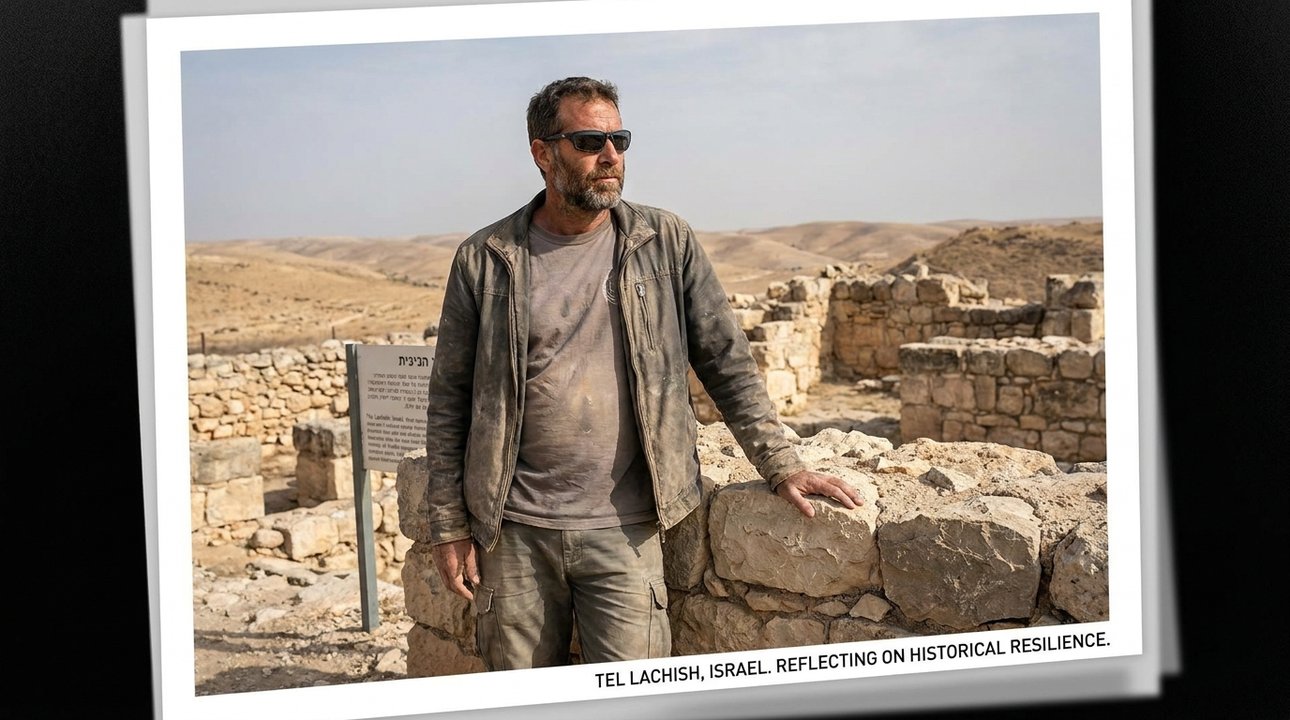
Lehi in Modern Thought and Culture
Today, Lehi stands as more than just a historical site; it embodies strength and determination. The tale at Lehi has been portrayed in various art forms, including literature and paintings, maintaining its relevance across cultures.
Modern interpretations of the story often focus on themes of personal growth and collective strength. Lehi serves as a powerful reminder of ancient stories that continue to captivate and teach us.
The narrative at Lehi is still remembered, showing how personal and communal challenges can be overcome through determination. It details a triumph over the Philistines, achieved with a donkey’s jawbone. This story is a sign of the enduring power of tales to provide guidance and inspiration. Actions at Lehi remind us of the strength found in belief and the potential for intervention in overcoming adversity.
In contemporary settings, Lehi serves as an emblem of unexpected triumph, motivating individuals to persist in adversity. Cultural depictions of feats at Lehi highlight universal themes of courage and assistance.
These representations keep the legacy alive, allowing each generation to find new meaning in these age-old stories. The place and its narratives remind us of the enduring nature of these powerful tales.
The narrative at Lehi is still remembered, motivating individuals to overcome challenges through determination. The remarkable victory against the Philistines at Lehi is a sign of the enduring power of narratives. These stories provide guidance and inspiration, showing that even in the face of overwhelming odds, belief and perseverance can lead to triumph. Actions at Lehi remind us of the strength that can be found in belief.
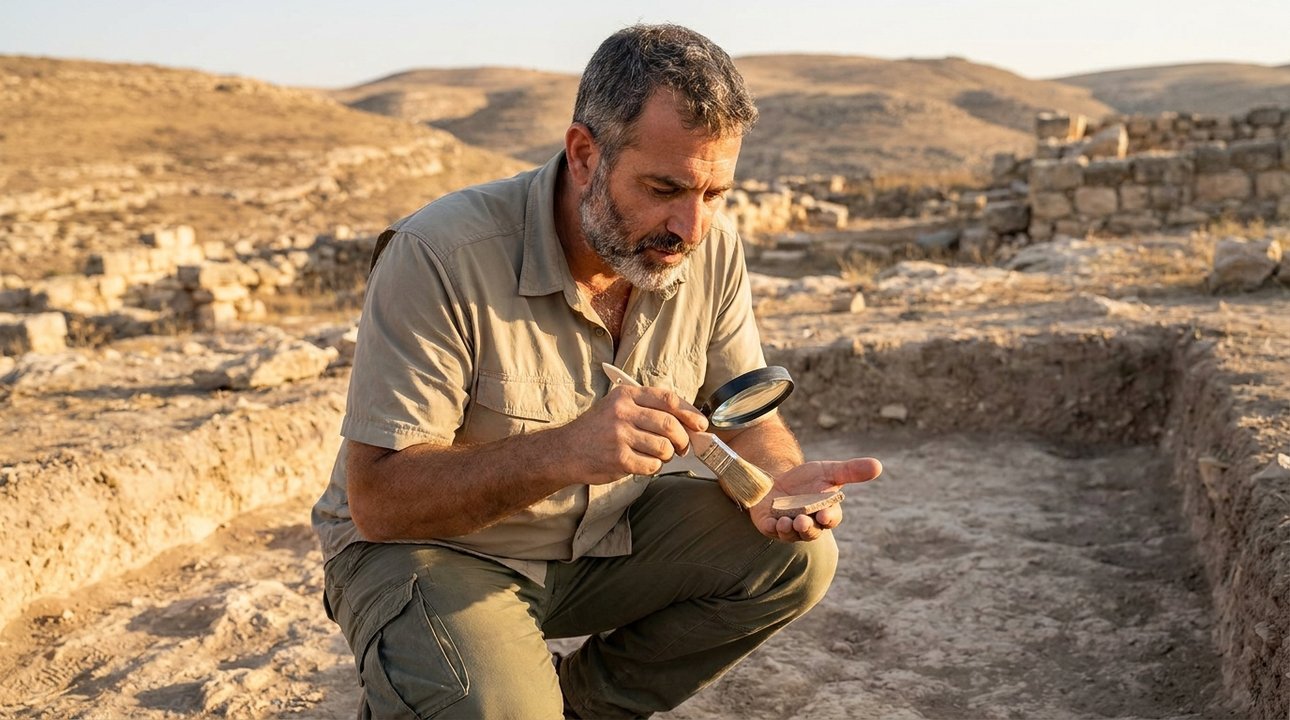
Conclusion: the Timeless Impact of Lehi
Lehi’s role in the historical narrative is both compelling and impactful, providing a window into the past and its lasting lessons. Understanding its significance helps us appreciate the themes of determination and intervention that transcend time.
Through the lens of Lehi, the legacy of strength and the cultural identity of the people come to life. Even today, the site and its story inspire admiration and reflection on the enduring power of belief.
The saga of Lehi continues to engage readers, historians, and theologians. It offers a narrative rich with ethical insights, relevant both in the past and today. Exploring Lehi pays homage to the history and dynamic cultural identity of this place. The connections drawn from its story are treasures of understanding and shared human experience, highlighting the timeless nature of these narratives.
The account at Lehi serves as a reminder of the enduring nature of these powerful tales. It captures the essence of courage, resilience, and the unexpected ways in which challenges can be overcome.
The triumph at Lehi, achieved with a simple donkey’s jawbone, underscores the idea that strength and determination can lead to remarkable achievements. This narrative remains relevant, providing insights into how belief and resolve can transform adversity into success.
General Questions
