
Zarethan: Exploring Its Historical Impact
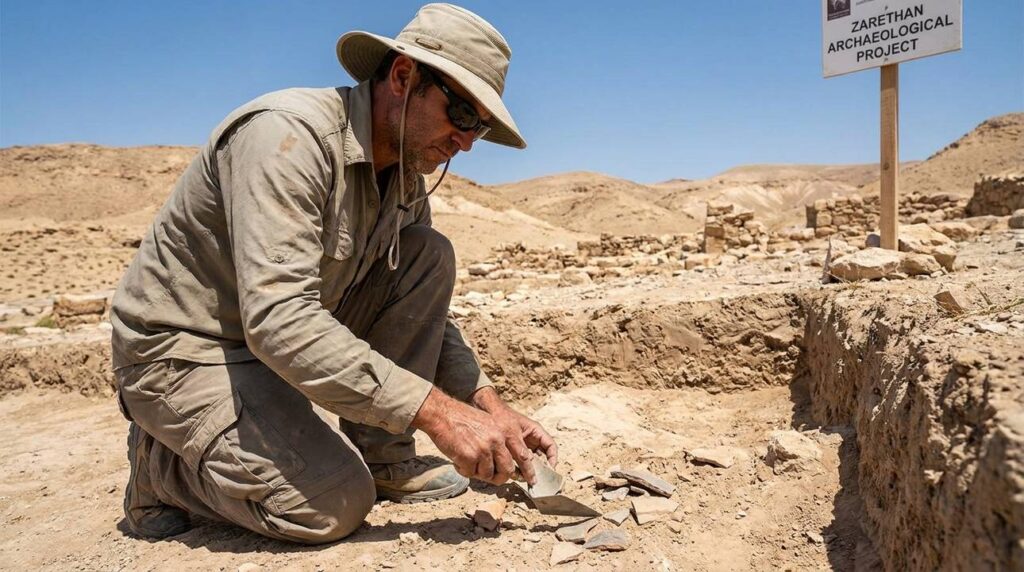

Zarethan is a place with deep historical roots, known for its mention in the context of the Israelites crossing the Jordan River, where the waters stood still, allowing passage. This event marked a pivotal moment in their journey. The crossing at Zarethan is a significant example of events that accompanied the Israelites on their path. Let’s explore Zarethan’s role in these historical narratives.
This article delves into the details of Zarethan’s role in Jewish history, avoiding modern political discussions. Discover how this site is remembered and connected to Israel’s past. Zarethan’s mention highlights its geographical importance, witnessing events that marked the Israelites’ journey. These stories continue to resonate, showing perseverance.
from the Western Wall to Masada.
What Is Zarethan?
Zarethan is noted as a site near the Jordan River. In the book of Joshua, it is mentioned during the Israelites’ crossing of the Jordan. Ancient maps suggest it was near Adam, another location where the waters stood still. The name Zarethan may have meanings tied to the landscape or fortification, though translations vary.
Understanding its geographic and historical context offers insight into historical narratives.
Zarethan connects earthly locations to significant acts, illustrating how geography underpins key events. This connection is further emphasized by its proximity to other important sites, such as Succoth, which is involved in bronze casting. These geographic references help us appreciate the interconnectedness of events and the physical spaces where they occurred, enriching our understanding of history.
Zarethan in the Historical Narrative
Accounts describe Zarethan as part of significant events. It is noted for using clay for construction, highlighting its role as a resource hub. This clay was used to create bronze items, crafted between Succoth and Zarethan. Zarethan is mentioned in the context of the Israelites crossing the Jordan River, where the waters were held back. This event is seen as a significant intervention.
The crossing of the Jordan is a pivotal moment in Israel’s journey, embedding Zarethan into the cultural landscape. These accounts provide insight into craftsmanship and significant occurrences, illustrating how Zarethan played a role in these events. These references highlight the intertwining of geography and significant acts, showing how locations like Zarethan were integral to Israel’s history.
Geographical Insights of Zarethan
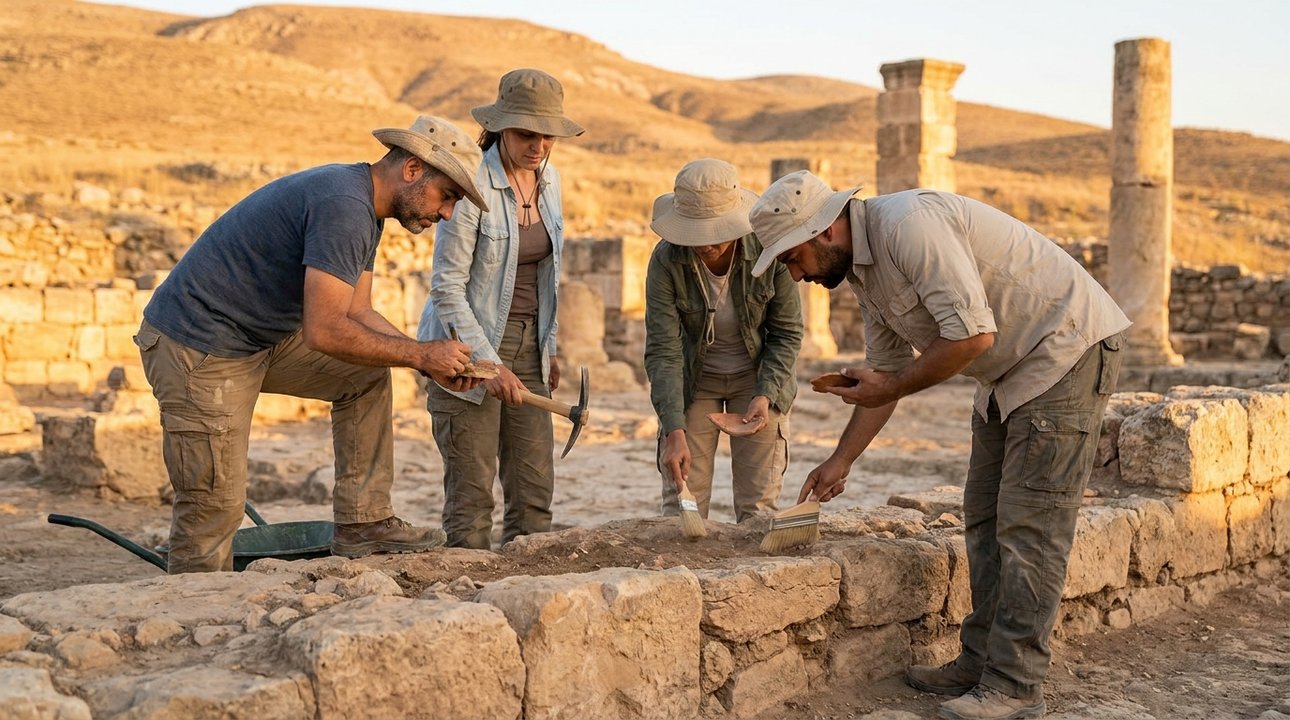
Located in the Jordan Valley, Zarethan’s strategic position is affirmed by archaeological findings. Its proximity to key trade routes made it an important site for ancient commerce. The land’s resources reveal its value, particularly in casting bronze. This strategic location facilitated trade and cultural exchanges with neighboring regions.
These insights are supported by regional studies and ongoing historical research. Geographically, Zarethan’s importance extends beyond a mere place on a map, connecting commerce, religion, and early Israelite society. The town’s role in producing bronze items highlights its significance in the economic and cultural landscape of the time.
Cultural and Religious Importance
Zarethan’s cultural role is rooted in its mentions and resources. Such towns contributed to Israel’s identity, shaping its cultural heritage. Its mention in narratives underscores its importance. The town’s role in the crossing of the Jordan River marks it as a site of significant intervention and faith. Such sites held profound meaning in society, evident in their inclusion in texts.
This impact extends beyond mere geography. Historical records and findings there provide insights into ancient life, revealing the complexities of the past. Zarethan’s role in events highlights the interconnectedness of faith, geography, and culture in shaping Israel’s history. By examining the significance of Zarethan, we gain insight into the ways in which these elements have influenced the development of identity and tradition, offering a deeper appreciation for the legacy of this site.
Archaeological Discoveries in Zarethan
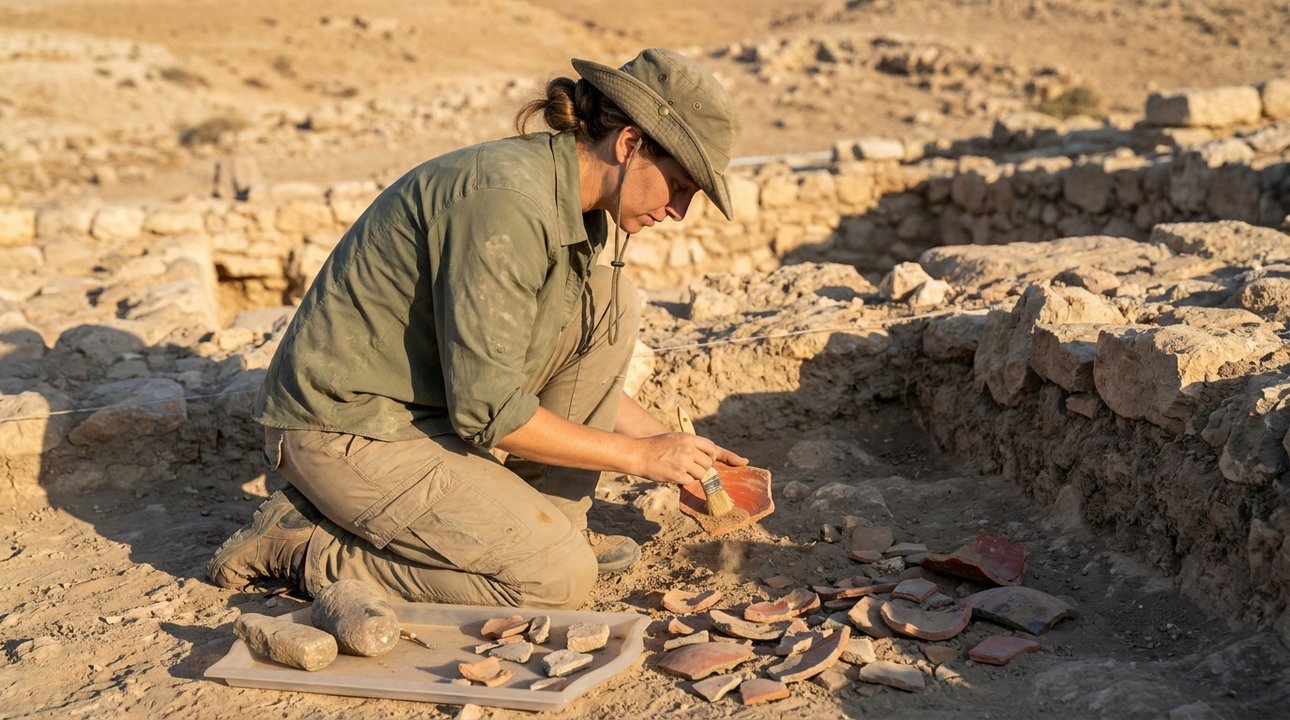
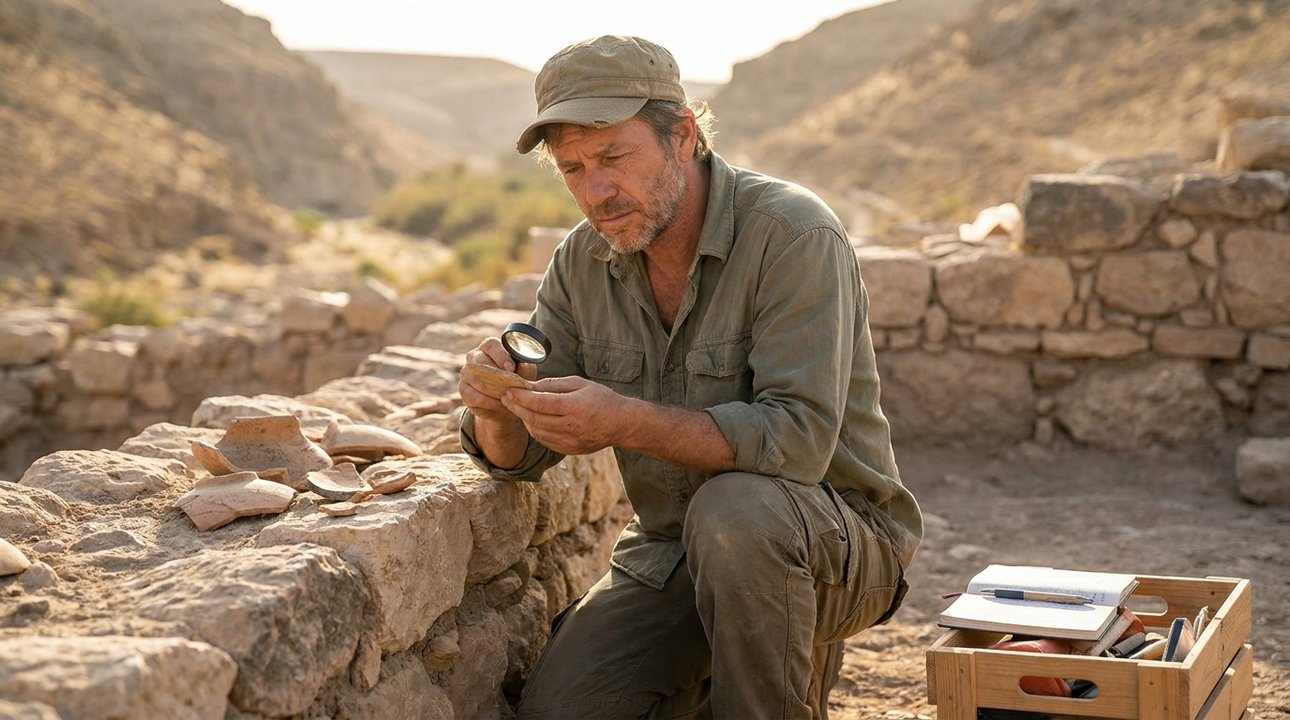
Excavations near Zarethan have unearthed pottery and tools, offering insights into daily life. These artifacts, dating back to the Iron Age, suggest a settlement contributing to regional commerce. The site is believed to have been active around the early 1st millennium BCE. Historical records suggest that Zarethan was a center for metalworking, as evidenced by the slag and molds found there. The presence of metallurgical evidence aligns with accounts, where bronze works were cast in the plain of Jordan.
This connection between archaeology and historical records provides a richer understanding of the region’s history. Discoveries at Zarethan not only confirm the narrative but also offer insights into the technological advancements of the time. These findings highlight the importance of Zarethan as a hub of craftsmanship and trade, illustrating its role in the economic and cultural landscape of the region. The ongoing archaeological work continues to shed light on the complexities of life in this significant area.
Such discoveries enhance our understanding of ancient craftsmanship. These findings include molds and slag, indicating sophisticated metalworking techniques. This aligns with the tangible evidence found, which supports these accounts. The artifacts also suggest trade connections with surrounding regions, highlighting Zarethan’s role in the broader economic landscape of the time. The presence of trade goods from distant areas reveals a network of commerce.
from the Western Wall to Masada.
This network extended far beyond the local region, indicating that Zarethan was not only a center of craftsmanship but also a hub of economic activity. The evidence of trade and metalworking found at Zarethan offers a glimpse into the daily lives of its inhabitants and their interactions with neighboring communities. These findings underscore the history of Zarethan, providing a richer understanding of the region’s role in the ancient world and its contribution to the cultural and economic mix of the time.
Zarethan in Jewish Thought
In Jewish thought, Zarethan’s mentions are seen as markers of faith and guidance. It exemplifies the intersection of faith and geography, portraying significant moments in Israel’s history. Such towns, while often overlooked, represent ongoing connections with the land. Zarethan’s mention, where the waters of the Jordan were held back, highlights its importance. Through its connections, Zarethan reminds us of the journey that shaped Jewish heritage. These reminders in Jewish tradition underscore the land’s resonance.
The stories of Zarethan are still remembered as reflections on the enduring bond between the people and the land. These narratives are woven into the cultural fabric of Jewish identity, serving as a sign of the perseverance of the Israelite people. By exploring the impact of Zarethan, we gain a deeper understanding of the profound influence that such places have had on the development of Jewish thought and tradition throughout the ages.
Modern Reflections on Zarethan
Today, Zarethan’s stories resonate as part of Israel’s enduring heritage. Its tales blend history with reflections on ancient resilience. The site serves as a reminder of the Israelites’ journey and their reliance on significant events, as depicted in various accounts, such as the crossing of the Jordan River. Modern exploration highlights its role in illustrating the continuity between past and present, enriching cultural dialogues globally. Discoveries at Zarethan help us understand ancient societies.
These discoveries provide insights into how people lived and interacted with their environment, revealing the complexities of life in historical times. The legacy of Zarethan is still remembered by those who seek to connect with the historical roots of Israel. By exploring the site and its history, we gain a deeper appreciation for the perseverance of the people who once inhabited this land, and how their stories continue to shape the cultural landscape of Israel today.
Understanding Zarethan bridges historical narratives with contemporary exploration, connecting Israel’s legacy to today’s Jewish identity. This connection is evident in the ongoing archaeological efforts that continue to uncover the layers of history embedded in the land. Excavations have revealed structures and artifacts that date back to the time of the Israelite monarchy, showing the daily lives of those who lived there. These discoveries not only enhance our knowledge of the past but also inspire a deeper appreciation for Israel’s enduring cultural heritage.
They serve as a reminder of the perseverance of the people who once inhabited this land. Findings at Zarethan provide a tangible link to the past, illustrating the mix of life in the region. As we uncover more about Zarethan, we gain a greater understanding of the impact of this site, and how it continues to influence the cultural identity of Israel and its people today.
Zarethan’s Legacy
The legacy of Zarethan illustrates the Israelites’ journey through significant events. Its mention, where the Jordan River’s waters were held back, underscores its significance in the Israelites’ crossing. This event is a sign of the determination of the people as they entered a new chapter in their history. This area, despite its relatively few appearances, contributed profoundly to heritage, embodying a story of connection to the land. Zarethan’s story enhances our understanding of Israel’s past, bridging geographic realities with meaningful stories. The town’s legacy is still remembered by those who seek to understand the depth of Israel’s historical journey.
Understanding Zarethan
