Exploring the Historical Significance of Michmas


Michmas, also referred to as Mukhmas, holds historical significance as mentioned in the Book of Samuel. It served as a strategic military site during the reign of Saul. Located in the territory of Benjamin, Michmas was where the Philistines camped, setting the stage for pivotal battles. This location’s strategic value has been a focal point for scholars interested in its historical role.
Michmas is notable for its mention in historical texts, where Jonathan’s attack on the Philistine outpost marked a decisive moment. Situated in Benjamin’s territory, it played a crucial role in military campaigns. These events provide insights into the region’s past and its influence on historical narratives. Michmas continues to attract interest from history enthusiasts.
from the Western Wall to Masada.
Michmas is mentioned in historical texts as part of a prophecy concerning the Assyrian invasion. Its repeated mention underscores its relevance in historical accounts. These references highlight Michmas as a place of historical impact, showing its influence over time. The prophecy indicates the path taken by the Assyrians, emphasizing Michmas’s location.
The prophecy underscores Michmas’s importance in the Assyrian campaign. Its location made it a crucial point in military movements of the time. This context provides insight into the geopolitical dynamics of the region. Michmas’s presence in these narratives underscores its significance in the broader historical context.
What Was Michmas in Historical Times?
Michmas, known in historical narratives involving Saul and Jonathan, was a key location north of Jerusalem. It served as a strategic military site. The battles here, including Jonathan’s victory over a Philistine garrison, highlight its strategic role in ancient military strategies. The site’s elevation and location provided tactical advantages, making it a focal point for military actions.
Michmas’ Role in the Story of Saul
Michmas is prominently mentioned during Saul’s reign, playing a crucial role in his military campaigns. Jonathan’s attack on a Philistine outpost at Michmas marked a significant turn in the battle. This event illustrates the location’s importance in Israelite military victories. Michmas’s role in these events solidified its place in history, contributing to its significance.
Jonathan’s victory at Michmas demonstrates the strategic acumen of the Israelites. Located in Benjamin’s territory, it was vital for controlling access to the central hill country. This military success not only secured the region but also boosted the morale of the Israelite forces. Michmas’s significance in these narratives highlights its enduring impact on the region’s identity.
Michmas’s importance is further highlighted by its mention in historical texts, where it is part of a prophecy concerning the Assyrian invasion. This underscores its relevance in both military and prophetic contexts. The prophecy describes the Assyrian army’s advance through Michmas, emphasizing its location. Michmas’s legacy in narratives reflects its historical role, showing the challenges faced by ancient communities and the triumphs that shaped its history.
The mention of Michmas in the prophecy reveals its significance as a site of strategic importance. The Assyrian army’s approach through Michmas highlights the site’s role in the broader geopolitical landscape of the time. These references underscore the importance of Michmas in understanding the historical context of events. The site’s strategic and prophetic significance continues to captivate those interested in history.
Present-Day Identification of Michmas
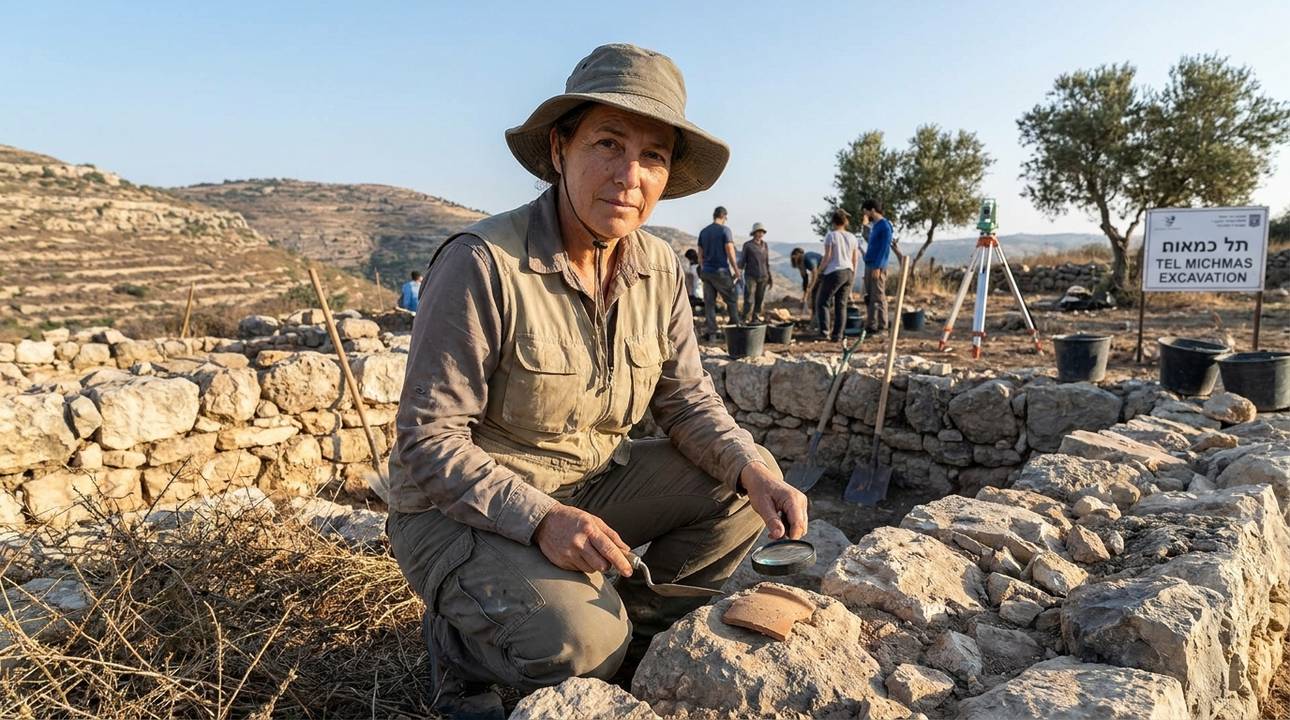
Today, Michmas is linked with several sites north of Jerusalem, providing insights into its history. These locations offer tangible connections to past narratives, as seen in archaeological findings. For example, studies have suggested remnants of ancient fortifications, indicating its strategic importance. Geographical studies help identify Michmas with modern locales, bridging ancient tales with current geography. This ongoing exploration enriches our understanding of historical narratives and their settings.
The identification of Michmas with modern sites enhances our appreciation of its role in history. Jonathan’s daring raid on the Philistine outpost at Michmas marked a pivotal moment in Israelite military history. Such historical connections provide a deeper understanding of the region’s past and its influence on subsequent events. The study of Michmas continues to reveal new insights into the ancient world and its legacy.
The continued study of Michmas and its associated sites contributes to a deeper appreciation of history. By examining these locations, we gain insights into Michmas’s strategic and cultural role in the past. For instance, Michmas was a place of strategic encampment where the Philistines camped, setting the stage for a significant battle. This exploration enhances our understanding of how these sites fit into the broader context of events, offering a richer perspective on the historical landscape.
Michmas’s location made it a focal point during Saul’s reign. Jonathan’s attack on the Philistine outpost there was a turning point in the battle, highlighting its military significance. These historical insights are crucial for understanding the broader narrative of Israel’s history and the cultural dynamics of the region. By studying Michmas, we connect with the past and appreciate the complexities of ancient societies.
from the Western Wall to Masada.
Religious and Cultural Interpretations of Michmas
The historical significance of Michmas extends into cultural and religious interpretations. These practices stem from historical traditions, established in dietary guidelines, such as those found in ancient texts. These guidelines, which include prohibitions against certain animals, provide a framework for understanding local customs. They reflect the cultural and historical contexts of ancient communities, showing their daily lives. The continued relevance of these laws highlights their impact on cultural identity.
The dietary laws associated with Michmas offer insight into the values and beliefs of ancient societies. By studying these guidelines, we gain a deeper understanding of the cultural and religious practices that shaped their lives. These laws, rooted in the Hebrew Bible, continue to influence cultural identities and traditions today. The exploration of these practices reveals the enduring impact of dietary laws on the cultural landscape of the region.
Exploring dietary laws involves examining how these were observed and adapted over time. The significance of these practices is evident in their continued relevance today, as they shape cultural identities and traditions. The dietary laws, such as those found in Leviticus 11, outline specific prohibitions and guidelines. By studying these interpretations, we gain a deeper understanding of the values and beliefs that guided ancient societies. This exploration reveals the enduring impact of dietary laws on cultural and religious practices.
The dietary laws associated with Michmas are established in the Hebrew Bible, providing a framework for understanding local customs. These guidelines, which include prohibitions against certain animals, reflect the cultural and historical contexts of ancient communities. The study of these laws offers insights into the daily lives and spiritual practices of those who adhered to them. The continued relevance of these dietary practices highlights their role in shaping cultural identities and traditions.

How Michmas Influences Modern Identity
Michmas continues to shape cultural and historical identity through its presence in stories. It is mentioned in narratives that highlight its significance as a symbol of heritage and tradition. For instance, the bravery of Jonathan at Michmas underscores the site’s role in Israel’s history. This connection to events reinforces its importance for those exploring their roots and understanding ancient challenges and triumphs. Michmas’s legacy is still remembered by those interested in history.
The stories of Michmas, such as Jonathan’s victory, serve as a reminder of its history. Its location made it a key site in the defense of Israelite territories. These narratives provide a mix of historical events that continue to captivate those interested in exploring their heritage. Michmas’s role in these stories highlights its importance as a symbol of cultural identity.
Michmas serves as a bridge between history and cultural identity, offering a glimpse into the past. Its enduring presence in cultural exploration makes it an integral part of understanding the intertwined nature of history and identity. The site is mentioned in historical texts, where it is part of a prophecy concerning the Assyrian invasion. The site’s history provides a point of connection for individuals seeking to explore their heritage, showing the lives and experiences of ancient peoples.
For those exploring their roots, Michmas offers a tangible link to the past. The bravery of Jonathan at Michmas underscores the site’s role in Israel’s history. This connection to events reinforces its importance for those interested in understanding ancient challenges and triumphs. Michmas’s presence in these narratives highlights its significance as a symbol of heritage and tradition.
Conclusion: the Legacy of Michmas
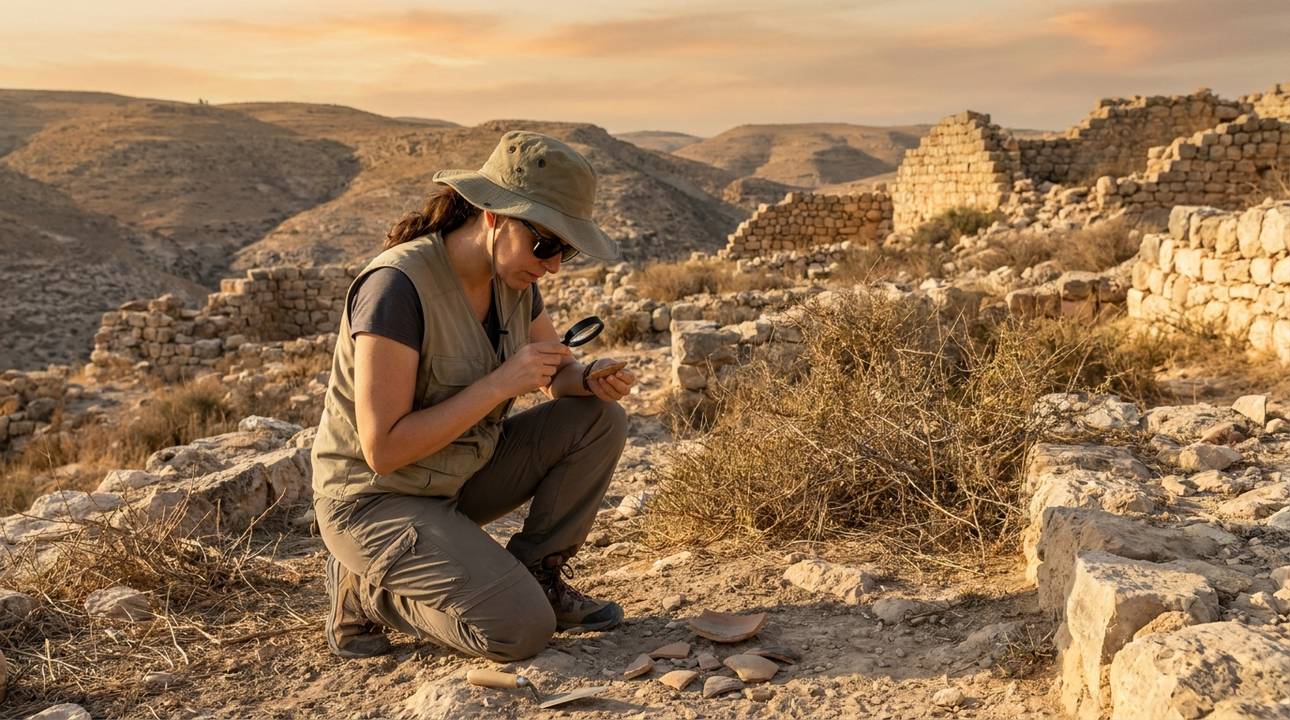
Michmas, or Mukhmas, serves as more than a mere geographical site. Its layered history, from its strategic importance in battles to its interpretations, offers insight into the legacy of such locations. For those interested in history and heritage, Michmas provides a window into the past, enriching our understanding of ancient communities. The blend of historical events and cultural aspects makes Michmas a fascinating subject of study and a significant symbol of shared heritage.
Historical Context of Mukhmas