
The Role of Tarsus in Historical Context


Tarsus is an ancient city with rich historical connections. Located in Cilicia, a region in southern Anatolia, it holds significant historical importance. Known as the birthplace of Paul the Apostle, Tarsus played a critical role in early Christianity and ancient trade routes. The city was a hub in the ancient world due to its strategic position along trade routes, facilitating cultural exchanges and economic prosperity.
Where Is Tarsus Located?
Tarsus is situated in what is now modern-day Turkey, in the region historically known as Cilicia. It lies on the southern coast, strategically positioned along the trade routes connecting Asia Minor to the Mediterranean.
This geographic advantage made Tarsus a crossroads of various cultures and influences. Its location allowed it to thrive as a trade hub, contributing to its prosperity and significance in historical contexts.
The city was known for exporting goods such as linen and timber, which were highly valued in the Roman Empire.
The strategic location of Tarsus also made it a target for various empires, including the Persians and Romans, who sought to control this vital region. The city’s ability to adapt and flourish under different rulers highlights its importance. Tarsus’s prosperity attracted scholars, merchants, and philosophers, creating a mix of ideas and innovations. This cultural exchange played a crucial role in shaping the city’s identity and legacy, contributing to its reputation as a center of learning and culture.
Tarsus in the New Testament
Tarsus holds a prominent place in the New Testament as the birthplace of Paul the Apostle. Paul, originally known as Saul, was born and raised in this city. This background provided Paul with a cultural and educational foundation, enabling him to connect diverse communities and spread the teachings of early Christianity. His education in Tarsus likely included Greek philosophy and Jewish law, equipping him for his future role as a missionary.
Paul’s dual cultural heritage allowed him to bridge the gap between Jewish and Gentile communities. His letters, such as those to the Galatians and Ephesians, reflect his ability to address complex theological issues with clarity and insight.
The city’s diverse influences helped shape Paul’s approach to his missionary work, enabling him to effectively communicate his message across different cultural and religious landscapes.
The Cultural and Educational Influence of Tarsus
Tarsus was known for its educational institutions during the Roman period. It was a center of philosophy and learning, rivaling other Greek cities like Athens and Alexandria. Such an environment contributed to the intellectual development of its residents, influencing figures like Paul. Paul, originally known as Saul, was born in Tarsus. His education in Tarsus likely played a part in his ability to engage with different audiences throughout his missionary journeys.
The city’s schools were known for teaching Stoic philosophy, which may have influenced Paul’s approach to spreading his message. The intellectual climate of Tarsus offered a unique blend of Greek and Roman thought, providing a cultural backdrop for Paul’s formative years. This diverse education equipped him with the skills to communicate effectively across various cultural and religious contexts, as seen in his letters to the Corinthians and Romans.

The History of Tarsus
Throughout its history, Tarsus was under various rulers, including the Hittites, Assyrians, Persians, and Romans. It served as a capital city in several empires due to its strategic location. This diverse rule left a mix of historical influences that shaped the city’s identity. The city’s long history is reflected in its archaeological sites, revealing its past grandeur. Excavations have uncovered Roman baths, an ancient theater, and a temple dedicated to Zeus, illustrating the city’s cultural heritage.
The ancient theater in Tarsus, a venue for performances and public gatherings, highlights the city’s cultural life. This theater, akin to those found in Athens, was a place where citizens could enjoy plays and orations. The temple of Zeus, a sign of the city’s religious practices, showcases the blend of Greek and Roman influences, reflecting the city’s acceptance of diverse cultural traditions. These sites provide a glimpse into the daily lives and spiritual practices of Tarsus’s ancient inhabitants, offering valuable insights into the city’s multifaceted history.
Tarsus in Roman Times
Under Roman control, Tarsus became a free city, enjoying privileges that enhanced its trade and autonomy. The city’s streets were lined with colonnades, temples, and public buildings, showcasing its prosperity.
As a Roman citizen from Tarsus, Paul had unique rights and protections, which he used strategically in his work.
This status allowed him to appeal to Caesar, a right reserved for Roman citizens, demonstrating the advantages of his Tarsian citizenship.
The privileges of Roman citizenship provided Paul with opportunities to travel and preach with a degree of safety and authority. His ability to invoke his citizenship rights was crucial during his journeys, allowing him to navigate complex legal and social landscapes.
The status of Tarsus as a free city under Roman rule contributed to its prosperity and cultural development, making it an influential center in the ancient world.

Archaeological Discoveries in Tarsus
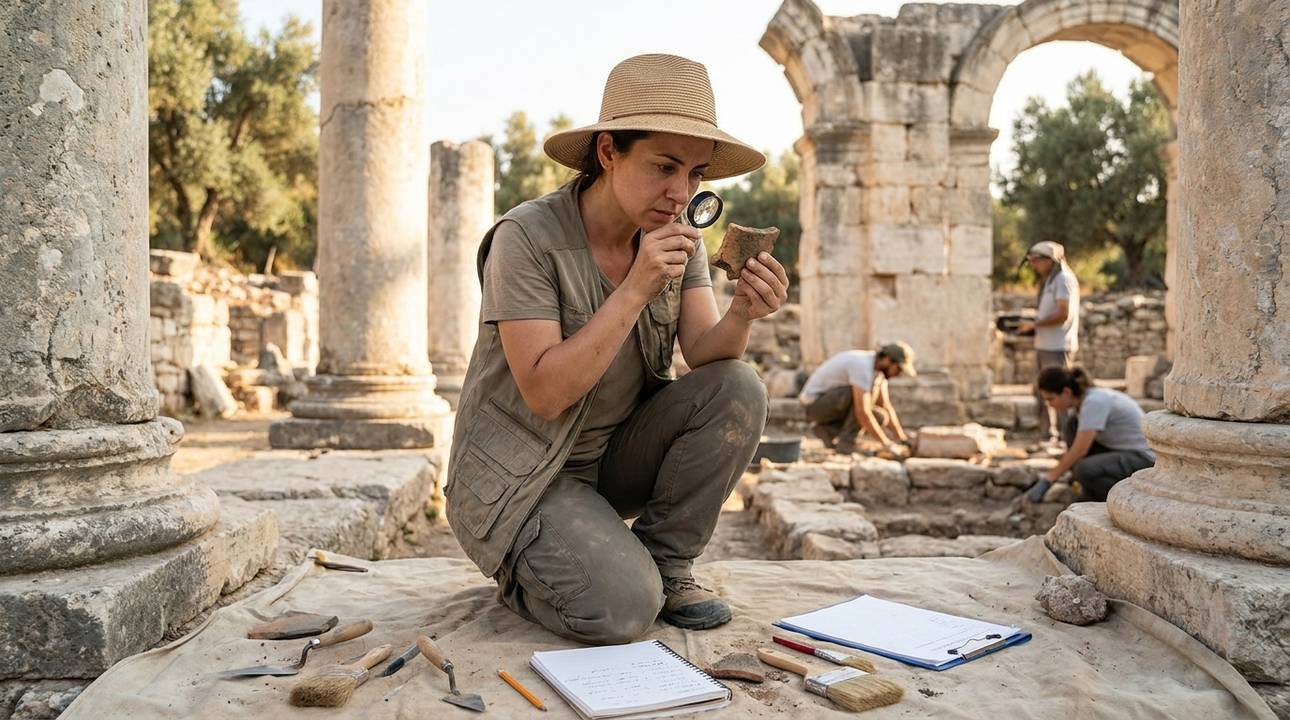
Excavations in Tarsus have uncovered artifacts spanning different periods, including Roman infrastructure and Hellenistic influences. These findings provide insight into the urban planning and daily life of its ancient inhabitants. Significant archaeological sites include ancient fortifications, aqueducts, and remains of public baths. These discoveries enrich our understanding of Tarsus as a city through the ages. The Roman road network, for example, highlights the city’s role as a key transit point in the empire.
The remains of public baths indicate the importance of social and communal activities in Tarsus, reflecting Roman cultural practices. These baths were centers of social life, where citizens gathered not only for bathing but also for discussions and relaxation.
The discovery of coins and pottery further illustrates the city’s economic activities and trade connections. These artifacts reveal the blend of cultures that influenced Tarsus, from Hellenistic art to Roman engineering.
The city’s archaeological heritage continues to provide valuable insights into the complexities of ancient urban life.
The Legacy of Tarsus in Modern Context
Today, Tarsus continues to be a site of historical interest, drawing attention for its archaeological heritage. While the city has modernized, remnants of its storied past remain visible. Preservation efforts aim to maintain the historical integrity of Tarsus, allowing both locals and visitors to appreciate its unique legacy. Sites like the ancient Roman road and Cleopatra’s Gate offer glimpses into the city’s history, connecting the present with its illustrious past.
The Roman road, once a bustling artery of commerce and communication, now serves as a reminder of Tarsus’s strategic importance. This road connected Tarsus to other key cities in the Roman Empire, facilitating trade and cultural exchange.
Cleopatra’s Gate, named after the famous Egyptian queen, symbolizes the city’s connections to significant historical figures, marking her visit to Tarsus in 41 BCE.
These landmarks not only attract tourists but also serve as educational resources, helping to keep the history of Tarsus alive for future generations.

The Importance of Tarsus for Historical Studies
For historians and scholars, Tarsus offers a gateway to understanding the cultural and political dynamics of the ancient world. Its role in historical narratives and classical history makes it a key site for research and study.
The intersections of culture, education, and history at Tarsus provide a microcosm of the larger ancient world, highlighting its enduring relevance. Scholars often explore Tarsus to gain insights into the Hellenistic period and its influence on early thought.
The city’s archaeological sites and historical records offer a wealth of information about the interactions between different cultures and empires. Tarsus’s role in the spread of ideas and philosophies is a sign of its significance in history. For example, it was a hub during the Hellenistic period, facilitating exchanges between Greek and Eastern cultures. Researchers continue to study Tarsus to better understand the complexities of cultural exchange and the development of early communities.
Understanding Tarsus
