
Discovering Mount Seir and Its Historical Importance


Mount Seir is mentioned numerous times in historical texts as a significant location tied to the Edomite people. The landscape holds a deep connection to ancient narratives and provides valuable insights into ancient cultures.
Jacob sends messengers to Esau in the land of Seir, emphasizing its importance as a meeting place. Historical instructions highlight the strategic significance of this area.
This instruction underscores the respect and boundaries set between the Israelites and Edomites.
Historical accounts recount how the Israelites, led by Jephthah, also sought passage through Edomite territory, illustrating Seir’s role as a significant transit route. In this article, we will explore the historical context, notable references, and the cultural role of this region, as depicted through various images and textual descriptions. Join us on this journey through a site of immense historical value, where the echoes of past civilizations continue to resonate in the present day.
from the Western Wall to Masada.
What Is Mount Seir’s Location and Historical Context?
Mount Seir is located in the region south of the Dead Sea, in the present-day territories of southern Israel and Jordan. This mountainous area played a crucial role as the dwelling place of the Edomites, descendants of Esau.
Historically, Edom and this region were known for their rugged terrain and strategic location along ancient trade routes, such as the King’s Highway.
Understanding the geographical and historical context of Mount Seir helps frame its significance in historical events.
The area is characterized by its red sandstone formations, which have inspired many images representing its ancient past. These formations contribute to the unique and striking landscapes that continue to captivate both historians and tourists.
The King’s Highway was a major trade route that passed through this region, further emphasizing its importance in connecting different cultures and economies.
These geographical features not only define the physical landscape but also shape the historical and cultural narratives that have emerged from this storied region.
Historical Mentions of Mount Seir
Mount Seir appears prominently in historical accounts, associated with the Edomites. The region’s role as a crossroads in narratives is highlighted.
Esau, the brother of Jacob, is said to have settled in the hill country of Seir, thus establishing the Edomite nation. These references tie the area to stories of familial ties and tribal dynamics, illustrating its importance as a homeland for Esau’s descendants.
Pictures of the region often depict the ancient landscapes described in these narratives, bringing the text to life through vivid imagery. The terrain of Seir also serves as a backdrop for historical accounts against Edom, highlighting its importance in history. The messages emphasize the tumultuous relationship between the Edomites and their neighbors, reflecting broader themes of conflict and reconciliation that resonate through the text. These narratives and images together provide a mix of historical and cultural insights.
The Role of Mount Seir in Edomite Culture
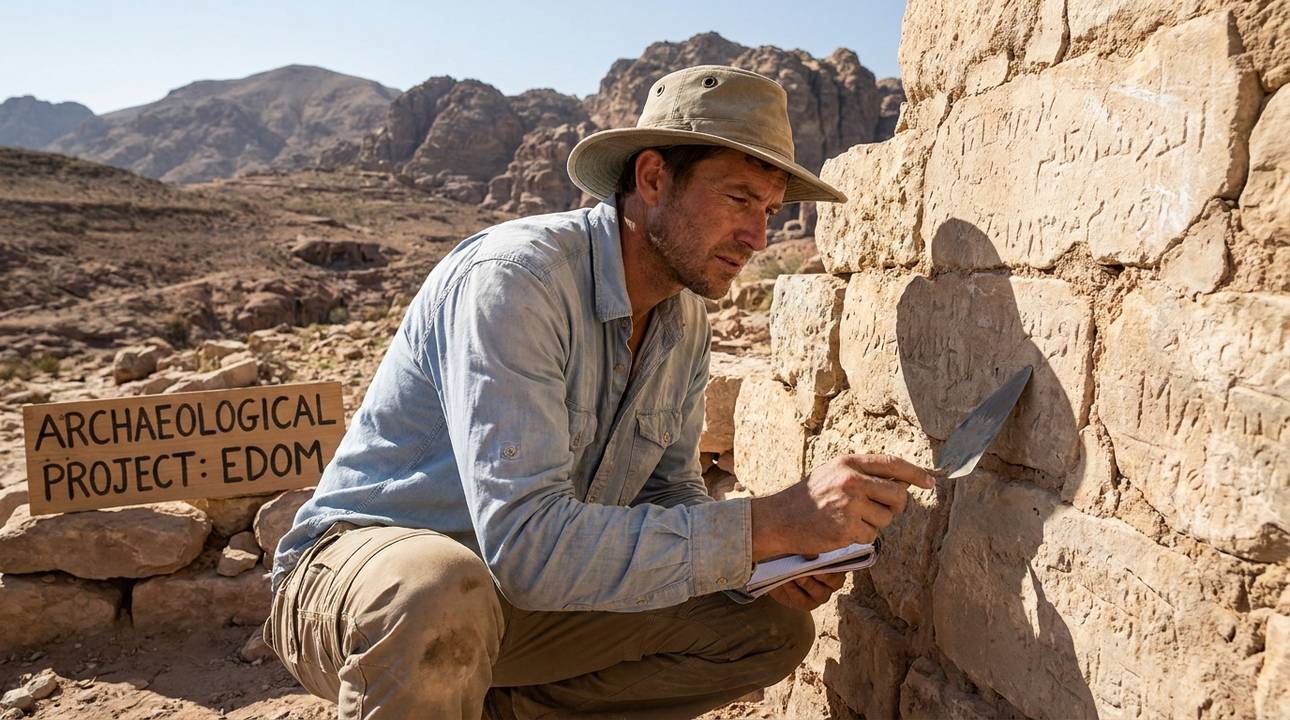
The Edomites, linked to Esau, found Mount Seir to be more than just a homeland. It was a center of their cultural and identity. The rugged terrain and isolation contributed to their distinct way of life, fostering a strong sense of community and resilience. Archaeological finds indicate a heritage of trade and craftsmanship, particularly in metalworks. The imagery of the region often aligns with these cultural aspects, portraying a resilient and resourceful people who thrived in challenging conditions.
This reflects their stronghold in the region. Such cultural insights provide a fuller picture of Mount Seir’s relevance in history, beyond its accounts, emphasizing its role as a center of Edomite civilization.
The Edomites’ ability to adapt and thrive in such a harsh environment is also noted, where their confidence in their high dwelling places is highlighted.
These archaeological insights together paint a vivid picture of a people deeply connected to their land, whose legacy continues to intrigue and inform our understanding of history.
from the Western Wall to Masada.
Archaeological Discoveries at Mount Seir
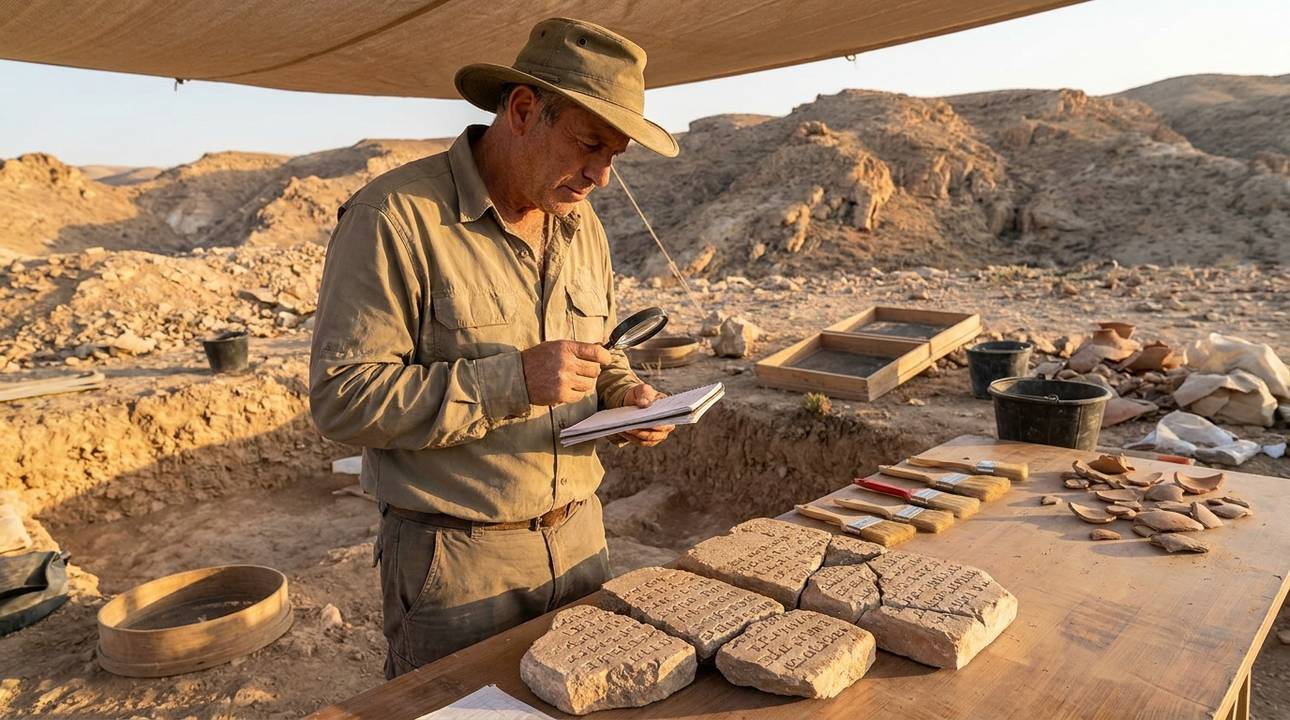
Excavations in and around Mount Seir have revealed artifacts from the Edomite civilization. These include pottery, inscriptions, and tools, evidence of a thriving society adept in agriculture and trade. These findings offer a glimpse into the daily life and skills of the Edomites. Archaeological findings shape our visual understanding of the area, with many pictures highlighting the remnants of ancient settlements. The site serves as a sign of the enduring human presence in this region, capturing the imagination of historians and visitors alike.
The discovery of Edomite inscriptions further illustrates their interactions with neighboring tribes.
Such discoveries help us appreciate the role of the region not only in historical texts but as a cultural and historical landmark, showcasing its significance in the ancient world.
These interactions, often marked by both cooperation and conflict, shed light on the complex dynamics of ancient Near Eastern societies.
Through these artifacts and inscriptions, we gain a deeper appreciation of the Edomites’ contributions to regional history and their lasting impact on the cultural landscape.
Mount Seir Today: Current Understanding and Significance
Today, Mount Seir continues to intrigue scholars and tourists alike. Modern studies focus on its ecological and archaeological significance, while visitors are drawn to its striking landscapes. Photos of the area depict its timeless beauty, showcasing both historical intrigue and natural allure.
Current research aims to uncover more about the social dynamics and environmental adaptation of its ancient inhabitants. The writings of Josephus, a first-century historian, also mention the region, providing additional historical context.
His accounts offer insights into the interactions between the Edomites and neighboring peoples. Mount Seir thus remains a site of continuous study, reflecting its ongoing importance in both historical and contemporary contexts.
The area’s archaeological findings, including pottery and inscriptions, continue to shed light on the life and culture of its ancient inhabitants.
Conclusion: the Legacy of Mount Seir
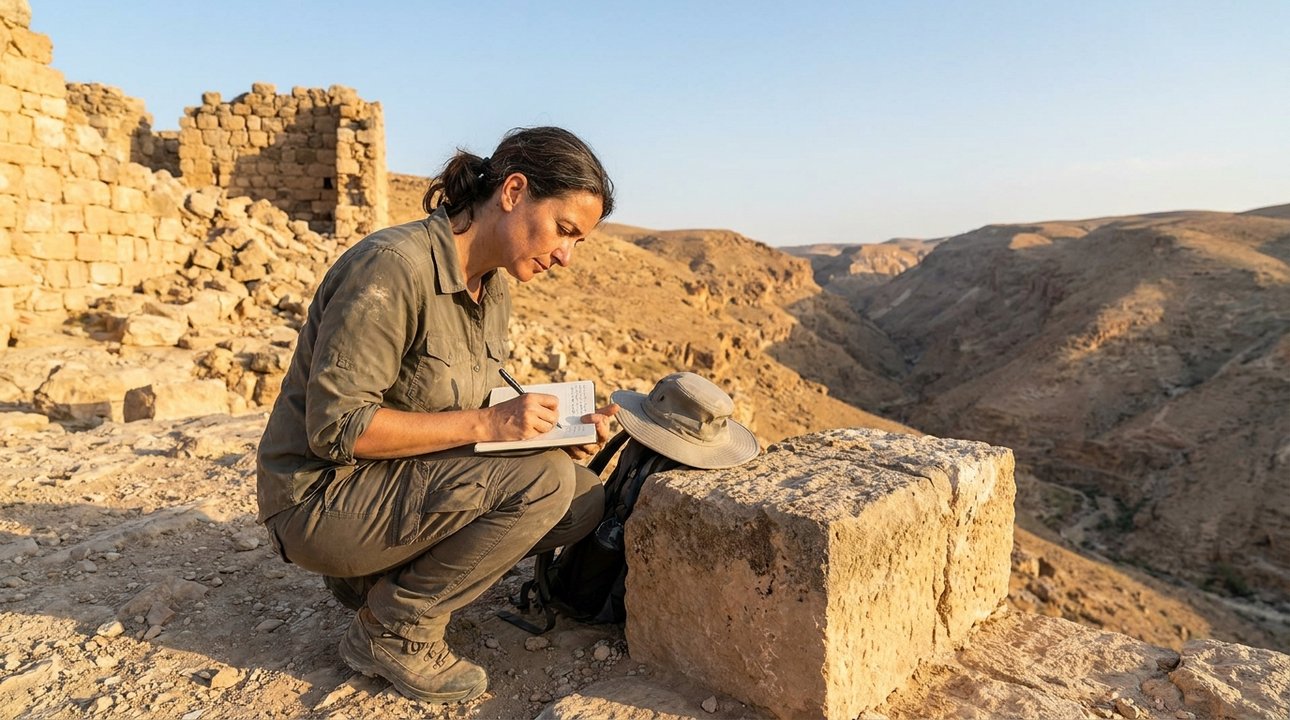
Mount Seir’s legacy as described in historical texts, combined with archaeological and cultural insights, highlights its multifaceted importance. This region is not only significant in narratives but also holds real-world history as a place where the Edomites, descendants of Esau, settled. Pictures of the area offer a window into its grandeur and legacy, projecting an evocative image of history set against the backdrop of striking landscapes. These images capture the rugged beauty of the region, with its red sandstone formations and dramatic vistas.
Exploring such places and their histories deepens our connection to tales and the culture of past civilizations. By visiting or viewing images of Mount Seir, one can appreciate the legacy of a place that has witnessed countless historical events and narratives. The visual and historical elements of the region serve as a bridge connecting the past with the present, inviting us to reflect on the stories and lessons that continue to shape our understanding of identity and heritage. This connection enriches our appreciation of the enduring cultural and history of Mount Seir.
Understanding Mount Seir
