
Discovering the Valley of Hamon-Gog’s Modern Context


The Valley of Hamon-Gog is mentioned in the Book of Ezekiel, specifically in chapter 39, verse 11, as a burial place following a great battle involving Gog and Magog. This battle is part of a prophetic vision that many scholars interpret as a representation of ultimate opposition and conflict. Exploring its place in historical context, this article delves into various interpretations and their relation to our understanding today, providing insights into its historical and cultural role.
The valley is portrayed as a burial site for the forces of Gog, symbolizing the defeat of chaos and the restoration of order. This imagery has led to various interpretations, with some scholars suggesting it represents a spiritual battleground rather than a physical place.
from the Western Wall to Masada.
The valley’s mention in Ezekiel is part of a larger eschatological vision, where the forces of Gog and Magog are defeated. This narrative, found in Ezekiel 38-39, has inspired numerous interpretations, each adding layers to its cultural and spiritual significance.
The fascination with Hamon-Gog reflects its role in the broader theme of justice and restoration, captivating scholars and believers alike. It serves as a symbol of hope and renewal, reminding readers of the ultimate triumph of good over adversity.
What Is the Valley of Hamon-Gog?
The Valley of Hamon-Gog is referenced in Ezekiel as the future burial site for those fallen in a climactic battle. This location is part of a prophetic vision describing a major confrontation involving Gog, a figure representing ultimate opposition. The word ‘Hamon’ means tumult or multitude, indicating the many who would be interred there.
In the context of prophecy, the valley becomes a symbol of triumph over chaos. This narrative has been a subject of intrigue for scholars and theologians, who explore its implications for understanding themes of conflict and resolution.
The valley’s symbolic role extends beyond its geographical significance, showing the broader themes of justice and renewal in literature. This symbolism is echoed in other stories, where intervention leads to a new beginning.
Historical Context of Hamon-Gog
The prophecy details an extraordinary event where Gog, alongside his allies, challenges Israel. Following their defeat, the Valley of Hamon-Gog becomes their burial ground. The sheer number of fallen necessitates a designated area for burial.
The valley’s role in this prophetic vision underscores the themes of justice and the ultimate triumph of good. These themes resonate through many narratives, offering a lens through which to view the ongoing struggle between chaos and order.
Historical Interpretations
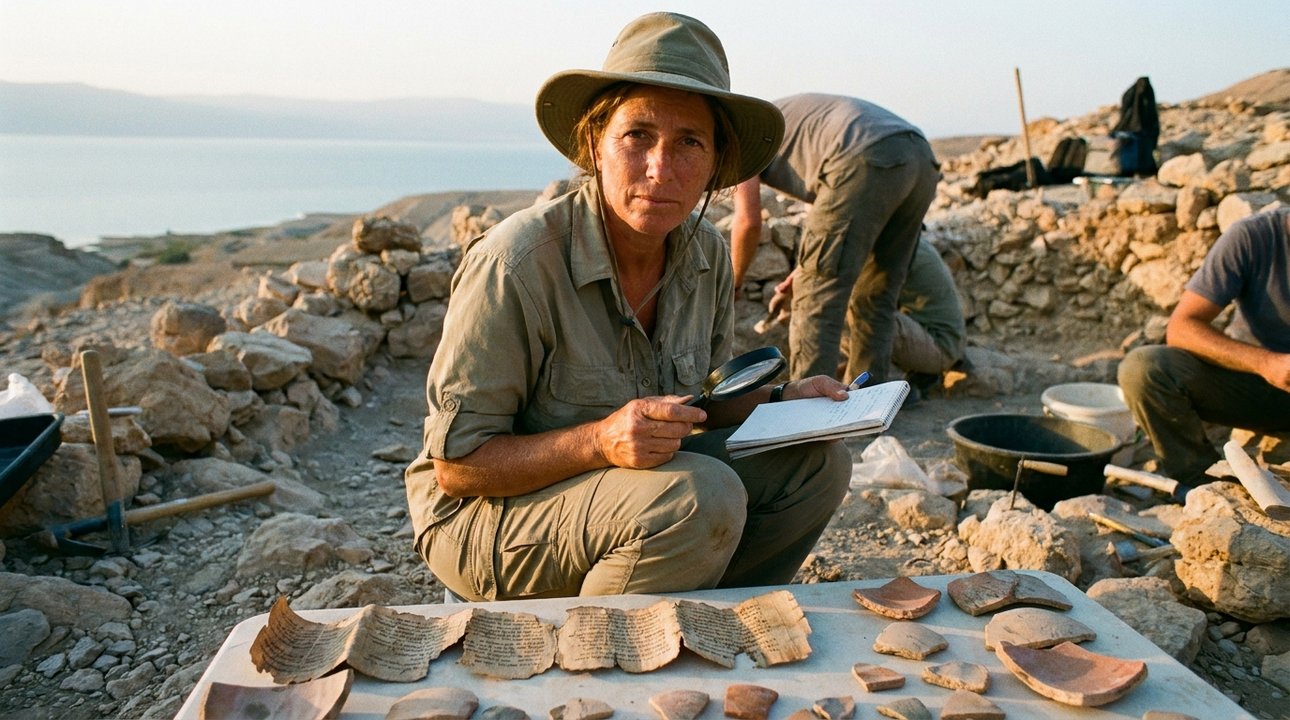
The identification of this valley has perplexed scholars and believers. Traditionally, it is envisioned east of the Dead Sea, an area often associated with prophetic activities. Historical and archaeological evidence remains speculative.
Yet its symbolic role as a place of finality and transition persists in theological discussions. The valley’s elusive nature invites ongoing study and reflection, bridging ancient texts with contemporary insights.
As scholars continue to explore its potential locations, the valley remains a focal point for discussions on prophecy, geography, and symbolism. The ongoing search for its precise location involves examining ancient maps and texts, with some theories placing it in Northern Israel.
Modern Views on Hamon-Gog
In contemporary discussions, the Valley of Hamon-Gog is often allegorized as an end-times event rather than a physical location. Its interpretation varies among Jewish, Christian, and academic circles.
from the Western Wall to Masada.

Cultural Role
The Valley of Hamon-Gog resonates as a part of the culture woven through historical texts. It not only represents a place mentioned in the Bible but also a pivotal moment of triumph. Throughout Jewish history, this site has sparked imagination and debate, influencing art and religious thought.
As part of the narrative, it adds depth to the theological landscape of restoration and hope, reflecting themes of renewal and justice. The valley’s symbolic role has inspired artistic representations and theological discussions, highlighting its significance in Jewish heritage.
The Challenge of Locating Hamon-Gog
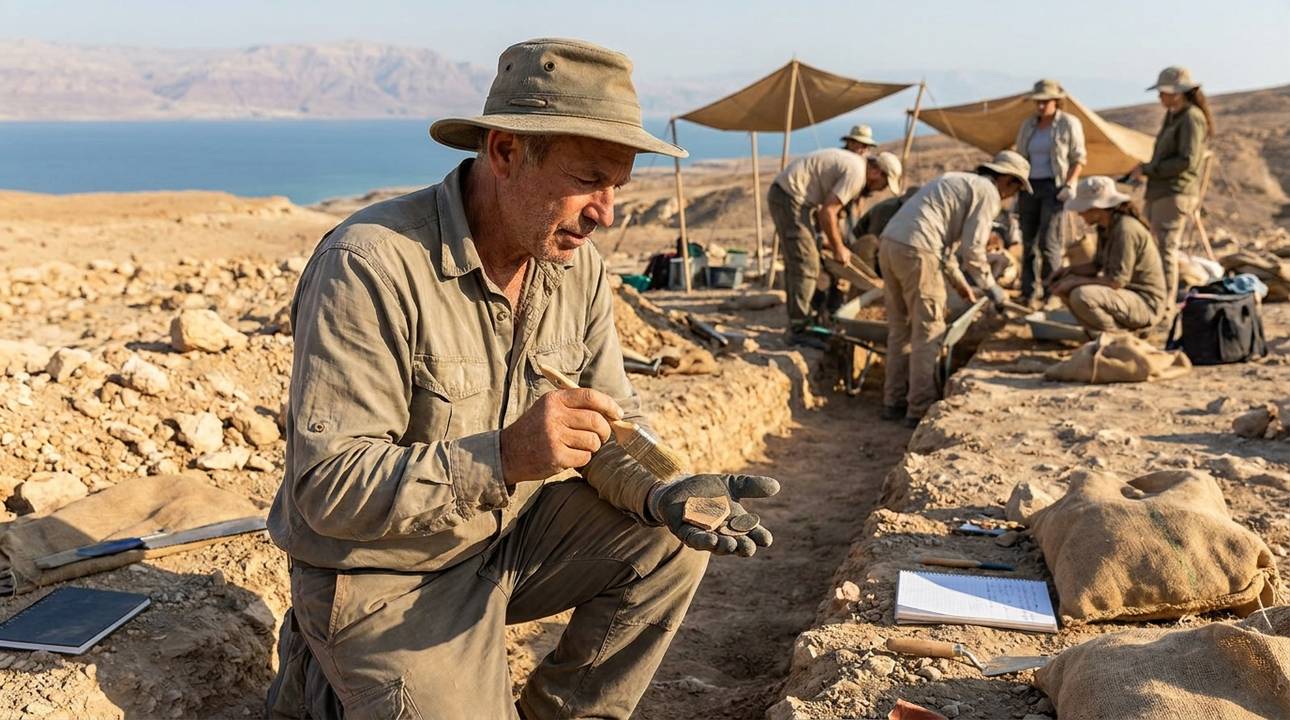
Locating the Valley of Hamon-Gog today involves interpreting geographical clues from ancient texts. Modern technology allows scholars to propose locations based on textual analysis combined with geographical data.
This dual consideration enriches both academic and faith-based approaches to historical texts, offering varied perspectives on its significance. The valley’s elusive nature invites ongoing study and reflection, bridging ancient texts with contemporary insights.
Conclusion: the Legacy of Hamon-Gog
Ultimately, the Valley of Hamon-Gog endures in historical texts as a profound symbol. Whether viewed as a physical entity or as a narrative construct, its presence in prophecies continues to intrigue and inspire.
The valley’s role in these prophecies highlights the themes of justice and restoration that are central to many narratives. Throughout Jewish history, the valley has been a source of inspiration for artists and theologians, who have explored its meaning through various forms of expression.
The valley’s mention in Ezekiel is part of a larger eschatological vision, where the forces of Gog and Magog are defeated. This narrative, found in Ezekiel 38-39, has inspired countless interpretations, each adding layers to its cultural and spiritual significance.
The enduring fascination with Hamon-Gog reflects its role in the broader theme of justice and restoration, captivating scholars and believers alike. It serves as a potent symbol of hope and renewal, reminding readers of the ultimate triumph of good over adversity.
Explore Lev Haolam
While the Valley of Hamon-Gog invites exploration within historical thought, Lev Haolam offers you a tangible connection to Israel’s current landscapes. By purchasing our curated gift boxes, you support Israeli small businesses and foster a connection to this historic land. These boxes may include products crafted by local artisans, allowing you to experience the cultural heritage of Israel while contributing to its economy and community.
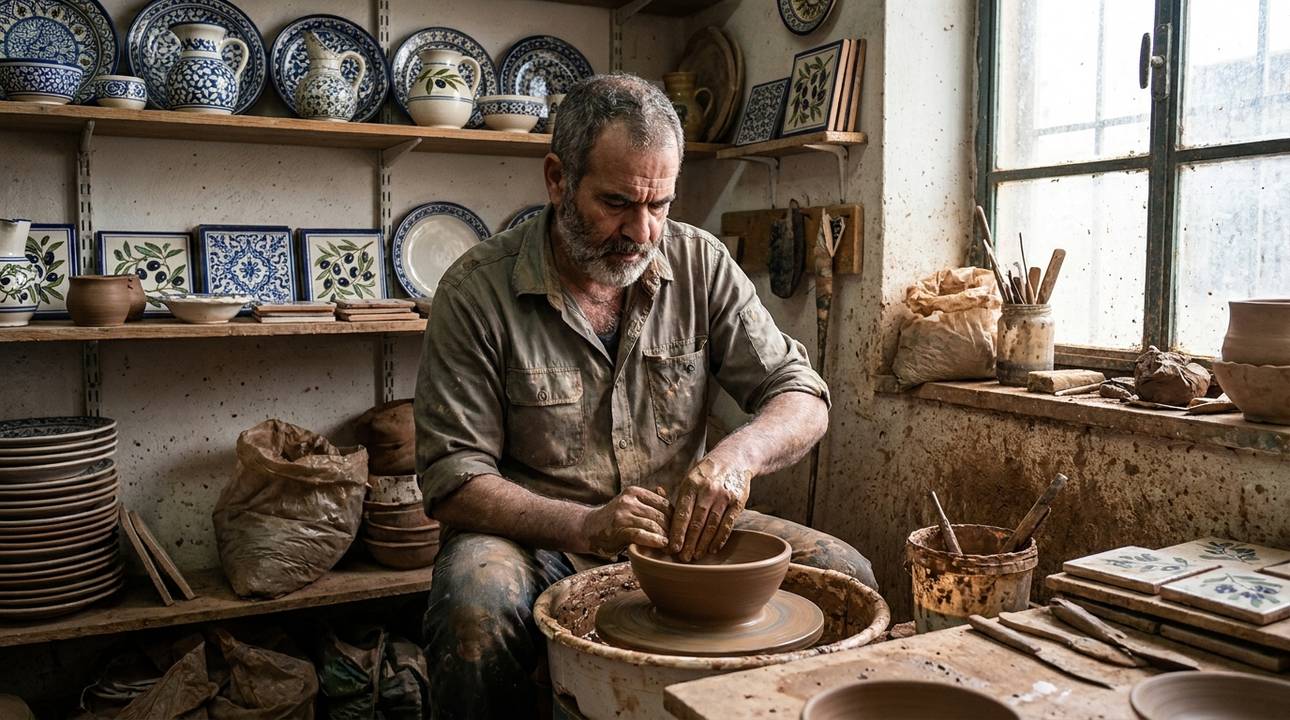
The artisans who create these products often draw inspiration from the same landscapes and historical narratives that have shaped Israel for centuries. By supporting them, you are not only receiving unique, handcrafted items but also nurturing the cultural and economic life of the region.
Understanding Hamon-Gog
