
Exploring Edom: A Journey Through Time and Space
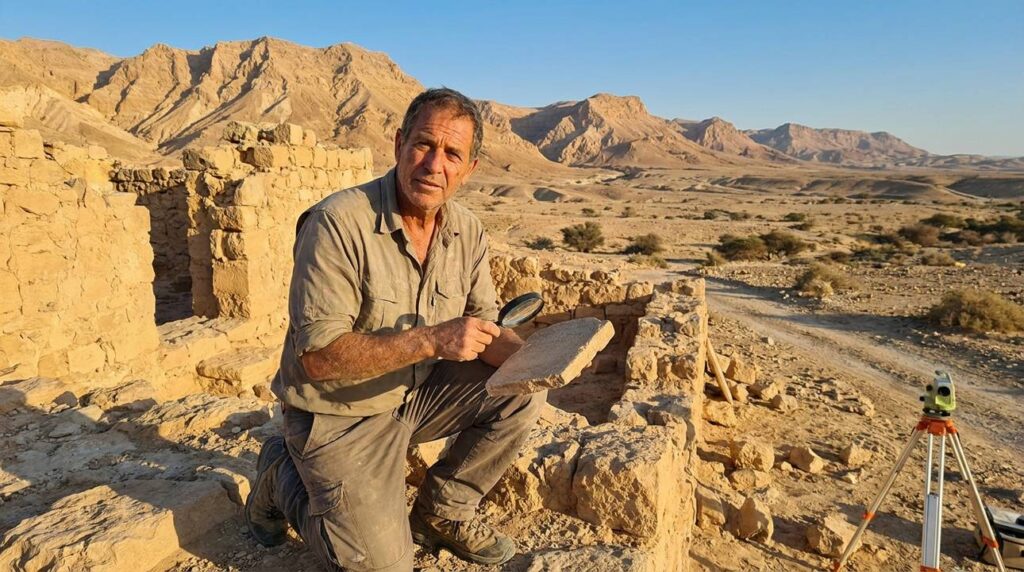

Edom, a region mentioned in ancient texts, lies in what is now southern Jordan and parts of Israel. This area, known for its rugged terrain, is referenced in several historical accounts. The region is rich in archaeological sites, including Petra, which was once a thriving trade center. These sites provide insights into the historical and cultural contexts of Edom, highlighting its interactions with neighboring regions.
Edom’s strategic location made it a vital link in trade routes connecting Arabia with the Mediterranean. The kingdom’s history is intertwined with that of Israel and Judah. Archaeological findings, such as pottery and inscriptions, reveal a complex society with influences from surrounding cultures. These discoveries continue to enrich our understanding of Edom’s role in the ancient world. The quest for independence highlights Edom’s unique contributions to history.
from the Western Wall to Masada.
The pottery and inscriptions found in Edom display a blend of local and foreign styles, indicating cultural exchanges with neighboring regions. These artifacts provide valuable insights into the daily life and artistic achievements of the Edomites. Edom’s interactions with Israel and Judah, as well as other neighboring cultures, reflect the dynamic and interconnected nature of the ancient Near East. Analyzing Edom’s archaeological and textual records offers a deeper understanding of its history.
Where Was Ancient Edom Located?
Edom was situated south of the Kingdom of Judah, extending into parts of today’s southern Jordan and the Negev desert in Israel. Historical texts often describe Edom as a hilly region with important trade routes connecting it to other lands. Archaeological findings have revealed settlements and fortifications confirming its history as a crossroads of ancient commerce. The King’s Highway, a major trade route, passed through Edom, facilitating the exchange of goods and ideas.
The strategic location of Edom made it a vital link between Arabia and the Mediterranean, influencing its economic and political importance. Fortifications such as those found at Tel el-Kheleifeh demonstrate Edom’s role in protecting these trade routes.
These archaeological insights provide a clearer picture of Edom’s role in regional trade networks, highlighting its significance in the ancient economy. The region’s geography and resources contributed to its prosperity and influence in the ancient Near East.
History of Edom
Edom is frequently mentioned in ancient texts, notably as the descendants of Esau. Historical accounts recount periods of conflict and cooperation between Edom and its neighbors, highlighting the interconnectedness of ancient Near Eastern societies. Key passages offer insights into Edom’s role in regional geopolitics, with implications for understanding historical alliances and rivalries.
The relationship between Edom and Israel is complex, marked by both hostility and kinship. Historical narratives provide a framework for understanding the political landscape of the time, shedding light on the alliances and conflicts that shaped the history of the ancient Near East. The story of Edom and its interactions with Israel and Judah is a sign of the intricate web of relationships in the region.

Historical References to Edom
Edom appears in various historical stories, from the travels of the Israelites to prophecies of the prophets. This refusal highlights the tension between the two groups, as Edom was a key region on the route to the land of Israel. Prophets include visions concerning Edom, often tied to themes of judgment and redemption.
Prophecies against Edom condemn its actions against Judah. These visions reflect the complex relationship between Edom and its neighbors, emphasizing the moral and ethical expectations of the time. The narrative portrays Edom as both a physical and symbolic entity, representing challenges and opportunities for the Israelites. Through these stories, we gain insight into the historical dynamics of the ancient Near East.
Archaeological Discoveries in Edom
Excavations in Edom have uncovered evidence of early metallurgy, revealing a society proficient in copper production. This is evident at sites like Khirbat en-Nahas, where extensive smelting activities took place. The technological advancements in metallurgy highlight Edom’s role in the ancient economy. Sites like the fortress at Bozrah give us a glimpse into Edomite urban planning and defense mechanisms. Bozrah was a significant city, showcasing the architectural and strategic skills of the Edomites.
Artifacts such as pottery and inscriptions offer a window into the daily life and culture of its ancient inhabitants. These findings include Edomite pottery, which often features distinctive designs and motifs, reflecting both local and foreign influences. The inscriptions provide valuable insights into the language and administrative practices of Edom, further enriching our understanding of its society. These discoveries help us piece together the cultural and historical narrative of this region.

Edom’s Geographic Features
The landscape of Edom is characterized by rugged hills and deep valleys, shaping its historical development. Mount Seir, a prominent geographical feature, is often associated with Edom in historical texts. These natural formations influenced settlement patterns and trade routes, making Edom a crucial passage for caravans traveling between Arabia and the Mediterranean. The terrain provided both challenges and opportunities for the inhabitants of Edom.
The strategic location of Edom’s landscape facilitated trade and cultural exchanges, contributing to its economic prosperity. The natural defenses offered by the hills and valleys also provided protection against potential invaders.
The interplay between Edom’s geography and its historical development underscores the importance of the region in the ancient world. By studying the landscape and its influence on Edom’s history, we gain a deeper appreciation for the kingdom’s role in the ancient Near East.
The challenging terrain of Edom also provided natural defenses, contributing to the kingdom’s ability to maintain its independence at various times. The valleys and mountains created natural barriers, which were advantageous for both defense and control of trade routes.
This geographical advantage allowed Edom to thrive as a center of commerce and culture, despite the harsh conditions of the desert environment. The rugged landscape, including the prominent Mount Seir, played a crucial role in Edom’s historical development.
Mount Seir, often associated with Edom in historical texts, served as a natural fortress, offering protection from invaders. The strategic use of the terrain is evident in the fortified cities and settlements that dotted the region. These natural defenses, combined with Edom’s control of trade routes, contributed to its economic prosperity and cultural influence. The interplay between geography and human ingenuity allowed Edom to flourish in the challenging environment of the ancient Near East.
Edom’s Cultural Influence
Edomite culture was rich in tradition, with influences seen in language, art, and religion. The Edomite script, a variation of the Phoenician alphabet, reflects the region’s connections to neighboring cultures and is evidenced by inscriptions found in archaeological sites. Religious practices included worship of deities such as Qos, unique to the Edomites, illustrating their distinct cultural identity.
from the Western Wall to Masada.
The art and artifacts of Edom reveal a society that valued both local traditions and external influences. Pottery, jewelry, and other cultural artifacts show a blend of styles, indicating interactions with neighboring peoples such as the Moabites and Ammonites. These cultural exchanges enriched Edomite society, contributing to its unique identity within the mix of the ancient Near East. The influence of Egyptian and Assyrian motifs in Edomite art suggests a dynamic exchange of ideas and aesthetics.
The presence of foreign styles in Edomite artifacts points to trade and diplomatic relations with surrounding regions. This blend of influences is evident in the intricate designs of Edomite jewelry, which often incorporate motifs from distant cultures. By examining these artifacts, we gain a deeper understanding of the interconnectedness of ancient societies and the role of Edom as a cultural crossroads. This mix of influences shaped the identity and legacy of Edom in the ancient world.

Modern Interpretations of Edom
Modern scholars study Edom to understand its role in the broader context of Near Eastern history. The region is often explored for its connections to trade, technology, and cultural exchanges in antiquity, as evidenced by the copper mining activities at Timna. Current research aims to piece together the historical narratives from fragmented archaeological and textual evidence. These studies shed light on the complex history of Edom.
Historical accounts speak of Edom’s downfall, emphasizing the themes of pride and judgment. This account provides context for understanding the historical and theological significance of Edom. The ongoing research into Edom’s history helps to fill gaps in our knowledge, revealing the interconnectedness of ancient societies. By examining both archaeological and textual evidence, scholars continue to unravel the mix of Edom’s past.
Exploring Edom’s role in ancient trade networks reveals its importance as a conduit for goods and ideas between different cultures. This has implications for our understanding of economic and technological developments in the ancient world. As scholars continue to investigate, the history of Edom becomes clearer, adding depth to our knowledge of the interactions that shaped the ancient Near East. The copper mining activities at sites like Timna highlight Edom’s role in the regional economy.
Edom’s position along key trade routes facilitated the exchange of goods such as spices, textiles, and metals, contributing to its prosperity. The interactions between Edom and neighboring regions fostered cultural and technological exchanges.
These exchanges are evident in the archaeological record, which reveals a society that was both influenced by and influential in the broader ancient world. Examining Edom’s trade networks continues to enrich our understanding of the economic and cultural dynamics of the region.
Edom Today: Present-Day Context
Today, the area once known as Edom is part of southern Jordan and the Israeli Negev. The modern landscape is dotted with towns like Aqaba and Eilat, which serve as gateways to the historical sites of the region. Archaeological sites such as Timna Park, known for its ancient copper mines, offer glimpses into the past. Efforts to preserve these sites are crucial for understanding the cultural and history of Edom. The preservation of these sites allows us to connect with the ancient world.
Timna Park, with its iconic Solomon’s Pillars, showcases the impressive mining techniques of the ancient Edomites. The park’s copper mines are among the oldest in the world, highlighting Edom’s role in early metallurgy.
These historical sites not only attract tourists but also serve as important research locations for archaeologists and historians. The preservation and study of these sites are vital for piecing together the history of Edom and its contributions to the ancient world.
The preservation of Edom’s archaeological sites is supported by organizations and governments, aiming to protect the region’s heritage. These efforts highlight the ongoing significance of Edom’s historical sites, as they reveal details about trade, religion, and daily life in the region. The interplay of modern development and historical preservation creates a unique narrative, where past and present coexist, offering a rich narrative for both locals and visitors.

Conclusion: Edom’s Legacy
Edom’s legacy continues to intrigue historians and archaeologists alike. As we uncover more about this region, we gain understanding of its influence on history and modern regional identities. The discovery of sites like Bozrah provides valuable insights into Edom’s role in regional politics and trade. Exploring Edom’s past allows us to appreciate the cultural dynamics of the ancient Near East. Each archaeological find adds to the narrative of Edom’s history.
Bozrah, a significant city in Edom, was a center of trade and military activity. The city’s strategic location and fortifications reflect its importance in the ancient world. Through examining Edom’s archaeological sites and historical references, we gain a deeper understanding of the region’s impact on history and culture. Edom’s legacy is a sign of the enduring influence of ancient societies on our modern world.
The ongoing archaeological work in Edom helps to piece together its historical narrative, offering a clearer picture of its interactions with neighboring kingdoms. These discoveries not only illuminate Edom’s past but also enhance our understanding of the broader historical and cultural landscape of the region. As research continues, Edom’s story becomes an integral part of the mix of ancient Near Eastern history. The findings from sites like Petra, once a thriving Edomite city, provide valuable insights into the kingdom’s urban development.
Excavations at Petra have uncovered intricate rock-cut architecture, reflecting the advanced engineering skills of the Edomites. These structures, along with other archaeological findings, paint a vivid picture of Edom’s cultural and economic achievements.
Understanding Edom’s historical narrative is crucial for grasping the complex interplay of cultures in the ancient Near East. Each discovery adds a new layer to our knowledge, revealing the depth and richness of Edom’s legacy.
Historical and Geographical Context of Edom
