Uncovering the Mystery of Lud: Past and Present
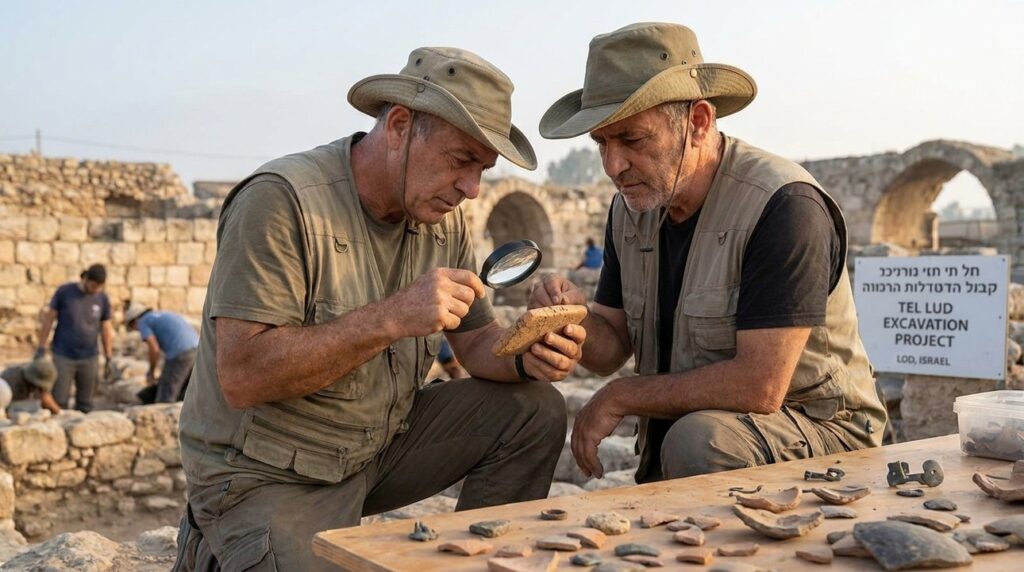

Lud holds a significant yet often overlooked place in history. Historically, Lud is associated with the region known as Lydia in western Anatolia, now part of modern-day Turkey.
This area was known for its fertile lands and strategic location, which contributed to its prominence. The city of Sardis, Lydia’s capital, was famous for its wealth and innovation.
Sardis, as the capital of Lydia, was a center of wealth and cultural development. The city’s prosperity was partly due to its strategic position on trade routes connecting Asia Minor with the Mediterranean.
The historical references to Lud emphasize its significance in the ancient world. By examining these connections, we gain a deeper understanding of the region’s role in shaping historical narratives and its lasting impact on cultural development.
from the Western Wall to Masada.

What Was Lud in the Bible?
Lud is linked to the descendants of Shem, one of Noah’s sons. Located in the region of Lydia, its inhabitants are referred to in several passages. Lud’s significance is also seen in its mention alongside important regions in historical contexts. This connection places Lud within the broader narrative of the descendants of Shem, highlighting its historical and cultural role.
The genealogical listing positions Lud among the early post-flood civilizations, emphasizing its historical origins. This lineage underscores the interconnectedness of various peoples in ancient narratives.
The mention of Lud in prophetic contexts further affirms its role in historical worldviews. These references suggest that Lud was recognized as a significant entity with enduring influence throughout history.
Lud’s reference in historical texts often associates it with archers and warriors. This suggests that the people of Lud were known for their skills in warfare and perhaps their contributions to regional security. Lud is grouped with other regions as supplying soldiers to Tyre, an ancient Phoenician city.
These references indicate that Lud was perceived as a significant military power in historical contexts.
The association with archers and warriors suggests that Lud’s inhabitants were highly skilled in combat, possibly serving as mercenaries or allies to neighboring states. This martial prowess would have been crucial in maintaining the security and influence of the region.
The references to Lud as a source of warriors reflect the broader geopolitical landscape of the ancient Near East, where alliances and military strength were key to survival and prosperity.
Lud’s Location in Antiquity
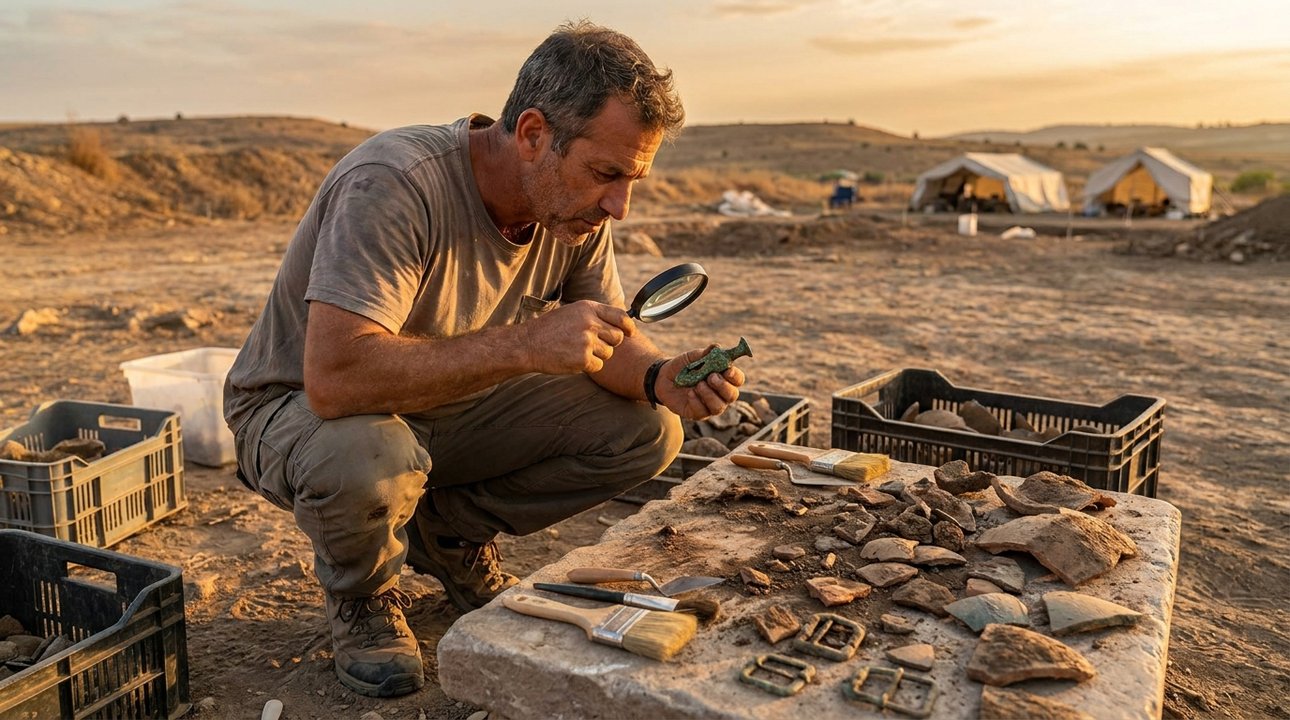
Historically located in western Anatolia, Lud was part of the region known to the Greeks as Lydia. This area, now in modern-day Turkey, was fertile and rich in resources, contributing to its prosperity. Lydia was strategically positioned near key trade routes, enhancing its economic importance. The capital, Sardis, was known for its wealth and innovations, including the first use of minted coins. Lydia’s strategic location and resources made it a significant player in ancient commerce and politics.
The fertile lands of Lydia supported agriculture, while its mineral resources provided materials for trade and industry. This combination of factors contributed to Lydia’s economic strength and cultural influence.
The strategic location of Lydia allowed it to control important trade routes, facilitating exchanges between the East and West. This position enabled Lydia to thrive as a commercial and cultural hub, influencing neighboring regions and beyond.
The Lydians, associated with Lud, were among the first to use coined money, influencing trade dynamics. Herodotus, an ancient Greek historian, wrote about Lydia, adding to the historical understanding of its role in classical antiquities. According to Herodotus, the Lydians were also known for their luxurious lifestyle and innovations.
This demonstrates the far-reaching influence and affluence of the region during its peak. The introduction of coinage, often attributed to King Alyattes, revolutionized trade by providing a standardized medium of exchange.
The use of coins allowed Lydia to dominate regional trade networks, facilitating exchanges with Greece and the Near East. This economic power contributed to Lydia’s reputation as a wealthy and influential kingdom. Herodotus also noted the Lydians’ cultural contributions, such as their musical and artistic achievements.
These historical accounts underscore Lydia’s role as a cultural and economic hub, with its innovations leaving a lasting impact on the ancient world. The legacy of Lydian coinage continues to be recognized in modern economic systems.
Lud in Historical Context
In historical texts, Lud is mentioned as part of future events involving distant nations. Lud is listed among those who will witness significant events, indicating its inclusion in a broader vision of interconnected peoples.
Lud is described as a source of warriors, further highlighting its perceived importance. These mentions underscore Lud’s role beyond mere geography, illustrating its symbolic significance in historical narratives.
The references to Lud suggest a vision of unity and cooperation among diverse nations. This inclusion emphasizes the interconnectedness of ancient peoples and their shared destinies. Lud’s role in these narratives reflects its symbolic importance as a representative of broader themes of unity and collaboration. These narratives continue to resonate, showing the historical worldview and its vision for a harmonious future.
The texts suggest that Lud played a broader role in illustrating an interconnected world. Lud is part of a vision where diverse nations come together to witness significant events, symbolizing unity and cooperation among different peoples.
This inclusion in literature highlights Lud’s representative role, serving as a metaphor for the collective aspirations of humanity. The narrative underscores the importance of collaboration and shared purpose in achieving a harmonious world.
Lud’s mention reflects its symbolic role in the vision of a united world. This portrayal emphasizes the interconnectedness of ancient societies and their shared destinies. The inclusion of Lud suggests a broader message of unity and cooperation, resonating with themes of peace and collaboration. These narratives are still remembered, showing the perspective on human relationships and global harmony.

Lud in Today’s World
Today, the region known as Lydia encompasses parts of modern western Turkey. The city of Sardis, an important ancient Lydian site, is an archaeological focus, revealing insights into the region’s past. Sardis was once the capital of the Lydian Empire, known for its wealth and the legendary King Croesus. Contemporary studies continue to explore the history and cultural heritage of this area, linking it to historical Lud. Excavations have unearthed artifacts like pottery and coins, providing a glimpse into ancient life.
from the Western Wall to Masada.
The Lydian kingdom’s strategic location made it a crossroads of trade and culture, influencing neighboring regions. Lud is associated with warriors and commerce. This connection highlights the history of Lydia in both historical and secular narratives. The ongoing archaeological efforts in Sardis and other sites aim to uncover more about the daily lives of its inhabitants and their interactions with other ancient societies.
Modern scholarly efforts analyze historical texts and records to better understand Lud’s role and location. Although the exact modern equivalent is debated, the ongoing research enriches our knowledge of the ancient Near East. Scholars compare historical references with archaeological findings to piece together Lud’s historical context.
Lud remains a point of interest for historians and archaeologists seeking connections to historical accounts. New discoveries in the region continue to shed light on the cultural and political landscape of ancient Lydia.
The debate over Lud’s precise location highlights the challenges of interpreting ancient texts and aligning them with modern geography. Despite these uncertainties, the study of Lud offers valuable insights into the interconnectedness of ancient societies.
By examining artifacts, inscriptions, and historical records, researchers aim to clarify Lud’s role in narratives and its influence on surrounding regions. This ongoing research underscores the importance of interdisciplinary approaches in understanding the ancient world.
Archaeological Discoveries Linked to Lud
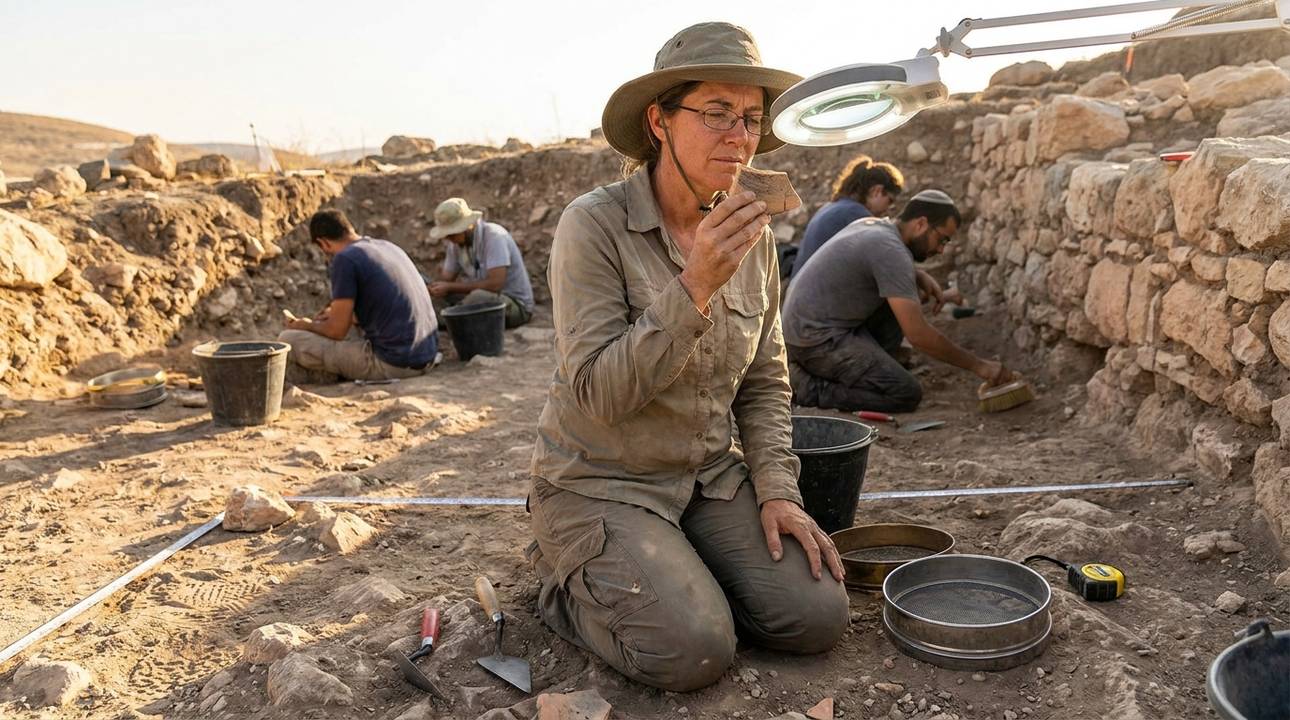
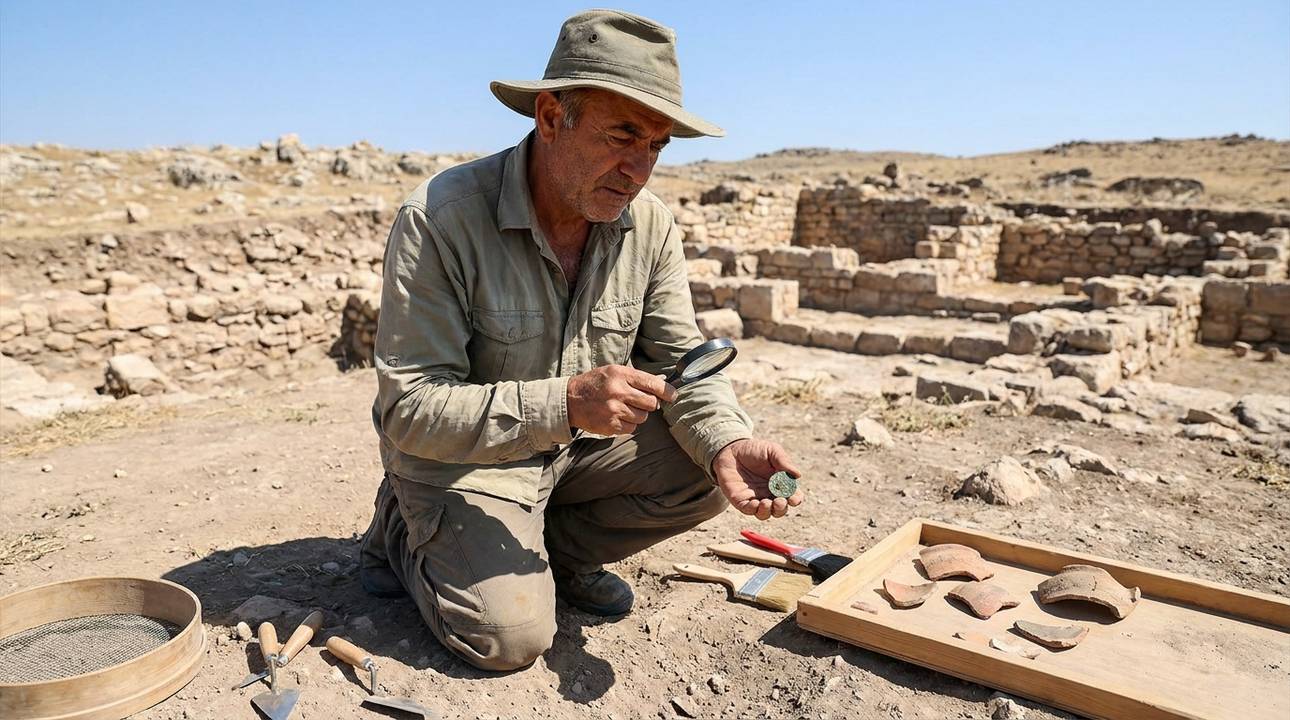
Excavations in areas historically linked to Lud have uncovered artifacts that shed light on its ancient culture. Among these findings are inscriptions that reveal aspects of the language and governance of the time. Pottery fragments provide insights into everyday life, including domestic practices and artistic expressions.
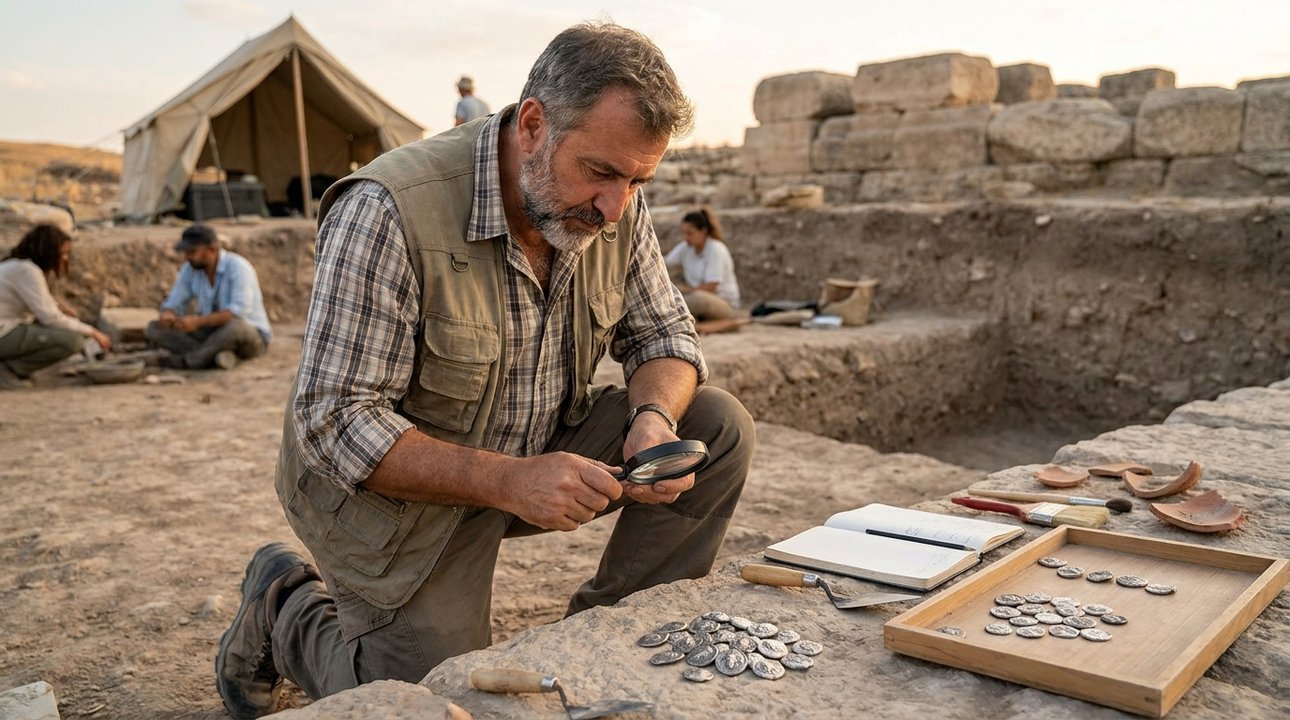
Coins discovered in the region offer clues about trade and economy, reflecting Lydia’s role as a hub of commerce. These artifacts collectively enrich our understanding of Lud’s historical context and its people’s way of life.
The discovery of unique items in Lydia supports its status as a significant political and economic power. Artifacts such as intricately designed jewelry and pottery reflect the region’s artistic achievements and cultural richness. Excavations in Sardis have revealed treasures like gold coins and ornate sculptures.
These findings provide a tangible link to historical narratives, illustrating the influence Lydia exerted in the ancient world. The archaeological evidence continues to inform our understanding of Lud’s role and its contributions to history.
The wealth of artifacts unearthed in Lydia showcases the region’s advanced craftsmanship and aesthetic sensibilities. These items not only highlight the artistic talents of the Lydians but also their ability to engage in extensive trade networks. The archaeological discoveries in Lydia offer a window into the daily lives and cultural practices of its people, enriching our understanding of their society. The continued exploration of these sites promises to reveal more about the history of Lud and its legacy.
Lud’s Cultural Legacy
Lud’s legacy endures through various cultural references, emphasizing its historical impact. Lydia’s culture, known for artistic and technological advancements, leaves a lasting impression on history. The region was a center of innovation, with contributions such as the development of coinage and advancements in metallurgy. Historical texts and modern interpretations continue to explore Lud’s influence, examining how its legacy has shaped cultural and economic practices over time. This ongoing investigation highlights Lud’s importance in history.
The development of coinage by the Lydians marked a pivotal change in trade practices. Before this innovation, trade relied heavily on the barter system, which was less efficient. The introduction of coins, often made from electrum, a natural alloy of gold and silver, allowed for more standardized and reliable transactions.
This advancement not only facilitated local trade but also had far-reaching effects on economies across the ancient world. The legacy of Lud, through its innovations, continues to be felt in modern economic systems.
Lydian coinage represented a significant leap forward in economic practices, enabling more complex and expansive trade networks. This innovation contributed to the prosperity of Lydia and its influence on neighboring regions.
The use of coins allowed for easier and more accurate valuation of goods, enhancing trade efficiency. The impact of Lydian coinage extended beyond its borders, influencing economic systems throughout the ancient world and laying the groundwork for modern financial practices.
Lud’s story, woven through both legend and fact, highlights its enduring influence. The region’s history is reflected in the myths and stories that have been passed down through generations. Herodotus, the ancient Greek historian, wrote about the wealth and power of Lydia, emphasizing its role in shaping the ancient world. These narratives contribute to our understanding of Lud as a place of cultural and history, whose impact resonates even today. The tales of King Croesus and his legendary wealth are among the most famous stories from Lydia.
The legends surrounding King Croesus, known for his immense wealth, illustrate the prosperity and influence of Lydia. These stories have become part of the cultural memory, symbolizing the region’s historical prominence. The blend of myth and history in Lud’s narrative offers a fascinating glimpse into the ancient world, where fact and legend often intertwine. This mix of stories continues to capture the imagination, highlighting the legacy of Lydia in historical and cultural contexts.
Questions and Answers