
Exploring the Chebar River’s Historical Landscape
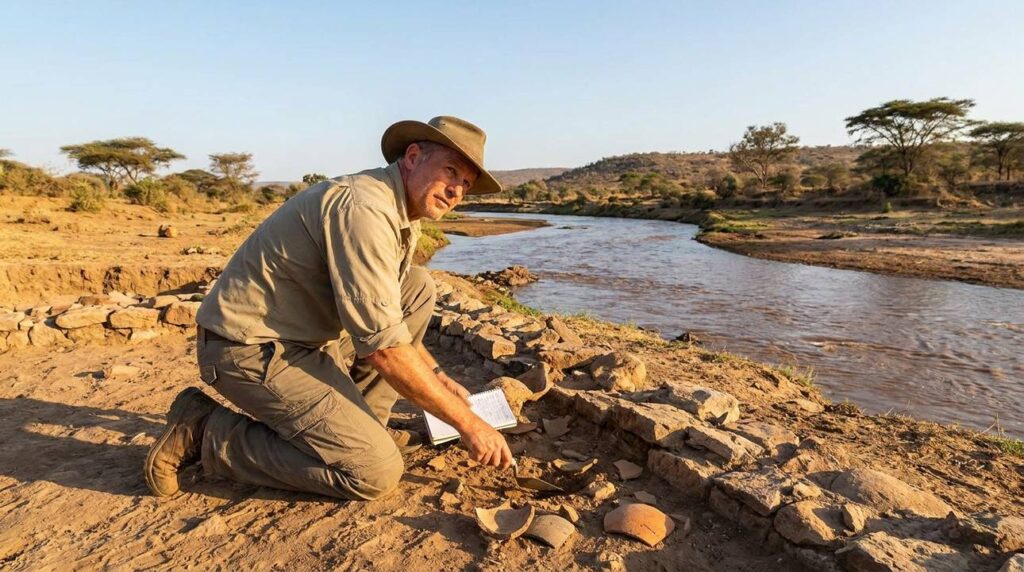

The Chebar River holds a unique position as the setting for several of Ezekiel’s visions. It is mentioned in historical texts as a key location that provided cultural context during the Babylonian exile. This article explores its historical importance and depiction in ancient writings. The mention further underscores its role as a backdrop for communication and revelation.
The significance of the Chebar River is evident in its repeated mentions throughout Ezekiel’s writings. As a setting for divine visions, it highlights the connection between geography and spiritual experience. Ezekiel’s encounters in this location, such as the vision of the divine chariot, are pivotal moments in his prophetic career. The river serves as a powerful symbol of hope and resilience, showing the enduring nature of faith amid adversity.
from the Western Wall to Masada.

Where Is the Chebar River?
The Chebar River is believed to be located near the ancient city of Babylon, in present-day Iraq. It served as a canal system in the Babylonian empire, supporting agriculture and settlement growth. Historians have identified it with several waterways, such as the Khabur River. However, its exact location remains a subject of debate. What is certain is that it was a crucial part of the landscape during the time of Ezekiel, providing a setting for his visions.
The river’s significance extends beyond its physical presence, symbolizing the intersection of revelation and human experience. It served as a gathering place for the exiles, where they could reflect on their circumstances and seek guidance. The debates surrounding its precise identification highlight the complexities of ancient geography and the challenges of aligning ancient texts with modern landscapes. Despite this, the Chebar remains an enduring symbol of hope in Jewish history.
The Significance of the Chebar River in Ezekiel’s Visions
Ezekiel, one of the major figures of ancient texts, received his first vision by the Chebar River. This vision included the famous wheel imagery and the appearance of heavenly beings, marking the beginning of his mission. The river served as more than a geographical feature; it was a backdrop where Ezekiel connected with messages intended for the exiled Israelites. The vision of the divine chariot symbolizes the presence and movement of divine forces.
This setting was crucial for Ezekiel, as it provided a space for reflection and revelation during a time of exile. It was where Ezekiel sat overwhelmed among the exiles, contemplating his role and the messages he was to deliver. Ezekiel’s experiences highlight the importance of maintaining hope in challenging times, a theme that resonates throughout his writings. His visions, including the intricate descriptions of the heavenly beings, provided comfort and guidance to the Jewish people.

Life Along the Chebar River During the Babylonian Exile
During the Babylonian exile, many Israelites found themselves living along the Chebar River. It became a place of cultural exchange, where Jewish traditions met Babylonian influence. Life by the river was challenging but also provided opportunities for reflection and adaptation. This environ contributed to shaping Ezekiel’s message of hope and renewal. Its presence highlights its role as a place of gathering and reflection, where the exiles could find solace and inspiration in their shared experiences.
The Chebar River, as a setting for Ezekiel’s visions, underscores the intersection of cultural influences. The exiles’ experiences reflect their ability to adapt to new circumstances. Ezekiel’s messages, received by the river, offered hope and guidance to the Jewish community during a time of great uncertainty. The Chebar, therefore, stands as a symbol of the enduring power of maintaining cultural identity in the face of adversity.
Archaeological Insights on the Chebar River
Archaeological findings near the suspect locations of the Chebar River reveal extensive canal systems, indicating a thriving agricultural society. These structures supported large populations, including the exiled Jewish community, during the Babylonian period. While direct evidence linking specific archaeological sites to the Chebar remains elusive, the findings align with descriptions of the area in ancient texts. The Babylonian empire, known for its advanced irrigation techniques, utilized these canals to sustain its cities and agricultural lands, as seen in historical records from the era.
These canals, potentially part of the Chebar River system, reflect the ingenuity and adaptability of ancient societies. The exiled Jewish community would have relied on these waterways for sustenance and survival, integrating their cultural practices with those of the Babylonians. The presence of such infrastructure supports the narrative of a complex society existing alongside the exiles. This historical context enriches our understanding of the Chebar’s role in the daily lives of those living in Babylon during Ezekiel’s time.
from the Western Wall to Masada.

The Chebar River in Historical Context
Historically, the Chebar River’s role went beyond its physical existence. It was part of a vast network that allowed Babylon to flourish, facilitating trade and migration. For the Jewish people, it became a symbol of exile but also of hope. The river witnessed the intersection of hardship and inspiration captured in Ezekiel’s prophecies. This setting provided a space for reflection and growth, where Ezekiel sat among the exiles, contemplating his vision.
Ezekiel’s Mission and the Chebar River
Ezekiel’s journey is deeply tied to the Chebar River. It was here he began his mission to guide and uplift his people during a tumultuous period. It was by this river that he saw visions of the divine chariot, a powerful symbol of divine presence. Through the visions and messages received by the riverbanks, Ezekiel reinforced the importance of hope in the face of adversity. His prophecies, including the vision of the valley of dry bones, emphasized renewal and restoration.
The Chebar River served as a backdrop for these transformative experiences, illustrating the profound connection between place and prophecy. Ezekiel’s encounters, such as the vision of the divine chariot, are pivotal moments in his career. These visions not only provided guidance to the exiled Israelites but also offered a message of hope and renewal that is still remembered readers today. The Chebar, therefore, stands as a symbol of the enduring power of faith.

Modern Interpretation of the Chebar River
Today, the Chebar River is largely a historical symbol. It continues to evoke reflections on exile, adaptation, and resilience in Jewish thought. It is where Ezekiel sat among the exiles, overwhelmed by the weight of his mission. Modern scholars and readers of Ezekiel interpret its significance in the context of the legacy of prophetic teachings. The river serves as a reminder of the challenges faced by the Jewish people and the strength found in their heritage.
Ezekiel’s experiences by the Chebar River highlight the importance of maintaining hope and faith during times of adversity. Its mention in various passages of Ezekiel underscores its role as a setting for divine communication and reflection. The Chebar, as a symbol, is still remembered discussions about the nature of exile and the resilience required to overcome it. Its legacy in Jewish history and thought remains significant, offering lessons on perseverance and spiritual strength.
Conclusion: Why the Chebar River Matters
The Chebar River stands as a sign of a challenging era in Jewish history. Beyond its physical presence, it represents themes of transformation and hope. Ezekiel’s encounters, where he witnessed the glory departing from the temple, is still remembered through their message of renewal. These encounters resonate deeply with modern explorations of identity, encouraging reflection on personal and communal transformation. The river’s symbolic role in Ezekiel’s visions highlights the enduring power of faith amid adversity.
Ezekiel’s visions by the Chebar River, such as the departure of divine glory, are profound moments that underscore the themes of loss and renewal. The river’s role in these narratives emphasizes the connection between place and prophecy. The Chebar, as a symbol, is still remembered discussions about the nature of exile and the resilience required to overcome it. Its legacy in Jewish history and thought remains significant, offering lessons on perseverance and spiritual strength.

Chebar River and Its Historical Connections
