
Discovering the Brook of Kidron


The brook of Kidron is an important historical feature in Jerusalem. Flowing between the city and the Mount of Olives, it has served as a natural boundary and has been the site of many significant events. This article explores the geographical and cultural role of the Kidron Valley and its depiction on historical maps, highlighting its influence on the city’s development.
Historically, the brook was used for the disposal of unclean items during temple purification rituals, emphasizing its role in religious practices. The Levites, responsible for cleansing the temple, would carry impurities to the brook, underscoring its function as a place of purification in Jerusalem’s life.
from the Western Wall to Masada.

The brook of Kidron served both practical and ceremonial purposes, acting as a physical boundary and a symbolic site for purification. Its presence in historical narratives highlights its importance in the religious and cultural practices of Jerusalem.
What Is the Brook of Kidron?
The brook of Kidron, known as the Kidron Valley, is a significant landmark referenced in historical texts. It lies east of Jerusalem, forming a natural boundary between the city and the Mount of Olives. This strategic location played a role in various historical events, underlining its importance in Jerusalem’s history.
As a site for purification, the brook of Kidron was integral to the city’s cultural practices, reflecting the connection between the land and its people. Its presence in historical narratives underscores its significance in Jerusalem’s history.
History of the Kidron Valley
Throughout history, the Kidron Valley is frequently mentioned in key narratives. It was the backdrop for significant events, where notable figures crossed during pivotal moments. This crossing often symbolized reflection and decision-making, marking the valley as a witness to personal and national dramas.
The valley’s role in these events highlights its importance as a setting for transformation. It was a place where significant events unfolded, affecting the course of history and the spiritual life of the people.
The Kidron Valley was also a site for the burning of idols, underscoring its use in purification rituals. This context highlights the valley’s significance in religious practices and its symbolic role in spiritual life.
The valley’s role in these rituals underscores its function as a place of cleansing. The physical act of destroying idols mirrored the spiritual cleansing of the community, reflecting its enduring role as a symbol of transformation in Israel’s history.
The Brook of Kidron on Historical Maps
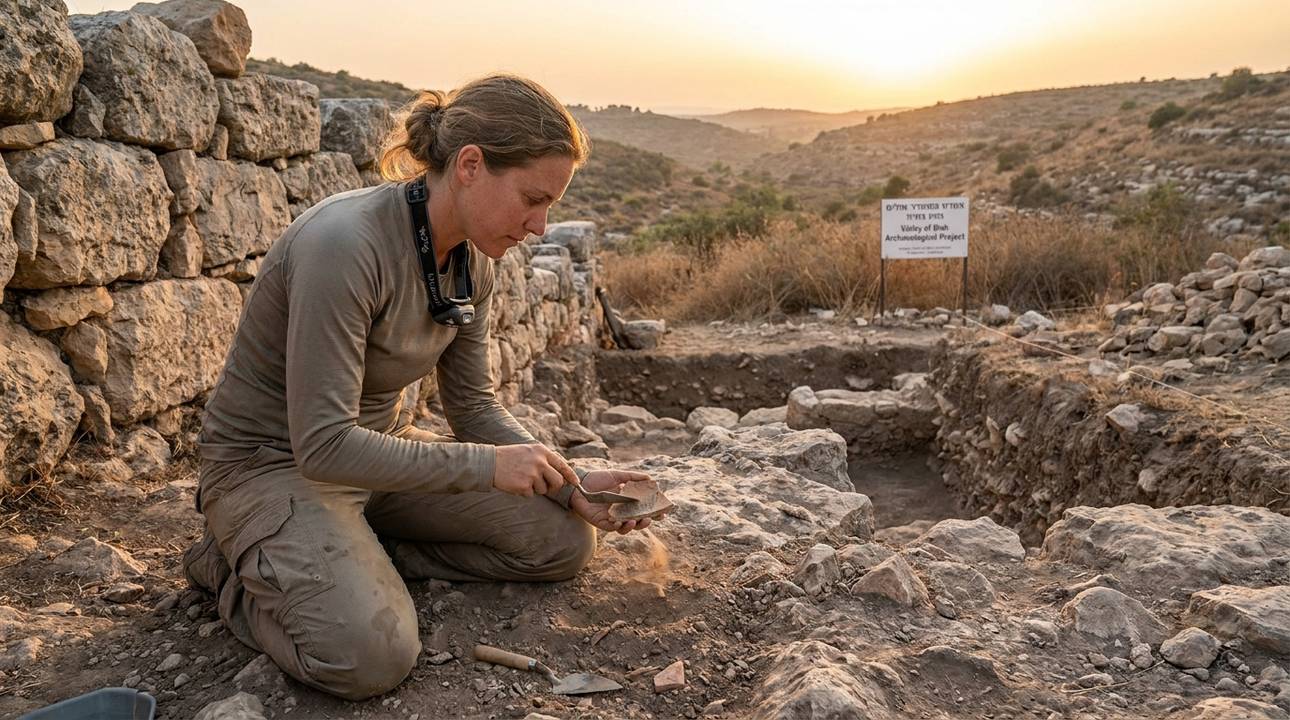
The brook of Kidron is often included in maps of Jerusalem due to its role in delineating regions. As a key geographical feature, it appears in various historical maps that highlight its relevance to the city’s layout and infrastructure. These maps, such as those from the Roman era, provide insights into ancient urban planning and the brook’s role as a natural watering system essential for agriculture and daily life.
The presence of the brook in these maps underscores its importance in Jerusalem’s development. It served as a natural boundary and a water source, influencing the city’s growth and the daily lives of its residents.
The brook’s depiction in maps from different periods, including the Crusader and Ottoman eras, illustrates its continued importance over centuries. These maps show how it served as a boundary marker, influencing the city’s expansion and defense strategies.
As evidenced by its frequent mention in historical narratives and maps, the Kidron Valley was more than just a natural feature. It was a key element in the city’s planning and defense, shaping the way Jerusalem developed over time.
Archaeological Insights into the Kidron Valley
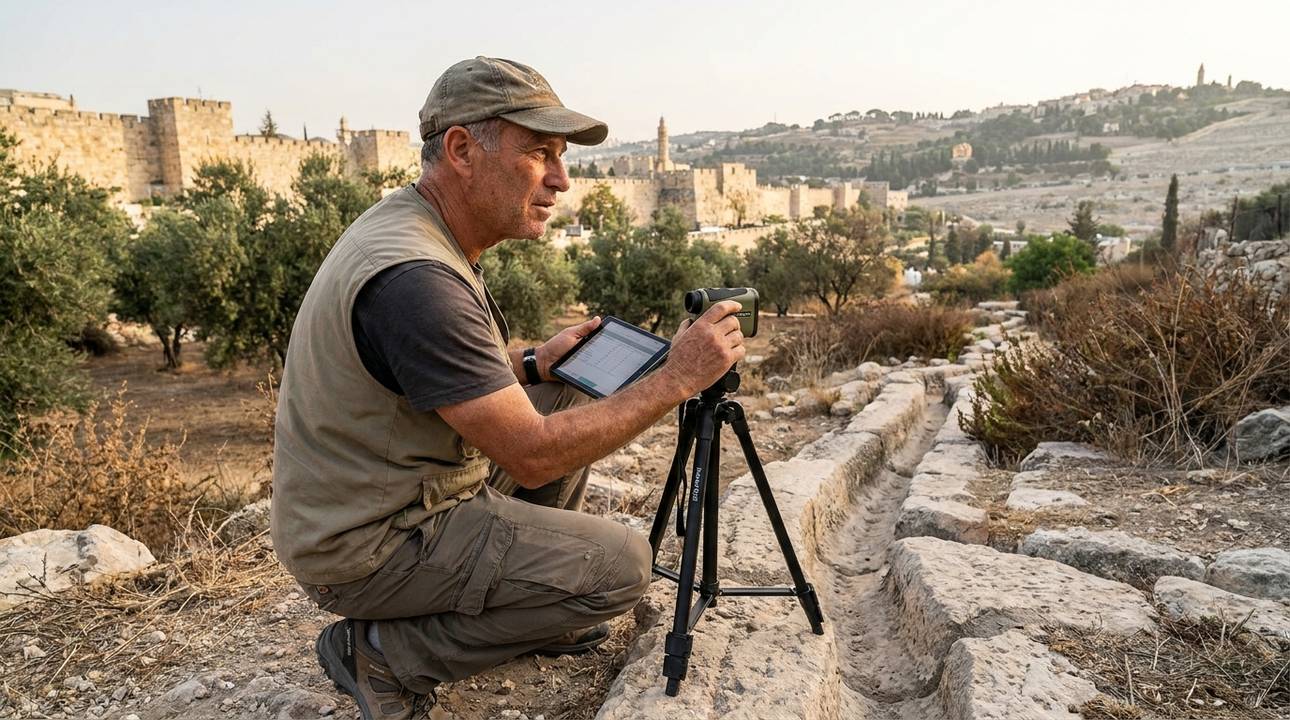
Archaeological discoveries have provided insights into the structures and systems related to the brook of Kidron. Excavations near the valley have uncovered features that indicate sophisticated water management systems used in Jerusalem, such as aqueducts and cisterns.
The Kidron Valley’s role in Jerusalem’s infrastructure is further highlighted by the discovery of channels that directed water to the city. These channels were vital for maintaining water supply during dry seasons and were part of a broader network that included the Gihon Spring.
from the Western Wall to Masada.
Cultural and Religious Importance
The Kidron Valley is associated with religious ceremonies and traditions. It is noted as the site where idols were destroyed, emphasizing its role in purification rituals. Historically, it was used for rituals described in sacred texts.
With ongoing pilgrimages and commemorations, the Kidron Valley remains a place of deep meaning. Its history as a site of purification continues to resonate with those who visit, offering a tangible connection to the past.
The valley’s enduring significance is reflected in its mention as part of a prophecy about the future restoration of Jerusalem. This connection to visions highlights its role in the imagination of the Jewish people.
The valley’s role in these prophecies illustrates its significance in Jewish thought and tradition. It serves as a reminder of the hope for restoration and spiritual renewal central to the faith and cultural identity of the Jewish people.
The Kidron Valley Today
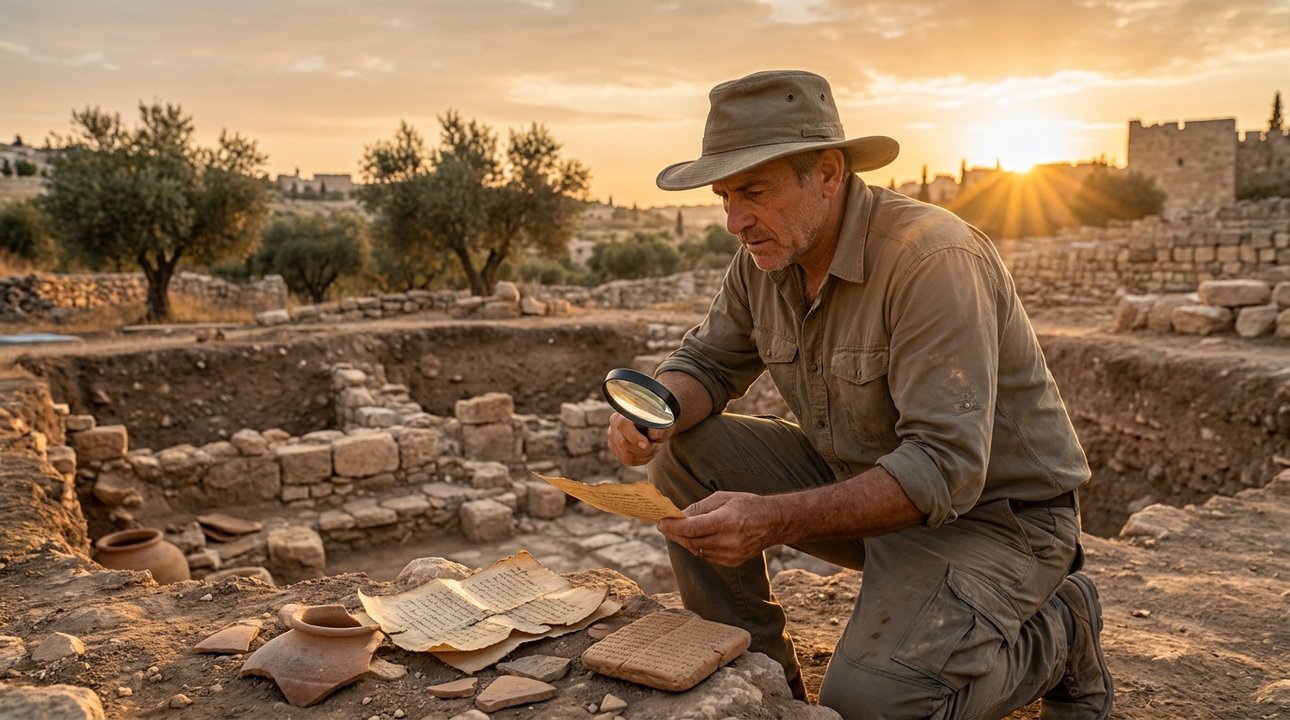
Today, the Kidron Valley remains an integral part of Jerusalem’s landscape. It attracts those interested in its history and natural beauty. Archaeological efforts have uncovered ancient tombs and artifacts, providing insights into its past. Projects like the City of David excavations have revealed its history and its role in Jerusalem’s development. Efforts to preserve its historical importance are ongoing, reflecting its enduring place in both local and global heritage.
The Kidron Valley’s significance is not only historical but also cultural, as it is remembered by those who visit. Its presence in Jerusalem’s landscape serves as a reminder of the city’s history and its connection to the past.
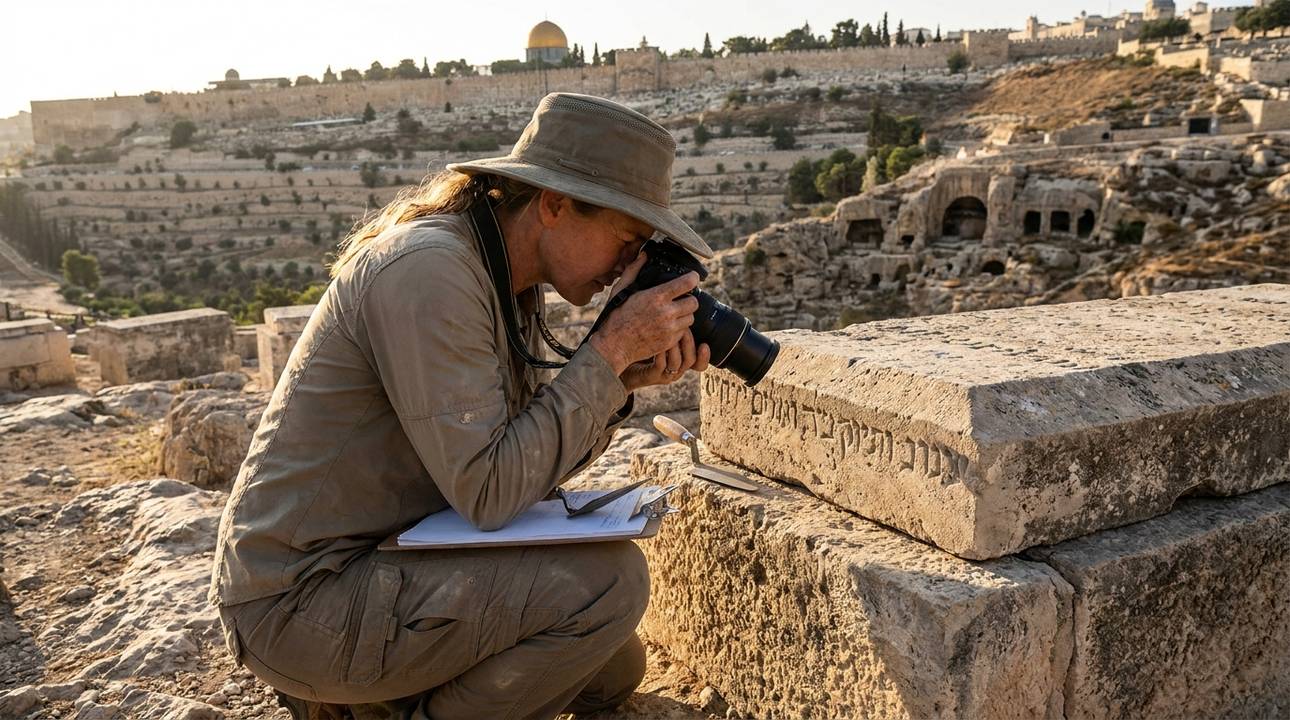
The valley’s archaeological significance is highlighted by discoveries such as the Tomb of Absalom, dating back to the Second Temple period. This tomb, also known as Yad Avshalom, is a rock-cut monument in the Kidron Valley.
The preservation of these sites is crucial for understanding the cultural and historical narratives that have shaped the region over millennia. The Kidron Valley, with its ancient tombs and monuments, serves as a testament to Jerusalem’s history, reflecting the diverse influences and events that have occurred in this sacred city.
Mapping the Past: Exploring the Kidron Valley
For those interested in historical geography, maps featuring the brook of Kidron offer insights into the past. By examining these maps, historians and enthusiasts can appreciate the valley’s role in shaping Jerusalem, as seen in depictions from the Byzantine period.
The Kidron Valley served as a vital geographical feature in Jerusalem’s development. Its depiction in historical maps provides valuable insights into the city’s history and its strategic importance.
Whether through scholarly study or personal interest, the Kidron Valley remains a fascinating subject for exploration. It is depicted in various historical texts, such as Josephus’s writings, which provide detailed descriptions of its topography and use.
The Kidron Valley’s enduring presence in cultural memory is reflected in historical texts that allow modern readers to visualize its impact on Jerusalem’s development. It remains a vital link to the past, illustrating the city’s rich history.
Understanding the Brook of Kidron
