Discovering Tarshish: A Journey Through Historical Maps
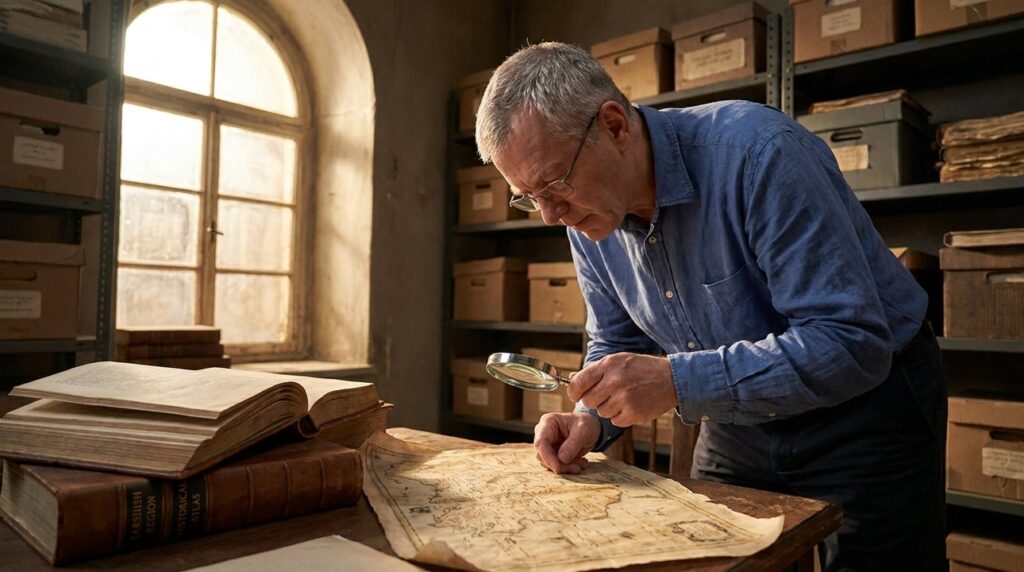

Tarshish captivates scholars and enthusiasts alike. Known from historical texts, Tarshish evokes images of wealth, mystery, and vast trade routes. In ancient texts, Tarshish is mentioned in several contexts, noted for its silver, iron, tin, and lead, indicating its significance in trade. This article delves into where Tarshish might have been located, exploring its potential sites across regions and its significance in historical records. The city is also associated with ships, suggesting a maritime culture. The intrigue surrounding Tarshish is not just about its wealth but also its role as a hub of ancient commerce and cultural exchange. By examining these references, we can better understand the historical and cultural role of Tarshish in the ancient world.
What Was Tarshish in the Bible?
Tarshish is mentioned several times in historical texts as a place of trade and wealth. Its exact location remains uncertain, fueling ongoing debate among scholars. This suggests Tarshish was considered a distant, perhaps exotic location. Meanwhile, it is described as part of a trade empire, emphasizing its vital role in commerce. The ships of Tarshish brought gold, silver, ivory, apes, and peacocks. These goods highlight the wealth and variety of resources exchanged, underscoring Tarshish’s significance in ancient trade. The mention of such exotic animals and precious materials suggests extensive trade networks. The allure of Tarshish as a far-off land of riches is echoed in historical texts, where it is lamented as a once-great city. This portrayal of Tarshish as both a real and symbolic place of wealth continues to intrigue scholars and readers alike. These passages highlight Tarshish’s importance in supplying precious metals and other goods, contributing to the wealth and prosperity of the region. The city’s significance in historical narratives reflects its economic and cultural influence. Scholars continue to explore Tarshish’s historical context and impact on ancient trade networks, showing its role in shaping the region’s history. The mention of Tarshish emphasizes its maritime prowess. This speaks of ships of Tarshish as symbols of pride and power, further underlining its importance in trade and navigation. The city’s legacy as a hub of commerce is also evident, where silver from Tarshish is noted. Such references highlight the city’s contribution to the wealth and cultural exchanges of the time. The fascination with Tarshish endures, as it represents both a physical location and a symbol of ancient prosperity and connectivity.
from the Western Wall to Masada.


Possible Locations of Tarshish
Several theories propose different locations for Tarshish. Some suggest it was in Spain, aligning with the Phoenician outpost at Tartessos. The Phoenicians, known for their extensive trade networks, might have included Tarshish as a key location.
Other scholars propose regions like Cilicia in modern-day Turkey or even as far as the Indian subcontinent. This diversity of suggestions highlights Tarshish’s impact on various trade routes and civilizations, adding to its mystery. The mention of Tarshish as a trading partner of Tyre further supports its importance in ancient commerce. These references suggest a wide-reaching influence. The debate about its location reflects the complexity and richness of ancient trade networks. Each theory offers a unique perspective on the historical and geographical significance of Tarshish, contributing to the enduring intrigue surrounding it. In historical narratives, the attempt to flee to Tarshish underscores its reputation as a far-off destination, adding to the enigma of its precise location. This narrative illustrates the perceived remoteness and allure of Tarshish. The varying theories about its location reflect the complexity of ancient trade networks and the interconnectedness of different cultures. Each hypothesis offers insights into the historical and geographical significance of Tarshish. The story highlights the symbolic nature of Tarshish as a place of escape and mystery. Its mention alongside other distant lands further emphasizes its exotic appeal. These narratives contribute to the enduring fascination with Tarshish, as both a real and symbolic place. The exploration of its location and significance continues to captivate scholars and enthusiasts, offering a window into the ancient world.

Tarshish and Historical Trade
Trade with Tarshish involved ships laden with precious metals such as silver, gold, and tin. These accounts highlight its significance as a center of wealth and commerce. The extensive voyages required to reach Tarshish suggest a high level of nautical expertise and well-established seafaring networks, underscoring its prominent role in ancient trading systems. This reputation for affluence might explain why figures sought alliances with regions connected to Tarshish. The allure of Tarshish as a source of wealth is further illustrated in historical narratives, where it is part of a trading empire, bringing riches to the region. Such narratives emphasize its strategic importance. The historical context of Tarshish as a hub of commerce and its connections to various regions reflect its influence on economic and political landscapes of the time. This legacy of wealth and trade continues to captivate scholars and historians alike. Tarshish’s role in historical eras is noted, where it is listed among the trading partners of Tyre, dealing in metals and other goods. These connections underline its significance in regional trade. The depiction of Tarshish as a center of commerce and wealth highlights its impact on the prosperity of the region. The fascination with its history and influence persists, as scholars seek to understand its role in shaping the ancient world.

Cultural Impacts of Tarshish
The story of Tarshish extends beyond commerce, symbolizing distant lands and adventure. It appears in cultural narratives as an emblem of the unknown, with its mention associating it with ships, emphasizing maritime connections. These economic ties likely fostered cultural exchanges, influencing regions connected to Tarshish and promoting diverse ideas and technologies. The allure of Tarshish continues to stimulate interest in its cultural impact during historical eras. The references to Tarshish as a place of wealth and mystery highlight its symbolic significance. It is lamented as a once-great city, further emphasizing its historical importance. The exploration of Tarshish’s role in ancient trade and culture offers insights into the interconnectedness of civilizations. Its legacy as a center of wealth and adventure continues to captivate scholars and enthusiasts, enriching our understanding of the past. These exchanges may have included advancements in navigation, metallurgy, and art, contributing to the mix of cultures. Tarshish’s maritime connections facilitated the spread of innovations and cultural influences across regions. The city’s legacy as a hub of adventure and exploration remains a captivating aspect of its history, drawing interest from historians and enthusiasts alike. Its role in shaping ancient cultures underscores its importance. The mention of Tarshish highlights its importance in maritime trade, with ships symbolizing wealth and power. These references underscore its role in connecting distant lands. The fascination with Tarshish as a center of trade and innovation is still remembered in research and exploration. Understanding its historical context offers insights into the broader economic and cultural landscape of the ancient world.

Tarshish in Modern Research
Modern archaeological and historical research continues to shed light on the enigmatic Tarshish. Excavations have unearthed trade items linked to areas speculated to be Tarshish, sparking new interpretations. These scholarly efforts aim to uncover the historical truths surrounding Tarshish, blending historical records with narratives to piece together its story. The intrigue remains as both academic communities delve deeper into its past. Some researchers focus on the Phoenician connections, given their extensive maritime trade network, while others explore links to the Iberian Peninsula, where Tartessos is often associated with Tarshish.
from the Western Wall to Masada.
These diverse theories highlight the city’s potential influence across various regions, emphasizing its role in ancient trade networks. Research not only seeks to locate Tarshish but also to understand its broader impact on history and culture. Research into Tarshish involves examining ancient texts and artifacts to better understand its role in antiquity. This includes studying trade routes and cultural exchanges that may have connected Tarshish to other regions. The pursuit of knowledge about Tarshish enriches our understanding of ancient trade networks and highlights the interconnectedness of civilizations. This quest is still remembered curiosity and scholarly inquiry, with new findings emerging from archaeological sites. Artifacts such as pottery and metalwork found in regions linked to Tarshish provide tangible evidence of its trade connections. The study of these items helps reconstruct the economic and cultural interactions of the time.
The continued exploration of Tarshish’s history offers a window into the complexities of ancient societies and their interactions. Each discovery adds a piece to the puzzle, enhancing our understanding of how trade shaped the ancient world.

Tarshish: A Mystery in Maps
Mapping Tarshish is both challenging and enlightening. Ancient and modern maps propose various locations, adding layers of complexity and intrigue. These maps not only show possible geographical settings but also reflect historical imagination.
The quest to locate Tarshish is akin to piecing together a historical puzzle, where each theory offers a glimpse into the past. Tracing its map helps understand both specific geographical ideas and broader human narratives. Some maps suggest locations around the Mediterranean, while others propose areas further afield, such as the British Isles or even India. This diversity reflects the wide-ranging influence and mystery of Tarshish. Each proposed location offers insights into the trade routes and cultural exchanges of the time, illustrating the interconnectedness of cultures. The search for Tarshish is still remembered in exploration and debate among historians and archaeologists. The search for Tarshish also highlights the interconnectedness of ancient societies, as trade routes linked distant lands and facilitated cultural exchanges. This exploration of Tarshish’s location enriches our understanding of historical trade networks. The quest to map Tarshish continues to captivate historians and enthusiasts, showing the complexities of ancient geography and the cultural exchanges that shaped civilizations. Theories about its location range from Spain to the Indian subcontinent. Such diverse hypotheses reflect the widespread influence of Tarshish in ancient trade. Historical references describe it as a trading partner of Tyre, dealing in silver, iron, tin, and lead. These connections illustrate the extensive reach of trade networks and the sharing of resources and ideas across regions. Understanding Tarshish’s role in these networks helps illuminate the broader economic and cultural landscape of the ancient world.