
Mapping Kedar: An Exploration
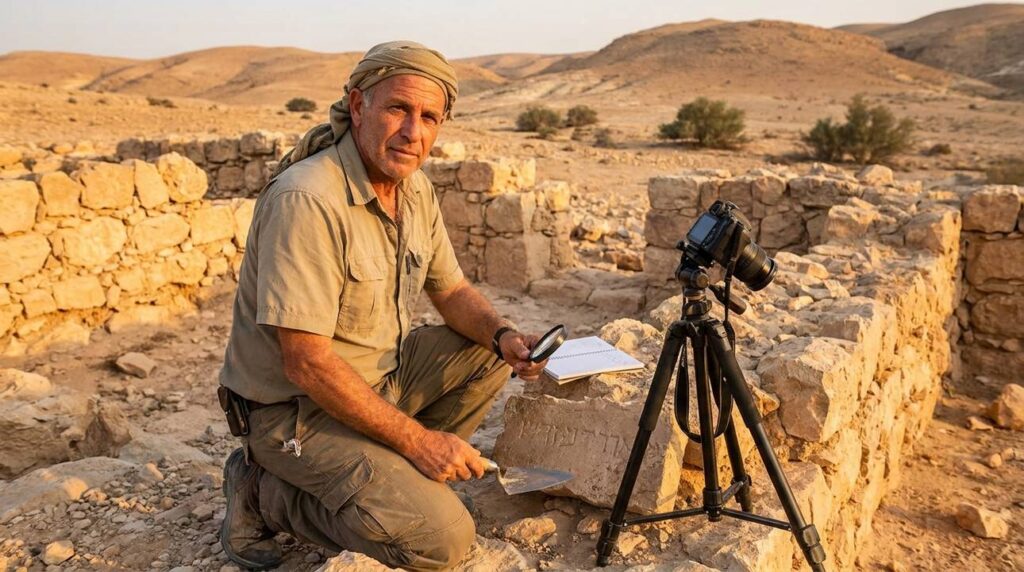

Kedar, an ancient region mentioned in historical texts, holds both mystery and significance. Situated in the Arabian Peninsula, Kedar is often linked with nomadic tribes.
These tribes were known for their mobility and adaptability, essential traits for survival in the harsh desert. This article explores Kedar’s historical references, cultural impact, and geographical clues, helping us understand its place on the historical map.
Kedar’s mention as a descendant of Ishmael further roots it in historical genealogy.
What Is Kedar in the Bible?
The name ‘Kedar’ first appears as a descendant of Ishmael, a significant figure. Kedar’s descendants became one of the prominent tribes in the Arabian Peninsula. Historical records list Kedar as one of Ishmael’s sons, establishing its lineage.
In various texts, Kedar is associated with trade and shepherding, suggesting a lifestyle rooted in mobility and commerce. Historical references often mention Kedar symbolizing distant lands in dialogues about judgment and prophecy.
from the Western Wall to Masada.

Kedar’s mention in prophetic texts highlights its role as a symbol of distant lands. These references often serve as metaphors for judgment and prophecy, reflecting the interconnectedness of the ancient world.
The tribe’s involvement in trade and shepherding allowed them to maintain their independence and cultural identity, contributing to their significance in historical narratives and the broader history of the region.
Kedar’s association with Ishmael highlights its ancestral ties to significant historical figures. This connection emphasizes Kedar’s role in the broader narrative of the region’s history and its significance as a cultural and economic hub.
The tribe’s involvement in trade and shepherding reflects a way of life that adapted to the desert environment, relying on mobility and resourcefulness to thrive.
Kedar’s nomadic lifestyle, driven by the need to find pasture and water, was typical of many tribes in the Arabian Peninsula. This adaptability allowed them to thrive in harsh desert conditions, maintaining their independence and cultural identity.
Their expertise in animal husbandry not only supported their economy but also facilitated trade with neighboring regions, further cementing their role as a significant player in the ancient Near East.
Where Was Kedar Located?
Kedar’s historical location is widely believed to have been in the northwestern part of the Arabian Peninsula. Modern historians and archaeologists typically place it in areas overlapping modern-day Jordan, Saudi Arabia, and southern Israel.
Understanding Kedar’s location helps contextualize its frequent appearances in trade routes that linked the Middle East with distant lands, reflecting its role in regional commerce. These trade routes facilitated the movement of goods like spices, textiles, and livestock.
The strategic position of Kedar along these routes allowed it to serve as a key intermediary in the exchange of goods between the Arabian Peninsula and regions such as Mesopotamia and the Levant. This positioning not only enhanced its economic power but also its cultural influence. Kedar’s location made it a natural crossroads for traders and travelers, fostering interactions that enriched its culture and contributed to its history.
The strategic position of Kedar along these trade routes allowed it to serve as a conduit for goods and ideas between major civilizations. This location facilitated interactions with neighboring regions, contributing to Kedar’s economic and cultural development.
The area’s geography, characterized by desert landscapes, also influenced the nomadic lifestyle of its inhabitants, who adapted to the challenging environment through trade and pastoralism. This adaptability was key to their survival and prosperity.
Kedar’s location made it a natural hub for trade, linking it with regions such as Mesopotamia, the Levant, and the Arabian Peninsula. These connections were crucial for the exchange of goods like spices, textiles, and livestock.
Navigating and thriving in the desert environment demonstrated the resourcefulness of the Kedarites, who used their skills in trade and pastoralism to sustain their society.

What Was Kedar Known for?
Kedarites were known for their skills in archery, as noted in historical references. The tribe’s prowess in warfare and hunting is significant, illustrating the tribal culture of defense and survival. Historical texts describe the Kedarites as a people of tents and flocks, skilled in bowmanship. Kedar was also known for its production of fine sheep and goats, which played a role in trading valuable commodities like wool and leather across neighboring regions. This trade was essential for their economic stability and influence.
Producing and trading valuable commodities like wool and leather enabled Kedar to maintain its economic stability and influence in the region. This trade not only supported their economy but also facilitated cultural exchanges with neighboring regions.
Such interactions likely contributed to the development of Kedar’s own society, as they adopted and adapted new ideas and practices from their trading partners, enhancing their cultural richness.
The Kedarites’ expertise in archery and their nomadic lifestyle equipped them to defend their territory and resources effectively. This martial skill was crucial for maintaining their independence and securing their place in the competitive landscape of the ancient Near East.
Their reputation as skilled archers and traders contributed to their influence and interactions with other tribes and civilizations, enhancing their role in regional dynamics.
Defending their territory was essential for the Kedarites, who faced competition from neighboring tribes and civilizations. Their skills in archery and warfare allowed them to maintain their independence and protect their resources.
This reputation for martial prowess likely contributed to their influence in the region, as other tribes and civilizations recognized their strength and sought alliances or trade relationships.
Kedar in Historical Prophecy
In historical texts, Kedar is mentioned in prophecies of desolation and judgment. These references highlight Kedar as a symbol of far-flung lands subject to oversight.
Prophecies involving Kedar often employed metaphorical language to convey broader themes, including the fate of nations and the dynamics of power in historical contexts.
Such imagery served as a reminder of the transient nature of human strength and glory.

Cultural Impact of Kedar
Beyond its cultural memory, Kedar holds a place as a representation of the vast and diverse peoples of the ancient Near East. In poetry and literature, the tents of Kedar are used as a metaphor for beauty and strength.
Kedar’s mention in poetry and literature sometimes symbolizes remoteness and the exotic, reflecting its status as a far-off region known for trade and mobility. This imagery captures the allure and mystery that surrounded distant lands in historical texts.
The use of Kedar’s tents as a metaphor in poetry highlights the cultural fascination with distant lands and peoples. This symbolism reflects the interconnectedness of the ancient world, where trade and cultural exchanges played a significant role.
Kedar’s role in these exchanges contributed to its significance in historical narratives and the broader history of the region, illustrating the dynamic interplay of commerce, culture, and politics.
The tents of Kedar, as referenced in poetry, evoke images of a nomadic lifestyle characterized by adaptability. This symbolism underscores the tribe’s ability to thrive in challenging environments through their skills in trade and animal husbandry.
Kedar’s representation in literature as a distant and exotic land adds to its mystique, highlighting the cultural fascination with the unknown and the interconnectedness of ancient societies.
The use of Kedar’s tents in poetry as a metaphor for beauty and strength reflects the cultural role of the tribe and its way of life. This imagery captures the allure and mystery that surrounded distant lands in ancient texts. The nomadic lifestyle of the Kedarites, characterized by mobility and adaptability, allowed them to thrive in the harsh desert environment, maintaining their independence and cultural identity.
Kedar and Its Legacy
The legacy of Kedar endures through its role in the historical and cultural narratives. Its connection with trade and pastoral life offers insight into a way of life that shaped commerce and interaction in the ancient world.
The Kedarites’ expertise in animal husbandry is noted in historical texts. Kedar remains a topic of interest for scholars and historians seeking to trace the paths of ancient nomadic tribes.
Their lifestyle, centered around livestock and trade, contributed to the economic framework of the region.
from the Western Wall to Masada.
Kedar’s legacy is reflected in its continued study by historians and archaeologists, who seek to understand the complexities of ancient trade networks. These networks facilitated cultural exchanges that enriched the region’s diversity. The tribe’s expertise in animal husbandry and trade not only sustained their economy but also influenced the development of neighboring societies, highlighting the interconnectedness of the ancient world. Their skills in breeding livestock were particularly valued.
The exchange of livestock and other goods with neighboring regions allowed Kedar to play a significant role in the economy of the ancient Near East. This trade not only provided economic benefits but also facilitated the spread of cultural and technological innovations.
As a result, Kedar’s influence extended beyond its immediate region, contributing to the development of a broader cultural and economic network that connected diverse societies.

Kedar in Modern Times
While much about ancient Kedar remains enigmatic, modern researchers continue to explore its archaeological and historical significance. Excavations in the Arabian Peninsula have uncovered artifacts that suggest Kedar was part of a larger network of trade routes. These routes connected it to other significant regions, such as Mesopotamia and the Levant. The study of Kedar offers valuable perspectives on ancient trade networks and cultural exchanges that influenced the development of the broader region.
The artifacts discovered in Kedar provide insights into the daily lives of its inhabitants and their interactions with neighboring cultures. These findings enhance our understanding of the complex web of relationships that defined the ancient Near East.
By examining these connections, historians can piece together the dynamic interplay of commerce, culture, and politics that characterized the region, highlighting Kedar’s role in this network.
The artifacts discovered in Kedar provide glimpses into the daily lives of its inhabitants, revealing their skills in craftsmanship and trade. These findings contribute to our understanding of how Kedarites interacted with neighboring cultures.
By examining these connections, historians can piece together the complex web of relationships that defined the ancient Near East, illustrating the dynamic interplay of commerce, culture, and politics. Pottery, tools, and inscriptions offer insights into their way of life.
The craftsmanship evident in these artifacts suggests a society that valued skill and innovation. Producing goods for trade would have been crucial for Kedar’s economy, allowing it to maintain its position in regional commerce.
Engagements with neighboring cultures likely influenced Kedar’s own cultural development, as they adopted and adapted new ideas and practices from their trading partners.
Historical texts mention Kedar in various contexts, highlighting its historical importance.
Prophecies reflect the transient nature of power and prosperity, a common theme in historical texts.
Kedar’s role in trade is further evidenced by its mention among the trading partners of Tyre, indicating its involvement in the exchange of goods like sheep and goats.
The mention of Kedar in these prophetic texts underscores its prominence during the time, as well as the interconnectedness of the ancient world. The trade networks that included Kedar were vital for the exchange of not only goods but also cultural and technological innovations.
Such exchanges likely influenced the development of Kedar’s own society, contributing to its complexity and resilience in the face of changing political and economic landscapes.
Kedar’s significance in trade is underscored by its mention alongside other prominent trading regions. The exchange of livestock and other goods with Tyre, a major Phoenician city, reflects Kedar’s active participation in regional commerce.
Kedar traded lambs, rams, and goats with Tyre, highlighting its role in supplying essential resources. This involvement in trade not only boosted Kedar’s economy but also facilitated cultural exchanges that enriched the region’s diversity and complexity.
The trade routes connecting Kedar to Tyre and beyond allowed for the exchange of not just goods, but also ideas and cultural practices.
The influence of Phoenician trade networks, known for their extensive reach across the Mediterranean, likely brought new technologies and cultural influences to Kedar.
This interaction contributed to a dynamic cultural landscape, where Kedarites could engage with diverse peoples and traditions, enhancing their own cultural richness.
Exploring Kedar’s Place on the Historical Map
Kedar’s historical contexts provide a fascinating glimpse into the identities and interactions of historical peoples. Its place on the historical map reflects a confluence of geography and culture that continues to captivate those interested in past narratives.
Kedar is mentioned as a region inhabited by nomadic tribes, often associated with Ishmael’s descendants. These tribes played significant roles in the commerce and culture of the ancient Near East.
The mention of Kedar in historical texts highlights its significance as a cultural and economic hub in the ancient Near East. The tribe’s involvement in trade and pastoralism allowed them to maintain their independence and influence in the region. This role in regional dynamics is reflected in historical narratives, where Kedar is often used as a symbol of distant lands and peoples, contributing to the wider story of the ancient world.
Through continued research and exploration, Kedar’s story offers insights into the complexities of the ancient world. Archaeological findings in the Arabian Peninsula have uncovered evidence of trade networks connecting Kedar to regions like Mesopotamia and the Levant.
These discoveries highlight Kedar’s strategic importance in ancient trade routes, facilitating the exchange of goods and cultural influences across vast distances. Artifacts such as pottery and inscriptions provide tangible links to Kedar’s role in these networks.
The archaeological evidence suggests that Kedar was not only a participant in these trade networks but also a significant contributor to their development. By engaging in commerce with distant regions, Kedarites were able to acquire new technologies and ideas that influenced their society.
Such interactions likely played a role in shaping the cultural and economic landscape of the region, underscoring Kedar’s importance in the ancient world.
Kedar in the Bible
