Exploring the Story and Geography of Timnath Serah


Timnath Serah, an ancient town in history, was allocated to Joshua as an inheritance. The historical maps and accounts provide a fascinating glimpse into this site. Located in the hill country of Ephraim, its strategic position was significant for the Israelites.
Understanding Timnath Serah involves exploring its geographical location and its noteworthy connection to Joshua, the prominent leader who guided the Israelites. This allocation is detailed in historical texts, marking a key moment in their journey.
The allocation of Timnath Serah to Joshua symbolizes the completion of his mission and the fulfillment of promises made to the Israelites. This site, as his inheritance, serves as a sign of his leadership and the successful conquest of the region. The geographical context of Timnath Serah, nestled in the hills, provides insights into the strategic considerations of the time, offering a glimpse into the daily lives and challenges faced by its ancient inhabitants.
from the Western Wall to Masada.
What Was Timnath Serah?
Timnath Serah, mentioned in historical texts, served as Joshua’s inheritance in the hill country of Ephraim. This site holds significance as the chosen resting place of Joshua after the conquest of the region, symbolizing the completion of his mission. Its historical footprint provides insights into the allocation of lands among the tribes of Israel, illustrating the fulfillment of promises. The site is a sign of the leadership and legacy of Joshua.
The allocation of Timnath Serah is a pivotal moment in the historical narrative, marking the end of the Israelites’ journey. The site serves as a physical reminder of the promises fulfilled and the guidance that led them there.
This allocation not only highlights the leadership role but also reflects the broader themes of inheritance and providence that are central to the story.
Where Is Timnath Serah Located?
Traditionally identified as Khirbet Tibnah, Timnath Serah is located in the Samarian hills, a region known for its strategic and agricultural importance. The exact position is important for archaeology and has been a subject of various studies and explorations. This geographical context allows us to visualize the landscapes from Joshua’s time and its strategic significance, showing the daily lives of its ancient inhabitants. The fertile hills would have supported agriculture, crucial for sustaining the community.
The strategic location of Timnath Serah in the Samarian hills would have provided natural defenses and a vantage point over the surrounding areas. This positioning was vital for the Israelites, who relied on such advantages for security and sustenance.
Archaeological studies in the area have uncovered evidence of ancient agricultural practices, suggesting that the inhabitants made full use of the fertile land to support their community and ensure their survival.

Timnath Serah in the Historical Narrative
The Book of Joshua highlights Timnath Serah as a significant site, where he was buried in his allotted land. This narrative underscores the fulfillment of promises made to the Israelites, marking the end of his leadership. Studying these texts offers an understanding of the ancestral histories valued by subsequent generations, providing insights into the early settlement patterns of the Israelite tribes. The burial site became a symbol of legacy.
The burial at Timnath Serah not only marks the end of a journey but also serves as a sign of leadership and the successful establishment of the Israelites. This site holds cultural and historical significance for the descendants of the tribes. The narrative of the final resting place reflects the importance of land and lineage in the tradition, highlighting the continuity of the Israelite heritage and the fulfillment of their ancestral promises.
The Name and Its History
The name Timnath Serah has intrigued scholars, with some interpretations suggesting meanings related to ‘portion’ or ‘assigned’. Such interpretations provide cultural insights into naming conventions. In historical texts, names often reflect the character or destiny of a place or person. Names often carried significant meanings, showing the perceptions and beliefs of ancient communities. For example, the name ‘Joshua’ itself means ‘salvation’, reflecting his role in leading the Israelites.
Names like Timnath Serah can reveal much about the values and priorities of ancient societies. The emphasis on ‘portion’ or ‘assigned’ suggests a focus on inheritance and allocation, themes prevalent in historical narratives. This reflects the importance of land and lineage in these narratives.
Such names are more than mere labels; they encapsulate stories and expectations, providing a deeper understanding of the cultural landscape of the time.
from the Western Wall to Masada.

Archaeological Perspectives
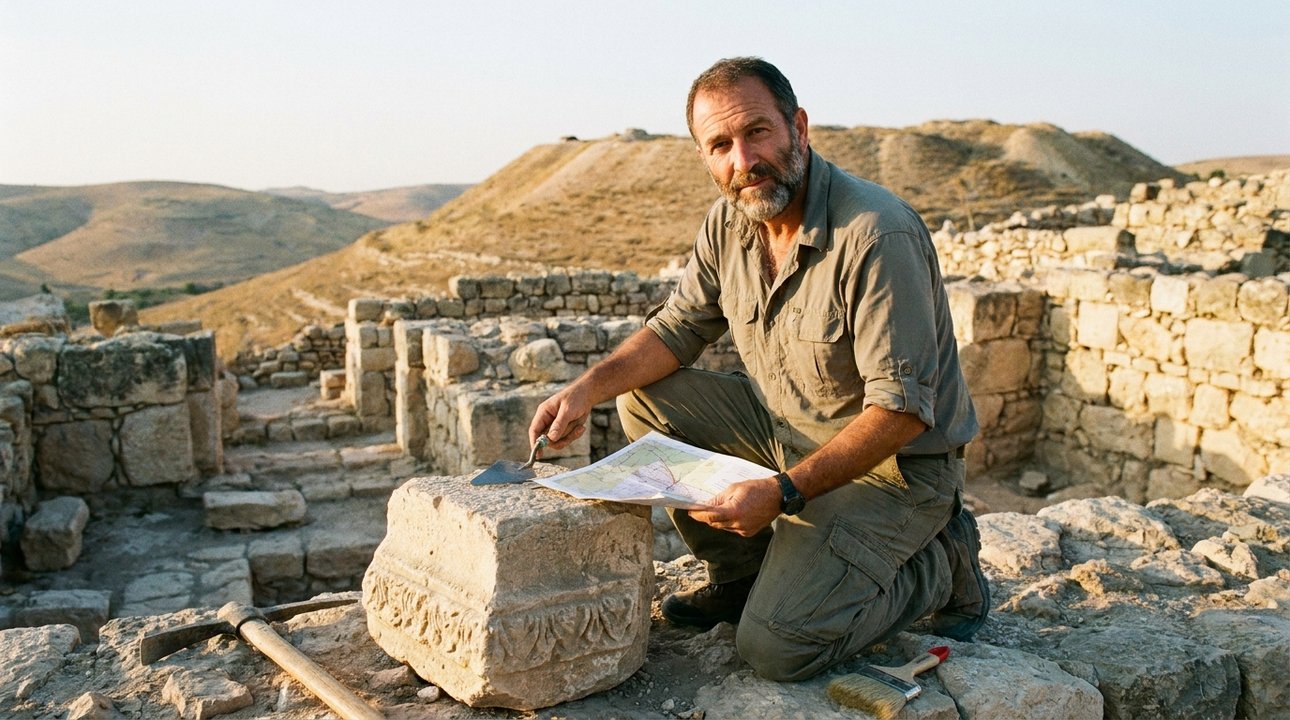
Archaeological exploration in Samaria has provided evidence of settlements that could be linked to Timnath Serah. Findings such as pottery shards and ancient structures contribute to our understanding of life in the region during the historical era. These artifacts offer tangible connections to the narratives in historical texts.
These studies enhance our knowledge of the historical complexities surrounding the narratives, offering tangible connections to the stories recounted in historical texts.
The discoveries in Samaria, including remnants of fortifications and dwellings, suggest a thriving community that played a role in the broader history of Israel. These findings provide a backdrop to the stories, enriching our understanding of the socio-political landscape of the time.
By examining these artifacts, archaeologists and historians can piece together the daily lives and challenges faced by the inhabitants, offering a more comprehensive picture of the ancient world.
Timnath Serah in Modern Scholarship
Scholarly interest in Timnath Serah continues, focusing on its historical, cultural, and archaeological significance. It is a topic of discussion in studies, offering a window into the ancient world. Researchers often reference historical texts, where the town is mentioned as an important inheritance, highlighting its significance.
Modern researchers provide various interpretations, reinforcing the town’s role in ancient narratives and its influence on heritage. Archaeological findings, such as pottery and ancient structures, further illuminate its past.
Timnath Serah’s role in the narrative is not just historical but also cultural, as it reflects the societal norms and values of the time. The allocation of land to Joshua, a key figure, signifies the fulfillment of promises made to the Israelites. This has been a focal point for scholars who study the distribution of land among the tribes of Israel.
By examining these aspects, scholars gain insights into the broader cultural practices, enriching our understanding of its heritage.
Understanding Timnath Serah’s Role in Israel’s Heritage
Timnath Serah exemplifies the inheritance believed to be provided to Joshua. This allocation underscores the orchestrated distribution of land in history, reflecting the fulfillment of promises made to the Israelites. It stands as a sign of the foundational stories that shaped the identity and legacy of the Jewish people, illustrating how each tribe received its portion according to guidance.
Connection to Lev Haolam
Through Lev Haolam’s curated boxes, you support small businesses while connecting to Israel’s legacy. Each purchase helps sustain families who continue these traditional crafts, such as crafting olive oil and pottery, which have been part of the region’s culture for centuries. Participating in Lev Haolam allows you to experience a piece of Israel’s cultural and historical landscape, fostering a personal connection to the land and its people. This initiative supports the preservation of traditional crafts and livelihoods.
By engaging with Lev Haolam, you contribute to the strength of Israeli communities, ensuring that these age-old practices continue to thrive. The curated boxes offer a tangible link to Israel’s past, allowing you to share in its history and traditions.
This connection to the land and its people is not just about products but about supporting a way of life that has been cherished for generations, creating a meaningful bond with Israel’s cultural heritage.

Understanding Timnath Serah