
Discovering Jotbathah in the Bible

Jotbathah is mentioned in historical texts as a stop during the Israelites’ journey. It is associated with natural resources, especially streams of water. In the Book of Numbers, Jotbathah serves as a campsite during the desert trek, highlighting the challenges faced by the Israelites.
Jotbathah provided essential water resources for the Israelites, allowing them to rest and replenish during their journey. The availability of water in such an environment was crucial for survival.
from the Western Wall to Masada.

Where Is Jotbathah Mentioned in the Bible?
Jotbathah is specifically mentioned in the Book of Numbers as a stopping point for the Israelites. The location is briefly described, offering insight into their wilderness journey.
Jotbathah is located between Hor-hagidgad and Abronah, marking it as an important waypoint. The journey through the wilderness was challenging, and each stop, including Jotbathah, was a significant milestone.
The Location of Jotbathah
The exact location of Jotbathah has been the subject of much discussion. While pinpointing this location remains difficult, it is generally placed in the southern part of the present-day Negev desert. Some studies suggest this region is known for its harsh landscape. The area’s geography, described in historical texts, aligns with places characterized by natural water sources. Geographical studies suggest potential sites, but absolute certainty is elusive, lending a mysterious aura to this historical location.
Scholars have proposed several potential sites for Jotbathah, each with characteristics that match historical descriptions. The Negev desert’s unique landscape, with its sporadic water sources and rugged terrain, provides a fitting backdrop for the Israelites’ journey. Despite the challenges of identifying the exact location, the search continues, driven by a desire to connect ancient texts with modern geography.
Jotbathah’s Resources and Significance
References to Jotbathah emphasize its abundance of streams, making it a viable stop for the nomadic Israelites. This oasis-like quality provided essential resources for survival, representing a brief respite in their arduous journey. The accessibility of water made Jotbathah a critical point, allowing the Israelites to continue their journey through the harsh desert climate.
The significance of Jotbathah’s water sources is further emphasized in the context of the Israelites’ journey. It is portrayed as a place where weary travelers could find relief. The presence of water in such a desolate landscape would have been crucial for their survival.
Jotbathah in Historical Archaeology
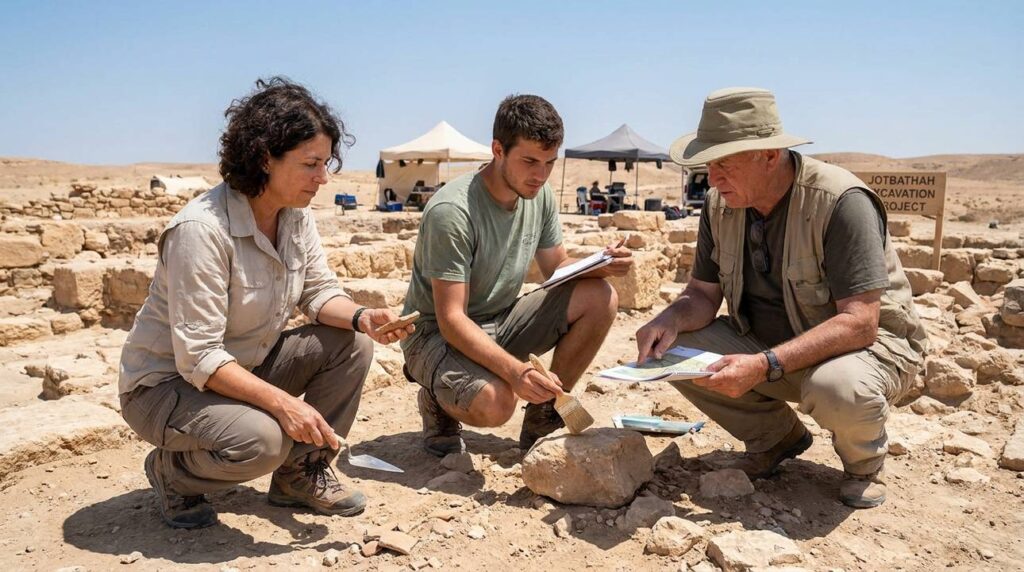
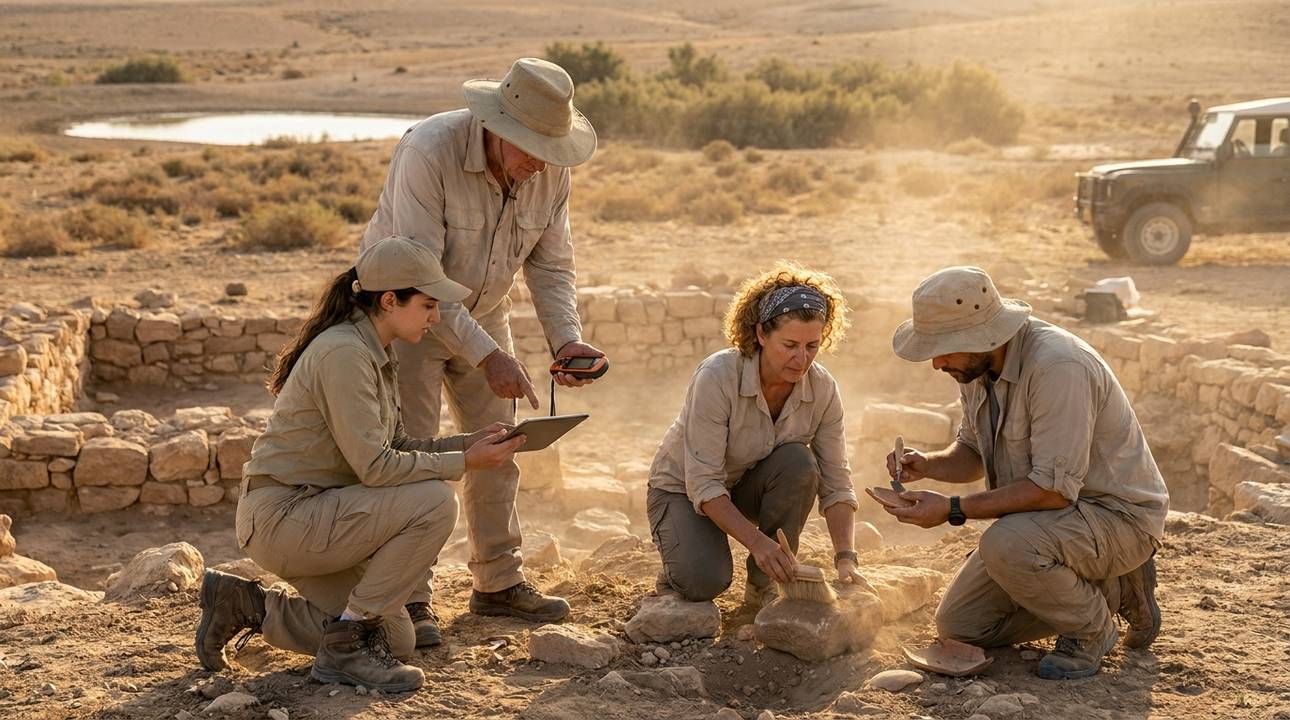
Jotbathah remains an intriguing subject for archaeologists and historians. No definitive archaeological site has been confirmed, but the search continues in locations with corresponding natural features, such as oases and ancient trails. The exploration of ancient encampments and historical trails offers possible insights into the movements and lifestyle of the Israelites. While physical evidence remains sparse, ongoing studies in the region may eventually illuminate Jotbathah’s role more vividly.
from the Western Wall to Masada.
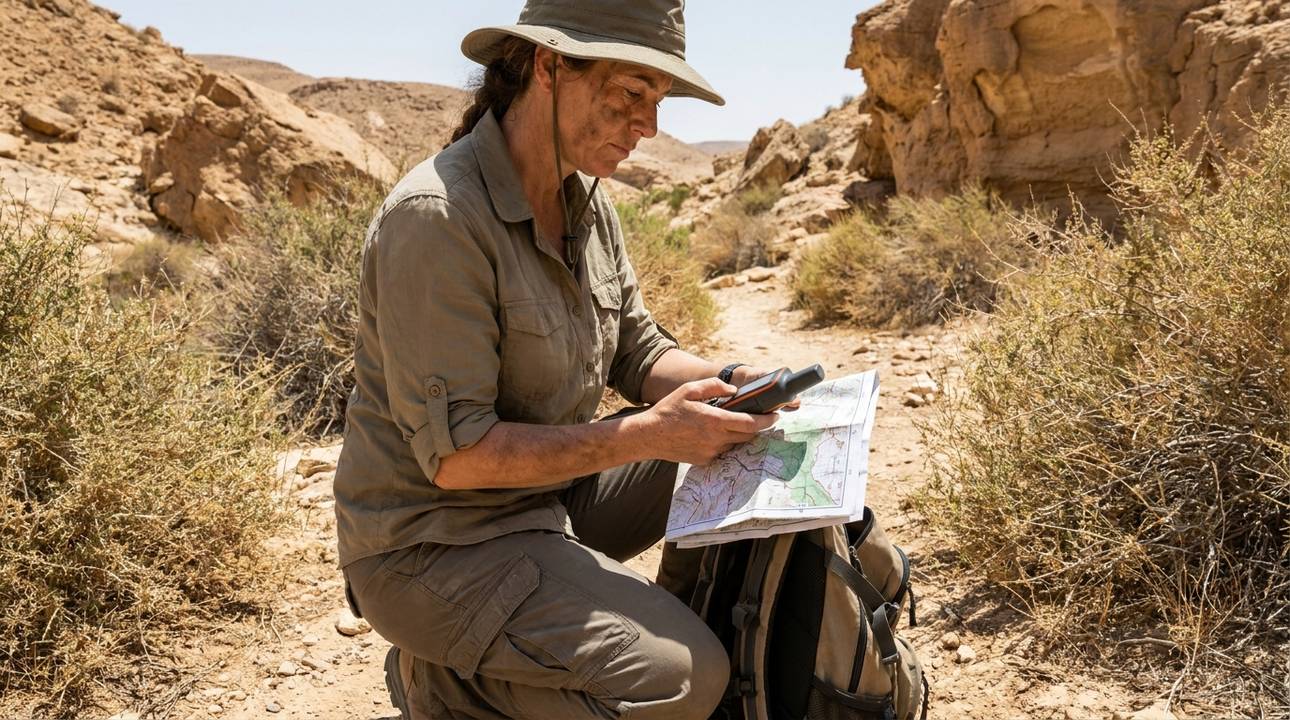
The search for Jotbathah involves examining areas in the Negev desert that match historical descriptions. Scholars look for signs of ancient water sources and trails that the Israelites might have used. Despite the lack of concrete evidence, the quest continues, driven by the hope of uncovering new insights into ancient journeys.
Jotbathah in Jewish Tradition
In Jewish tradition, Jotbathah is remembered as part of the shared history of the Exodus experience. It symbolizes provision and guidance during challenging times, as described in the Torah.
Modern Perspectives on Jotbathah
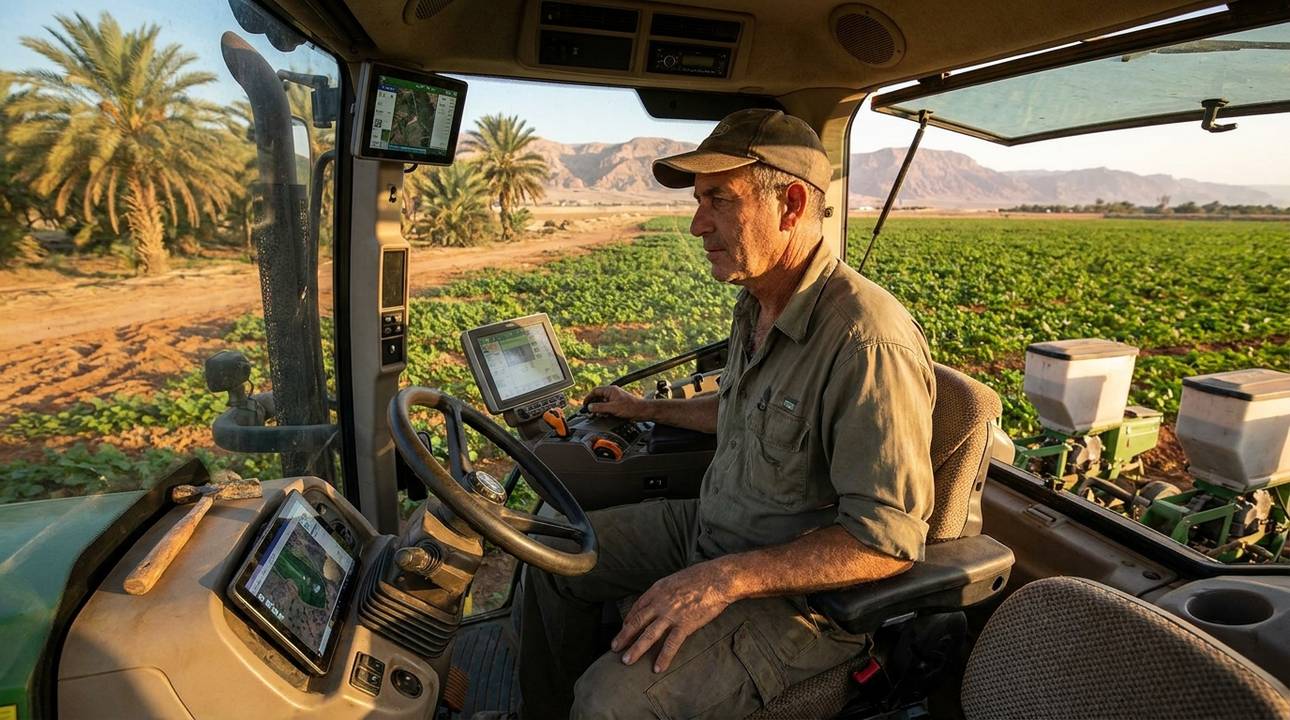
Today, Jotbathah is identified with the farming community of Yotvatah, known for its dairy production and agricultural advancements. The area utilizes natural resources, continuing a tradition of agricultural innovation. While much of the historical site remains speculative, the continued habitation and development underscore the area’s importance.
Yotvatah’s success as a modern agricultural hub is rooted in its strategic use of technology and sustainable practices. The community has become a model for agricultural efficiency, blending traditional methods with cutting-edge innovations.
Jotbathah: A Historical Perspective
The journey of Jotbathah from a mention in texts to a modern agricultural hub illustrates its historical importance. Each layer of narrative adds to its significance. For readers today, Jotbathah provides insight into historical life and the role of natural resources in a journey marked by hardship.
Modern Jotbathah, identified with Yotvatah, symbolizes agricultural innovation. This area, once a historical waypoint, now thrives as a center for dairy production and farming. The transformation from a historical stopover to a community underscores the adaptability and perseverance of those who call this land home.
Understanding Jotbathah
