
Discovering the Ancient Location of Gomer Today
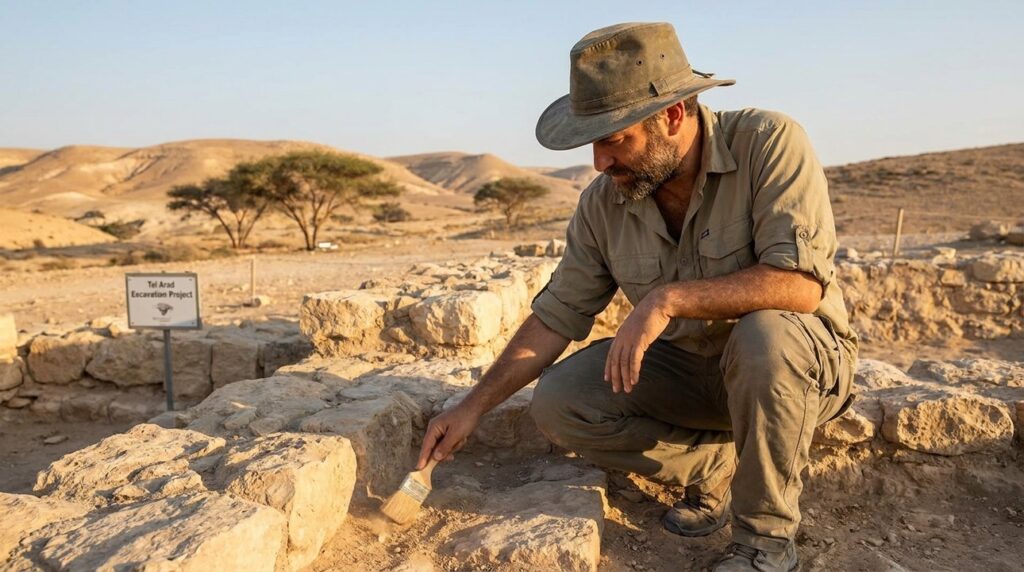

The question ‘Where is modern day Gomer?’ invites us on a journey through history, exploring the roots and historical context of this ancient place.
Gomer is mentioned as a descendant of Japheth, associated with regions that are believed to correspond to parts of modern-day Turkey. These descendants were said to have spread into various territories after the flood, marking the beginnings of different nations.
Historical and archaeological studies suggest that Gomer’s lineage may have influenced the development of early civilizations in Anatolia, known for its ancient cultures and strategic location.
This connection to Japheth links Gomer to a broader narrative of migration and settlement patterns that shaped the ancient Near East. Historical studies suggest that the regions associated with Gomer may have included parts of Anatolia. Anatolia, known for its history and cultural exchanges, was home to the ancient Hittites, who interacted with various peoples, possibly including those linked to Gomer’s lineage. These interactions enriched the historical tapestry, reflecting the complex web of ancient cultural exchanges.
from the Western Wall to Masada.

What Is the Historical Reference to Gomer?
Gomer appears as a figure within the lineage of Japheth, one of Noah’s sons. This connection places Gomer in the broader narrative of the spread of Noah’s descendants across different regions. Gomer had three sons: Ashkenaz, Riphath, and Togarmah, each associated with different groups and areas, illustrating the spread of peoples in historical times.
These names are linked to various regions, reflecting the historical movements and cultural influences of Gomer’s lineage.
Ashkenaz, for instance, is often linked to regions in Eastern Europe, while Togarmah is associated with areas around Armenia and the Caucasus. The historical associations of these names provide insight into the spread and influence of Gomer’s descendants. These associations reflect the historical movements and cultural influences of Gomer’s descendants, contributing to the diverse mix of peoples in the ancient world. The story of Gomer thus highlights the interconnectedness of genealogies and historical migrations, offering a deeper understanding of ancient peoples.
How Is Gomer Traditionally Understood?
Traditionally, Gomer is linked with regions around the Black Sea. Scholars have often associated Gomer with the Cimmerians, an ancient group that lived in what is now northern Turkey and southern Russia. This historical perspective ties Gomer’s descendants to the nomadic tribes known for their movement across Europe and Asia. The Cimmerians, mentioned in Assyrian records, were known for their raids and interactions with other groups, providing a rich context for understanding their history. These interactions highlight the dynamic nature of ancient societies and their influence on regional developments.
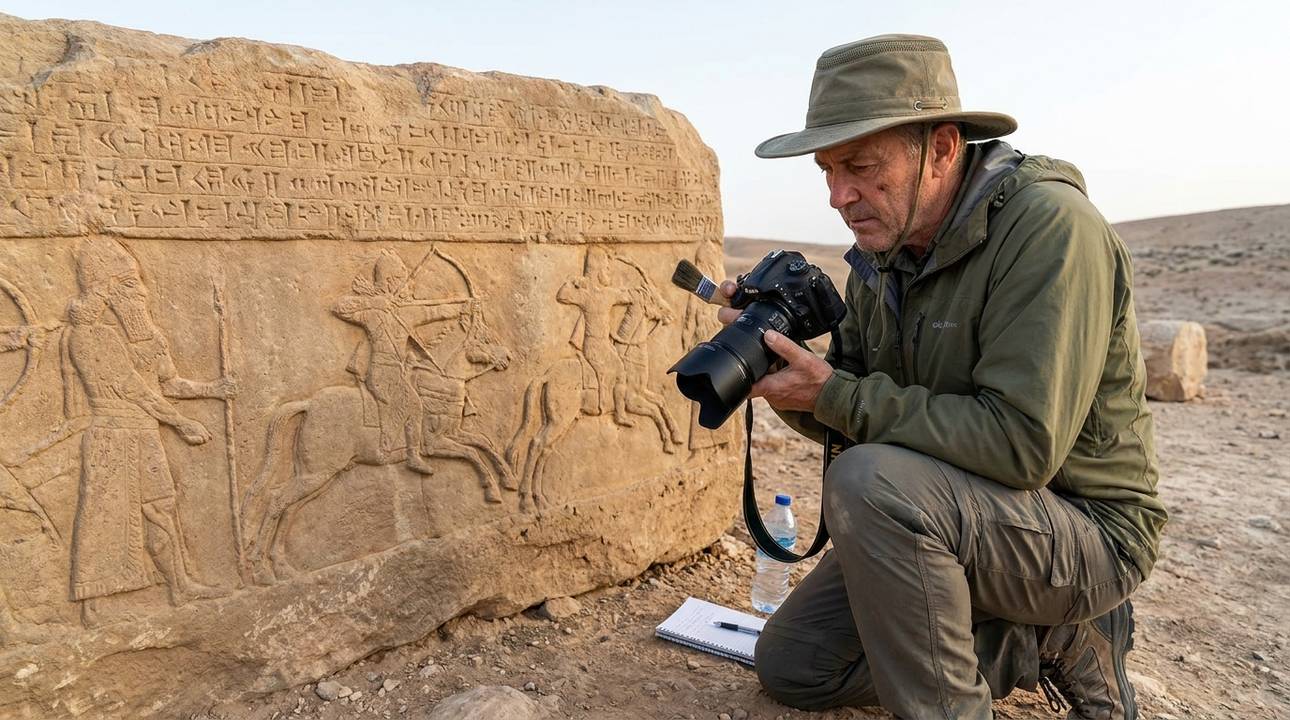
These interactions included conflicts with the Assyrians and alliances with the Scythians, another nomadic group. The Assyrian records from the reign of Sargon II (722-705 BCE) mention battles with the Cimmerians, illustrating these historical connections.
Such historical connections provide a vivid backdrop to the narrative, illustrating how Gomer’s lineage may have influenced and been influenced by the broader dynamics of ancient Eurasia. This blend of tradition and historical evidence paints a complex picture of Gomer’s legacy.
What Is the History of Gomer?
Historically, Gomer’s descendants are thought to have played a role in the cultural exchanges between Asia and Europe. The connection between Gomer and ancient tribes connects narratives with migratory patterns of early civilizations.
The Cimmerians, believed to be linked to Gomer, were mentioned by Assyrian King Esarhaddon in 679 BCE. This bridge between history and archaeology helps shed light on the movement and influence of peoples historically linked to Gomer, offering a window into ancient interactions.
These exchanges contributed to the cultural and historical development of the regions involved.
Gomer in Jewish Tradition
In Jewish tradition, Gomer is recognized as part of the extended family of Japheth, representing those who settled more distant lands. This reflects the broader division of ancient territories among Noah’s descendants as outlined in genealogies.
Japheth’s sons, including Gomer, spread into various regions, illustrating the dispersion of peoples post-flood. These traditions emphasize the spread and influence of Japheth’s lineage, with Gomer as a key branch.
Gomer is mentioned in the context of prophecy, highlighting its significance in history. This prophecy situates Gomer among nations that play a role in eschatological events, underscoring its enduring importance in narratives.
The mention of Gomer in prophetic texts suggests its enduring presence in the cultural memory of the Jewish people. This legacy underscores the importance of Gomer in understanding the historical narratives that have shaped Jewish identity. The story of Gomer, with its connections to diverse regions and peoples, is still remembered as a reflection on the interconnectedness of human history, fostering a sense of shared heritage.
from the Western Wall to Masada.
Exploring Gomer’s Possible Locations Today
Modern studies link Gomer with locations within present-day Turkey and the surrounding regions. Areas in Anatolia are often considered likely for ancient Gomer’s descendants based on historical and linguistic evidence.
Such correlations are part of broader research that seeks to map names onto modern geographies. Linguistic studies have traced the name ‘Gomer’ to the Cimmerians, a nomadic people mentioned by Herodotus, who lived near the Black Sea.
This provides a fascinating link between ancient texts and modern understanding, illustrating the enduring impact of historical narratives.
The Cimmerians are believed to have migrated from the steppes of southern Russia into Anatolia, aligning with the narrative of Gomer’s descendants. Herodotus, the Greek historian, provides accounts of their movements.
Archaeological findings in these regions provide further insights into the cultural exchanges and movements of ancient peoples, offering a glimpse into the lives of those who might have been linked to Gomer.
This research enriches our understanding of the historical context of accounts, connecting past and present.
Gomer in Historical Texts
Aside from references, other historical texts from antiquity discuss the movements of people attributed to Gomer. Herodotus, the ancient historian, mentions the Cimmerians, often associated with Gomer, as a group that migrated across regions.
These tribes are noted for their cultural exchanges and contributions to the civilizations around them. Such texts provide additional context and depth to our understanding of these ancient populations, enriching the historical narrative.
The interactions and movements of these groups highlight the dynamic nature of ancient societies and their lasting impact on historical developments.
Modern Interpretations and Significance
Today’s scholars continue to explore the extent of Gomer’s influence in history, bridging the gaps between narratives and archaeological finds. Gomer is referred to as part of a prophecy, indicating its history. This reference situates Gomer within a broader context of prophecy. The understanding of Gomer helps illuminate broader patterns of migration and cultural development. This contemporary analysis highlights the ongoing importance of connecting ancient names with historical realities, providing insight into the movements of ancient peoples.
Conclusion: Gomer’s Place in Modern Understanding
Ultimately, Gomer represents a fascinating intersection of tradition and historical geography. Its legacy provides important insights into the ways ancient peoples and cultures shaped regions that are part of the modern world. The mention of Gomer as part of a prophecy suggests its continued relevance in history. Today, exploring Gomer invites us to appreciate the intricate mix of human history that continues to unfold. The study of Gomer and its associations encourages a deeper understanding of how narratives connect with archaeological and historical findings, offering a richer perspective on the ancient world.
This exploration not only enriches our knowledge of the past but also fosters a sense of connection to the shared heritage of humanity. As we delve into the story of Gomer, we are reminded of the enduring impact of ancient peoples on contemporary cultures.
The narrative of Gomer serves as a bridge between the world and the present. The ongoing journey of discovery links us to our ancestors.
By exploring Gomer, we gain insights into the interconnectedness of historical events and cultural developments, encouraging a deeper appreciation for the shared human legacy.
Frequently Asked Questions about Gomer
