
Discovering Gomer: Mapping Historical Connections
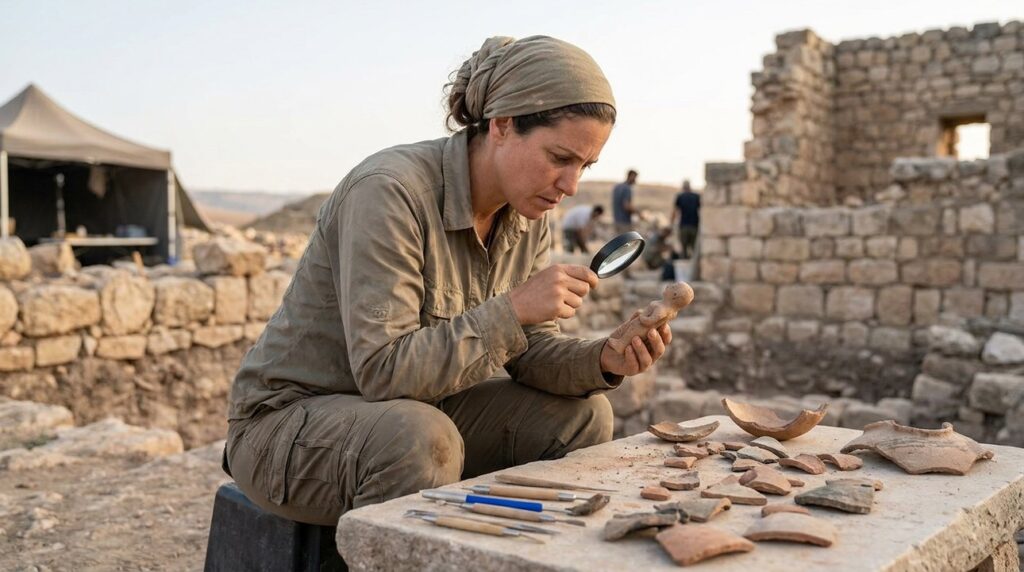

Gomer is a name that appears in historical records, often sparking curiosity about its location and significance. Gomer is listed as a son of Japheth, which helps us piece together historical and cultural landscapes.
This lineage suggests a connection to regions in Europe and Asia, offering clues about ancient migrations.
This article explores the geographical and historical context of Gomer as mentioned in historical texts and delves into its cultural impact over time, examining how these ancient names resonate today.
The descendants of Gomer, such as Ashkenaz, are linked to regions that played pivotal roles in the development of early European history. Ashkenaz indicates the spread of Gomer’s descendants across Europe.
These connections provide insight into the movement and settlement patterns of ancient peoples, illustrating the complex web of interactions that shaped the cultural and historical landscapes we study today.
This genealogical mapping helps us understand how various tribes influenced the cultural evolution of Europe.
from the Western Wall to Masada.

Where Is Gomer Located in the Bible?
Gomer is referenced in historical records primarily as a descendant of Noah. Gomer is listed as the eldest son of Japheth. This lineage places Gomer in a network of tribes and regions mentioned in historical texts.
The region attributed to Gomer is traditionally placed in or near ancient Anatolia (modern Turkey). This area was known for its significant cultural and trade connections in antiquity, serving as a bridge between the East and West, facilitating exchanges that shaped early civilizations.
Anatolia’s strategic location made it a mix of cultures, where influences from the Hittites, Phrygians, and later the Greeks converged. This rich interaction is reflected in the historical narrative, where Gomer’s descendants are linked to regions that played pivotal roles in early history. Understanding Gomer’s place in this context helps us appreciate the complex web of relationships that defined the ancient world.
Gomer’s Cultural and History
The mention of Gomer extends beyond genealogy. It is part of the broader narrative of the peoples and nations descending from Noah’s sons. This genealogical mapping was crucial for ancient societies to understand relationships and territorial domains.
Gomer is noted as the father of Ashkenaz, Riphath, and Togarmah, whose descendants are associated with various regions, indicating the spread of these tribes across Europe and Asia. These records provided a framework for understanding historical ties.
Gomer’s connections to regions in Anatolia highlight its role in early multi-regional interactions and contribute to our understanding of historical demographics. These interactions were not only about trade but also about cultural exchanges that influenced language, technology, and governance.
By tracing these genealogies, we gain insights into the complex networks that shaped early civilizations. The spread of Gomer’s descendants reflects the dynamic interactions across regions like Anatolia.
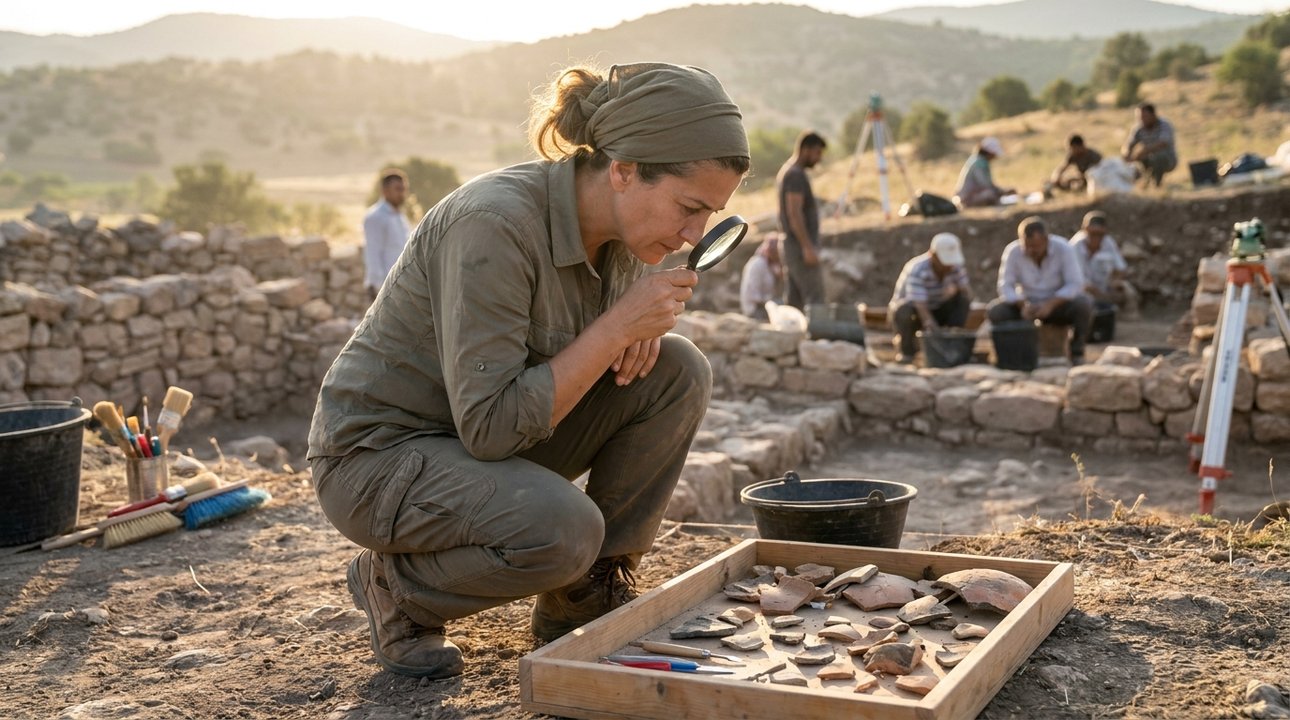
Gomer in Historical Contexts
Gomer is mentioned as part of an alliance of nations in a historical context. This alliance suggests a role for Gomer’s descendants in significant events.
The description of a coalition that includes Gomer, Togarmah, and others, indicates a significant geopolitical event.
These narratives capture imaginations, emphasizing the enduring relevance of Gomer beyond its historical context, as they are often interpreted in discussions about historical events.
The mention of Gomer in this context highlights its perceived importance in the unfolding of future events, a theme that has persisted in historical discussions. Gomer is part of an alliance, suggesting its role in significant occurrences.
Such narratives illustrate how ancient texts continue to influence contemporary thought, providing a framework for understanding the potential implications of historical alliances and conflicts. These narratives help us grasp the ongoing relevance of these ancient records.
Exploring Gomer’s Family Connections
Gomer’s descendants are detailed in historical records, including Ashkenaz, Riphath, and Togarmah. These names are associated with various regions, each contributing to the network of tribes spreading across areas of Europe and Asia. For instance, Ashkenaz is often linked to regions in Germany, while Togarmah is associated with areas in Anatolia. The movement and settlement patterns of Gomer’s lineage help form a complex mix of cultural interactions and expansions during early times, illustrating the dynamic nature of these early societies.
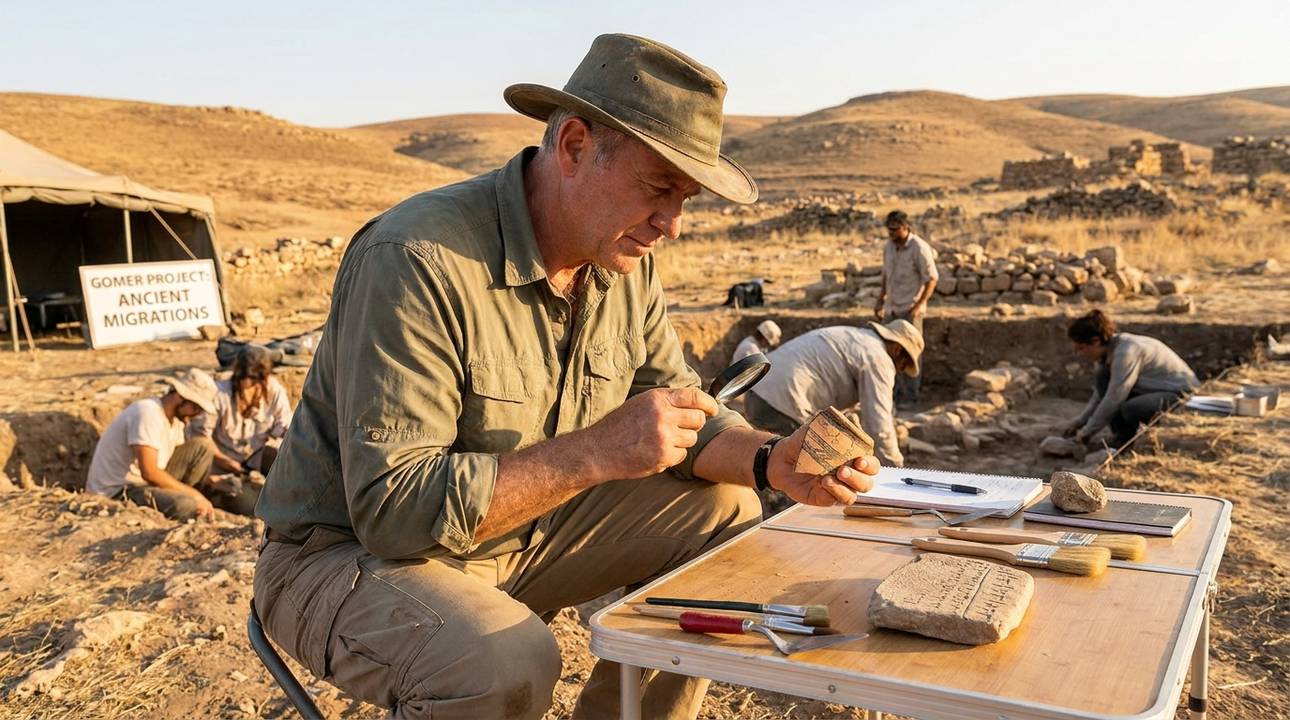
Gomer’s Legacy and Modern Connections
The legacy of Gomer is apparent in its influence on later genealogical traditions and regional identities. Gomer is the father of Ashkenaz, Riphath, and Togarmah, whose names have been linked to various regions.
These genealogies are more than historical records; they offer insight into how ancient identities influence modern cultural perceptions and affiliations, as many modern entities trace their roots to these lineages, finding cultural resonance and identity in these texts.
from the Western Wall to Masada.
For instance, Ashkenaz is often associated with the ancestors of the Ashkenazi Jewish communities in Europe. This connection is rooted in genealogical records where Ashkenaz is listed as a descendant of Gomer.
These connections illustrate how genealogies have shaped the cultural and historical narratives of entire peoples, providing a sense of identity and continuity that resonates through generations.
The Ashkenazi Jews, primarily found in Central and Eastern Europe, trace their lineage back to these ancient figures.
Gomer’s Place in Historical Literature
References to Gomer are not abundant, but their impact is significant. Appearing as a descendant of Noah, Gomer establishes a lineage that connects narratives across historical texts. This connection is crucial for understanding how genealogical records structured historical understanding. These genealogies functioned as cultural maps, reflecting alliances and migrations that shaped the historical landscape of the ancient Near East, showing the movement of peoples.
In ancient societies, these records were not merely lists of names but served as a framework for understanding political and familial ties. The mention of Gomer as part of an alliance further emphasizes its lasting significance in historical narratives.
This illustrates how these genealogical records were used to convey messages about future events and plans. Such records were crucial for maintaining social structures and understanding historical relationships among tribes and nations.
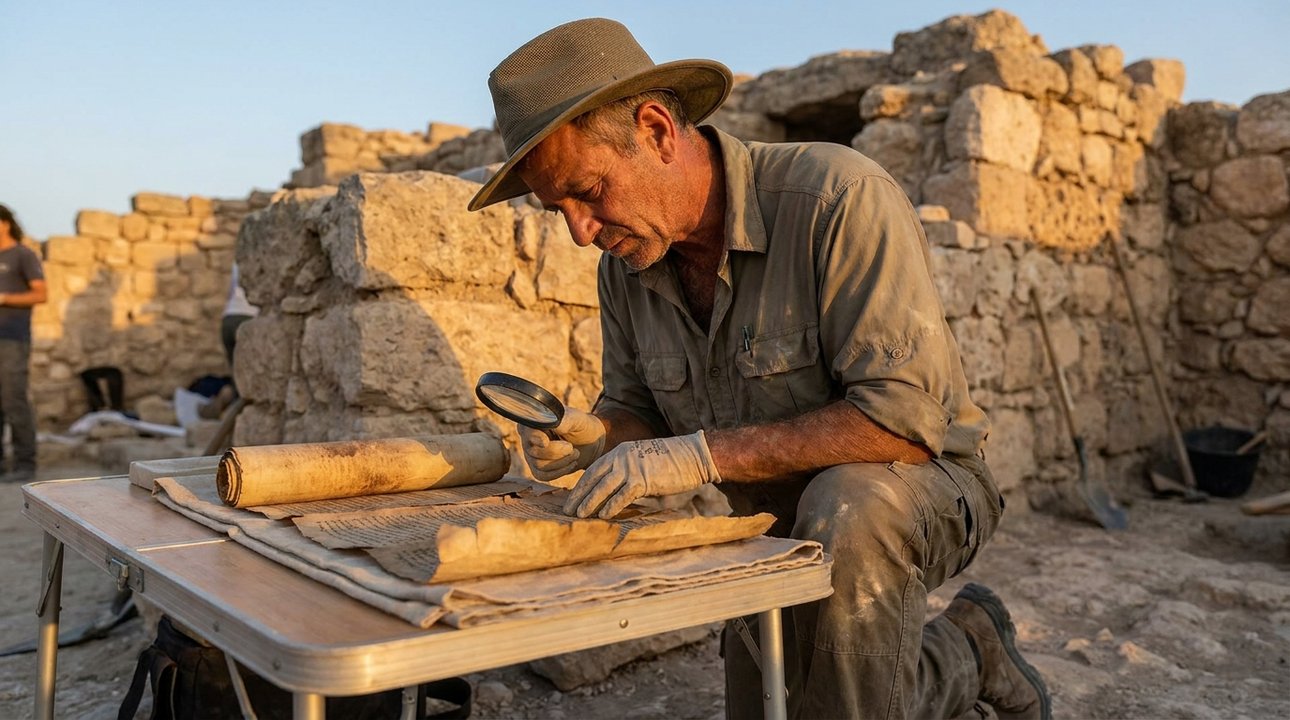
The Significance of Maps in Historical Times
Maps in the historical context were not merely geographical; they served as visual tools for understanding historical and cultural landscapes. Gomer’s placement in these maps reflects how its story is intertwined with broader narratives.
For example, Gomer is mentioned as part of a coalition of nations, which indicates its strategic importance. Analyzing such maps today helps us unveil the connections and influence of ancient peoples like Gomer on the development of civilizations.
These maps also illustrate how ancient trade routes and alliances were formed, highlighting Gomer’s role in regional dynamics. By examining these maps, historians can trace the movement of peoples and the exchange of cultural practices. This offers a deeper understanding of how Gomer and similar regions contributed to the mix of human history. For example, the alliances show Gomer as part of a coalition, indicating its strategic importance in ancient geopolitics.
Gomer’s mention provides a window into ancient genealogies and regional interactions. Listed as a son of Japheth, Gomer is linked to the broader narrative of Noah’s descendants.
This genealogy highlights the development of interconnected cultures, showing how ancient peoples spread across regions.
By tracing these lineages, we gain insight into how different groups influenced each other, contributing to a nuanced understanding of history and its cultural implications.
The descendants of Gomer, including Ashkenaz, Riphath, and Togarmah, are associated with regions that played significant roles in shaping early European and Asian history. These descendants are linked to various territories.
These connections underscore the importance of genealogical records in tracing the movement and influence of peoples, offering a deeper understanding of how ancient societies interacted and evolved. The spread of these tribes across continents highlights the interconnectedness of early civilizations.
Understanding Gomer
