Discovering Bashan Through Historical Maps


Bashan, known for its fertile lands and strongholds, played a significant role in historical narratives, such as the conquest by the Israelites, detailed in ancient texts. By exploring its geography and historical context, we can better understand its influence and its inclusion in historical maps. The region’s history contributes to our comprehension of its strategic and cultural role. The lush lands of Bashan are also noted for their prosperity.
The significance of Bashan is highlighted in historical texts, where its cities and towns are described as part of the Israelite inheritance. The region’s strategic location and resources made it a key territory in the ancient Near East. Bashan’s fertile lands supported agriculture and livestock, contributing to the economic stability of the Israelite tribes. Its historical and cultural role is reflected in the numerous references that celebrate its abundance and strategic value.
from the Western Wall to Masada.
What Is Bashan?
Bashan refers to a fertile area known for its agriculture and livestock. It is located east of the Jordan River, covering parts of modern-day Syria. Historically, Bashan is often highlighted as a land of abundance with particular mentions in ancient texts. This region was known for its oak trees and rich pastures supporting strong cattle, illustrating its reputation for robust livestock and prosperous agriculture.
Bashan is celebrated for its rich produce, highlighting the region’s agricultural wealth. The fertile land and favorable climate allowed for diverse farming activities, contributing to the sustenance of the Israelite people. The abundance of Bashan is also reflected in its cultural role, as its resources supported not only physical needs but also economic and social structures. This prosperity is a recurring theme in references to the region.
Bashan in Historical Stories
Bashan appears regularly in historical narratives, notably as the territory ruled by King Og. His defeat marked a significant conquest during the journey into the region. This victory emphasized the belief in support for the Israelites. The story underscores the strategic importance of Bashan in securing the northern frontier, ensuring the safety and expansion of settlements.
The defeat of King Og is also mentioned in historical texts, which celebrate the victories over powerful kings. Bashan’s conquest was not just a military achievement but a pivotal moment that reinforced the Israelites’ determination. The territory’s rich resources and strategic location made it a valuable acquisition, providing both economic benefits and a secure northern boundary. The story of Bashan is still remembered as reflections on overcoming formidable challenges.

The Geography of Bashan
Geographically, Bashan was ideal for farming and grazing, with volcanic soil and abundant water resources. The mountains of Bashan provided strategic defensive positions, making it a land of significance during earlier periods. This region’s natural wealth and military advantages made it highly desirable. Historical texts mention Bashan’s fertile lands, symbolizing power and might, reflecting its agricultural abundance.
The strategic importance of Bashan’s geography is further highlighted in historical texts, where the region’s lush landscapes are described. The combination of fertile plains and protective mountains made Bashan a coveted territory for both agriculture and defense. The area’s natural resources not only supported the local population but also played a role in trade and economic exchanges with neighboring regions. Bashan’s prosperity and strategic location made it a focal point in the ancient Near East.
Bashan’s Role in Historical Context
Bashan, allocated to the half-tribe of Manasseh, became an integral part of Israelite territory. Its strategic location and resources contributed to the sustenance and defense of the Israelite people. The region’s allocation is described in historical texts, where it is noted as a buffer zone against northern threats. Bashan’s inclusion on historical maps highlights its importance and the influence it had in shaping local geopolitics. This area, rich in fertile lands and natural defenses, was crucial for maintaining security and prosperity.
The strategic significance of Bashan is further emphasized in historical texts, where the half-tribe of Manasseh is noted for their bravery and ability to protect the northern borders. This region served as a frontline defense against invaders from the north, making it a key territory in the broader geopolitical landscape of the past. Bashan’s resources, including its fertile soil and abundant water, supported both agriculture and livestock, providing sustenance for the population and contributing to their economic stability.
from the Western Wall to Masada.
Bashan’s Influence on Culture and Religion
In addition to its physical resources, Bashan is remembered through its cultural influences, reflected in prophetic literature. Historical references highlight the region’s natural wealth and its role in economic life. These elements contribute richly to imagery and teachings, emphasizing the legacy of Bashan in cultural thought. The strength of Bashan’s oaks is a metaphor for resilience in historical prophecies.
Bashan’s cultural role is also evident in historical texts, where the region is associated with abundance and restoration. The imagery of Bashan’s fertile lands serves as a symbol of hope and renewal. The legacy of Bashan is reflected in its role as a source of inspiration and strength in literature. Its natural and cultural wealth continues to resonate in thought, highlighting the interconnectedness of land, people, and heritage.
Modern Understanding of Bashan
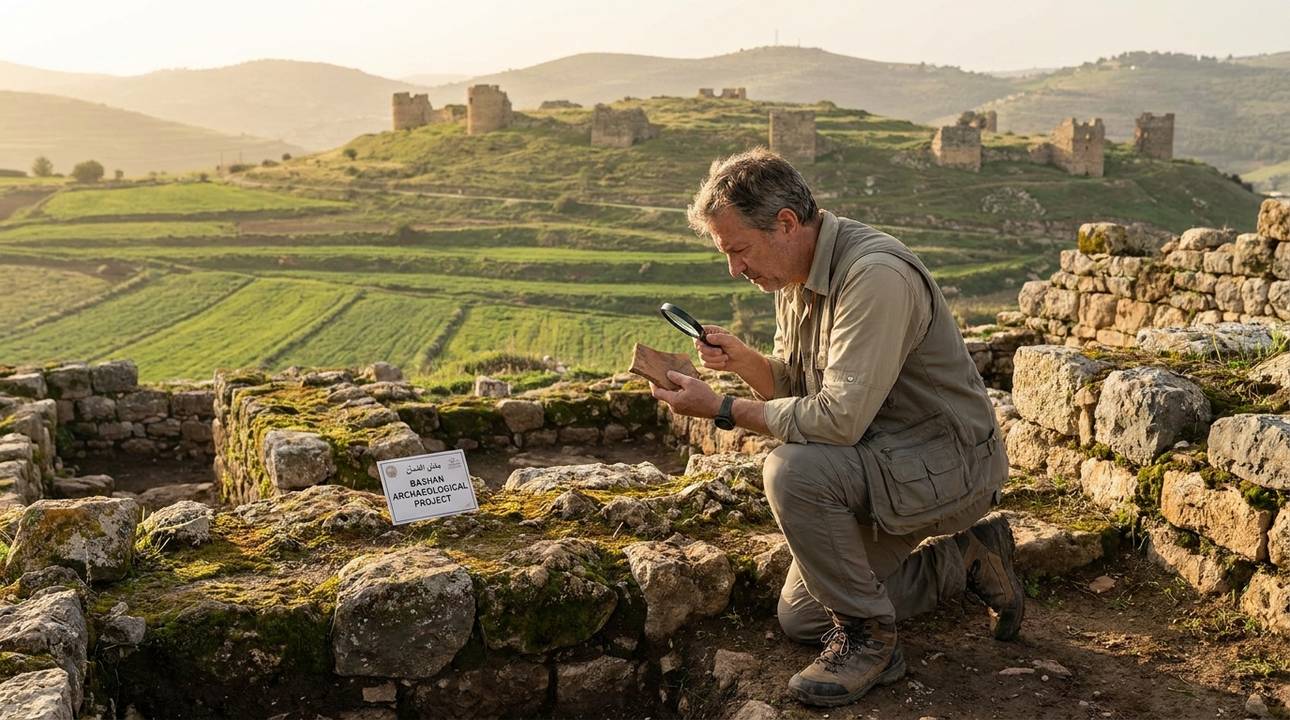
Today, the area once known as Bashan largely falls within the Golan Heights. Modern archaeological and historical studies continue to explore its past, connecting ancient findings to historical descriptions. Excavations have uncovered remnants of ancient cities and fortifications, offering tangible links to historical accounts. Understanding Bashan remains vital to interpreting historical texts and their roots, providing context for the stories and events that shaped the region’s identity.
Archaeological discoveries in the Golan Heights have revealed artifacts dating back to the time of the Israelite settlement, including pottery and tools that align with historical narratives. These findings help scholars piece together the daily life and cultural practices of the ancient inhabitants. The ongoing research in this area not only enriches our understanding of history but also strengthens the connection between past and present, highlighting the importance of Bashan in heritage.

Bashan on Historical Maps
Historical maps frequently depict Bashan as a critical junction within the Near East. They illustrate both the physical terrain and the socio-political context of the era. For instance, Bashan’s location made it a strategic point for trade and military movements during the time of King Og. Maps help visualize the geographic narratives found within historical stories, showing ancient life and the interconnectedness of these historical regions. The depiction of Bashan on maps underscores its role as a gateway to the northern territories.
Significance of Bashan in Religious Texts
Beyond ancient texts, later writings and traditions continue to reference Bashan, attributing themes of strength and vitality to its lands. Discussions about its fertile soil and robust livestock highlight its agricultural importance. These themes underscore Bashan’s continuing presence in memory and its role in understanding Israel’s historic landscape, offering a lens through which to view the strength and richness of the region. Bashan’s fertile lands are a sign of its enduring agricultural legacy.

Lev Haolam’s Connection to Heritage
Lev Haolam provides curated gift boxes that include items crafted by artisans whose skills have been passed down through generations. These boxes often feature handmade ceramics, olive oils, and textiles, each with a story that connects to the land’s history. Supporting these artisans helps preserve cultural heritage and traditional crafts, fostering a sense of pride and continuity. Through these efforts, the legacy of regions like Bashan is kept alive for future generations.
The curated gift boxes from Lev Haolam include products such as handmade ceramics, olive oils, and textiles, each with a story that connects to the land’s history. By supporting these artisans, you contribute to the preservation of cultural heritage and the continuation of traditional crafts. This support not only benefits the artisans but also strengthens the community, fostering a sense of pride and continuity. Through these efforts, the legacy of regions like Bashan is kept alive for future generations.
Understanding Bashan