
Unveiling the Historical Location of Kir
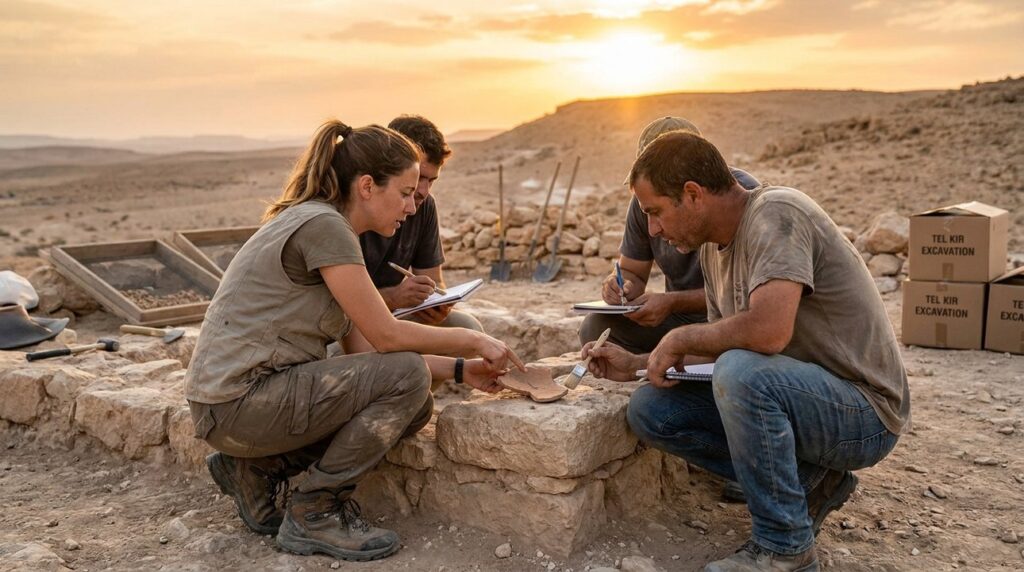

Kir is mentioned in connection with Moab, intriguing scholars with its historical significance. This article explores references to Kir, aiming to clarify its context.
Kir played an important role in historical events. Assyrian king Tiglath-Pileser III exiled the people of Damascus to Kir, marking it as a place of exile.
from the Western Wall to Masada.

Kir is depicted in texts as a city facing destruction, marking it within prophetic themes.
What Is Kir in the Bible?
Kir is mentioned in texts linked to Moab, a kingdom east of the Jordan River. It was involved in prophecies of destruction and themes of judgment, indicating its historical importance.
Kir was part of historical exchanges, providing insight into the era’s context.
Where Was Kir Located Historically?
The precise location of Kir is debated. Some scholars associate it with areas in the region historically linked to Moab. These connections are often speculative due to limited archaeological evidence.
Archaeologists have identified potential sites like Kir-Hareseth, aligning with historical accounts. Evidence of fortifications suggests Kir’s strategic importance in regional dynamics.
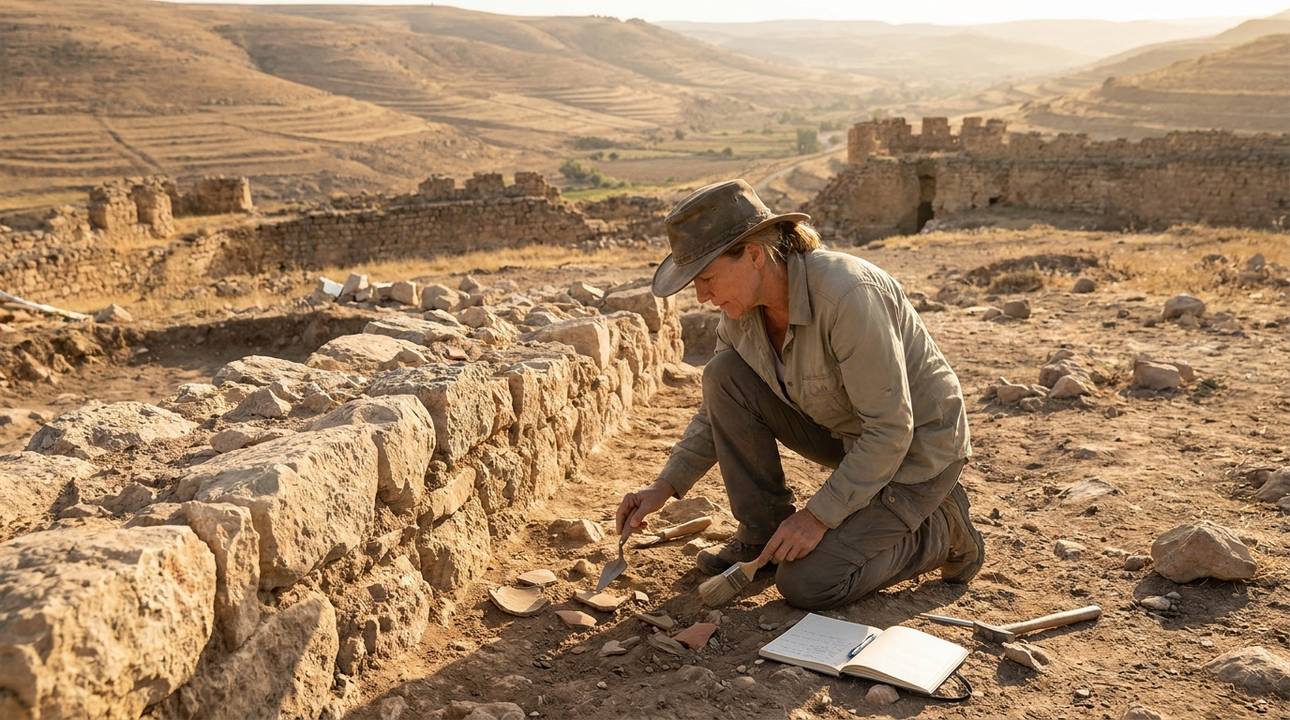
Mentions of Kir in History
Kir is referenced in historical texts as the location where Assyrians exiled the people of Damascus, highlighting its geopolitical role.
from the Western Wall to Masada.
Kir in Prophetic Literature
Prophets used Kir symbolically, invoking its name in themes of judgment and redemption. This highlights Kir’s intertwined fate with Moab.
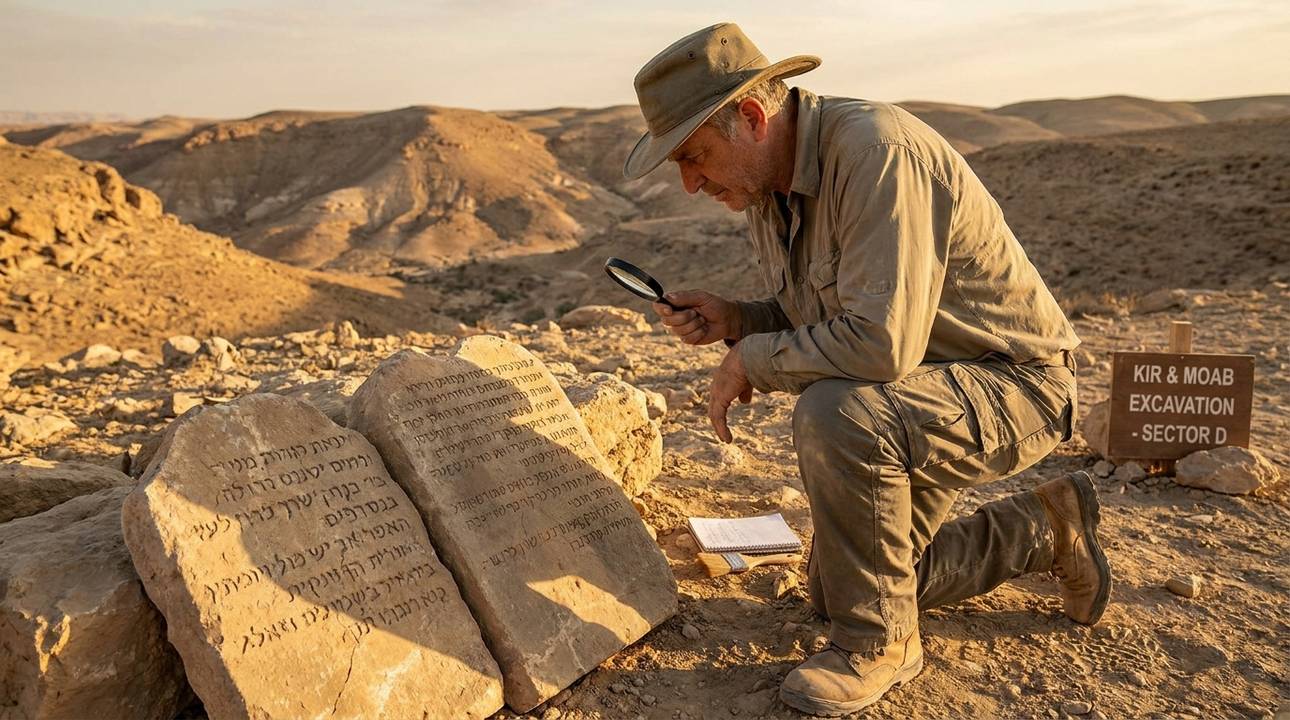
Archaeological Insights into Kir
Studies of sites like Kir-Hareseth aim to understand Kir’s historical context. Discoveries include fortifications and pottery, consistent with historical descriptions.
Kir’s Role in History
Kir’s presence marks key moments in history involving exile and conquest. Accounts depict the struggles and transitions of the time.
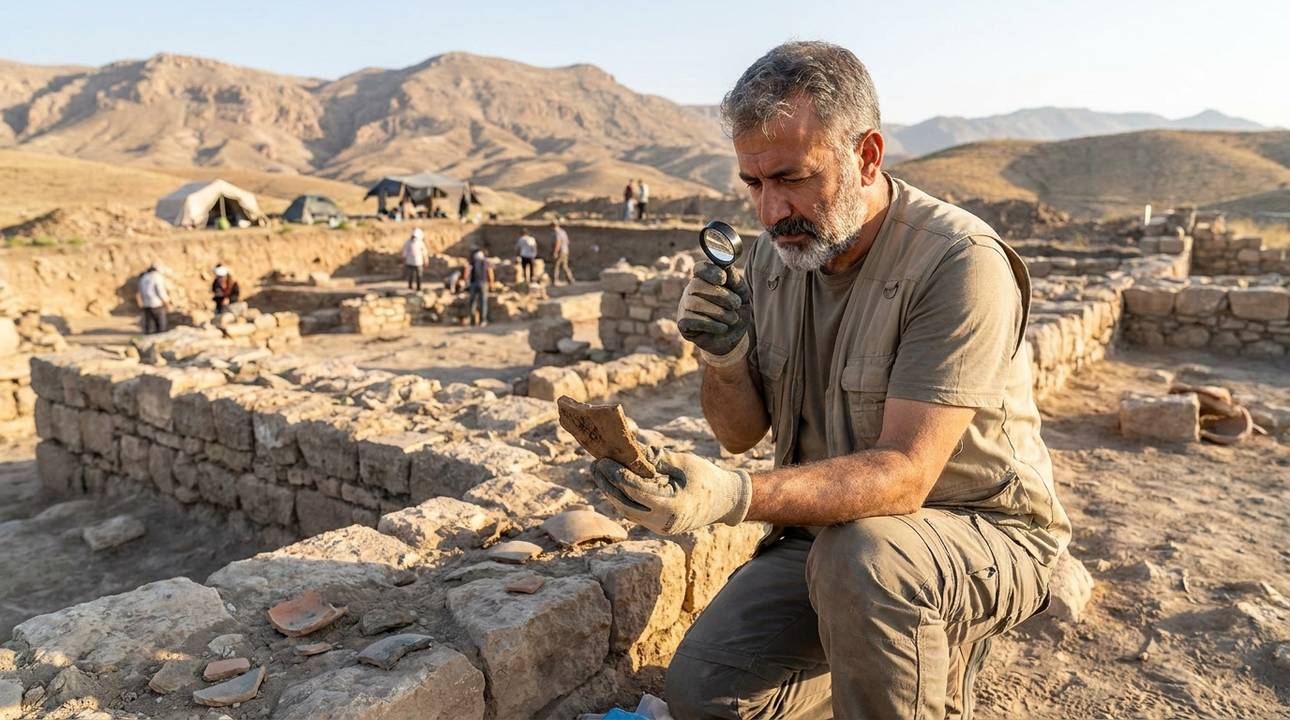
Kir in Modern Interpretation
Today, studying Kir offers insight into ancient texts and current historical understanding. Scholars examine Kir within broader discussions of heritage.
The Legacy of Kir
Kir’s legacy is its role as a focal point in history, bridging historical reality and interpretation, presenting themes of justice and redemption.
Understanding Kir in the Bible
