
Discovering the Historical Land Known as Cush


Cush, referenced in ancient texts, corresponds to a historical region often associated with northeastern Africa. The term ‘Cush’ encompasses various lands known for their historical and cultural role. This geographical reference highlights Cush’s importance in early narratives. In this article, we explore Cush’s geographical identity, its place in ancient narratives, and how it became a key location in historical stories.
Cush’s prominence is noted in historical texts, where it is described as a land of tall people, emphasizing its distinctiveness. The region is often associated with the Kingdom of Kush, which thrived in what is now modern-day Sudan. This connection between Cush and the historical kingdom provides a fascinating glimpse into the interplay between history and culture. Known for its powerful rulers and cultural heritage, the Kingdom of Kush boasted a lineage that included notable figures such as King Taharqa. His reign marked a period of expansion and consolidation, strengthening the kingdom’s influence in the region. Skilled in diplomacy and warfare, the Kushites maintained their sovereignty against formidable adversaries. Cultural achievements, including advancements in art and architecture, further underscore the history of this kingdom.
from the Western Wall to Masada.

The influence of this kingdom extended into Egypt, where it established the 25th Dynasty, known as the Nubian Dynasty. This dynasty is noted for its reunification of Egypt and the restoration of historical customs, such as the worship of Amun. Known for their architectural achievements, the Kushites constructed pyramids at Meroë, which rivaled those of Egypt. Built between the 8th century BCE and 4th century CE, these pyramids reflect their architectural prowess. The 25th Dynasty began with Pharaoh Piye, celebrated for his conquest of Egypt around 727 BCE. Piye’s victory is recorded in a stela, detailing his campaigns and cultural devotion. While adopting Egyptian customs, the Kushites maintained their cultural identity, creating a unique blend of traditions. This period marked a renaissance in Egyptian art and architecture, with significant contributions to the cultural landscape of the time.
What and Where Was Cush?
Cush is traditionally identified with areas along the Nile River in what is now Sudan and parts of Ethiopia. The name ‘Cush’ (or ‘Kush’) often describes regions known for their rich resources and strategic importance in ancient trade.
According to historical references, Cush’s inhabitants were skilled warriors and influential traders, playing significant roles in the interactions between Africa and Asia.
Cush’s position on the map was pivotal, connecting various cultures and facilitating exchanges of goods and ideas across continents.
Cush in Historical Genealogy
Historically, Cush was one of the sons of Ham, the son of Noah. Cush’s descendants were said to have spread across Africa and parts of the Middle East.
This genealogy positions Cush within a broader narrative of human dispersion and diversity, illustrating the interconnectedness of various peoples. The account underlines Cush’s prominence as a historical and cultural touchstone in the ancient world.
This lineage highlights the spread of human civilization. The descendants of Cush are believed to have established influential kingdoms, such as the Kingdom of Kush, which played a significant role in the ancient world.
The spread of Cush’s descendants across different regions reflects the dynamic nature of human migration and cultural exchange.
The narrative of Cush serves as a reminder of the shared heritage and common origins of diverse peoples, fostering a sense of unity and continuity in the human story.
The descendants of Cush are believed to have established powerful kingdoms, such as the Kingdom of Kush, which played a significant role in the ancient world.
King Tirhakah is mentioned as a threat to the Assyrian king Sennacherib, highlighting the political influence of Cush during this period. This reference underscores Cush’s significance in the geopolitical landscape of the time.
Tirhakah’s military campaigns were notable for their strategic brilliance. His reign, which began around 690 BCE, was marked by efforts to defend his kingdom against foreign invasions.
His leadership and military acumen were instrumental in maintaining the stability and prosperity of the kingdom. The mention of Tirhakah reflects the respect and recognition he garnered from contemporary powers.
His legacy as a formidable leader continues to be celebrated in the annals of history, illustrating the enduring impact of Cushite rulers on the ancient world.
The Role of Cush in Historical Narratives
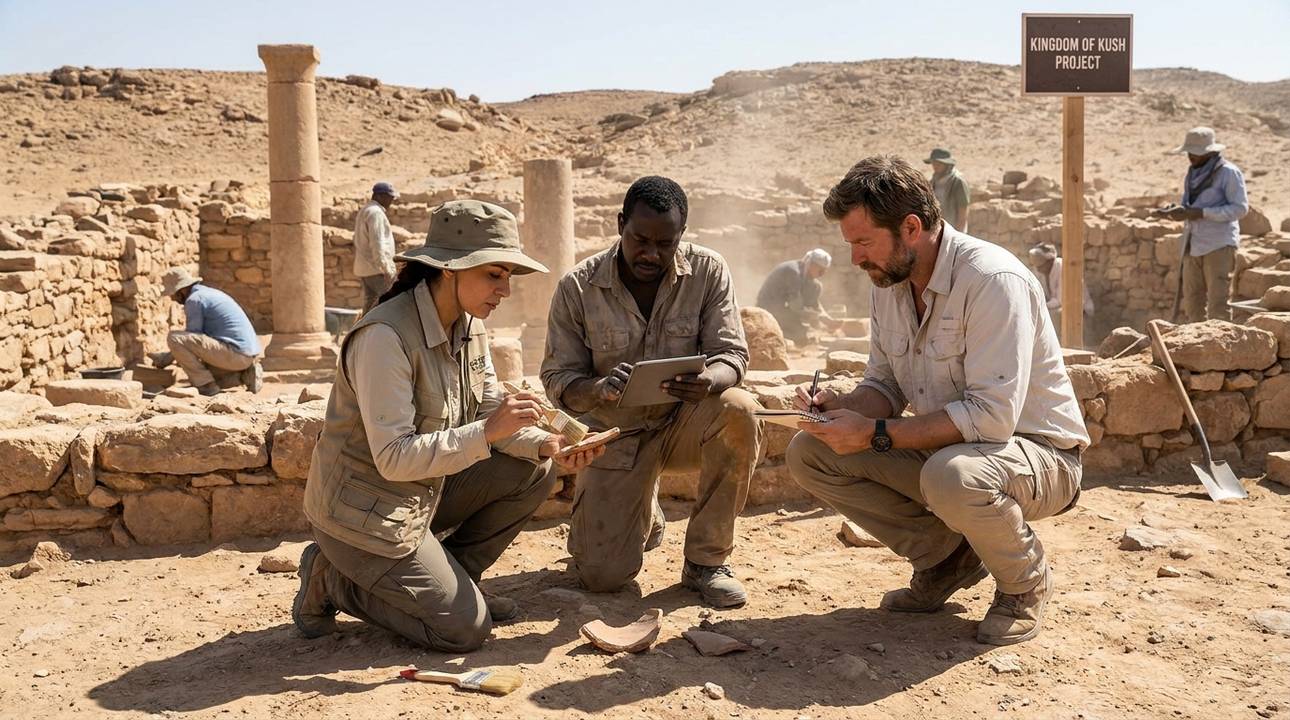
Cush appears in several historical narratives as a land of both mystery and wisdom. The reference to Cush underscores the nation’s historical depth and the interactions with neighboring civilizations. Stories like these highlight Cush’s role in illustrating themes of diversity and the widespread influence of ancient cultures. This narrative reflects the acceptance and integration of diverse peoples within the community. The story serves as a reminder of the interconnectedness of ancient societies and the shared human experiences that transcend cultural boundaries. Such interactions enriched the culture of the ancient world.
Historical and Archaeological Insights
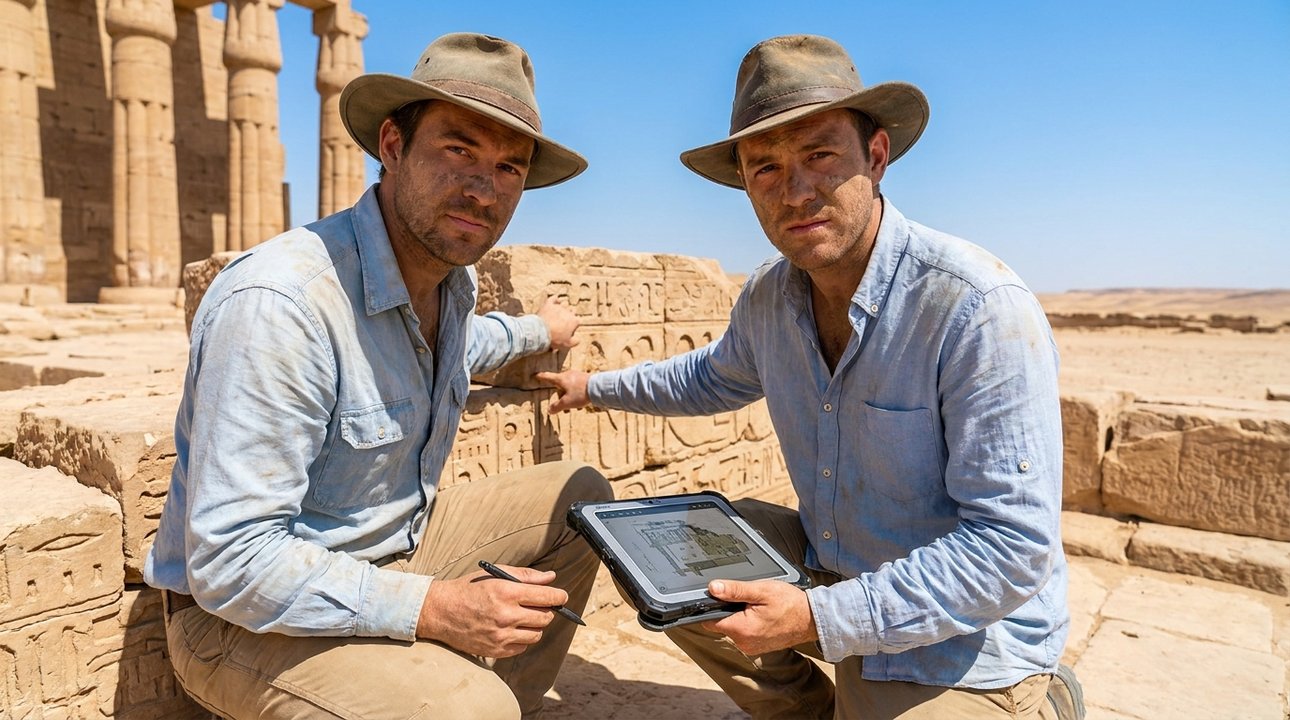
Archaeological findings in regions identified as Cush reveal a mix of artifacts and structures, indicating a well-developed society. These findings include advanced irrigation systems and evidence of complex social structures, shedding light on the sophisticated nature of the civilization. The discovery of the pyramids at Meroë, for instance, showcases the architectural prowess and cultural achievements of this ancient society. Meroë served as a major center of trade and industry. Built between the 8th century BCE and 4th century CE, the pyramids at Meroë are smaller but more numerous than those in Egypt, reflecting a unique architectural style. These structures were used as royal tombs, signifying the importance of the afterlife in their culture. The city’s strategic location along trade routes contributed to its prosperity and influence. Artifacts uncovered at Meroë, including pottery, jewelry, and inscriptions, provide valuable insights into the daily life and beliefs of the people.
Such discoveries contribute significantly to our understanding of Cush’s role in ancient geopolitics and culture. Interactions with Egypt, including the period when pharaohs from this region ruled as the 25th Dynasty, underscore its political influence. This era is marked by a fusion of Egyptian and local traditions, reflecting the dynamic cultural exchanges of the time. The rulers adopted Egyptian customs while maintaining their own unique identity. The reign of pharaohs such as Shabaka and Taharqa was characterized by efforts to restore Egyptian religious practices and monumental architecture. These rulers commissioned the construction of temples and statues, leaving a legacy on the Egyptian landscape. The blending of cultural elements from both civilizations resulted in a rich and diverse heritage that continues to be studied and admired today. The influence on Egypt is a sign of the enduring impact of cultural integration.
Cush in Ancient Trade Networks
Cush was strategically located along major trade routes, facilitating exchange between Africa, the Middle East, and beyond. Goods such as gold, ivory, and spices traveled through its territories. These trade connections made Cush a pivotal player in regional economies and boosted its influence across continents. The wealth generated through these networks allowed the kingdom to thrive and expand its cultural reach. Trade routes also enabled the spread of religious and artistic ideas. The Nile River served as a vital conduit for trade, linking Cush with Egypt and other African regions. This facilitated the movement of goods and people, fostering cultural exchanges and interactions. The wealth accumulated from trade supported the development of infrastructure and the patronage of the arts. The kingdom’s strategic location and economic prowess made it a center of innovation and cultural exchange, contributing to its legacy in the ancient world.
from the Western Wall to Masada.
Historical texts also reference Cush’s wealth and trade connections, where Cushite warriors are mentioned as part of the forces of Tyre. This indicates Cush’s involvement in broader regional alliances and conflicts, further emphasizing its strategic importance. The integration of Cush into these ancient networks highlights its role as a cultural and economic bridge between civilizations. Cush’s warriors were known for their skill and bravery, often serving as mercenaries in foreign armies. The mention of Cushite warriors underscores the kingdom’s military prowess and its reputation as a source of formidable fighters. These warriors played a crucial role in protecting trade routes and securing alliances with neighboring powers. The Cushite kingdom’s ability to project military strength contributed to its influence and stability in the region. The strategic alliances formed through these military connections helped Cush maintain its position as a key player in ancient geopolitics.
Cush in the Present Day
Today, the legacy of Cush persists in the cultural and historical traditions of Sudan and Ethiopia. The modern nations carry forward a heritage rooted in the ancient past. Modern archaeological and cultural research continues to uncover the mysteries of Cush, providing insight into one of the world’s earliest civilizations. These discoveries not only enrich our historical understanding but also strengthen the cultural connections linking past and present. The influence of Cush is evident in art, language, and customs.
Cush in Jewish Heritage
In historical tradition, Cush represents a realm of diverse people and cultures, symbolizing the mix of human civilization. The references to Cush in historical texts continue to play a role in studies and cultural reflections, serving as a bridge to the ancient world. This marriage highlights the blending of different traditions and the acceptance of diversity. The story is a poignant example of the integration of diverse cultures within the narrative. It reflects the openness and inclusivity that characterized ancient societies, where intercultural marriages were not uncommon. The presence of Cush in tradition serves as a reminder of the interconnectedness of human history and the shared experiences that unite people across time and space. These narratives enrich our understanding of the cultural dynamics of the ancient world.
This connection emphasizes the broader historical narrative shared by various cultures and the legacy of historical lands. Cush’s influence is also seen in stories of notable figures who are believed by some traditions to have connections to the Cushite region. This highlights Cush’s role in the exchange of ideas and cultural practices across historical societies. The interactions demonstrate the mutual respect and admiration between leaders of different cultures. The story exemplifies the mix of relationships that existed in the historical world, fostering a spirit of cooperation and understanding.
Conclusion: the Importance of Cush
Understanding Cush’s place in history allows us to appreciate the cultural and geographical richness that shaped historical stories. The study of Cush offers insights into the complexities of ancient societies while celebrating the ties between different peoples of the world.
Cush is mentioned as one of the lands from which the dispersed will return, highlighting its significance in historical visions. This underscores the enduring connection between Cush and the broader narrative.
The mention of Cush in historical texts reflects its importance as a symbol of hope and restoration. The return of the dispersed from Cush signifies the reunification of diverse peoples and the fulfillment of ancient promises.
This narrative resonates with themes of redemption and renewal, emphasizing the interconnectedness of human history. The study of Cush enriches our understanding of the cultural dimensions of the ancient world, offering valuable lessons for contemporary reflections.
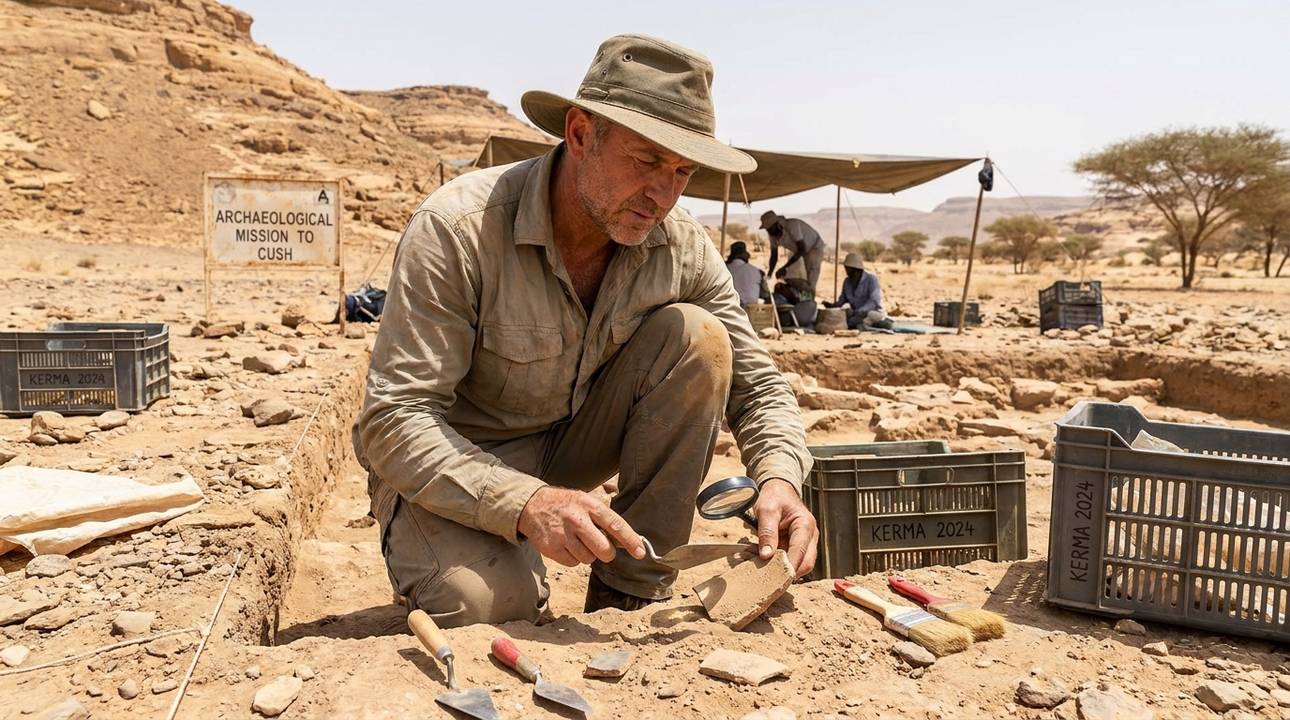
As research continues, Cush remains a symbol of the interconnectedness and shared heritage of humanity. Archaeological discoveries in regions identified as Cush, such as the ancient city of Kerma, reveal the advanced nature of its civilization.
Kerma was a major urban center with impressive structures and a complex society. These findings help us understand the role Cush played in regional politics and trade, further enriching our knowledge of its historical impact.
Flourishing from around 2500 to 1500 BCE, Kerma was characterized by its monumental architecture, including large mud-brick buildings and elaborate burial mounds. The city’s strategic location along the Nile facilitated trade and cultural exchanges with neighboring regions.
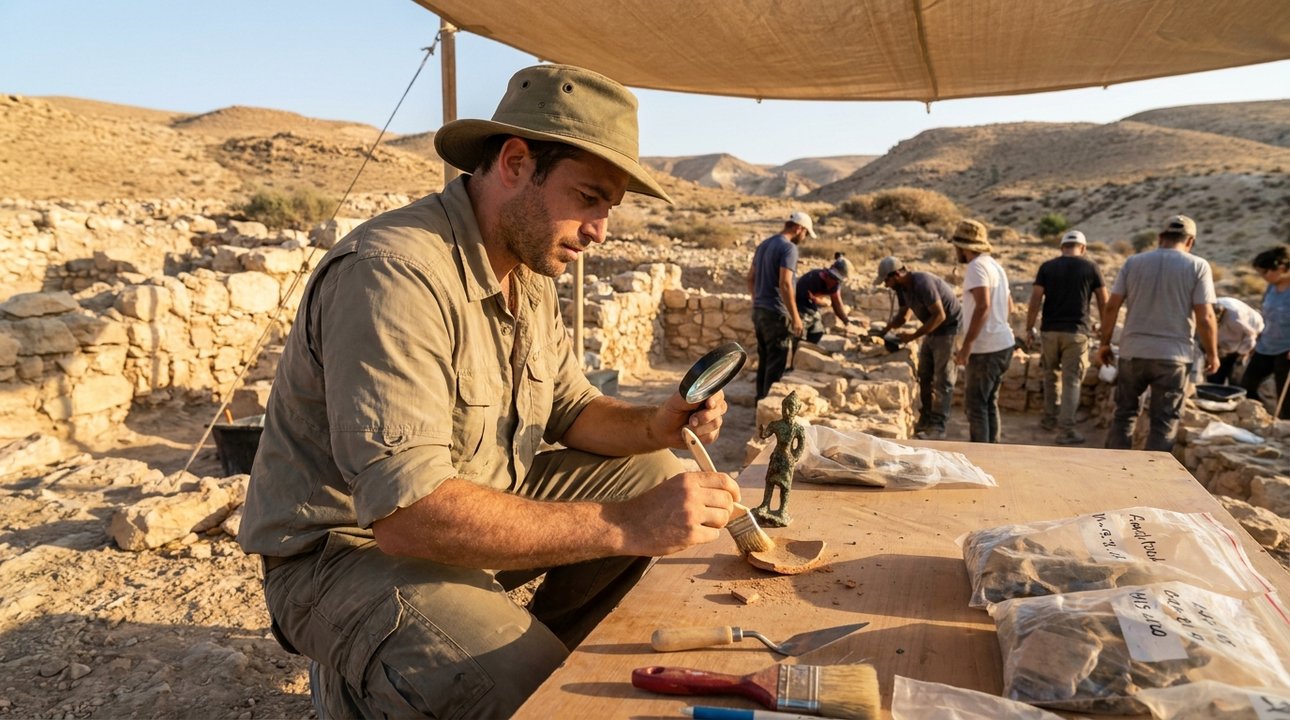
Artifacts uncovered at Kerma, such as pottery and jewelry, provide insights into the daily life and artistic achievements of the people. These discoveries highlight the sophistication and advanced nature of the civilization.
The strategic location along the Nile allowed the kingdom to control trade routes and influence neighboring regions. This control facilitated the exchange of goods, ideas, and cultural practices, making Cush a vital player in ancient geopolitics.
The wealth generated from trade contributed to the kingdom’s prosperity and power. The Nile served as a major artery for commerce, linking Cush with Egypt and other African regions. Trade routes extended as far as the Red Sea, enabling access to the Arabian Peninsula and beyond.
Goods such as gold, ivory, and exotic animals were highly sought after and traded extensively. The Kushites also exported iron tools and weapons, showcasing their metallurgical skills.
The kingdom’s wealth allowed for the construction of monumental architecture and supported a thriving cultural scene, evidenced by the rich artistic and religious artifacts discovered in archaeological sites.
Understanding Cush
