
Discovering the Depths of Shunem: History and Geography
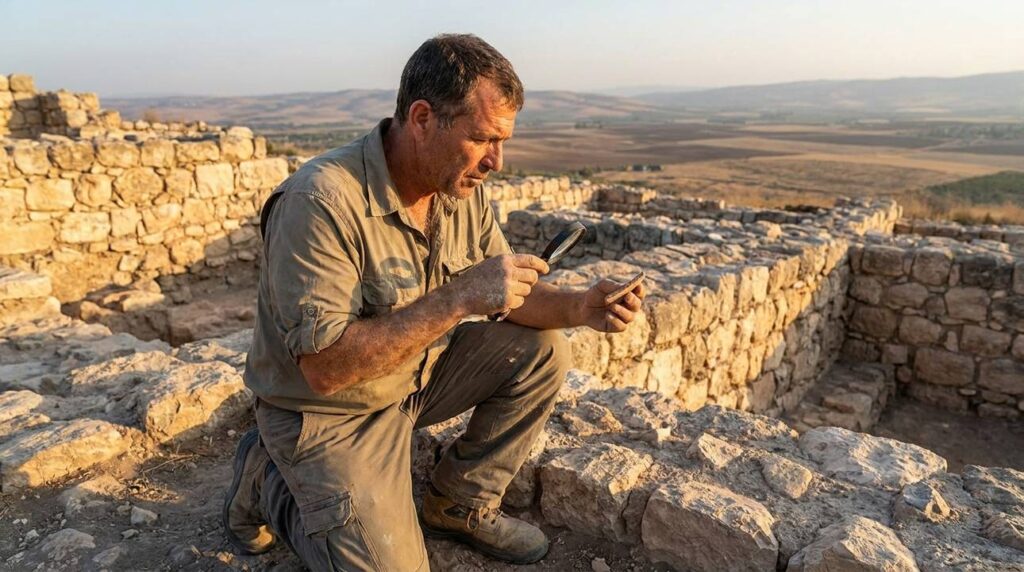

Shunem was a small but significant village in the ancient Near East. It holds a special place in historical narratives, playing host to key events and figures. Located in the fertile Jezreel Valley, Shunem’s geographic position made it an influential site for historical interactions and events. Understanding Shunem requires exploring its role in stories, maps, and memories passed down through generations. This article delves into the geographical and history of Shunem, showing its historical legacy.
What Is the History of Shunem?
Shunem first appears in historical records in the Book of Joshua as part of the territory assigned to the tribe of Issachar. Its strategic location in the Jezreel Valley provided a fertile ground for agriculture, which likely influenced its settlement.
The proximity of Shunem to major trade routes also positioned it as a point of interaction between various peoples. This agricultural hub thus became an important site for commerce and connection, further enhancing its historical value.
from the Western Wall to Masada.

In historical accounts, Shunem is the hometown of the notable Shunammite woman who shows hospitality to Elisha. This hospitality led to significant events, including the miraculous revival of her son.
These stories cement Shunem’s cultural contributions within historical narratives. Elisha’s interactions in this town highlight the values of faith and hospitality, showcasing Shunem’s role as a setting for significant encounters and events.

Shunem’s role in larger historical narratives is significant, particularly during Saul’s reign. The Philistines camped at Shunem before the Battle of Mount Gilboa. This event adds a military dimension to Shunem’s history, highlighting its strategic importance.
The village’s multifaceted history includes both everyday life and extraordinary events. Shunem’s hills and fields witnessed pivotal moments, blending the ordinary with the remarkable in historical accounts.
The layers of history in Shunem make it a rich site within historical narratives. Its role during the Philistine encampment illustrates the village’s strategic location. The Battle of Mount Gilboa, where Saul met his fate, was a turning point in Israel’s history. Shunem’s history is enhanced by these events, showcasing the village’s role in shaping stories. Its past continues to captivate those interested in the intersection of history and culture.
Where Is Shunem Located Today?
Today, Shunem is identified with the modern village of Sulam in the Lower Galilee. Its placement in a fertile basin reflects its ancient agricultural roots. Sulam continues Shunem’s legacy through its agricultural activities, preserving the historical essence.
The landscape, though modernized, offers glimpses into the historical setting cherished in stories. Shunem’s transformation into Sulam highlights the enduring connection between past and present.
Shunem’s modern counterpart, Sulam, maintains its agricultural heritage. Located in the fertile Lower Galilee, Sulam reflects Shunem’s history. The village’s continued agricultural activities preserve its historical roots. The transformation from Shunem to Sulam showcases the legacy of the village. Despite modernization, the landscape retains elements of the historical setting that played a vital role in narratives.
Geospatial studies and archaeological findings shed light on Shunem’s boundaries and layout. These studies help scholars visualize life in this ancient village, bridging past and present understandings. Discoveries like pottery and building remnants provide insights into daily life.
Modern investigations promise to reveal more about historical communities in Shunem. By studying its layout, we gain a clearer picture of how residents navigated their surroundings in the Jezreel Valley.
Archaeological findings in Shunem enhance our understanding of its history. The village’s location in the Jezreel Valley made it a critical junction for trade and agriculture. These insights help us appreciate the interconnectedness of ancient communities. Engagement with these findings offers a window into the past, revealing how Shunem’s residents thrived. The village’s strategic position influenced its development, shaping its role in historical narratives.

What Can We Learn from Shunem’s Historical Narratives?
The stories from Shunem reflect themes of faith, community, and perseverance. The narrative of Elisha and the Shunammite woman illustrates the power of hospitality and faith. Her story of seeking help for her son highlights hope and determination. The Shunammite woman’s faith led to a moment of intervention, exemplifying the personal nature of historical teachings. Her story is still remembered, showing how faith and community can create profound experiences.
Shunem’s narratives offer enduring lessons of faith and resilience. The story of the Shunammite woman and Elisha highlights the intertwining of hospitality and divine promise. Her determination to seek help for her son resonates with themes of hope.
The personal nature of these teachings inspires reflection and growth. The Shunammite woman’s story exemplifies the power of faith and community, offering timeless insights into the human experience.
Furthermore, Shunem’s connection to the broader conflicts of the region, such as those seen in Saul’s narrative, underscores the village’s strategic and symbolic importance in military history.
Its role as a staging ground for historical battles accentuates the intersection of daily life with significant historical shifts. These narratives from Shunem thus offer lessons on the complexities and nuances of ancient life, providing insights that resonate beyond their immediate locale.
from the Western Wall to Masada.

How Does Shunem’s Geographical Context Enhance Its Historical Role?
Shunem’s geographical setting serves as a key to understanding its mix of historical stories. Positioned at the crossroads of important routes, it naturally became a hub for cultural and economic interactions. The fertile lands enabled thriving agricultural practices, which were central to its inhabitants’ livelihoods and stories. The geographical features provided a backdrop for both mundane and significant events, enhancing the narratives anchored in its soil.
Shunem’s geographic connectivity underscores the interconnectedness of historical events. Its proximity to other significant sites illustrates the physical paths through which stories unfolded. The village’s location near hills and valleys mentioned in texts adds depth to its narrative.
Tracing Shunem’s contours enhances our understanding of its place in the historical landscape. Archaeological insights and historical recollections deepen this comprehension, revealing the village’s role in shaping history.
The interconnectedness of historical sites is evident in Shunem’s geography. The village’s location near notable hills and valleys highlights its role in unfolding stories. These physical paths connect Shunem to other significant events and locations. Understanding Shunem’s geographic context enriches our appreciation of its history. The village’s position within the historical landscape offers insights into the narratives that shaped its legacy.
Zion in Later Historical Books
Exploring historical maps helps us understand how geography influenced experiences in Shunem. The village’s location in the Jezreel Valley facilitated both agrarian life and trade networks, reflecting its interconnected worlds.
Ancient maps allow us to visualize how terrain and resources shaped culture and survival. Shunem’s geography set the stage for pivotal chapters, illustrating the harmony between human ingenuity and the land.
Shunem’s presence on historical maps highlights its role in shaping human experiences. The village’s fertile lands supported agrarian life, while its position in trade networks connected it to broader cultural exchanges. By examining these maps, we see how Shunem’s geography influenced its development. The village’s strategic location facilitated interactions that shaped its cultural and history.

What Role Does Shunem Play in the Judeo-Christian Heritage?
Shunem holds a special place in heritage, known for its stories of hospitality and faith. One notable story is that of Elisha and the Shunammite woman. Her hospitality towards Elisha led to a miracle, highlighting the village’s significance. Despite its small size, Shunem’s impact on narratives is profound. The lessons from its stories are still remembered, showing how faith and kindness can lead to significant encounters.
Shunem’s influence extends beyond its physical boundaries, shaping cultural perceptions. As a site of divine encounters, it has become a symbol of spiritual hospitality. The village’s stories, such as the miraculous revival of the Shunammite’s son, echo through time, influencing religious thought. These narratives offer enduring lessons, reminding us of the power of faith and community. Shunem stands as a sign of the lasting impact of spiritual values on cultural heritage.
Shunem’s stories resonate across traditions, explored in synagogues and churches alike. The village serves as a bridge, connecting diverse communities to shared roots. Its narratives, such as the story of Elisha, are universally appealing.
The lessons learned along Shunem’s paths speak to its enduring resonance. The village’s historical and geographical saga captures imaginations, highlighting the universal themes of faith and community that transcend time.
The enduring appeal of Shunem’s stories lies in their ability to connect people. The village’s narratives offer insights into shared roots, fostering a sense of unity among diverse communities. Shunem’s role in history underscores its importance. As a narrative locale, Shunem is still remembered, with its stories capturing the imaginations of those who explore its heritage. The lessons from its paths remain relevant, offering wisdom.

FAQs About Shunem
