
Uncovering the Significance of Mamre in Historical Contexts


Mamre is a notable location in historical texts, associated with cultural traditions and events. It is first mentioned as a place where Abram settled by the oaks of Mamre, near Hebron, and built an altar. This site is linked to key moments in history, including the promise of a son to Sarah. This article explores its historical role, cultural role, and what modern maps reveal about its location. Mamre’s significance extends beyond its mentions, reflecting a rich cultural past.
What Is Mamre?
Mamre is a site mentioned in the Hebrew Bible, associated with important historical figures. It appears in several narratives, most notably as the location where visitors were received. This event is seen as a pivotal encounter with cultural implications.
The visitors, often interpreted as messengers, foretold the birth of a significant figure, marking a turning point in the narrative. Mamre’s name is often linked to the oak trees, known as the Oaks of Mamre, which provided a setting for these encounters. These oaks symbolize strength and continuity.
from the Western Wall to Masada.
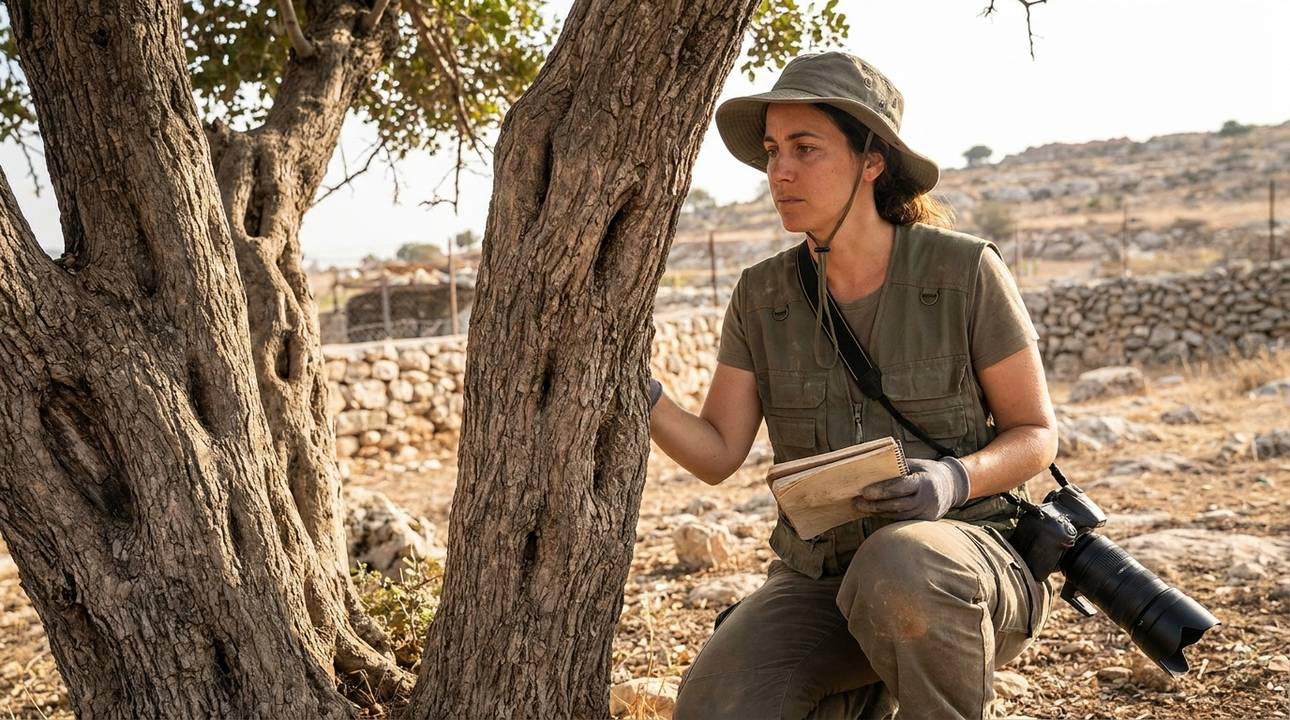
These oaks are believed to have been a landmark in the region, offering shade and a place for gatherings. Mentioned as a place of alliance with local leaders, indicating its strategic importance.
Such references highlight Mamre’s role not just as a backdrop for encounters, but as a community hub. The stories associated with Mamre continue to resonate, reflecting the connections between the land, its people, and their traditions.
Alliances here symbolize unity and strength in the face of challenges.
Historical Role of Mamre
In earlier times, Mamre was more than just a backdrop for events. It served as a community center and a place for gathering and worship. Descriptions of hospitality under the terebinth trees, which were considered significant.
Believed to have been a focal point for social interaction, the terebinth trees are mentioned as sites of important events and gatherings.
These trees provided a natural setting for communal activities, fostering a sense of unity and shared purpose.
The terebinth trees are also referenced as marking another significant location. Their presence at Mamre underscores its importance as a place of meeting and decision-making.
Gatherings under these trees were not only social but also significant, providing a venue for important encounters and promises. This blend of community and significance made Mamre a cherished location in the historical landscape, reflecting its multifaceted role in ancient society.
These trees were central to both everyday life and important events.
Mamre in Historical Narrative
Mamre is frequently associated with key historical events. It became famous as the location where important promises were reaffirmed. This highlights Mamre not only as a place of residence but also of significant encounters. It remains a vivid symbol in heritage, representing tradition and agreement. These stories are still remembered and connect people today.
The oaks of Mamre are mentioned again near the Cave of Machpelah, a significant burial site located in Hebron, which is one of the oldest continuously used burial sites in the world and holds importance in various traditions.
Mamre’s enduring presence in these stories underscores its role as a cultural landmark. It continues to be a place of reflection and connection to foundational stories, serving as a reminder of enduring agreements and traditions.
Mapping Mamre: Where Is It Located?
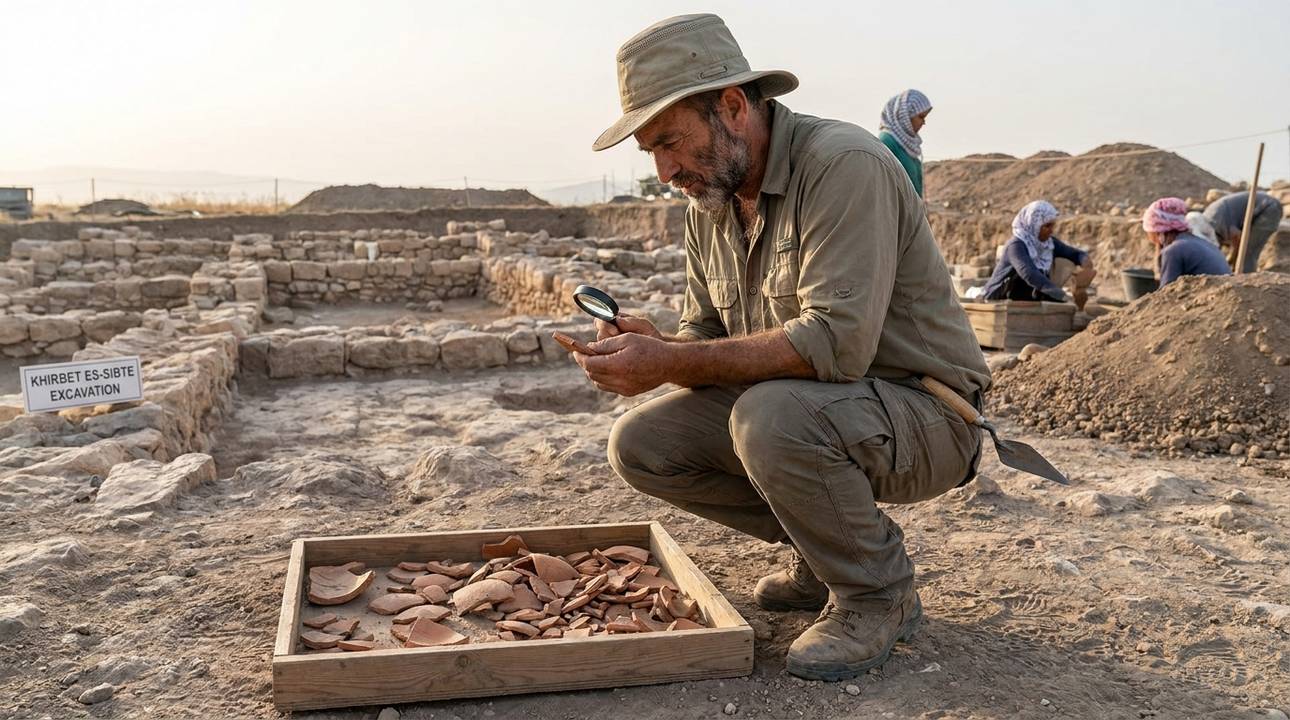
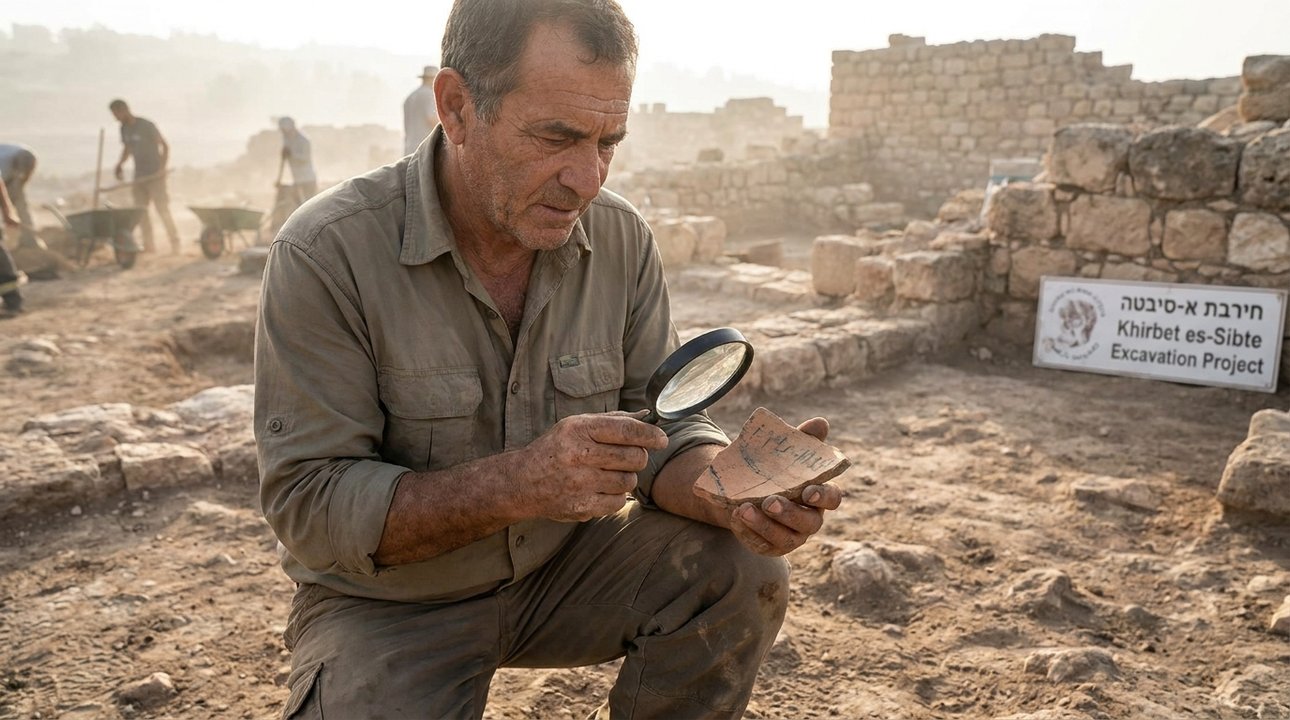
The exact location of Mamre has been a subject of exploration and debate. Many scholars believe it to be near modern-day Hebron, a city with a notable past. The Cave of Machpelah nearby is a significant site. Maps of earlier times place it in a region known for its historical and important events. Today, Mamre is often identified with the place known as Khirbet es-Sibte, where archaeological findings support its history. This identification is based on both textual evidence and material findings.
The association with Khirbet es-Sibte is supported by the discovery of structures and artifacts that align with historical descriptions. These findings include remnants of buildings and pottery that date back to the era of the patriarchs.
The ongoing research and excavations in the area continue to shed light on the historical context of Mamre. This work not only helps pinpoint its location but also enriches our understanding of its role in narratives and its significance in the broader historical landscape.
Each discovery adds depth to our knowledge of this historical site.
from the Western Wall to Masada.
Cultural Role of Mamre Through Time
Throughout history, Mamre maintained its cultural role. It remained a place of pilgrimage and veneration long after earlier times. Revered during the Second Temple period, as noted by the historian Josephus. Josephus mentions Mamre in his writings, emphasizing its importance as a site of gatherings. Its association with significant figures made it important in tradition. The tales of hospitality and interaction continue to resonate with people today.
The Second Temple period saw Mamre as a center for pilgrimage, reflecting its enduring significance. This period was marked by a resurgence of interest in sites connected to historical figures. Mamre’s continued reverence highlights its role as a bridge between traditions and ongoing practices. The stories associated with Mamre, particularly those of promise and hospitality, are still remembered and connect people to their heritage, emphasizing the timeless nature of these narratives. Pilgrimages to such sites were acts of devotion and remembrance.
Archaeological Discoveries at Mamre
Recent archaeological efforts have unearthed fascinating insights about Mamre. Excavations revealed ancient structures and artifacts that highlight its role as a gathering place. These findings help to piece together the historical context of Mamre, providing greater understanding. Among the discoveries are remnants of walls and pottery shards, which suggest a thriving community. These artifacts date back to the time of the patriarchs, offering a glimpse into the daily life of those who lived there. Such findings enrich our appreciation of Mamre’s history.
They underscore its importance not only in historical accounts but also in everyday ancient life. Believed to have been a central hub for trade and social gatherings, as suggested by the variety of artifacts found.
This aligns with descriptions of Mamre as a place of hospitality and encounters. Ongoing research continues to reveal new layers of history that enrich our understanding of this significant location.
Artifacts like pottery and tools provide tangible links to ancient daily life.
Mamre in Modern Thought and Legacy
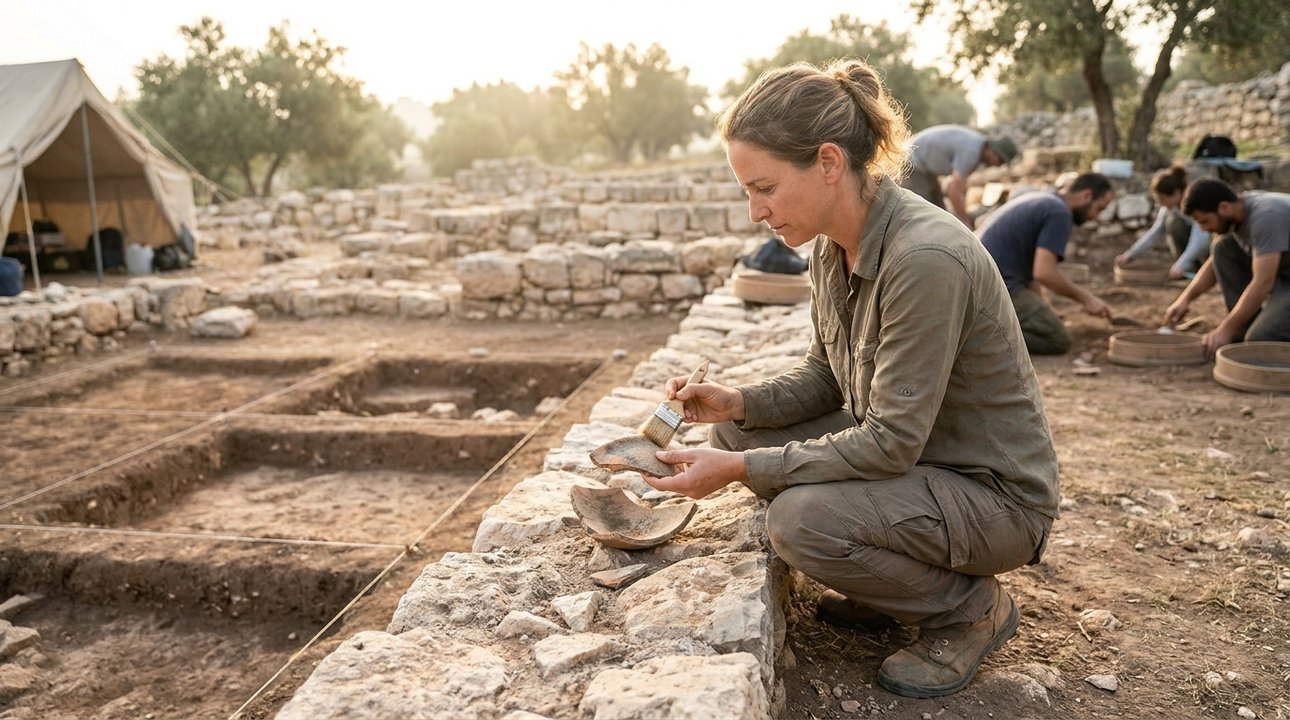
In modern scholarship, Mamre continues to captivate historians and researchers alike. Its narratives provide insights into ancient lifestyles and traditions. Researchers study texts to uncover more about its role. Serving as a sign of the mix of history and culture that shapes this region, ongoing archaeological work at places like Khirbet es-Sibte helps illuminate the daily lives of those who once lived there. These efforts reveal the significance beyond its mentions, offering a window into the past.
The findings at Khirbet es-Sibte include pottery, tools, and remnants of dwellings, offering a glimpse into the past. These artifacts help scholars piece together the daily activities and social structures of the time.
Mamre’s role as a center for both social and communal life is further supported by these discoveries. The continued interest in Mamre by scholars highlights its enduring relevance in understanding the historical and cultural contexts of the narratives.
This site remains a key focus for those exploring ancient society.
Understanding Mamre
