Discovering the Historical City of Ziklag Through Photos


Ziklag’s mention in historical texts carries the weight of an ancient narrative set amidst historical landscapes. It is first noted in ancient records as part of the inheritance of the tribe of Judah, and later assigned to the tribe of Simeon.
Photographic depictions bring its legendary story to life for us today, capturing the essence of a place that served as a refuge for David during his flight from Saul, as described in historical accounts.
The city’s allocation to different tribes reflects the shifting political and territorial dynamics of the past. This historical context provides a deeper understanding of the challenges and opportunities faced by David and his followers.
The visual imagery of Ziklag helps to bridge the gap between ancient texts and modern readers, offering a tangible connection to the stories and events that shaped historical narratives.
from the Western Wall to Masada.
What Is Ziklag?
Ziklag is prominently featured in historical texts as a significant city in the tribe of Judah. It is associated with David, marking an important phase in his journey before he became king. Described as a place of refuge for David, its strategic location provided safety and stability.
The city is debated among scholars in terms of its exact location, nestled somewhere in the southern parts of the region. Historical records mention its allocation to different tribes.
The city’s allocation to both the tribes of Judah and Simeon reflects the complex territorial dynamics of the past. This historical context is essential in understanding the challenges faced by David and his followers as they navigated the political landscape of the time. The references to Ziklag highlight its importance as a refuge and strategic base, showing the broader narrative of David’s journey and leadership.
The site is steeped in history and narrative. Its significance is underscored in various historical passages that describe its strategic role during David’s time. Understanding Ziklag opens a window into the times and travels of David. The landscapes captured in photographs today echo its storied past, offering a glimpse into the ancient world. In historical accounts, the city is central to the story of David’s leadership against the Amalekites.
These narratives highlight the city’s importance not only as a military base but also as a place where David’s leadership was tested and proven. The events at Ziklag are pivotal in understanding David’s development as a leader. Photographs of the area serve as a visual reminder of these stories, allowing us to connect with the ancient past and appreciate the history of Ziklag.
History of Ziklag
Ziklag served as a key city for David when he sought refuge from Saul’s pursuit. Located within the territory apportioned to the tribe of Judah, it became a base for David’s operations and community.
According to historical accounts, Ziklag was attacked by the Amalekites, but David’s leadership shone as he pursued and defeated them. The Amalekites had taken captives and burned the city, yet David’s leadership was evident as he consulted for guidance.
His successful recovery of all that was taken highlights his strategic acumen.
Its mention often invokes scenes of survival and leadership in ancient narratives. Ziklag’s role as a refuge and strategic base allowed David to consolidate his forces and plan his next moves. This period was crucial in shaping David’s leadership qualities, which later defined his reign as king of Israel. The city’s importance is underscored by its repeated mention in historical narratives, emphasizing its role in David’s journey from fugitive to king. Such stories are still remembered and remind us of the enduring themes of leadership and perseverance.
This city allowed David to build alliances and gather support. David’s time in Ziklag is documented in historical accounts, where he sought refuge from Saul’s pursuit. The city became a safe haven for David and his followers, enabling him to establish a stronghold.
Over time, it transformed into a symbol of hope, captured through various texts and images that depict its historical context. Photos today capture remnants that evoke the legacy of this ancient refuge.
Ziklag’s role as a base for building alliances and gathering support was crucial in David’s journey to kingship. The city’s strategic location allowed him to strengthen his position and prepare for his eventual ascent to the throne. The stories and images of Ziklag serve as a sign of the enduring themes of resilience, leadership, and hope, offering inspiration and insight into the challenges faced by David and his followers.
Ziklag in the Bible
Ziklag is referenced in historical texts. It is given to David by a Philistine king, marking a pivotal time in David’s life, offering a safe haven. These references highlight its role during a pivotal time in David’s life, offering a safe haven.
It was here that David learned of Saul’s death. Historical texts often describe it as a fortified city that provided strategic advantage.
The city’s fortification and strategic importance are further emphasized in historical records, where it is mentioned as part of the inheritance of the tribe of Simeon. This dual mention in both historical and genealogical contexts underscores its significance.
Ziklag’s role as a refuge and its strategic location allowed David to strengthen his position and prepare for his eventual ascent to the throne of Israel.
The city’s narrative is interwoven with themes of trust and leadership. David’s reliance on his men and the strategic decisions he made in Ziklag are noted in historical accounts, where he recovered everything that was taken by the Amalekites. David’s consultation for guidance is a sign of his leadership. These stories highlight the importance of trust in overcoming adversity.
Photos capturing the essence of these stories often portray ancient ruins that speak volumes of its historical importance. Such imagery allows us to visualize the backdrop of David’s formative years.
The ruins serve as a tangible connection to the past, providing a glimpse into the world in which David lived and led.
These visual representations help bridge the gap between ancient texts and modern understanding, offering a deeper appreciation for the unique history of Ziklag.
from the Western Wall to Masada.
Archaeological Insights
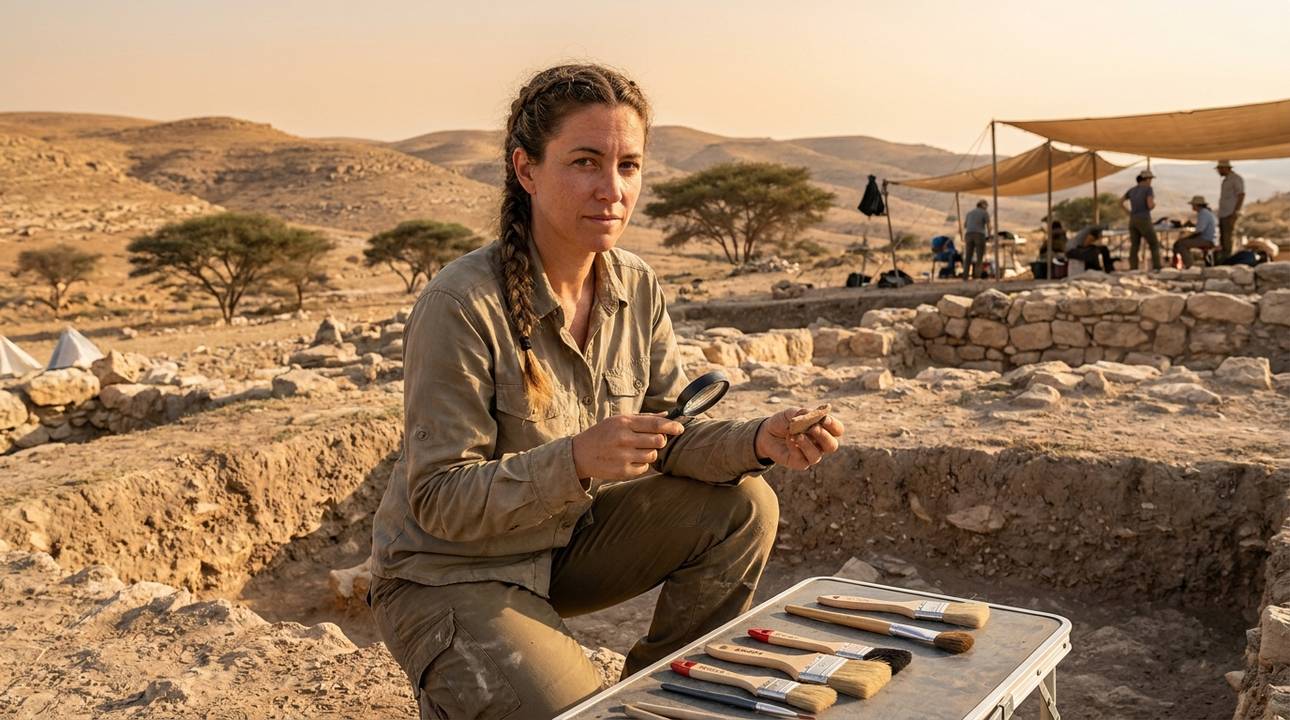
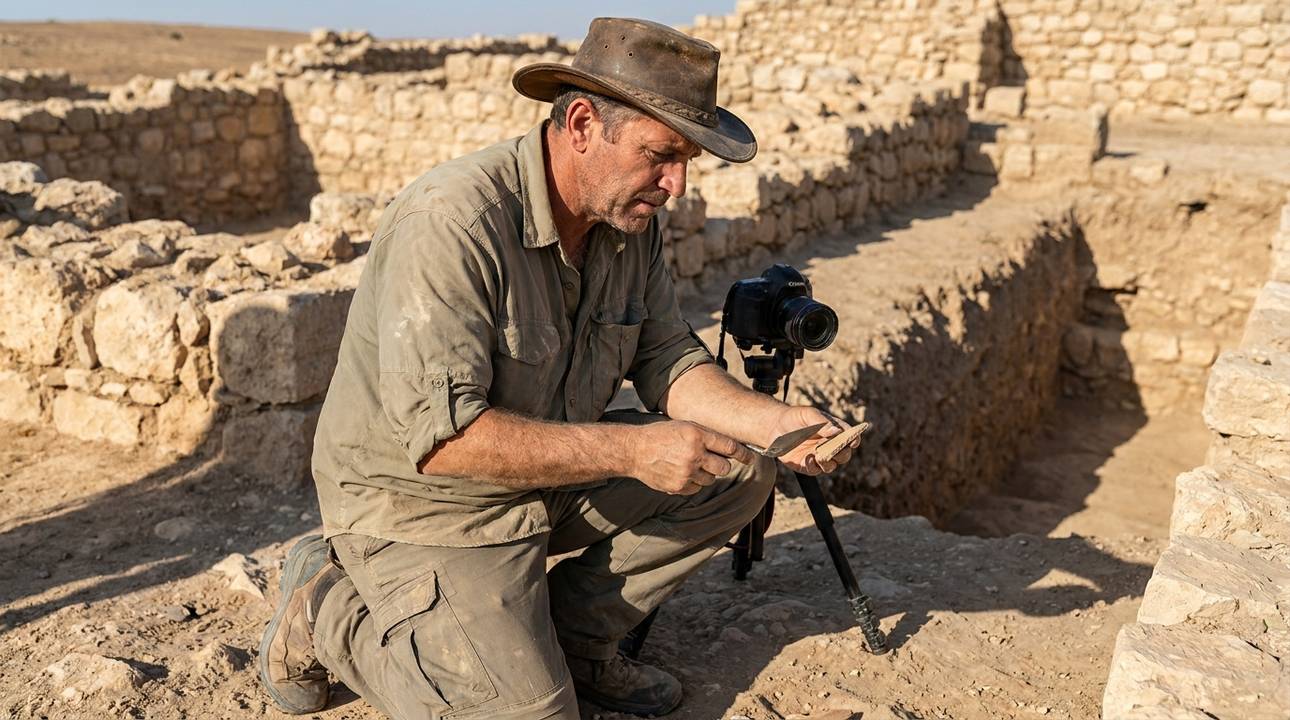
Archaeological findings provide tangible links to the stories and events associated with Ziklag. Excavations have revealed elements such as ancient fortifications and domestic structures that align with historical descriptions.
Explorations have uncovered elements that align with historical descriptions. Intriguingly, these explorations continue to shape our understanding of the ancient landscape, offering new perspectives on the daily lives of its inhabitants.
The discoveries made at potential Ziklag sites offer insights into the material culture and daily life of the people who lived there. These findings help to contextualize the narratives and provide a deeper understanding of the historical and cultural role of the city. As archaeologists continue their work, new discoveries may further illuminate the role of Ziklag in historical narratives and its importance in the ancient world.
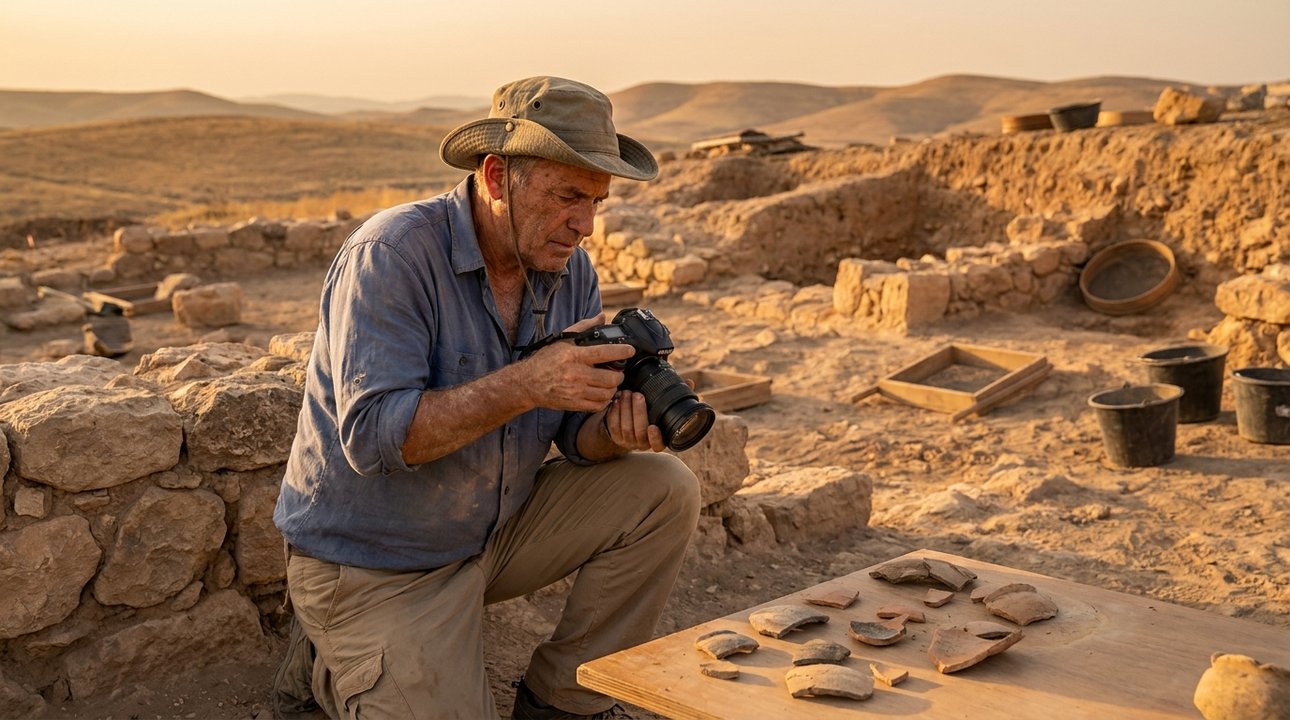
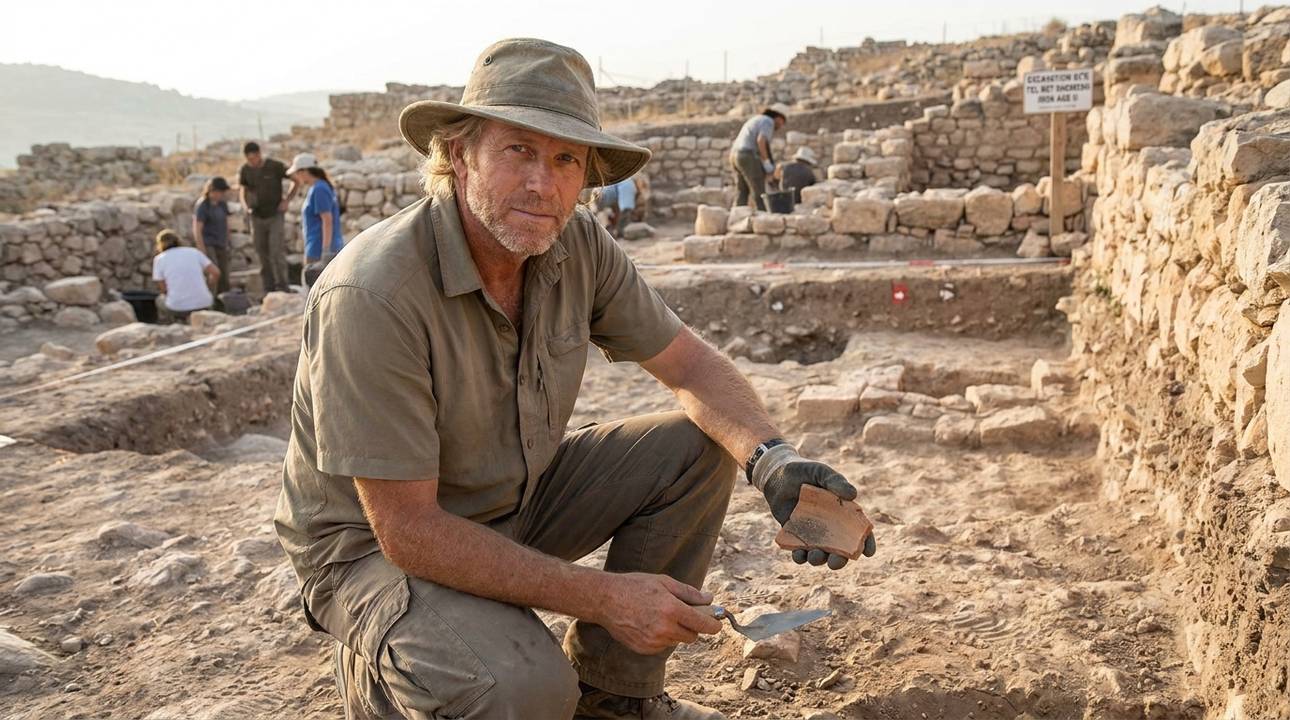
Artifacts and structures unearthed offer a deeper comprehension of its role. Excavations have revealed pottery shards and building foundations that date back to the Iron Age, aligning with the era of David.
Many discoveries align with historical accounts, such as settlement patterns and defensive features, which suggest a well-fortified city capable of withstanding attacks. Photos of archaeological sites today evoke the storied past of the city, allowing us to visualize its ancient significance.
Ziklag Today
In the present day, Ziklag’s exact geographical location is a matter of scholarly debate. While various sites have been proposed, such as Tel Sera and Tel Halif, none are universally accepted. Current explorations aim to affirm its historical ties and placement within Israel.
Archaeologists continue to search for definitive evidence that would pinpoint Ziklag’s location with certainty, using both historical texts and modern technology. The ongoing debate reflects the complexities involved in connecting ancient narratives with physical sites.
Some scholars suggest that the identification of Ziklag could provide insights into the broader geopolitical landscape of the time, particularly the interactions between the Israelites and the Philistines.
The search for Ziklag is not just about finding a city; it’s about understanding the historical context in which David’s story unfolded.
As technology advances, new methods such as ground-penetrating radar and satellite imagery are being employed to uncover clues that might lead to a definitive identification of Ziklag’s location.
Contemporary archaeology and photography continue to contribute insights. Recent digs have uncovered artifacts that suggest a Philistine presence, consistent with historical narratives of David’s time in Ziklag.
They capture ongoing efforts to rediscover the physical traces linked to historical accounts. This modern engagement with Ziklag reflects a continuity of interest in its historic importance, as scholars and enthusiasts alike strive to connect the past with the present.
The ongoing archaeological work at potential Ziklag sites helps to bridge the gap between ancient texts and modern understanding. These efforts are crucial in piecing together the historical context of David’s time and the interactions between different cultures in the region.
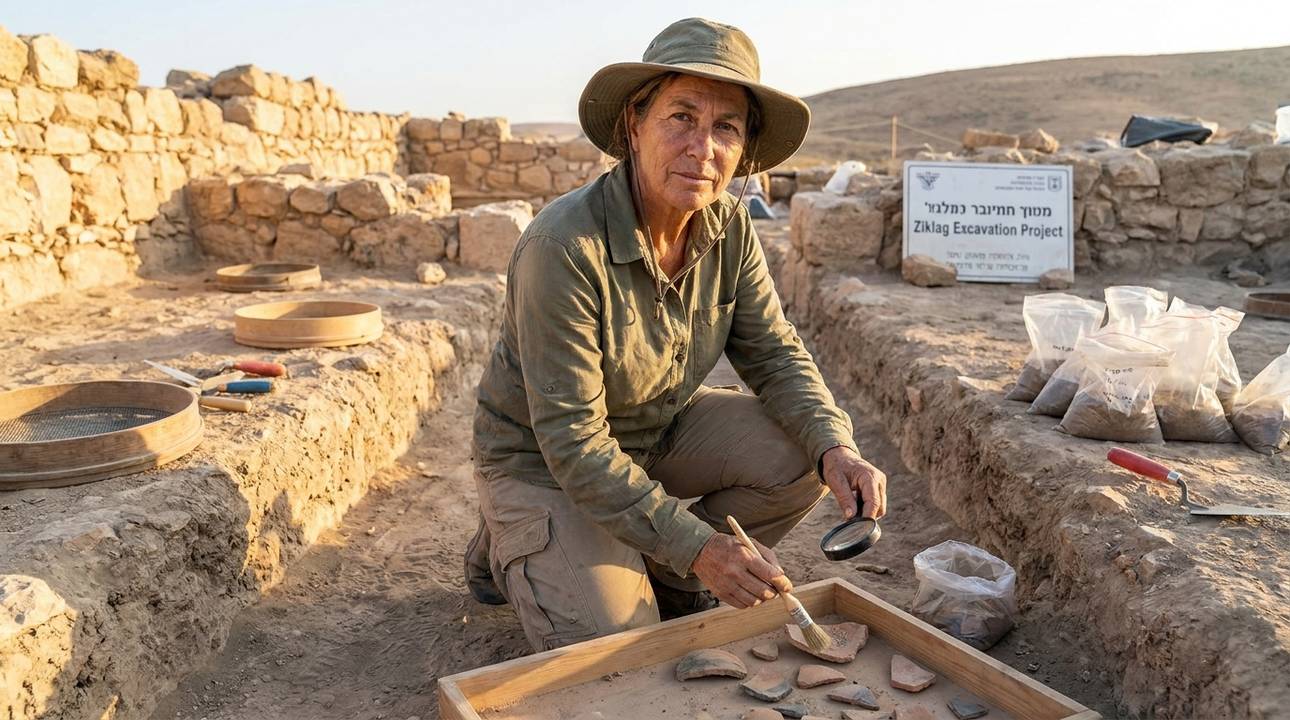
Photography plays a key role in documenting these discoveries, offering a visual record of the progress made in uncovering the mysteries of Ziklag.
Cultural Reflections Through Photography
Photos of Ziklag offer cultural reflections by capturing its essence through time. Each image not only presents a visual journey but also connects viewers to its historical roots, such as the story of David’s time there.
The cultural resonance of Ziklag extends through these captured moments, reminding us of its role in the narrative of Israel’s history. Images of the landscape and ruins allow us to imagine the life and struggles of those who once inhabited this ancient city.
These photographs serve as a link between past and present, offering a window into the world of the past. They help to contextualize the stories and provide a visual representation of the historical and cultural role of Ziklag. Through these images, we can appreciate the legacy of the city and its role in shaping the narrative of David’s journey and leadership.
The visual art of photography enhances our understanding and emotional engagement. By capturing the landscapes and ruins of Ziklag, photography bridges the gap between ancient texts and modern viewers, allowing us to experience history visually. Such depictions encourage further study and appreciation of historical narratives. These images provide a tangible connection to the past, making the stories of David and Ziklag more accessible.
Understanding Ziklag