
The Story of Hebrew Slaves in Egypt and Its Enduring Legacy


The story of the Hebrew slaves in Egypt is one of the most powerful and enduring narratives in Jewish history. It’s a tale of hardship, resilience, and ultimate liberation that continues to shape Jewish identity and values today. For many, it’s more than just a biblical account—it’s a deeply emotional connection to the past, a reminder of the strength of a people, and a source of inspiration for generations.
The Journey to Egypt: From Joseph to a New Pharaoh
The roots of the Hebrew presence in Egypt begin with the story of Joseph, one of the twelve sons of Jacob. Sold into slavery by his brothers, Joseph eventually rose to become a powerful figure in Egypt due to his ability to interpret dreams. His wisdom helped Egypt prepare for a devastating famine, and in gratitude, Pharaoh appointed him as a high-ranking official.
When famine struck the land of Canaan, Joseph’s family traveled to Egypt seeking food. Thanks to Joseph’s position, they were welcomed and allowed to settle in the fertile region of Goshen. This marked the beginning of the Israelites’ long sojourn in Egypt—a time that started with prosperity and peace.
However, as generations passed and Joseph’s memory faded, a new Pharaoh came to power who did not know Joseph. This ruler viewed the growing Israelite population as a threat. Fearing their numbers and potential alliance with Egypt’s enemies, he decided to enslave them, turning a once peaceful coexistence into a period of suffering.

Life Under Slavery: Daily Struggles and Endurance
The Israelites were subjected to harsh labor, forced to build cities such as Pithom and Raamses. Their lives were marked by physical exhaustion, emotional despair, and a longing for freedom. Yet, even in the midst of suffering, they maintained their identity, traditions, and hope.
The Torah describes how the Israelites cried out in their pain, and their cries were heard. This moment of collective yearning for liberation became a turning point in the narrative. It was not just a cry for help—it was a reaffirmation of their identity and a refusal to be broken.
Despite the oppression, the Israelites continued to grow in number. Their resilience and unity became a quiet form of resistance. They passed down stories, kept their customs alive, and nurtured a sense of community that would sustain them through the darkest times.
Moses: A Leader Emerges
Born during a time when Pharaoh had ordered the death of all newborn Hebrew boys, Moses was hidden by his mother and eventually adopted by Pharaoh’s daughter. Raised in the palace but aware of his heritage, Moses grew up with a unique perspective on both Egyptian and Hebrew life.
After witnessing the suffering of his people, Moses fled Egypt and lived in Midian. There, he began a new life, until a moment of calling led him back to Egypt with a mission: to lead the Israelites out of bondage. His journey was not just physical—it was deeply spiritual and transformative.
Moses’ return to Egypt marked the beginning of a dramatic confrontation with Pharaoh. Through a series of signs and wonders, he demanded the release of the Israelites. Each refusal by Pharaoh led to increasing hardship for Egypt, culminating in events that would forever change the course of history.

The Exodus: A Nation is Born
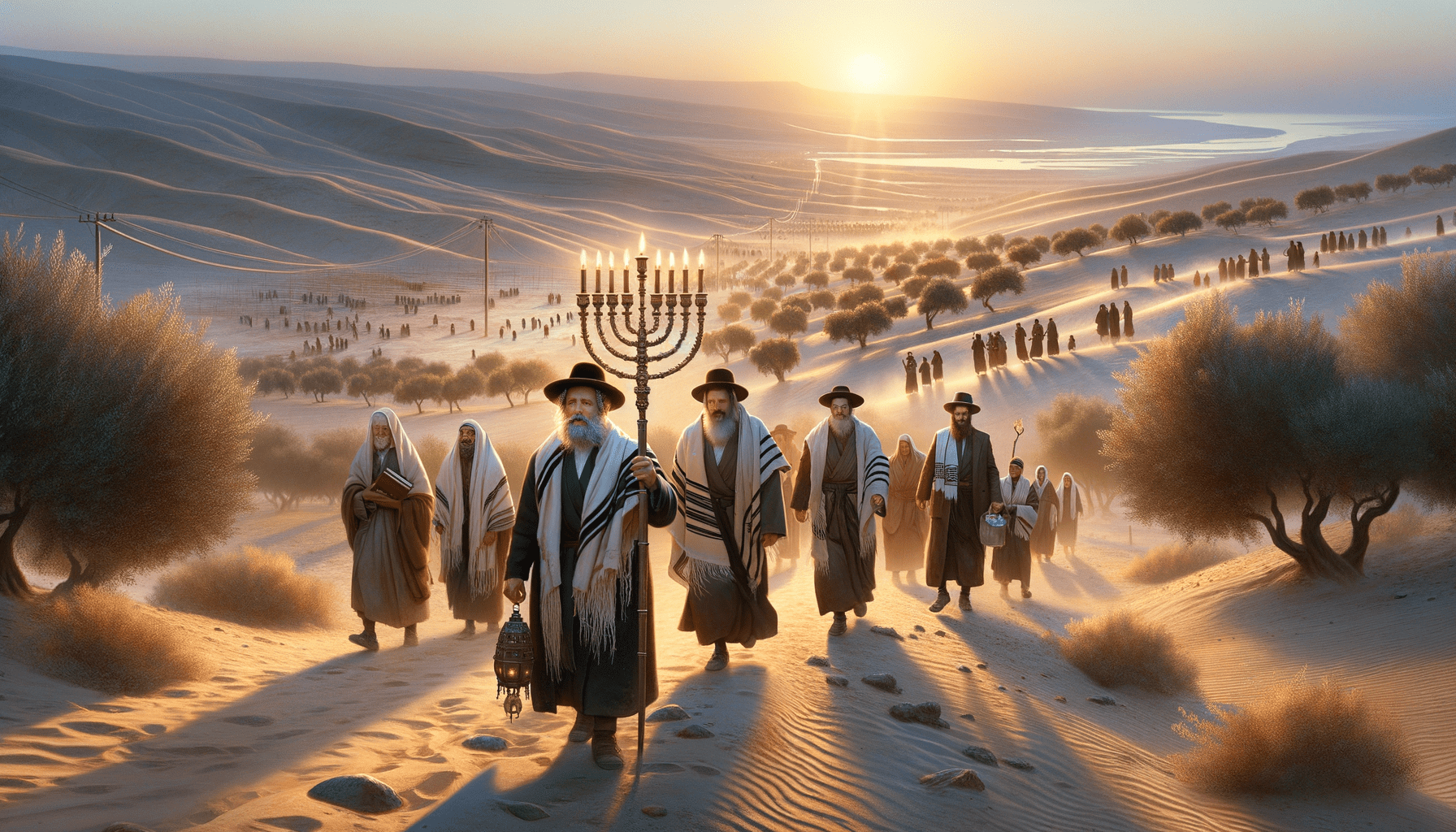
The final act of liberation came with the Exodus—a mass departure of the Israelites from Egypt. This moment is commemorated every year during Passover (Pesach), a holiday that celebrates freedom, faith, and the enduring spirit of the Jewish people.
The journey from Egypt was not easy. The Israelites faced uncertainty, fear, and the challenges of the desert. Yet, their determination to reach a land of promise and their commitment to their identity carried them forward.
The Exodus is more than a historical event—it’s a foundational story that teaches values of justice, compassion, and resilience. It reminds us that even in the darkest times, hope can lead to freedom.
Legacy and Memory: The Story Lives On
For Jewish communities around the world, the story of slavery in Egypt is not just history—it’s a living memory. It is retold each year during the Passover Seder, where families gather to recount the journey from bondage to freedom.
This tradition reinforces a sense of identity and continuity. It connects each generation to the struggles and triumphs of their ancestors, fostering empathy and a commitment to justice.
The Passover Haggadah, the text used during the Seder, encourages participants to see themselves as if they personally left Egypt. This powerful idea makes the story timeless and deeply personal.
Understanding the Story of Jewish Slavery in Egypt
