
From Ancient Robes to Runway Styles: Clothing in Israel Then and Now


Clothing in Israel tells a story far beyond fabric and thread. It’s a tapestry woven with history, faith, climate, and creativity. From the flowing robes of ancient times to the bold designs of today’s fashion runways, Israeli clothing reflects a nation where tradition and innovation live side by side. In this article, we’ll journey through the layers of Israel’s cultural wardrobe, discovering how what people wear reveals who they are—and how you, too, can feel closer to Israel through its styles.
Biblical Roots of Clothing in the Land of Israel
The story of clothing in Israel begins in the Bible. Ancient Israelites wore garments that were practical for the desert climate—long tunics, head coverings, and sandals. These clothes weren’t just functional; they carried deep symbolic meaning. The tallit (prayer shawl), for example, with its fringes (tzitzit), was a reminder to follow the commandments. Linen was common, while wool was used with care due to religious laws.
Clothing also marked identity and status. Priests wore special garments described in detail in the Torah, including the ephod and breastplate. These items weren’t just beautiful—they represented spiritual roles and responsibilities. Even colors had meaning: blue and purple dyes were rare and signified holiness or royalty.
As we reflect on these ancient garments, we see how clothing was more than protection from the sun. It was a way to express faith, community, and purpose. These traditions still echo in modern Jewish clothing, especially during holidays and religious ceremonies.
Jewish Diaspora Influences on Israeli Clothing
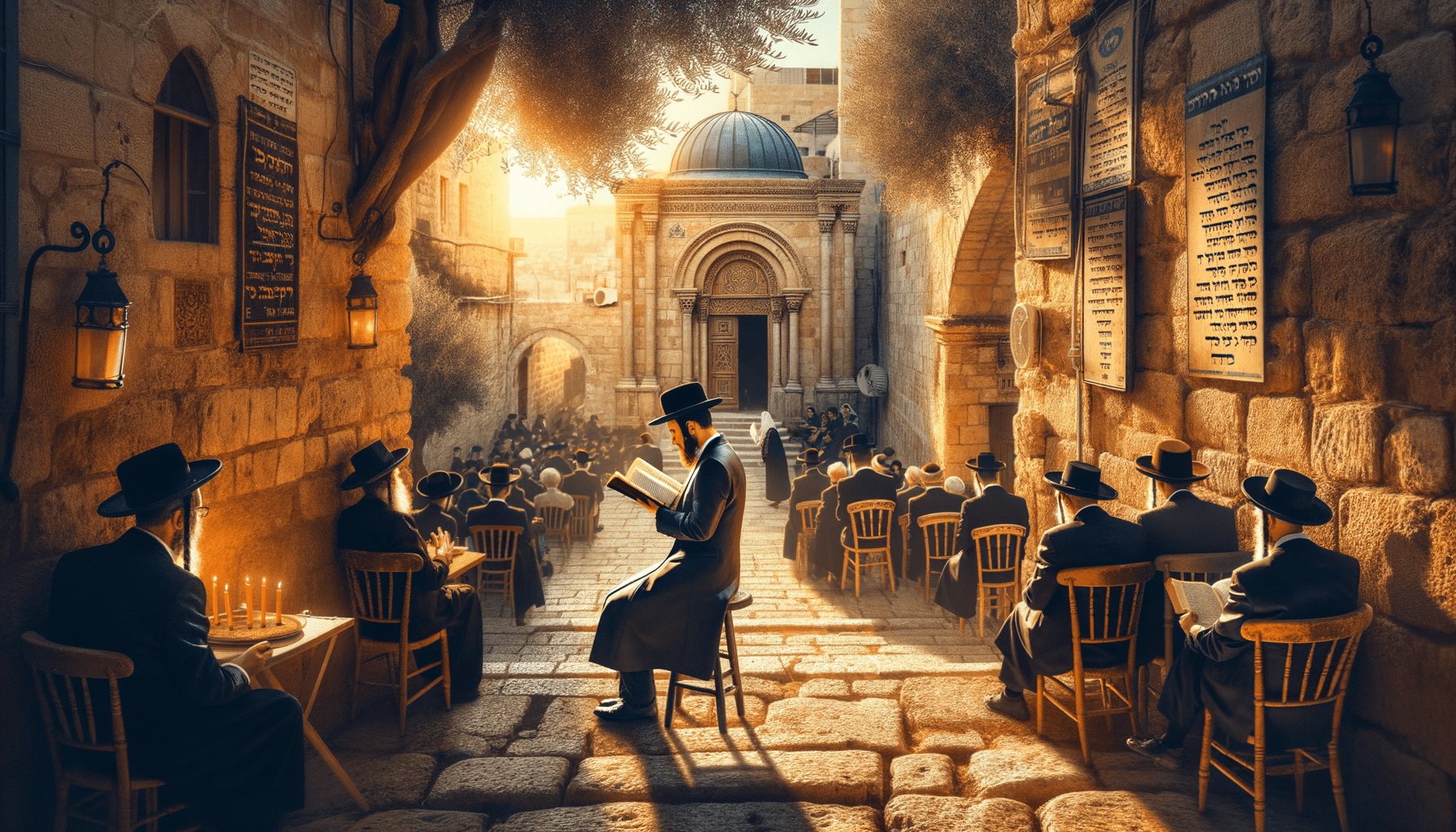
When Jewish people returned to the Land of Israel from all corners of the world, they brought with them a rich variety of clothing traditions. Sephardic Jews from North Africa and the Middle East wore flowing robes and colorful fabrics. Ashkenazi Jews from Europe brought layered garments, headscarves, and fur hats like the shtreimel.
In the early days of the modern state, these styles mingled in the streets of cities like Jerusalem and Safed. Immigrants adapted their traditional clothing to the Israeli climate, often blending old customs with new materials. This cultural fusion created a unique Israeli aesthetic—one that honors heritage while embracing practicality.
Even today, you can see these influences in religious neighborhoods, where different communities maintain their traditional dress. It’s like walking through a living museum of Jewish history, each outfit telling a story of origin, journey, and faith.
The Kibbutz Era and the Rise of Practical Fashion
In the early 20th century, as pioneers built kibbutzim (collective farms), clothing took on a new role. Functionality became key. Men and women wore simple, durable clothes—shorts, button-down shirts, and work boots. These garments reflected the values of hard work, equality, and connection to the land.
This era shaped the Israeli image abroad: sun-tanned, strong, and dressed for labor. The kibbutznik look became iconic, symbolizing the rebirth of the Jewish people in their ancestral homeland. It was a style born not of fashion but of purpose.
Even today, echoes of this practical style remain. Israeli casual wear often favors comfort and simplicity, a nod to those early days of nation-building. It’s a reminder that clothing can reflect values as much as aesthetics.

Religious Clothing and Modesty in Israeli Society
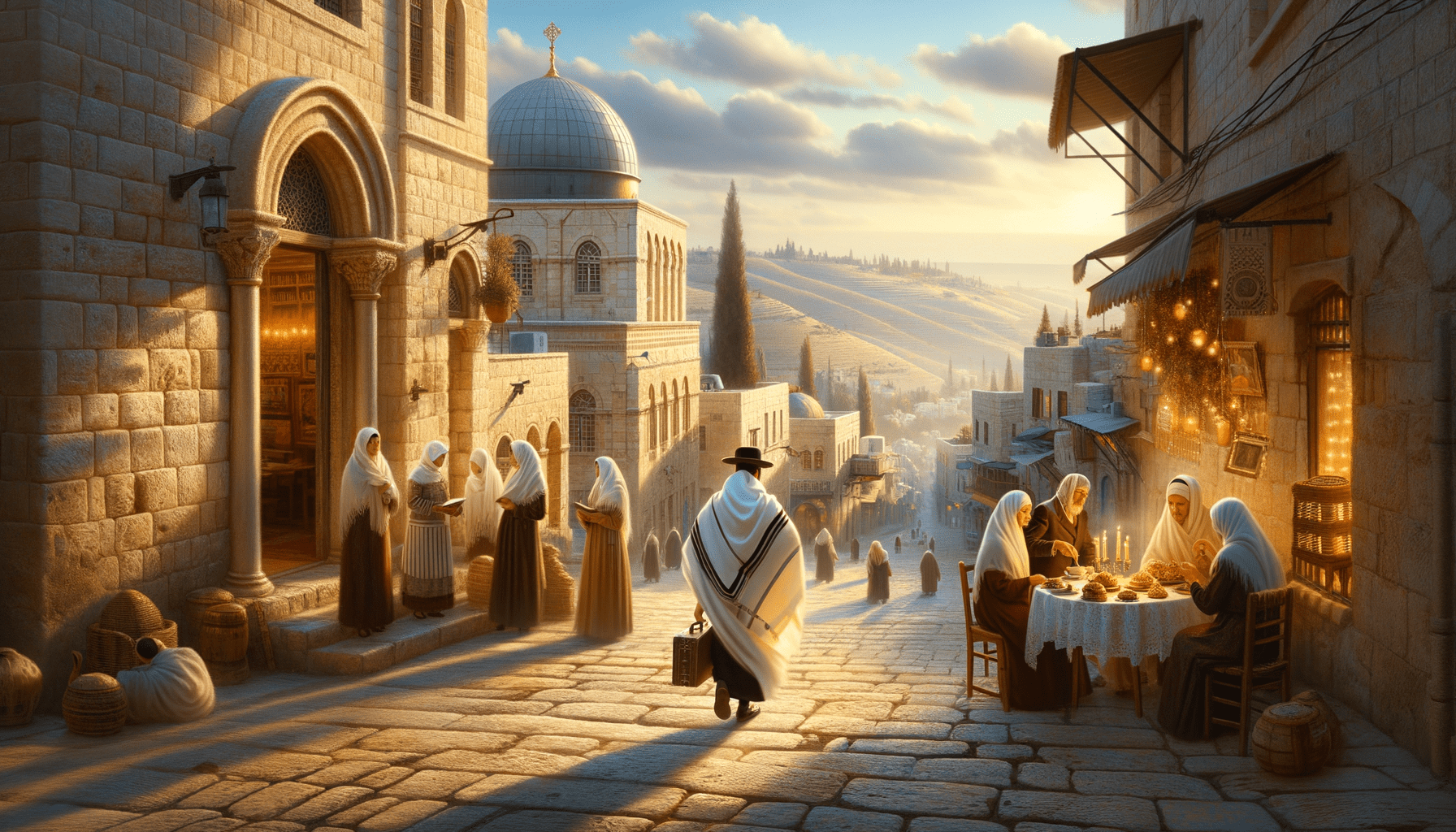
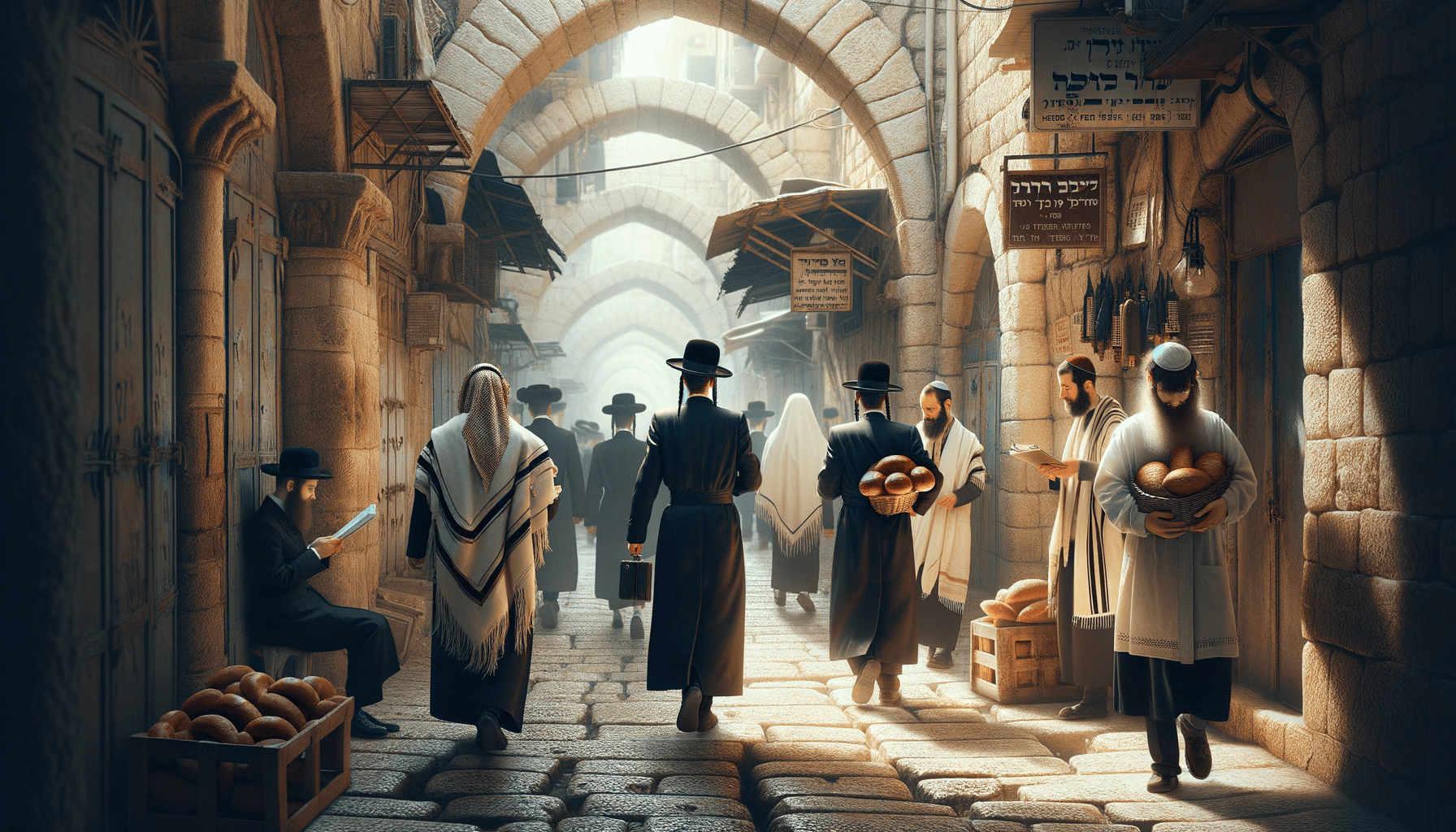
In Israel, religious clothing is a visible part of daily life. Orthodox Jewish men often wear black suits, white shirts, and black hats. Some wear long coats (bekishe) or fur hats (shtreimel) on Shabbat. Women in religious communities dress modestly, with long skirts, sleeves, and head coverings like scarves or wigs (sheitels).
These clothing choices are deeply rooted in Jewish law and tradition. They express reverence, identity, and community belonging. For many, dressing modestly is not about restriction but about dignity and spiritual focus.
In cities like Bnei Brak or parts of Jerusalem, these styles are part of the cultural landscape. They remind us that in Israel, clothing often carries spiritual meaning, connecting the wearer to generations past.

Modern Israeli Fashion: Creativity and Global Influence
Beyond tradition, Israel is home to a vibrant fashion scene. Designers like Alon Livné, Maskit, and Shenkar graduates have made waves internationally. Israeli fashion blends Mediterranean ease with bold innovation. Think flowing fabrics, desert tones, and unexpected textures.
Tel Aviv, in particular, is a hub for fashion-forward Israelis. Boutiques line the streets of Neve Tzedek and Dizengoff, showcasing local talent. Israeli designers often draw inspiration from the land itself—its light, colors, and contrasts.
This modern style is confident and expressive. It reflects a culture that values individuality, creativity, and resilience. Whether on the runway or in everyday life, Israeli fashion tells a story of a people rooted in history but always looking ahead.

Clothing and Climate: Dressing for the Israeli Weather
Israel’s climate plays a big role in what people wear. Summers are hot and dry, especially in the south. Lightweight fabrics, short sleeves, and sandals are common. In winter, especially in the north and Jerusalem, layers and jackets come out.
This practical approach to clothing is part of Israeli culture. People dress for comfort and function, often blending casual and chic. It’s not unusual to see someone in jeans and sneakers at a fancy restaurant—it’s all about ease and authenticity.
The climate also inspires fashion design. Breathable materials, loose cuts, and sun-friendly styles are staples. Israeli clothing often mirrors the land itself—sun-washed, natural, and full of life.
Military Influence on Israeli Streetwear
Military service is a shared experience for many Israelis, and it influences fashion too. Olive green, cargo pants, and boots have made their way from the army base to the city street. This utilitarian style is both practical and symbolic.
For many, wearing military-inspired clothing is a way to honor service and resilience. It reflects a culture where defense and identity are closely linked. Even fashion designers sometimes incorporate military elements into their collections.
This style isn’t about aggression—it’s about strength, unity, and shared experience. In Israel, even a pair of cargo pants can carry deep meaning.
Clothing as Cultural Expression in Israeli Festivals
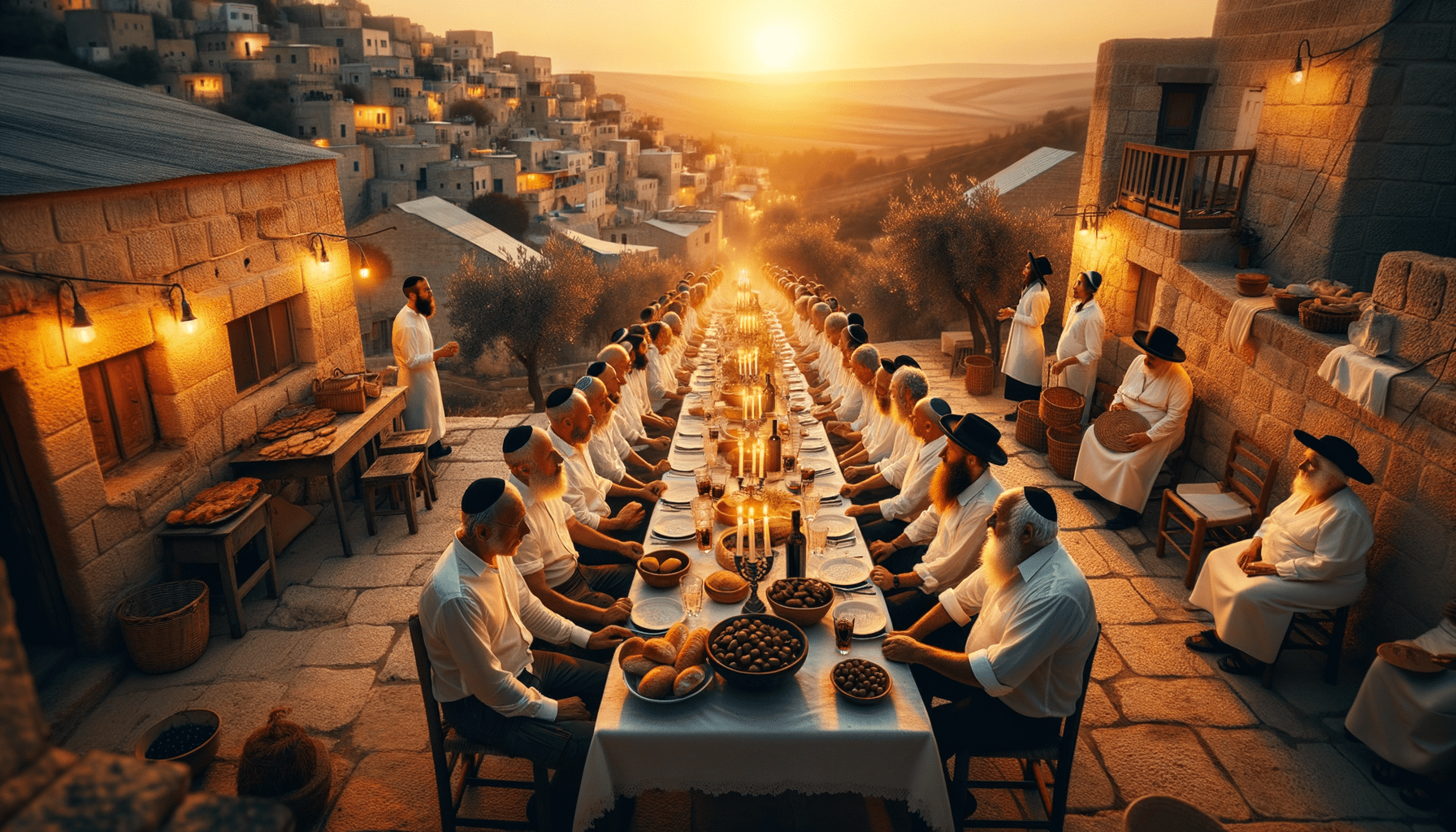
During Jewish holidays, clothing takes on festive meaning. On Purim, costumes fill the streets as people celebrate joy and hidden miracles. On Passover, families dress in their best for the Seder meal, often wearing white to symbolize freedom.
Yom Kippur, the Day of Atonement, sees many wearing white as a sign of purity. On Shabbat, it’s common to wear nicer clothes—men in button-down shirts, women in dresses or skirts. These traditions bring beauty and intention to sacred time.
Even secular Israelis often follow these customs, showing how clothing connects people to shared heritage. It’s a way of honoring the moment, the memory, and the meaning behind each celebration.

The Role of Modesty and Personal Choice
In Israel, modesty (tzniut) is interpreted in many ways. For some, it means covering elbows and knees. For others, it’s about dressing with dignity and self-respect. The diversity of views leads to a rich tapestry of styles.
Some women choose to cover their hair after marriage, while others do not. Some men wear kippahs daily, others only during prayer. These choices reflect personal beliefs, community norms, and cultural identity.
This diversity is part of what makes Israeli clothing culture so unique. It’s not one-size-fits-all. It’s a mosaic of expression, where each thread tells a different story.
How Clothing Connects You to Israel
Even if you’ve never been to Israel, wearing something made there can create a powerful connection. A scarf woven in the Galilee (a region in northern Israel), a handcrafted bracelet from Jerusalem, or a blouse designed by an Israeli artist—all carry the spirit of the land.
These items are more than fashion. They’re touchpoints to a place you love, a people you support, and a story you’re part of. When you wear them, you carry Israel with you—in your heart and on your sleeve.
At Lev Haolam, we’re honored to share these meaningful pieces with you. Each item in our gift boxes is chosen with care, connecting you to the beauty, resilience, and creativity of Israeli families and artisans.
Understanding Israeli Clothing Traditions and Trends
