Exploring the Rich Tapestry of Israeli Culture and Traditions


Israel is more than a place on the map—it’s a living, breathing mosaic of traditions, stories, and people. For those who’ve never walked its streets or shared a meal in a Jerusalem home, the culture of Israel can feel like a mystery waiting to be uncovered. This article is an invitation to step into that world. We’ll explore the rhythms of daily life, the beauty of traditional dress, and the deep-rooted customs that shape Israeli society. Whether you’re curious about what people wear, how they celebrate, or what values guide them, this journey through Israeli culture is for you.
The Many Layers of Israeli Identity
Israeli culture is not a single thread—it’s a tapestry woven from many. Jews from Europe, North Africa, the Middle East, Ethiopia, and the Americas have all brought their customs, foods, and ways of life to Israel. Add to this the traditions of Druze, Bedouin, and other communities, and you begin to see the incredible diversity that defines Israeli identity.
This diversity is not just demographic—it’s deeply cultural. In one city block, you might hear Hebrew, Russian, Amharic, and Arabic. You might see a woman in a long skirt and headscarf walking beside another in jeans and a t-shirt. It’s this coexistence of tradition and modernity that makes Israeli culture so vibrant.
For many Israelis, cultural identity is shaped by both heritage and shared experience. Military service, national holidays, and even the weekly rhythm of Shabbat create a sense of unity that transcends background.
The Role of Shabbat in Israeli Life
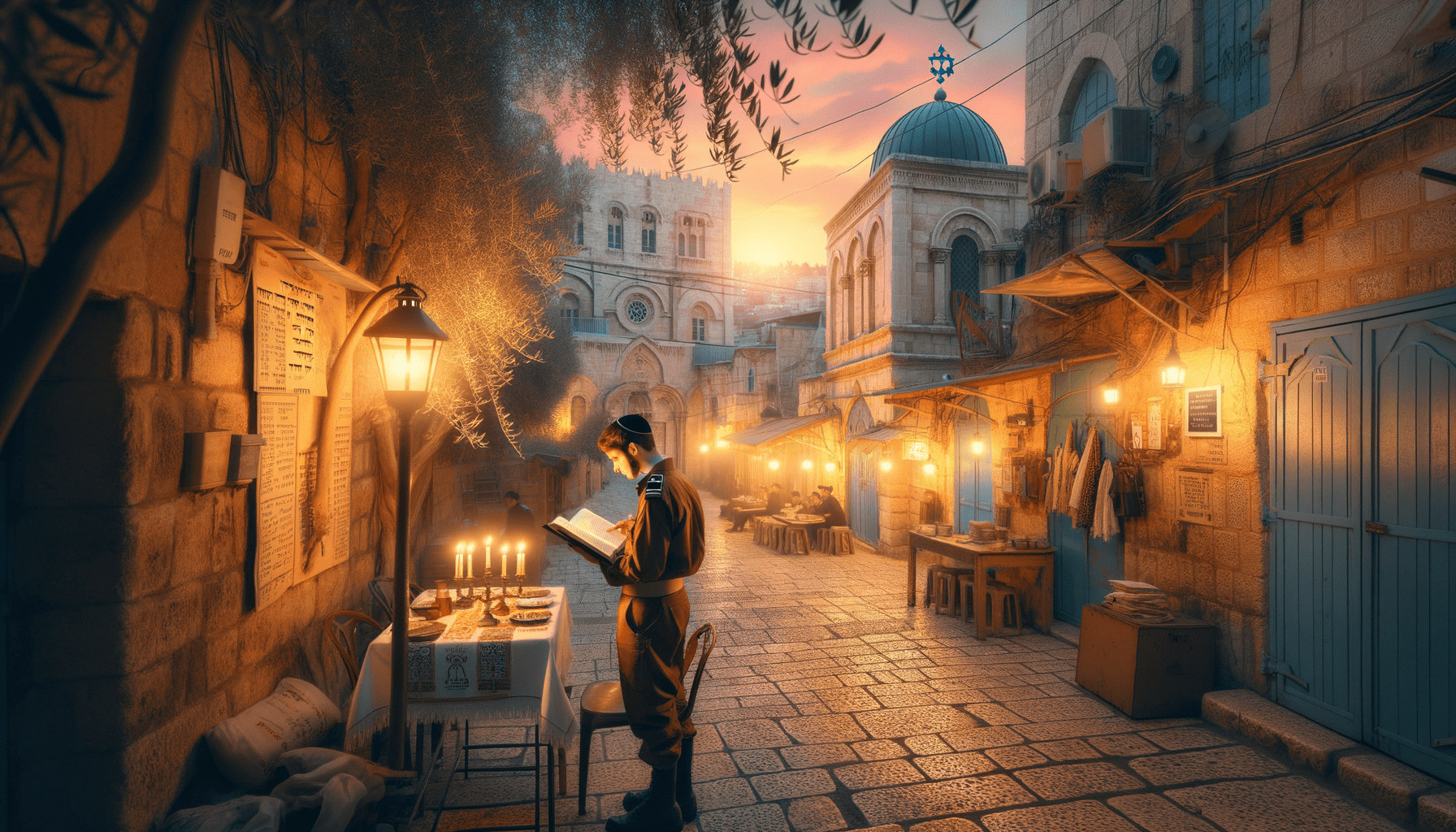
Shabbat, the day of rest from Friday evening to Saturday evening, is central to the culture of Israel. Even in secular areas, the pace of life slows. Buses stop running, shops close, and families gather for meals.
The traditional Shabbat dinner is a cornerstone of Israeli culture. Candles are lit, blessings are said, and tables are filled with challah, wine, and warm dishes. It’s a time for connection, reflection, and rest.
For many, Shabbat is less about religious observance and more about cultural rhythm. It’s a weekly pause that brings people together, regardless of belief.

Traditional Dress Across Communities
When asking about Israel dress culture, it’s important to understand that there is no single style. Dress varies widely depending on community, religious observance, and even geography.
In ultra-Orthodox Jewish communities, men often wear black suits, white shirts, and wide-brimmed hats, while women dress modestly in long skirts and covered hair. These styles reflect centuries-old traditions.
In contrast, secular Israelis tend to dress casually—jeans, t-shirts, and sandals are common, especially in the warm Mediterranean climate. Military uniforms are also a familiar sight, as service is mandatory.

Dress as a Reflection of Heritage
Many Israelis express their cultural roots through clothing. Ethiopian Jews may wear traditional white garments for holidays, while Yemenite Jews might don embroidered robes for weddings and festivals.
These garments are not just beautiful—they carry stories. They speak of journeys, of resilience, and of the desire to preserve identity in a new land.
In recent years, there’s been a revival of interest in traditional dress. Young designers are blending ancient motifs with modern fashion, creating pieces that celebrate heritage while embracing the present.
Celebrations that Unite the Nation
Israeli culture is rich with celebrations that bring people together. From the joyful chaos of Purim to the solemn remembrance of Yom HaZikaron (Memorial Day), each holiday reflects a facet of the national story.
Independence Day (Yom HaAtzmaut) is marked with fireworks, barbecues, and music. It’s a day of pride and gratitude, often following a night of quiet reflection for those lost in war.
Jewish holidays like Passover, Sukkot, and Hanukkah are celebrated in homes and public spaces alike, blending religious tradition with national identity.
Understanding Israeli Culture