
The Builders of the Second Temple in Jerusalem


The story of the Second Temple in Jerusalem is one of resilience, faith, and the enduring spirit of a people returning home. After decades in exile, the Jewish people were given a chance to rebuild not just a structure, but a sacred center of their identity. This article explores who built the Second Temple, the challenges they faced, and the legacy they left behind.
The First Temple and Its Destruction
Before we can understand the Second Temple, we must first look at the First Temple. Built by King Solomon in the 10th century BCE, the First Temple stood as the spiritual heart of ancient Israel. It was a majestic structure, filled with symbolic meaning and sacred rituals. For centuries, it was the central place of worship for the Jewish people.
But in 586 BCE, tragedy struck. The Babylonian Empire, under King Nebuchadnezzar, conquered Jerusalem. The First Temple was destroyed, and many Jews were taken into exile in Babylon. This marked the beginning of a long and painful period of displacement and longing for return.
During the exile, the memory of the Temple remained alive in the hearts of the Jewish people. It became a symbol of hope and a reminder of their covenant and heritage. The dream of rebuilding the Temple never faded.
The Persian Decree and Return from Exile
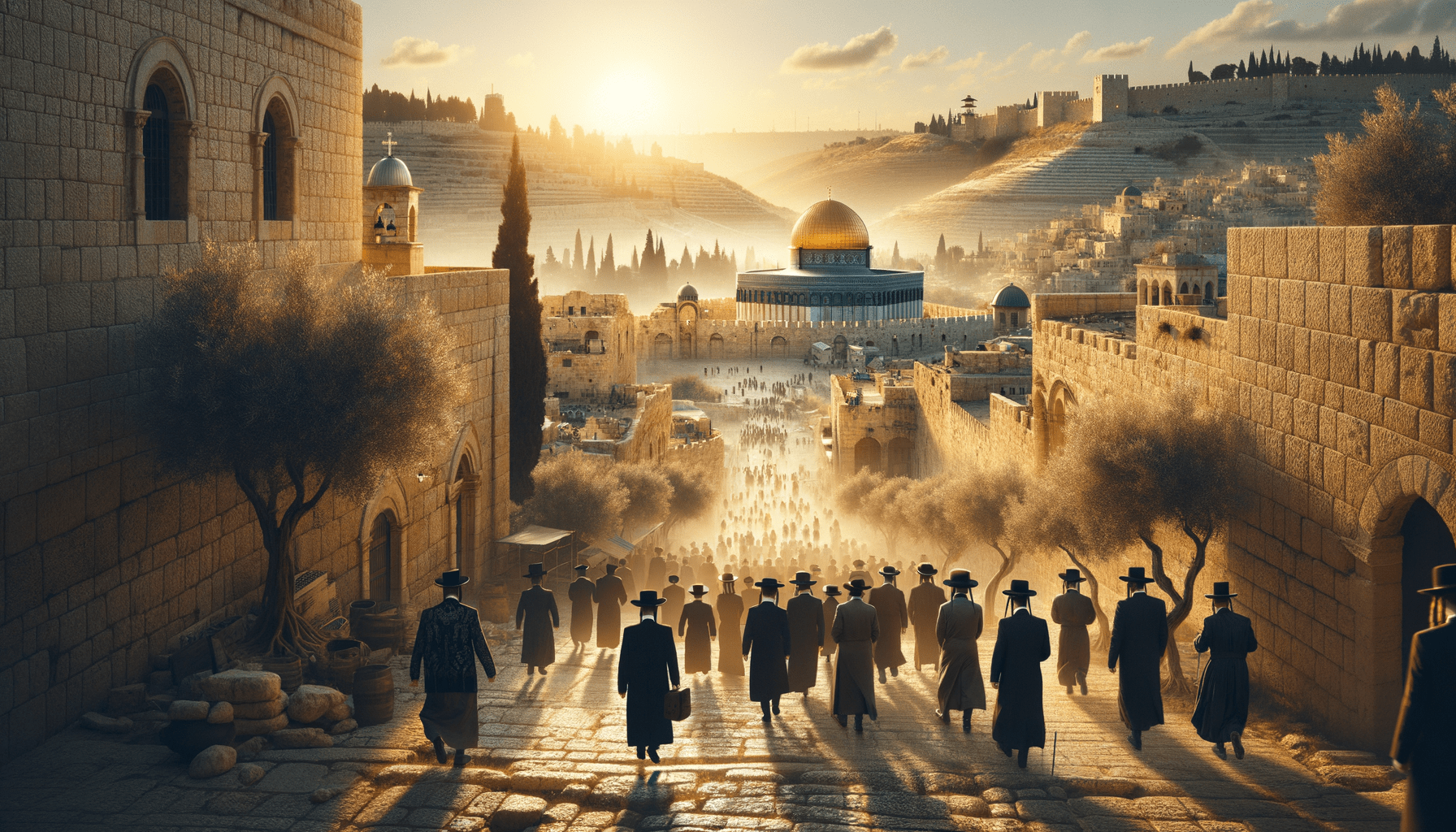
In 538 BCE, a remarkable turn of events occurred. Cyrus the Great, the Persian king who had conquered Babylon, issued a decree allowing the Jewish exiles to return to Jerusalem. He even encouraged them to rebuild the Temple and returned some of the sacred vessels taken by the Babylonians.
This decree was a moment of profound significance. It marked the beginning of a new chapter in Jewish history. Thousands of Jews made the long journey back to Jerusalem, filled with hope and determination.
Leading this return was Zerubbabel, a descendant of King David, and Joshua the High Priest. Together, they organized the community, laid the foundations of the new Temple, and began the work of rebuilding.
Challenges and Opposition
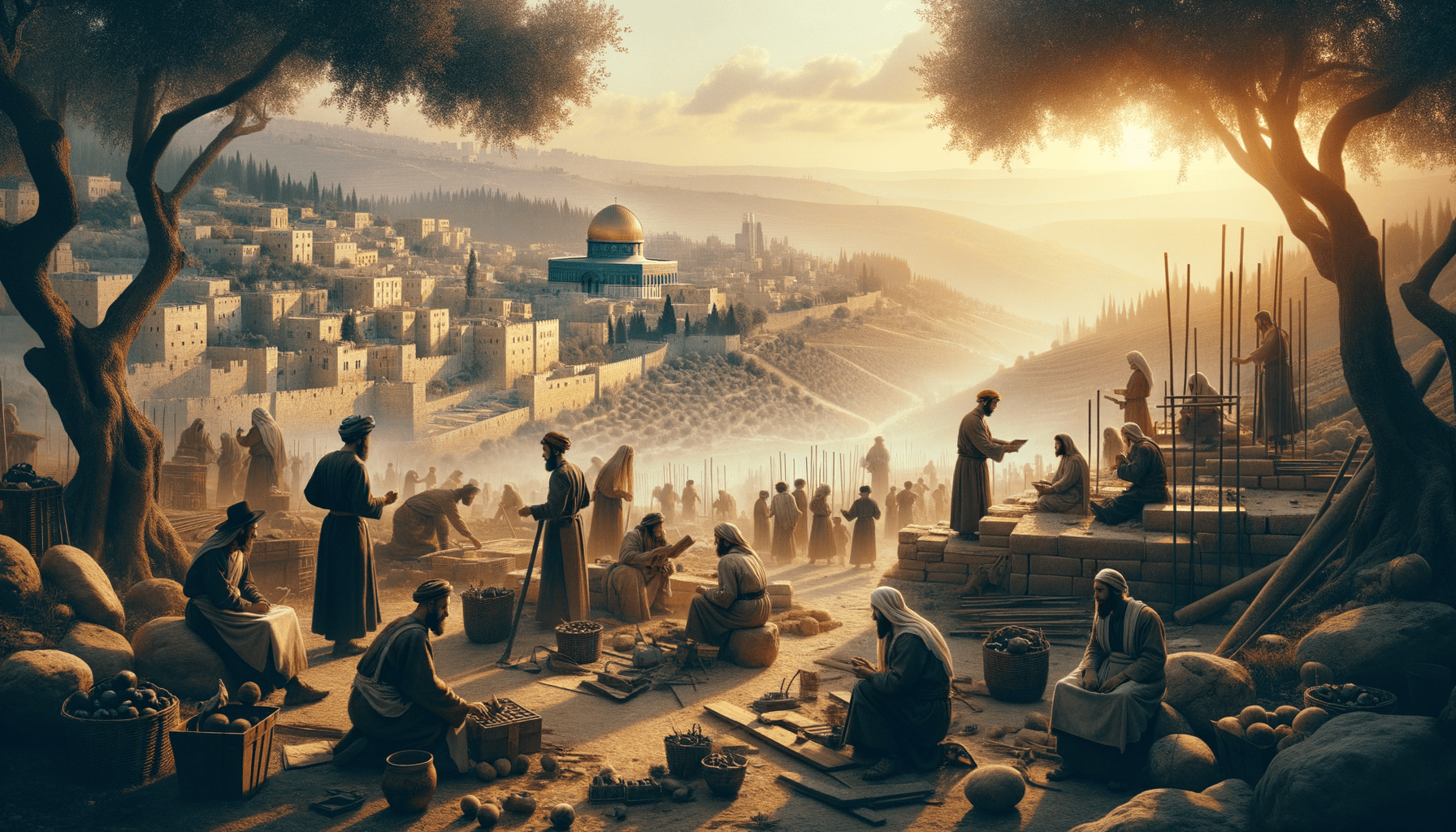
Rebuilding the Temple was not easy. The returning exiles faced many challenges. The land was desolate, resources were scarce, and not all inhabitants welcomed their return. There were political tensions, local opposition, and even internal disagreements.
Despite these obstacles, the builders pressed on. They drew strength from their faith and from the vision of restoring a sacred center for their people. Prophets like Haggai and Zechariah encouraged them, reminding them of the importance of their mission.
Construction slowed at times, but the dream never died. With renewed support from the Persian King Darius I, the work resumed in earnest. Finally, in 516 BCE, the Second Temple was completed.
The Second Temple’s Role in Jewish Life
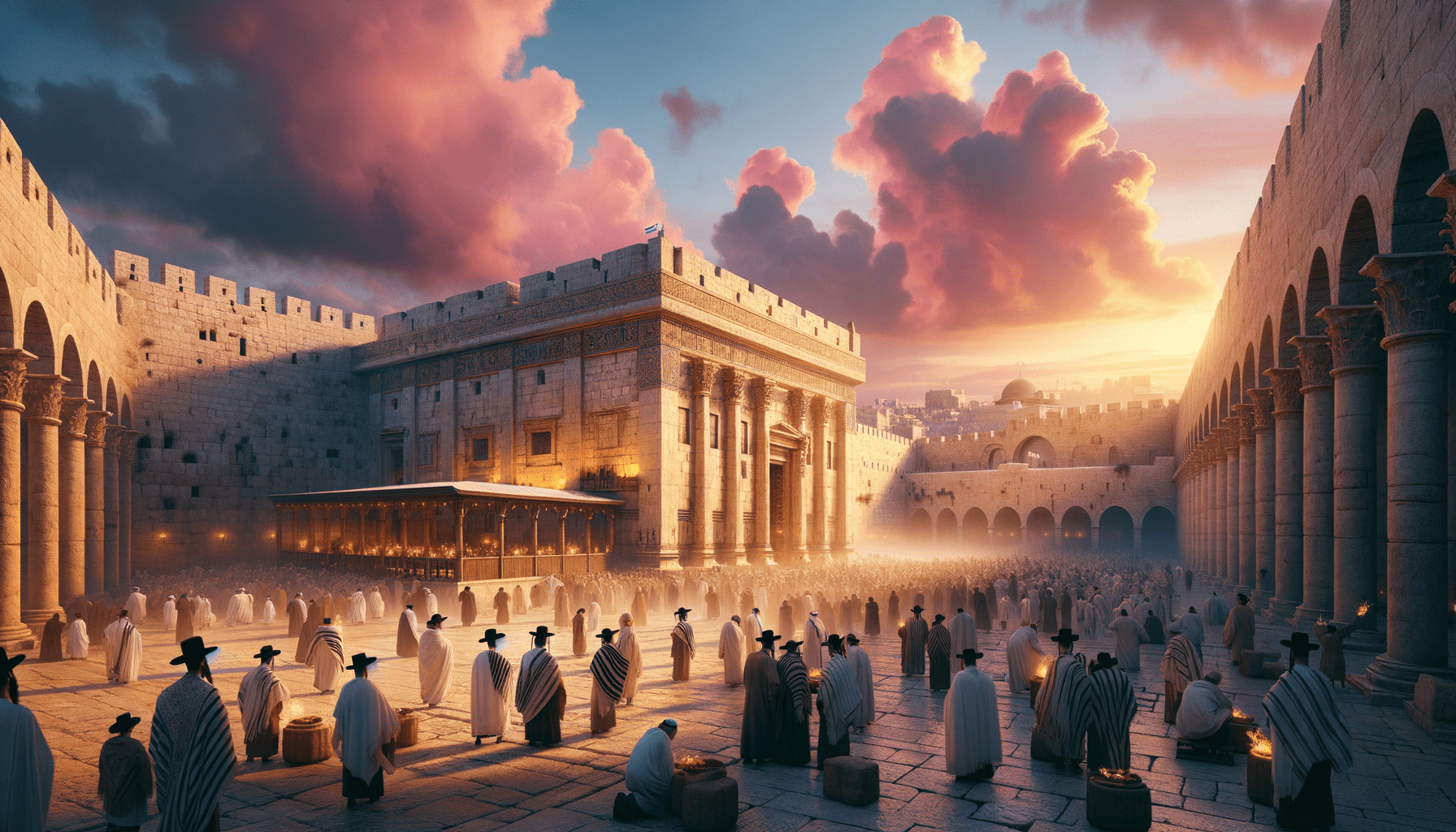
The Second Temple became the heart of Jewish religious life. It was the place where sacrifices were offered, festivals were celebrated, and the community gathered. It stood as a symbol of renewal and continuity.
Though it lacked some of the grandeur of Solomon’s Temple, the Second Temple held deep spiritual meaning. It was a place of prayer, learning, and connection. Pilgrims came from near and far to be part of its sacred rhythms.
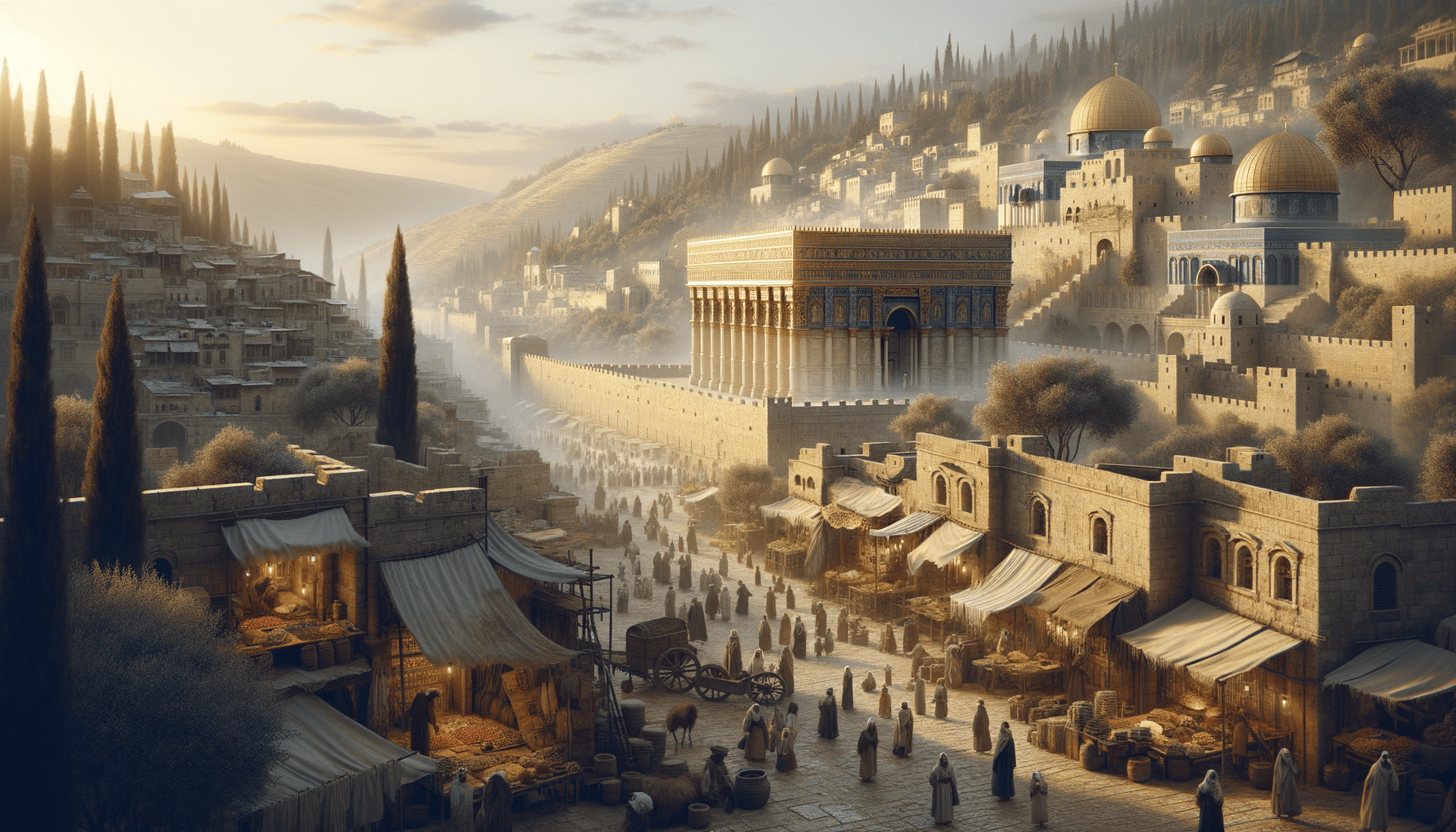
Over time, the Temple was expanded and beautified, especially during the reign of Herod the Great. His renovations made it one of the most impressive structures in the ancient world.
Legacy and Memory
The Second Temple stood for nearly 600 years until it was destroyed by the Romans in 70 CE. Its fall was a devastating blow, but its memory lived on. To this day, Jews around the world remember the Temple in their prayers and traditions.
The Western Wall, a remnant of the Temple complex, remains a place of deep spiritual connection. It draws millions of visitors each year who come to reflect, pray, and feel close to the past.
The story of the Second Temple is not just about stones and structures. It’s about resilience, identity, and the enduring hope of a people who never gave up on their heritage.
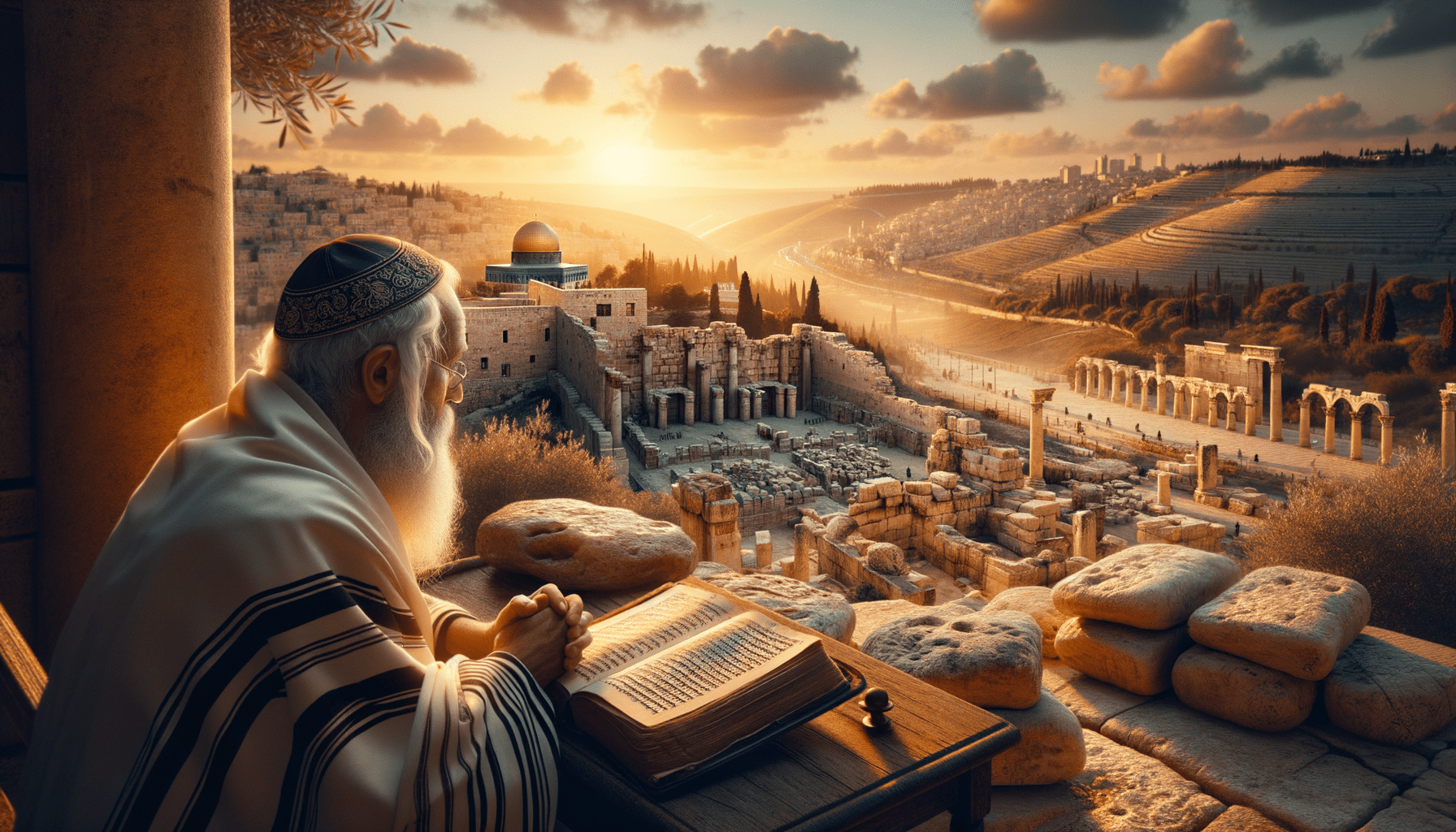
Why the Second Temple Still Matters
For many, the Second Temple represents a golden age of unity and spiritual vitality. It reminds us of the importance of community, tradition, and the sacred.
Its story teaches us about perseverance in the face of adversity. The builders of the Temple overcame exile, opposition, and hardship to create something lasting and meaningful.
Today, remembering the Second Temple helps us connect with our roots and appreciate the journey of the Jewish people. It’s a story that continues to inspire.
The Role of Lev Haolam in Preserving Heritage
At Lev Haolam, we believe in honoring the past while supporting the present. Our gift boxes connect people around the world with the land of Israel and its people.
Each item tells a story—of resilience, creativity, and love for the land. By supporting small Israeli businesses, you become part of a living legacy.
Explore our gift boxes and discover how you can support families in Israel while deepening your connection to Jewish heritage.
Understanding the Second Temple in Jewish History
