
Heartwarming Hungarian Cholent for Family Gatherings
4 March 11:50
363
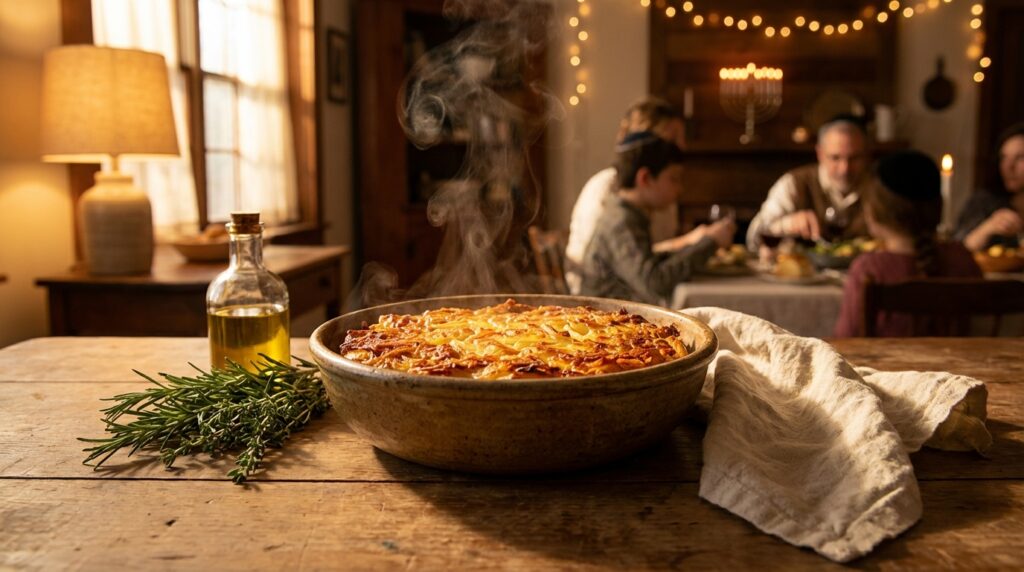

Originating in Eastern Europe, kugel began as a humble dish made from simple ingredients like noodles or potatoes. It was a way to stretch limited resources while providing a hearty meal for families. Over time, kugel evolved with regional variations, each adding its own twist to the classic recipe.
In Jewish culture, kugel is more than just a dish; it’s a symbol of community and tradition. Often served during Shabbat and holidays, it brings families together around the table. The dish’s versatility allows for both sweet and savory versions, catering to different tastes and preferences.
The sweet version of kugel, often made with raisins and cinnamon, is a favorite at festive gatherings. Meanwhile, the savory version, featuring onions and garlic, is a comforting staple in many households. Each bite of kugel carries the stories and memories of those who have prepared it before.
In many families, kugel recipes are treasured heirlooms, shared from mother to daughter. These recipes are often handwritten, with notes and adjustments made over the years. They serve as a connection to the past, preserving the culinary heritage of Ashkenazi Jews.
The preparation of kugel is a communal activity, often involving multiple family members. From mixing the ingredients to baking the dish, each step is a labor of love. This communal aspect reinforces the dish’s role in bringing people together, fostering a sense of belonging and togetherness.
Today, kugel remains a beloved dish in Jewish households worldwide. Its enduring popularity is a testament to its deliciousness and the emotional connection it fosters. Whether enjoyed at a family gathering or a holiday celebration, kugel continues to be a cherished part of Jewish culinary tradition.