Traditional Yemenite Bread Recipe
6 March 13:34
222
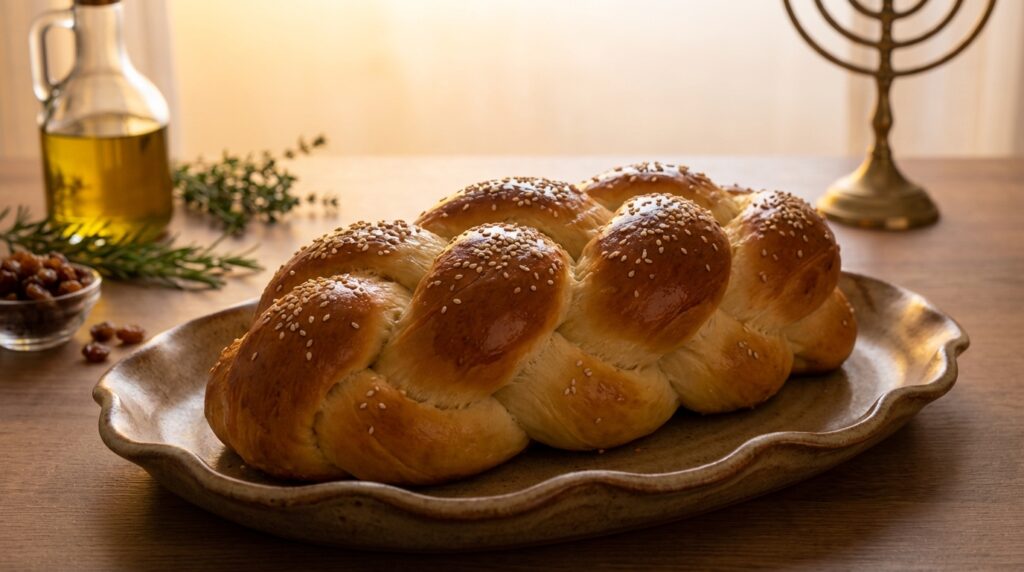

The tradition of baking challah for Purim dates back centuries, symbolizing joy and celebration. This special bread is often braided, representing unity and togetherness. Families gather to bake and share challah, creating cherished memories.
In Jewish culture, bread holds significant meaning, often associated with sustenance and community. During Purim, challah takes on a festive twist, sometimes incorporating sweet ingredients like raisins or honey to reflect the joyous nature of the holiday.
Purim itself is a time of merriment, commemorating the salvation of the Jewish people as told in the Book of Esther. The holiday is marked by feasting, giving gifts, and sharing food, with challah playing a central role in the celebrations.
The braiding of challah is often seen as a representation of intertwining lives and stories. Each strand of dough symbolizes different paths coming together, much like the community gathering during Purim to celebrate and support one another.
While traditional challah recipes are cherished, many families add their unique twists. Some incorporate spices or nuts, while others experiment with shapes and sizes, making each Purim Challah a personal expression of creativity and heritage.
The act of baking challah is often a communal activity, bringing together family members of all ages. It’s a time for storytelling, laughter, and passing down recipes through generations, ensuring that the rich traditions continue to thrive.
As families gather to celebrate Purim, the challah serves as a centerpiece, reminding everyone of the importance of togetherness and gratitude. Sharing this bread is a way to connect with the past and create new memories for the future.
The aromas of freshly baked challah fill the home, creating a warm and inviting atmosphere. This sensory experience is an integral part of the Purim celebration, enhancing the festive mood and bringing smiles to all who partake in the feast.
Incorporating Purim Challah into the holiday feast is a beloved tradition that continues to evolve. Each year, new flavors and techniques are explored, yet the essence of joy and community remains at the heart of this cherished custom.