Authentic Foul Salad from the Heart of Israel
15 April 08:07
66
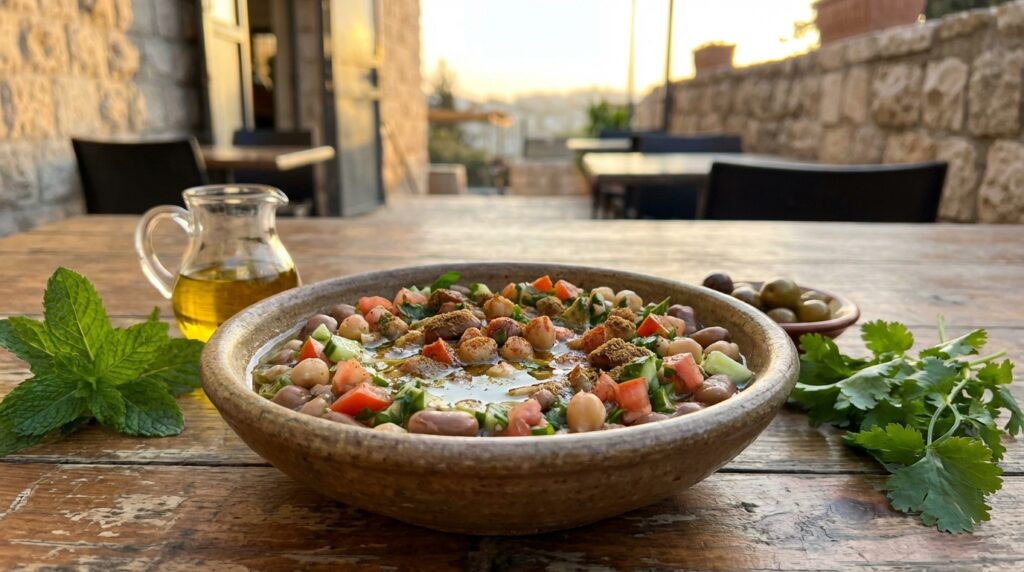

Originating from the Middle East, foul salad has been a staple for generations. It is traditionally made with fava beans, which are a significant part of the diet in many Mediterranean countries. The salad is not only delicious but also packed with nutrients, making it a popular choice for those seeking a healthy meal.
The preparation of foul salad is a communal activity in many families, often involving multiple generations. This tradition of cooking together strengthens family bonds and preserves culinary heritage. The recipe has been passed down through the years, with each family adding their unique twist to the classic dish.
In Israel, foul salad is commonly served as part of a mezze platter, alongside other salads and dips. It is a versatile dish that can be enjoyed as a main course or a side dish. The salad’s vibrant flavors and textures make it a favorite at gatherings and celebrations.
The use of fresh vegetables and herbs in foul salad not only enhances its flavor but also adds to its health benefits. Ingredients like tomatoes, cucumbers, and parsley provide essential vitamins and minerals. Olive oil, a staple in Mediterranean cuisine, adds a rich, smooth texture and is known for its heart-healthy properties.
Spices play a crucial role in the flavor profile of foul salad. Commonly used spices include cumin, paprika, and sumac, each contributing a unique taste and aroma. These spices not only enhance the dish’s flavor but also offer various health benefits, such as anti-inflammatory properties.
The salad’s adaptability allows it to be customized to suit different tastes and dietary preferences. Whether you prefer it spicy or mild, foul salad can be adjusted to meet your needs. This flexibility makes it a versatile dish that can be enjoyed by everyone, regardless of dietary restrictions.
In many Israeli markets, you can find vendors selling freshly made foul salad, showcasing the dish’s popularity and cultural significance. These markets are vibrant places where locals and tourists alike can experience the authentic flavors of Israeli cuisine. The salad’s presence in these markets highlights its role as a culinary ambassador of Israeli culture.
The simplicity of foul salad is one of its greatest strengths. With just a few ingredients, it captures the essence of Mediterranean cooking. The focus on fresh, high-quality ingredients ensures that each bite is bursting with flavor. This simplicity also makes it an accessible dish for home cooks of all skill levels.
Foul salad’s popularity has spread beyond Israel, with variations of the dish appearing in restaurants around the world. This global reach is a testament to its universal appeal and the growing interest in Mediterranean cuisine. As more people discover the joys of foul salad, it continues to bring people together through shared culinary experiences.