Baking Shlissel Challah: A Symbolic Tradition
15 April 08:07
149

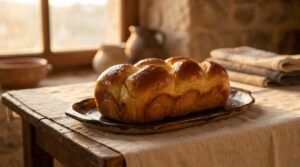
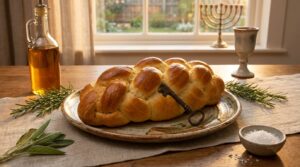
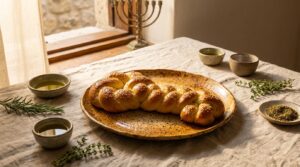
The tradition of baking Shlissel Challah dates back centuries, with roots in Eastern European Jewish communities. It is believed that baking this bread brings blessings and prosperity to the household. The word ‘shlissel’ means ‘key’ in Yiddish, and the bread often features a key shape or contains a key inside.
The practice of baking Shlissel Challah is particularly observed on the first Shabbat after Passover. This timing is significant as it marks a new beginning, symbolizing the opening of gates for sustenance and abundance in the coming year. Families gather to bake and share this special bread, reinforcing community bonds and cultural heritage.
In many homes, the baking of Shlissel Challah is a cherished family activity. Parents and children come together in the kitchen, kneading the dough and shaping it with care. The aroma of freshly baked challah fills the home, creating a warm and inviting atmosphere. This practice not only preserves tradition but also strengthens family ties.
The symbolism of the key in Shlissel Challah is deeply rooted in Jewish mysticism. It represents the hope for divine blessings and the opening of spiritual and material prosperity. The act of baking this bread is seen as a prayerful gesture, inviting positive energy and good fortune into the home.
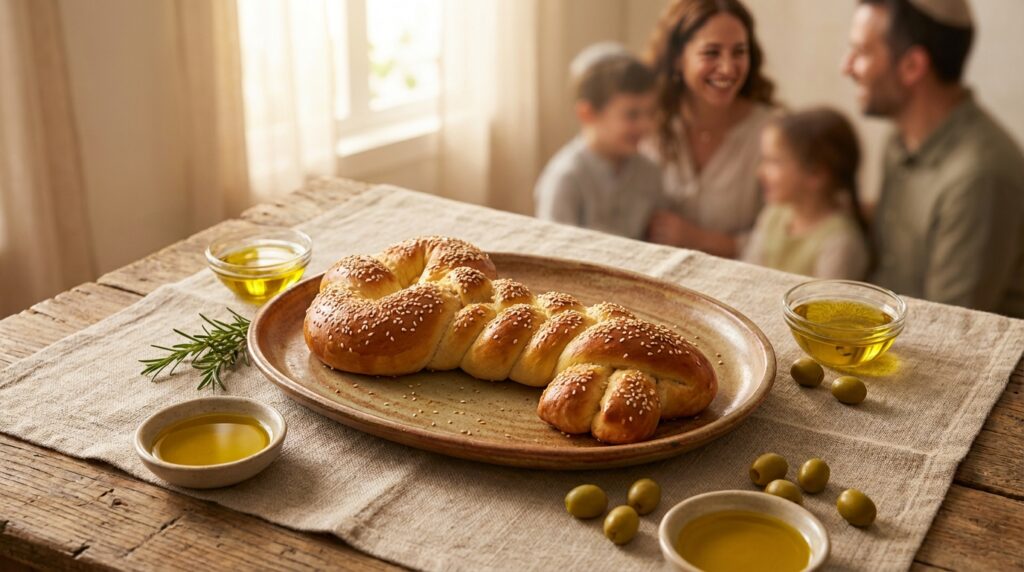
Shlissel Challah is often adorned with sesame or poppy seeds, which are thought to represent manna, the miraculous food that sustained the Israelites in the desert. This connection to biblical history adds another layer of meaning to the tradition, reminding families of their enduring faith and resilience.
As families gather to enjoy Shlissel Challah, they share stories and memories, passing down the tradition to younger generations. This communal experience fosters a sense of belonging and continuity, ensuring that the rich heritage of Shlissel Challah remains alive and vibrant.
The process of baking Shlissel Challah is as much about the journey as the destination. From selecting the finest ingredients to the careful braiding of the dough, each step is infused with intention and love. The final product is not just a loaf of bread but a symbol of hope, unity, and blessings for the future.
Many families have their own unique recipes and techniques for making Shlissel Challah. Some incorporate sweet ingredients like raisins or honey, while others prefer a more savory approach. These variations reflect the diverse cultural influences that have shaped Jewish culinary traditions over the centuries.
The sharing of Shlissel Challah is a moment of joy and gratitude. As families break bread together, they express appreciation for the blessings they have received and the bonds that unite them. This simple act of sharing sustenance becomes a powerful expression of love and community.