How to Make Traditional Kubaneh Bread

A Step-by-Step Guide to Baking Kubaneh
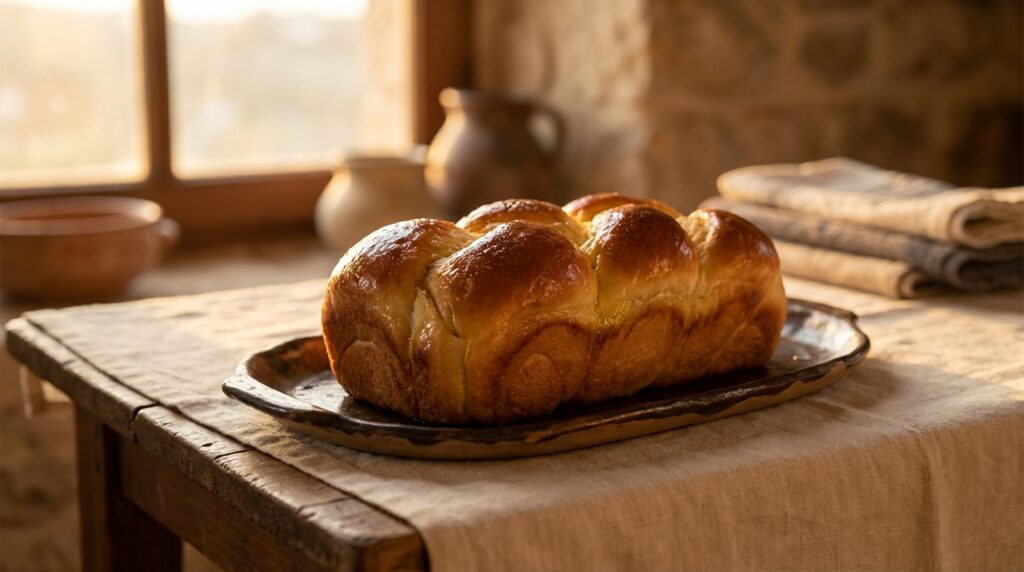
Kubaneh bread is a cherished part of Israeli culinary tradition. This recipe guides you through creating this soft, flavorful bread, perfect for family gatherings.
Image illustrating:How to Make Traditional Kubaneh Bread
2
David Pliner
Culinary & Israeli Heritage Enthusiast
Discover the rich flavors and traditions of Kubaneh bread, a beloved staple in Israeli baking. Learn how to make this soft, pull-apart bread at home.

Health Benefits of Kubaneh Bread

  • Kubaneh is a source of carbohydrates, providing energy.
  • Using whole grain flour can increase fiber content.
  • Butter adds essential fats, enhancing flavor and texture.

Ingredients for Kubaneh Bread

All-purpose flour
4 cups
Active dry yeast
2 teaspoons
Sugar
2 tablespoons
Salt
1 teaspoon
Warm water
1 1/2 cups
Butter or margarine
1/2 cup, melted

Chef's Tips for Perfect Kubaneh

For a richer flavor, consider using clarified butter in your Kubaneh dough. This enhances the bread's buttery taste and gives it a beautiful golden color.

Instructions for Making Kubaneh Bread

  • 1
    1
    Prepare the Dough
    In a large mixing bowl, combine the flour, yeast, sugar, and salt. Gradually add the warm water, mixing until a soft dough forms. Knead the dough on a floured surface for about 10 minutes, until smooth and elastic.
  • 2
    2
    First Rise
    Place the dough in a greased bowl, cover with a damp cloth, and let it rise in a warm place for about 1 hour, or until doubled in size.
  • 3
    3
    Shape the Bread
    Punch down the dough and divide it into 8 equal pieces. Roll each piece into a ball, then flatten and brush with melted butter. Roll up each piece like a jelly roll, then coil it into a spiral.
  • 4
    4
    Second Rise
    Arrange the spirals in a greased baking dish, cover, and let rise for another hour. Preheat your oven to 350°F (175°C) during this time.
  • 5
    5
    Bake the Kubaneh
    Bake the bread in the preheated oven for 40-45 minutes, or until golden brown. Let it cool slightly before serving.

The Story of Kubaneh Bread

Kubaneh is a traditional Yemenite Jewish bread, enjoyed during Shabbat.

Kubaneh has its roots in Yemenite Jewish communities, where it was baked overnight to be ready for Shabbat morning. This slow-baking method allows the bread to develop a rich, buttery flavor and a soft, pull-apart texture that is beloved by many.
The introduction of Kubaneh to Israel came with the Yemenite Jewish immigrants, who brought their culinary traditions with them. Over time, Kubaneh has become a staple in Israeli cuisine, enjoyed by people from all backgrounds.
Traditionally, Kubaneh is baked in a special pot called a “shissel,” which helps create its unique texture. The dough is often enriched with butter or margarine, giving it a brioche-like quality that is both indulgent and comforting.

Kubaneh’s popularity has grown beyond its traditional roots.

In modern Israeli cuisine, Kubaneh is often served with a variety of accompaniments, such as hard-boiled eggs, zhug (a spicy Yemenite sauce), and fresh tomatoes. Its versatility makes it a favorite for both breakfast and brunch gatherings.
Baking Kubaneh at home can be a rewarding experience, connecting you to a rich cultural heritage. The process involves carefully folding and rolling the dough to achieve its signature layers, which pull apart beautifully when baked.
Many home bakers enjoy experimenting with different flavors and fillings, adding ingredients like herbs, cheese, or even chocolate to create unique variations of this classic bread.

Kubaneh is more than just a bread; it’s a symbol of community and tradition.

The communal aspect of Kubaneh is evident in the way it is shared among family and friends. Its soft, tear-apart nature encourages people to gather around the table, sharing stories and laughter as they enjoy this delicious bread together.
For those who have never tried Kubaneh, it offers a taste of Israeli culture and hospitality. Its rich history and delightful flavor make it a must-try for anyone interested in exploring the diverse world of Israeli baking.
Whether you’re a seasoned baker or a curious newcomer, making Kubaneh is an opportunity to explore new culinary horizons and connect with a vibrant cultural tradition.

Related Recipes

FAQ

How is Kubaneh traditionally served?
Kubaneh is traditionally served as part of a Shabbat meal, often accompanied by hard-boiled eggs and tomato sauce.
Can I prepare the dough ahead of time?
Yes, you can prepare the dough in advance and let it rise overnight in the refrigerator.
What makes Kubaneh different from other breads?
Kubaneh is unique for its slow baking process and its soft, pull-apart texture, often compared to brioche.