Traditional Yemenite Bread Recipe
6 March 13:34
222
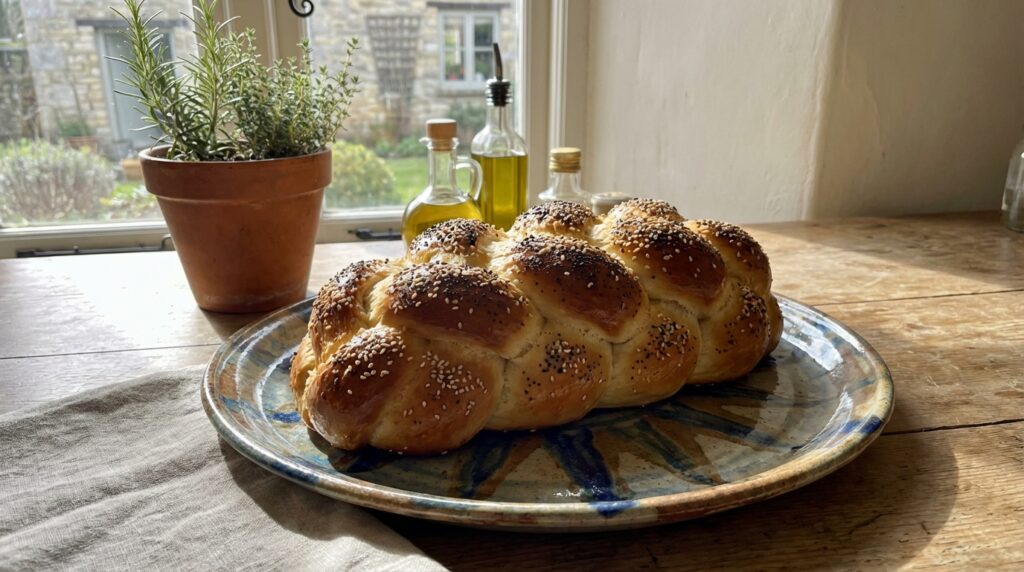

The tradition of saying a yehi ratzon blessing over challah is deeply rooted in Jewish culture. This blessing, which translates to ‘may it be your will,’ is a way of inviting divine favor and goodwill into the home. It is often recited during Shabbat and Jewish holidays, creating a moment of reflection and gratitude. Families gather around the table, sharing stories and hopes for the future, making the act of baking and breaking bread a sacred ritual.
Challah itself is more than just bread; it is a symbol of unity and community. The braided loaf represents the intertwining of lives and the strength found in togetherness. Traditionally, challah is made with three or six strands, each braid carrying its own significance. The process of braiding is meditative, allowing the baker to focus on the intentions behind the yehi ratzon blessing.
The origins of challah can be traced back to ancient times, where it was used as an offering in the Temple. Over centuries, it has evolved into a staple of Jewish cuisine, cherished for its sweet, rich flavor and soft texture. The yehi ratzon blessing adds a layer of spiritual depth to this beloved bread, transforming it into a vessel of hope and connection.
In many households, the preparation of challah is a communal activity, bringing generations together in the kitchen. Grandparents pass down their recipes and techniques, while children learn the importance of tradition and faith. The yehi ratzon blessing is often taught alongside the recipe, ensuring that the spiritual aspect of challah baking is preserved for future generations.
The act of baking challah with a yehi ratzon blessing is not only about creating delicious bread but also about fostering a sense of belonging and continuity. Each loaf carries the hopes and dreams of those who baked it, serving as a reminder of the enduring strength of family and faith. This tradition is a testament to the resilience and adaptability of Jewish culture, thriving through centuries of change and challenge.
As families gather to enjoy challah, the yehi ratzon blessing becomes a shared experience, uniting everyone in a moment of gratitude and joy. The aroma of freshly baked bread fills the home, creating an atmosphere of warmth and love. This simple yet profound ritual is a cornerstone of Jewish life, embodying the values of hospitality, generosity, and community.
The tradition of sharing challah extends beyond the family table. It is often given as a gift to friends and neighbors, symbolizing goodwill and friendship. The yehi ratzon blessing enhances this gesture, infusing each loaf with a sense of purpose and intention. Whether enjoyed at home or shared with others, challah serves as a reminder of the importance of kindness and connection.
In modern times, the yehi ratzon for challah has found new expressions, with bakers experimenting with different flavors and ingredients. Despite these innovations, the core values of the tradition remain unchanged. The blessing continues to be a source of inspiration and comfort, guiding families as they navigate the complexities of contemporary life.
Through the simple act of baking and blessing challah, individuals find a sense of peace and fulfillment. The yehi ratzon becomes a personal prayer, reflecting the unique hopes and aspirations of each baker. This timeless tradition offers a moment of pause in a busy world, allowing for reflection and renewal.