Traditional Water Challah for Your Table
5 March 09:34
251
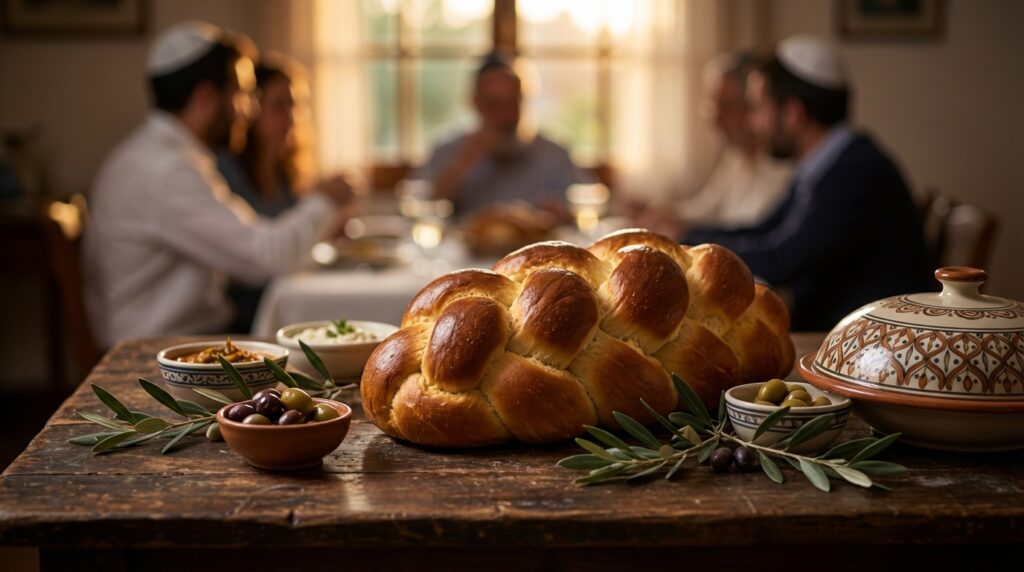

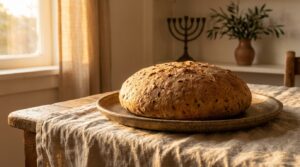
The origins of challah can be traced back to ancient times, where it was a staple in Jewish households. This braided bread is more than just a food item; it represents a deep connection to heritage and community. Traditionally, challah is enjoyed during Shabbat and Jewish holidays, serving as a reminder of the importance of family and faith.
In Israel, challah holds a special place in the hearts of many. It is often seen as a symbol of hospitality and warmth, shared among friends and family. The process of baking challah is a cherished ritual, passed down through generations, each loaf carrying stories of past gatherings and celebrations.
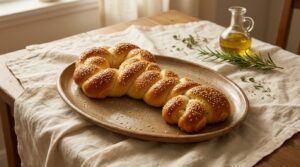
The art of braiding challah is both a skill and a form of expression. Each braid represents different aspects of life, intertwining to create a beautiful and meaningful loaf. This tradition has been preserved over centuries, with each family adding their unique touch to the recipe.
These boards are not just functional; they are pieces of art that reflect the rich cultural heritage of Israel. Made from various materials like wood and ceramic, each board is designed to complement the beauty of the challah it holds. They are often gifted during special occasions, symbolizing the sharing of blessings and abundance.
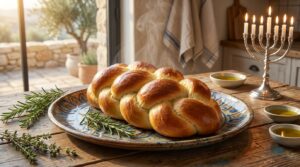
The use of challah boards elevates the dining experience, turning a simple meal into a celebration. The intricate designs and craftsmanship of these boards add a touch of elegance to any table setting, making them a cherished addition to many homes.
Incorporating challah boards into the tradition of baking and sharing bread enhances the sense of community and togetherness. It is a practice that not only honors the past but also creates new memories for future generations.
The tradition of breaking bread is universal, and challah serves as a bridge between different communities. It is a reminder that despite our differences, we all share common values of love, family, and friendship. The act of sharing challah fosters connections and understanding, making it a powerful symbol of unity.
In today’s fast-paced world, taking the time to bake and share challah offers a moment of reflection and gratitude. It encourages us to slow down and appreciate the simple joys of life, like the aroma of freshly baked bread and the warmth of a shared meal.
Challah continues to be a beloved tradition, cherished by those who value its rich history and the connections it fosters. Whether enjoyed on a challah board from Israel or shared at a family gathering, it remains a timeless symbol of love and togetherness.