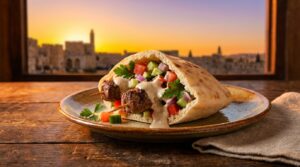
Traditional Jewish Meatballs for Family Gatherings
6 March 13:37
424
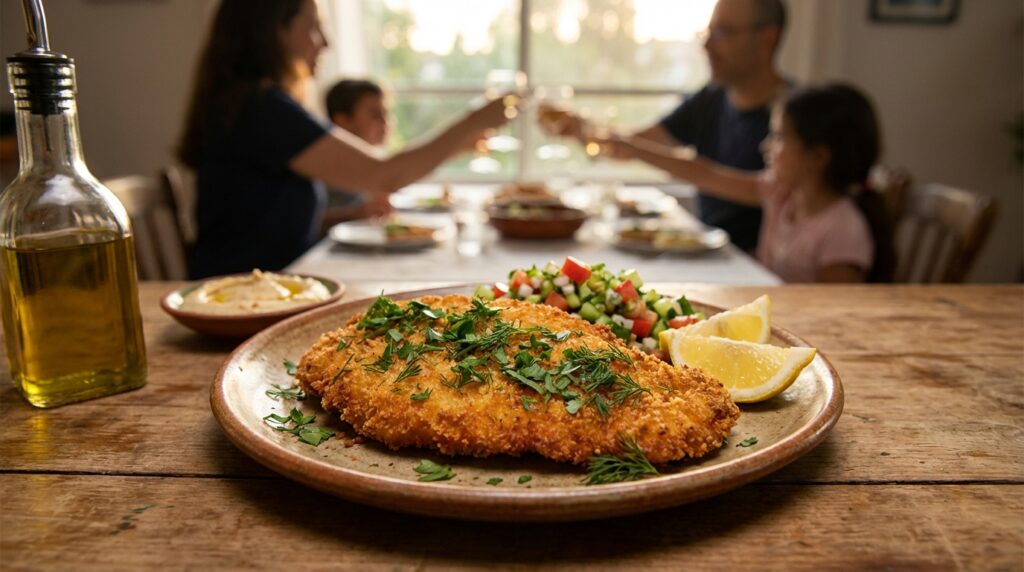

The journey of schnitzel to Israel began with European immigrants who brought their culinary traditions with them. Over time, the dish evolved to suit local tastes, becoming a staple in Israeli households. The adaptation of schnitzel in Israel often involves using chicken or turkey, making it a lighter alternative to the traditional veal.
In Israel, schnitzel is more than just a meal; it’s a symbol of comfort and home. Families gather around the table to enjoy this crispy delight, often accompanied by fresh salads and warm pita bread. The simplicity of the ingredients and the ease of preparation make it a favorite among busy families.
The preparation of schnitzel involves coating thin slices of meat in breadcrumbs and frying them to golden perfection. This method creates a crispy exterior while keeping the meat tender and juicy inside. The dish is often seasoned with a blend of spices that reflect the diverse flavors of Israeli cuisine.
Whether served at a family dinner or a festive celebration, schnitzel holds a special place in Israeli culture. It is often paired with traditional sides like Israeli salad or hummus, enhancing the meal’s flavor and nutritional value. The dish’s popularity has even spread beyond Israel, becoming a cherished part of Jewish culinary traditions worldwide.
The origins of schnitzel can be traced back to the Austro-Hungarian Empire, where it was traditionally made with veal. As it traveled to Israel, the recipe adapted to include locally available ingredients, such as chicken and turkey. This adaptation not only made the dish more accessible but also allowed it to integrate seamlessly into Israeli cuisine.
Today, schnitzel is a common feature in Israeli school lunches and home-cooked meals. Its appeal lies in its simplicity and the joy it brings to those who prepare and eat it. The dish continues to evolve, with modern variations incorporating different spices and cooking techniques, yet it remains a beloved classic.
In many Jewish communities around the world, schnitzel is a beloved dish that connects people to their heritage. Its presence at holiday gatherings and family meals serves as a reminder of cultural roots and shared traditions. The dish’s ability to bring people together is a testament to its enduring appeal.
The preparation of schnitzel is often a family affair, with children and adults alike participating in the cooking process. This communal activity not only strengthens family bonds but also passes down culinary traditions from one generation to the next. The joy of making and eating schnitzel is a shared experience that transcends age and background.
As Israeli cuisine continues to gain recognition globally, schnitzel remains a standout dish that represents the country’s rich culinary heritage. Its combination of simple ingredients and bold flavors captures the essence of Israeli cooking, making it a favorite among food enthusiasts worldwide.