Exploring Pasta Pellets in Jewish Culinary Traditions
7 March 15:02
341
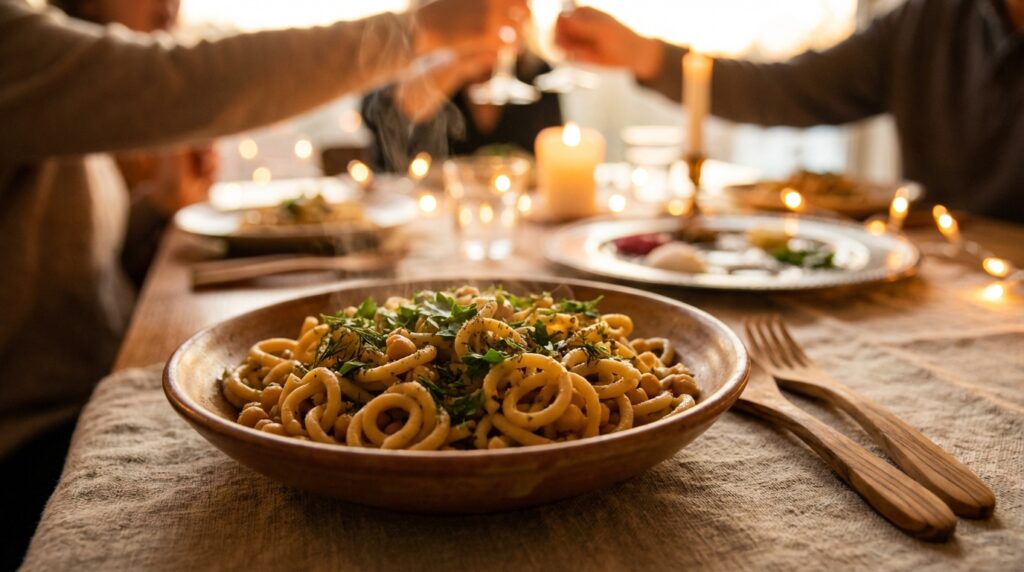

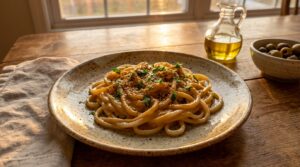
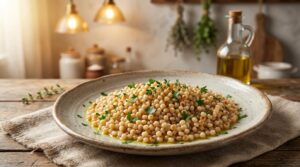
Originating from the Middle East, chickpeas have been a staple in Israeli cuisine for centuries. This legume is not only versatile but also packed with nutrients, making it a favorite among many. Chickpea pasta, made from chickpea flour, offers a gluten-free alternative to traditional wheat pasta, aligning with dietary needs during Passover.
The process of transforming chickpeas into pasta involves grinding them into a fine flour. This flour is then mixed with water to form a dough, which is shaped into various pasta forms. The result is a hearty and nutritious pasta that retains the rich, nutty flavor of chickpeas.
In Israel, chickpea pasta is celebrated for its ability to absorb flavors, making it an excellent base for a variety of sauces and toppings. From simple olive oil and garlic to more complex tomato-based sauces, chickpea pasta complements a wide range of dishes.
During Passover, many seek alternatives to chametz, the leavened grains forbidden during the holiday. Chickpea pasta provides a kosher solution, allowing families to enjoy pasta dishes without compromising their dietary restrictions. Its kosher certification ensures it meets the stringent requirements for Passover consumption.
The popularity of chickpea pasta has grown beyond Israel, reaching international markets. Its health benefits, including high protein and fiber content, appeal to a global audience looking for nutritious meal options. This pasta is particularly favored by those following gluten-free diets.
Chickpea pasta’s versatility extends to its preparation methods. Whether boiled, baked, or sautéed, it maintains its texture and flavor. This adaptability makes it a staple in many households, especially during Passover when meal options can be limited.
The journey from chickpea to pasta is one of innovation and tradition. Israeli farmers cultivate chickpeas with care, ensuring quality and sustainability. This commitment to excellence is reflected in the final product, which is enjoyed by families during Passover and beyond.
Chickpea pasta is often paired with fresh vegetables and herbs, creating vibrant and flavorful dishes. This combination not only enhances the taste but also adds nutritional value, making meals both satisfying and wholesome.
The cultural significance of chickpeas in Israeli cuisine cannot be overstated. From hummus to falafel, chickpeas are a beloved ingredient, and chickpea pasta is a natural extension of this culinary tradition. It embodies the spirit of innovation while honoring the past.