Due to the war in Israel, shipments may be delayed. Thank you for standing with Israel.

Exploring Pasta Pellets in Jewish Culinary Traditions

A Journey Through Tradition and Taste
Dive into the comforting world of pasta pellets, a staple in Jewish kitchens, known for their versatility and heartwarming flavors.
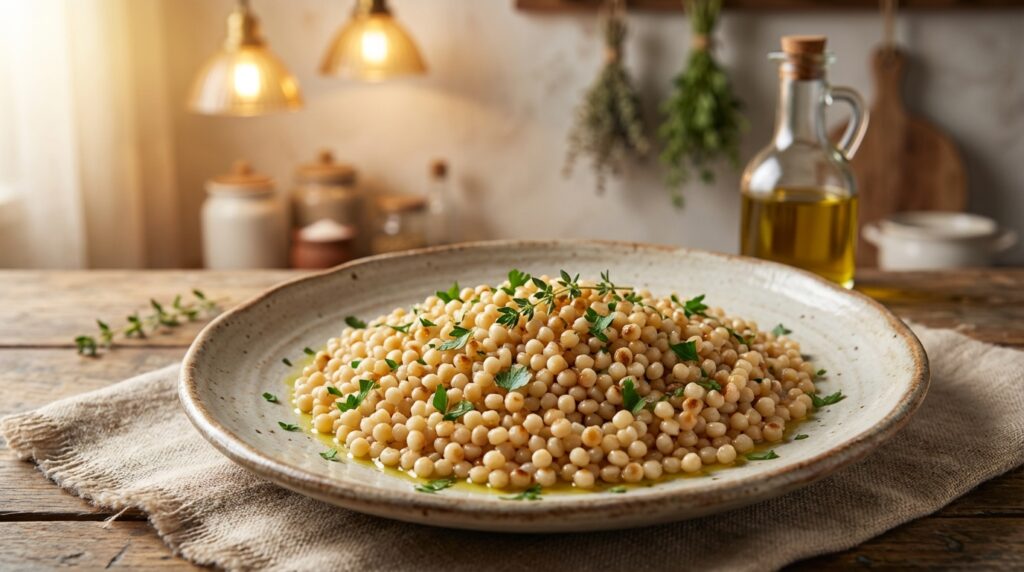
Image illustrating:Exploring Pasta Pellets in Jewish Culinary Traditions
41
David Pliner
Culinary & Israeli Heritage Enthusiast
Discover the rich history and delightful flavors of pasta pellets in Jewish cuisine, a cherished dish that brings families together.

Health Benefits

  • Pasta pellets are a good source of carbohydrates, providing energy for daily activities.
  • Rich in fiber, they aid in digestion and promote a healthy gut.
  • Low in fat, making them a heart-healthy choice for meals.

Ingredients

Pasta pellets
2 cups
Olive oil
2 tablespoons
Onion, chopped
1 medium
Garlic, minced
2 cloves
Chicken broth
4 cups
Carrots, diced
2
Celery, diced
2 stalks
Salt
1 teaspoon
Pepper
1/2 teaspoon
Fresh parsley, chopped
1/4 cup

Chef's Tips

For a richer flavor, toast the pasta pellets in olive oil before boiling. This adds a delightful nutty taste that enhances the overall dish. Pair with fresh herbs for a burst of freshness.

Instructions

  • 1
    1
    Prepare the Ingredients
    Begin by gathering all your ingredients. Chop the onion and garlic, dice the carrots and celery, and set everything aside for easy access during cooking.
  • 2
    2
    Toast the Pasta Pellets
    In a large pot, heat the olive oil over medium heat. Add the pasta pellets and toast them, stirring frequently, until they are golden brown and fragrant. This step enhances their flavor.
  • 3
    3
    Sauté the Vegetables
    Add the chopped onion and minced garlic to the pot with the toasted pasta pellets. Sauté until the onion becomes translucent and the garlic is aromatic, about 3-4 minutes.
  • 4
    4
    Simmer the Broth
    Pour in the chicken broth, followed by the diced carrots and celery. Stir well, ensuring all ingredients are evenly distributed. Season with salt and pepper to taste.
  • 5
    5
    Cook the Pasta Pellets
    Bring the mixture to a gentle boil, then reduce the heat to a simmer. Cover the pot and let it cook for 15-20 minutes, or until the pasta pellets are tender and have absorbed most of the broth.
  • 6
    6
    Finish and Serve
    Once the pasta pellets are cooked, remove the pot from the heat. Stir in the fresh parsley for a burst of color and flavor. Serve hot, garnished with additional parsley if desired.

The Story of Pasta Pellets

Pasta pellets have been a beloved part of Jewish cuisine for generations.

Originating from Eastern Europe, pasta pellets, also known as ‘ptitim’ or ‘Israeli couscous,’ have found their way into many Jewish homes. These small, round pasta shapes are often used in soups and stews, providing a hearty and comforting addition to meals. Their versatility and ease of preparation have made them a staple in Jewish cooking.
The introduction of pasta pellets to Israeli cuisine dates back to the early 1950s. During this time, the country faced a rice shortage, prompting the development of a rice substitute. Pasta pellets quickly gained popularity, not only as a substitute but as a beloved dish in its own right. Their unique texture and ability to absorb flavors made them a favorite among families.
In Jewish culture, food is often a reflection of tradition and community. Pasta pellets are no exception, often served during family gatherings and celebrations. They symbolize warmth and togetherness, bringing people closer through shared meals. Whether served as a side dish or the main attraction, pasta pellets hold a special place in Jewish culinary traditions.

Today, pasta pellets are enjoyed worldwide, celebrated for their simplicity and flavor.

In modern kitchens, pasta pellets have transcended their traditional uses. Chefs and home cooks alike have embraced their versatility, incorporating them into salads, casseroles, and even desserts. Their ability to complement a wide range of ingredients makes them a favorite for creative culinary experiments.
The global popularity of pasta pellets has also led to variations in their preparation. While traditionally boiled, they can also be toasted for a nutty flavor or baked into dishes for added texture. This adaptability has ensured their place in contemporary cuisine, appealing to diverse tastes and preferences.
Despite their evolution, pasta pellets remain a symbol of comfort and nostalgia for many. They evoke memories of family meals and cultural heritage, connecting generations through the simple act of sharing food. As they continue to evolve, pasta pellets maintain their status as a cherished component of Jewish culinary identity.

Pasta pellets are not just food; they are a connection to heritage and family.

For many Jewish families, pasta pellets are more than just a dish; they are a link to the past. Passed down through generations, recipes for pasta pellets carry stories of ancestors and traditions. Each preparation is a tribute to those who came before, preserving cultural heritage through the art of cooking.
The communal aspect of preparing and enjoying pasta pellets is also significant. In many households, making pasta pellets is a family affair, with each member contributing to the process. This shared experience fosters a sense of belonging and unity, reinforcing the importance of family bonds.
As pasta pellets continue to be a part of Jewish culinary traditions, they serve as a reminder of the resilience and adaptability of the culture. They embody the spirit of innovation and creativity, transforming simple ingredients into beloved dishes that nourish both body and soul.


Related Recipes

FAQ

What are pasta pellets?
Pasta pellets are small, round pasta shapes often used in soups and stews, popular in Jewish cooking.
Can pasta pellets be used in different recipes?
Yes, pasta pellets can be used in various dishes, including soups, casseroles, and salads.
How should I store pasta pellets?
Store pasta pellets in a cool, dry place in an airtight container to maintain freshness.