Lemon Rosemary Pound Cake Delight
9 March 09:22
294
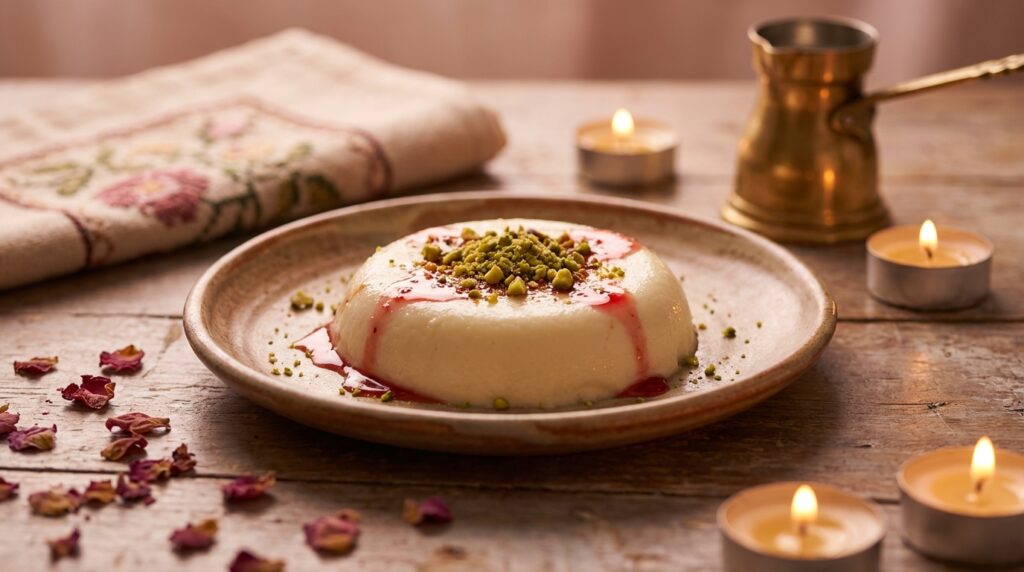

Originating in the Ottoman Empire, Malabi has become a staple in Israeli cuisine. Its creamy texture and subtle sweetness have made it a favorite among locals and visitors alike. Traditionally, Malabi is made with milk, sugar, and cornstarch, and flavored with rosewater or orange blossom water. This simple yet elegant dessert is often garnished with nuts or coconut flakes, adding a delightful crunch to each spoonful.
In Israel, Malabi is not just a dessert but a cultural experience. It is commonly found in street markets and local eateries, where it is served in small cups, often with a drizzle of syrup and a sprinkle of pistachios. The dessert’s popularity has led to numerous variations, including vegan versions and those infused with unique flavors like cardamom or saffron.
The preparation of Malabi is a cherished tradition passed down through generations. Families often gather to make this dessert during special occasions and holidays, sharing stories and laughter as they cook. The process of stirring the milk mixture until it thickens is a labor of love, resulting in a dessert that is both comforting and indulgent.
While traditional Malabi is flavored with rosewater, modern twists include infusions of vanilla, chocolate, or even coffee. These variations cater to diverse palates and showcase the versatility of this beloved dessert. Whether served in elegant glassware or simple bowls, Malabi’s presentation can be as elaborate or as understated as desired.
Beyond its delightful taste, Malabi holds a special place in Israeli culture. It symbolizes hospitality and the joy of sharing food with loved ones. Many Israeli families have their own secret recipes, passed down through generations, each adding a unique touch to the classic dessert. This personal connection to Malabi makes it more than just a treat; it is a piece of cultural heritage.
As Israeli cuisine continues to gain international recognition, Malabi stands out as a testament to the rich culinary traditions of the region. Its simple ingredients and straightforward preparation make it accessible to home cooks around the world, inviting them to experience a taste of Israel from their own kitchens.
In many Israeli households, Malabi is a staple dessert during celebrations such as weddings, bar mitzvahs, and holidays. Its light and refreshing nature make it an ideal choice for ending a meal on a sweet note. The dessert’s adaptability allows it to be paired with various toppings, from fresh fruits to exotic spices, enhancing its appeal.
The communal aspect of enjoying Malabi is a reflection of Israeli hospitality. Sharing this dessert with friends and family is an expression of warmth and connection, embodying the spirit of togetherness that is central to Israeli culture. Whether enjoyed at a bustling market stall or a quiet family dinner, Malabi brings people together through its comforting flavors and rich history.
For those new to Israeli desserts, Malabi offers an accessible introduction to the region’s culinary delights. Its familiar ingredients and straightforward preparation make it a perfect starting point for exploring the diverse and flavorful world of Middle Eastern sweets.