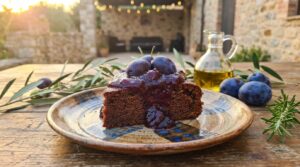
Savor the Sweetness of Plum Jam Cake
26 April 11:01
188
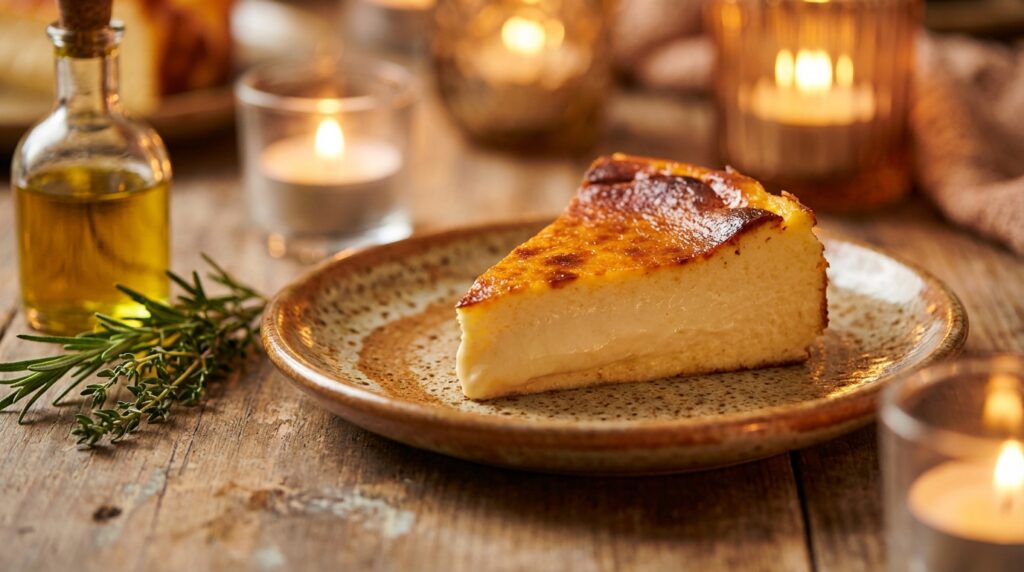

The Basque Country, known for its rich culinary traditions, is home to this unique cheesecake. Unlike traditional cheesecakes, Basque cheesecake is crustless, offering a creamy texture with a caramelized top. Its origins are deeply rooted in the local culture, where it was first created in the 1990s by chef Santiago Rivera.
Rivera’s creation quickly gained popularity, becoming a staple in the region’s dessert offerings. The cheesecake’s distinctive appearance and texture set it apart, making it a favorite among locals and visitors alike. Its simplicity and rich flavor profile have contributed to its widespread appeal.
The cheesecake’s fame spread beyond the Basque Country, capturing the attention of chefs and food enthusiasts worldwide. Its unique baking method, which involves high temperatures to achieve the signature caramelized top, intrigued many. This technique results in a creamy interior that contrasts beautifully with the slightly burnt exterior.
The simplicity of Basque cheesecake is one of its most appealing aspects. With just a few ingredients, it delivers a rich and satisfying flavor. The use of high-quality cream cheese and eggs ensures a creamy texture, while sugar and a touch of flour provide the perfect balance of sweetness and structure.
In recent years, Basque cheesecake has become a global sensation, featured in bakeries and restaurants around the world. Its popularity is a testament to its unique flavor and texture, which continue to captivate dessert lovers. Many chefs have put their own spin on the classic recipe, experimenting with different flavors and presentations.
Despite its global fame, the essence of Basque cheesecake remains tied to its origins. The dessert embodies the spirit of the Basque Country, reflecting the region’s commitment to culinary excellence and innovation. It serves as a delicious reminder of the rich cultural heritage that inspires its creation.
As Basque cheesecake continues to gain popularity, it has inspired a variety of adaptations. Chefs worldwide have embraced the dessert, incorporating local ingredients and flavors to create unique versions. Despite these variations, the core elements of the cheesecake remain unchanged, preserving its authentic taste and texture.
The dessert’s rise to fame is a testament to the power of culinary innovation and tradition. Basque cheesecake has become a symbol of the Basque Country’s rich culinary heritage, celebrated for its simplicity and depth of flavor. Its journey from a local delicacy to a global phenomenon highlights the universal appeal of well-crafted desserts.
For those who have yet to experience Basque cheesecake, it offers a delightful taste of the Basque Country’s culinary artistry. Its creamy texture and caramelized top provide a unique dessert experience, inviting food lovers to explore the rich flavors and traditions of this vibrant region.