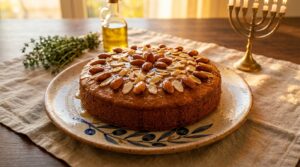
Classic Israeli Cake Delight
10 March 19:08
265
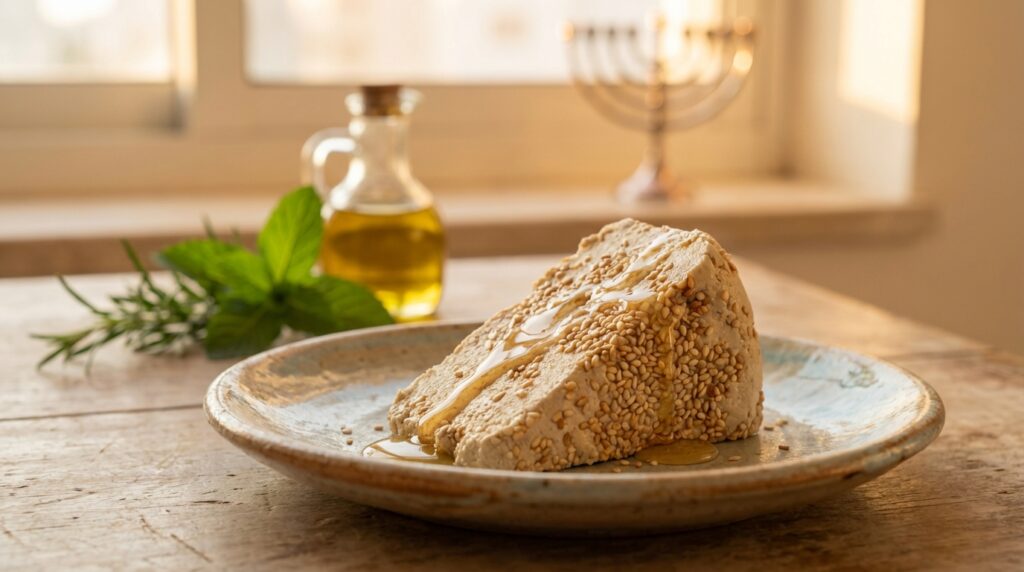

Originating from ancient Persia, halva made its way to Israel through trade routes and cultural exchanges. It quickly became a staple in Israeli households, loved for its sweet and nutty flavor.
The word ‘halva’ means ‘sweet’ in Arabic, reflecting its widespread appeal across the Middle East. In Israel, halva is often enjoyed during festive occasions and family gatherings.
Traditionally made from sesame seeds, halva is known for its crumbly texture and rich taste. It is a symbol of hospitality and warmth, often offered to guests as a gesture of welcome.
In the bustling markets of Jerusalem and Tel Aviv, halva is a common sight. Vendors display an array of flavors, from classic sesame to chocolate and pistachio, each offering a unique twist on the traditional recipe.
Halva’s popularity has spread beyond Israel, with many countries adopting their own versions. However, the Israeli style remains distinct, celebrated for its authenticity and simplicity.
Making halva at home allows for creativity and personalization. Whether adding nuts or spices, each batch can be tailored to suit individual tastes, making it a versatile dessert for any occasion.
For many Israelis, halva is a taste of childhood, evoking memories of family kitchens and festive celebrations. Its preparation is often a communal activity, bringing people together in the spirit of sharing and joy.
The process of making halva is both an art and a science. Achieving the perfect texture requires skill and patience, as the sesame paste must be carefully mixed with sugar syrup to create the desired consistency.
Despite its simplicity, halva is a dessert that carries deep cultural significance. It represents the blending of traditions and the enduring connection to the land and its people.